A baby on the way is the perfect motivation to give your home a gentle detox. From the water you sip to the sheets you sleep on, everyday items can quietly add stress-inducing chemicals to your life. The good news? A handful of simple, budget-friendly changes can dramatically lower your exposure to endocrine disruptors, airborne irritants, and other hidden hazards. Use the coming months to swap plastic for glass, clean up your cooking oils, and unplug a few devices at night. By the time your little one arrives, you’ll have created a safer, calmer nest for the entire family.
1. Trade Plastic for Glass, Wood & Stainless Steel
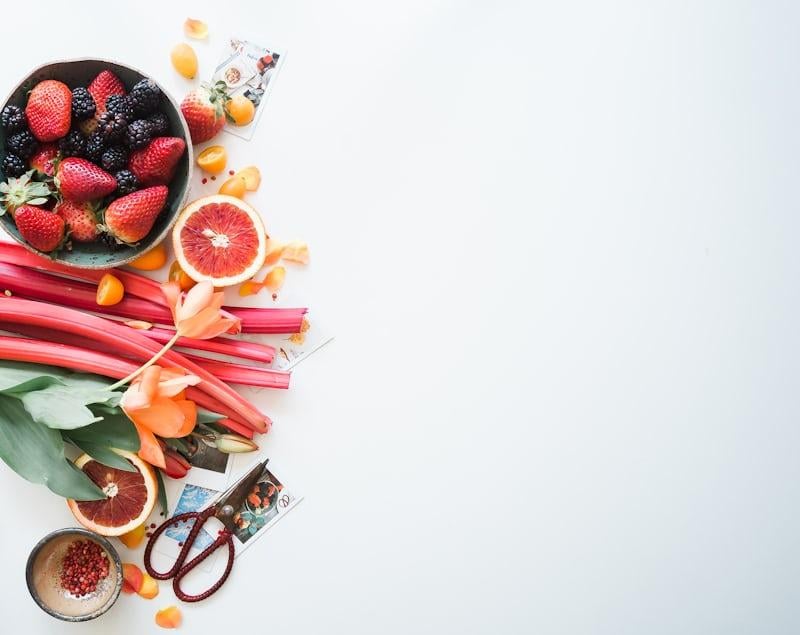
Plastic bowls, bottles, and food-storage lids can leach BPA, BPS, and phthalates, chemicals linked to hormone disruption and fertility issues. Start by replacing the containers you touch daily: a glass water bottle for your desk, stainless-steel lunchboxes, wooden spoons instead of plastic spatulas. Invest in a handful of wide-mouth mason jars for leftovers and dry goods; their airtight lids keep food fresher and let you see what you have at a glance. Silicone baby bottles and freezer-safe glass trays round out a safer kitchen lineup, giving you peace of mind long after the bump becomes a baby.
2. Upgrade Your Cooking Fats to Real Food Oils
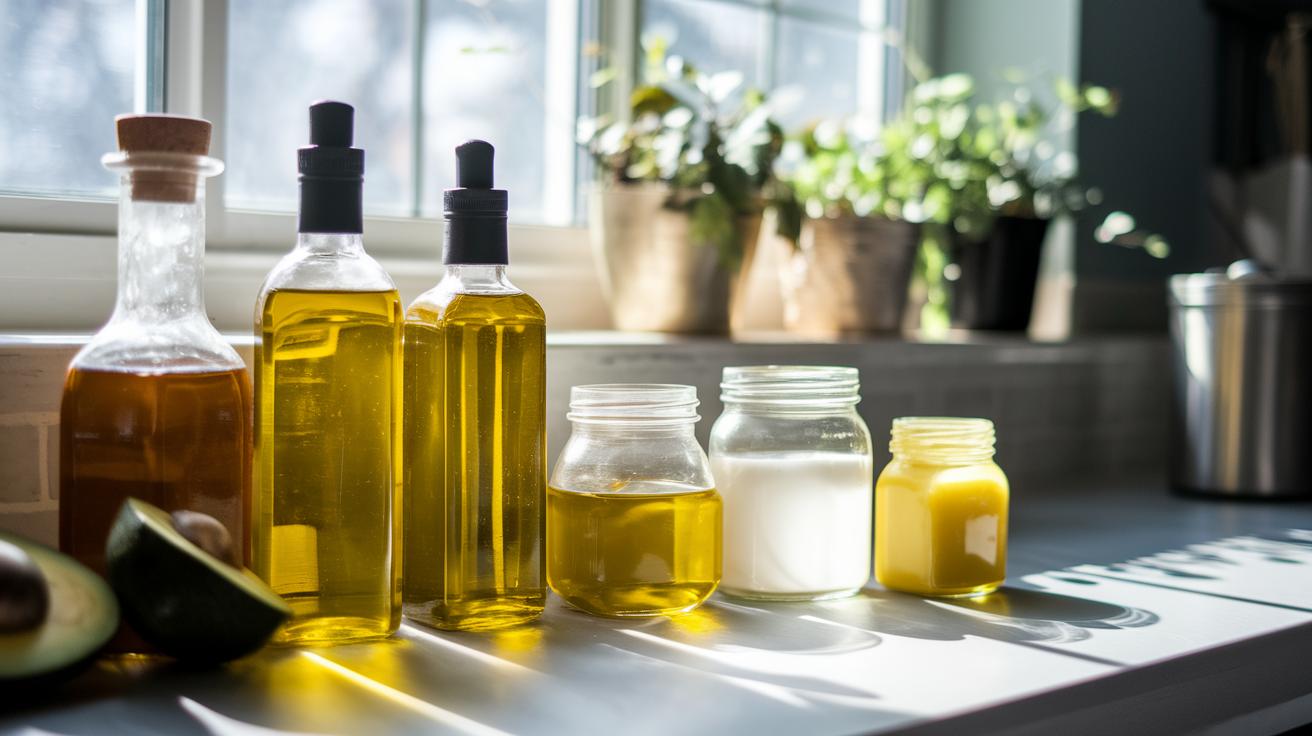
Industrial seed oils, canola, soybean, corn, are highly processed, heat-unstable, and heavy in inflammatory omega-6 fats. Toss them and restock with extra-virgin olive oil, avocado oil, coconut oil, grass-fed ghee, butter, and beef tallow. These stable fats withstand everyday sauté temperatures without oxidizing, support baby’s brain development, and add rich flavor to quick dinners. Use olive oil for salad dressings, avocado oil for high-heat searing, and ghee for buttery baking. By switching early, you’ll recalibrate your taste buds, balance your omega-3/6 ratio, and set the foundation for nutrient-dense postpartum meals.
3. Unplug at Night to Lower EMF Exposure
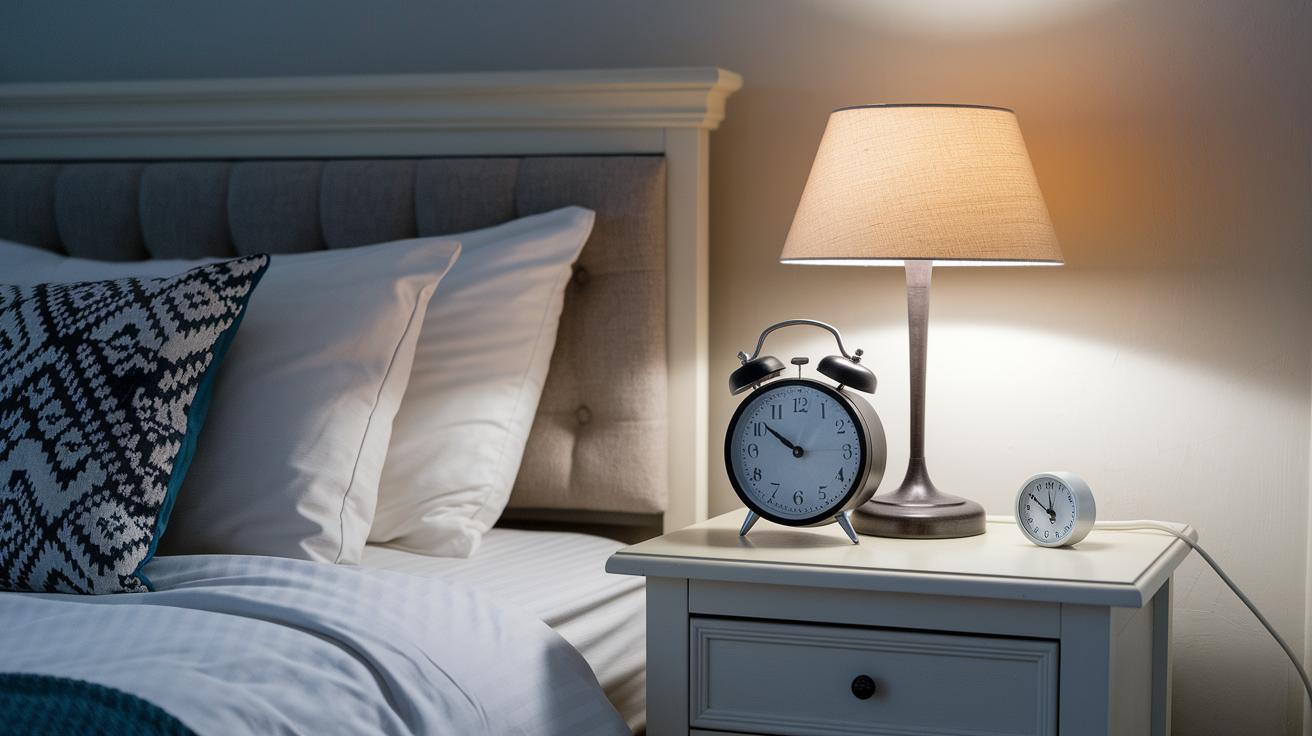
Your bedroom should be a recovery zone, not a mini cell tower. Electromagnetic fields (EMFs) from Wi-Fi routers, smart TVs, and buzzing smartphones may disrupt sleep hormones, especially melatonin, which a pregnant body needs for repair. Power down your router, set your phone to airplane mode, and move charging cables outside the bedroom. Swap the digital alarm for an old-school wind-up clock. If you must stay connected, a wall-mounted Ethernet cable lets you stream without the constant wireless signal. The result is deeper rest, steadier moods, and an environment better suited to growing a new life.
4. Ban Synthetic Scents & Freshen the Natural Way
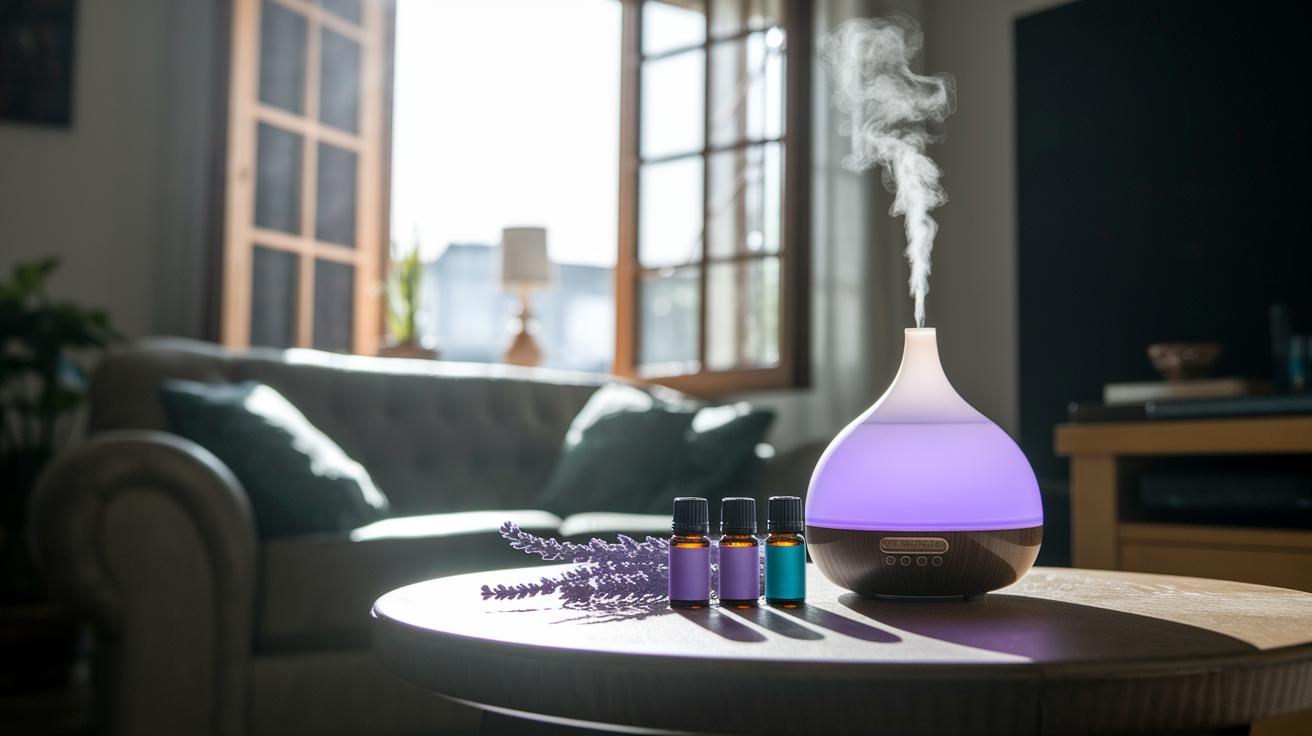
Scented candles, plug-in fresheners, and fabric sprays often hide phthalates and petroleum-derived fragrances under the word “parfum.” These compounds hitchhike on dust particles and can accumulate in household air. Instead, crack a window, simmer citrus peels and cinnamon sticks on the stove, or switch to pure beeswax candles that naturally neutralize odors. Essential-oil diffusers using lavender, sweet orange, or peppermint give your rooms spa vibes minus the chemical cloud. Bonus: a less perfumed home helps you cope with the heightened sense of smell many moms-to-be experience during the first trimester.
5. DIY Non-Toxic Cleaners with Pantry Staples
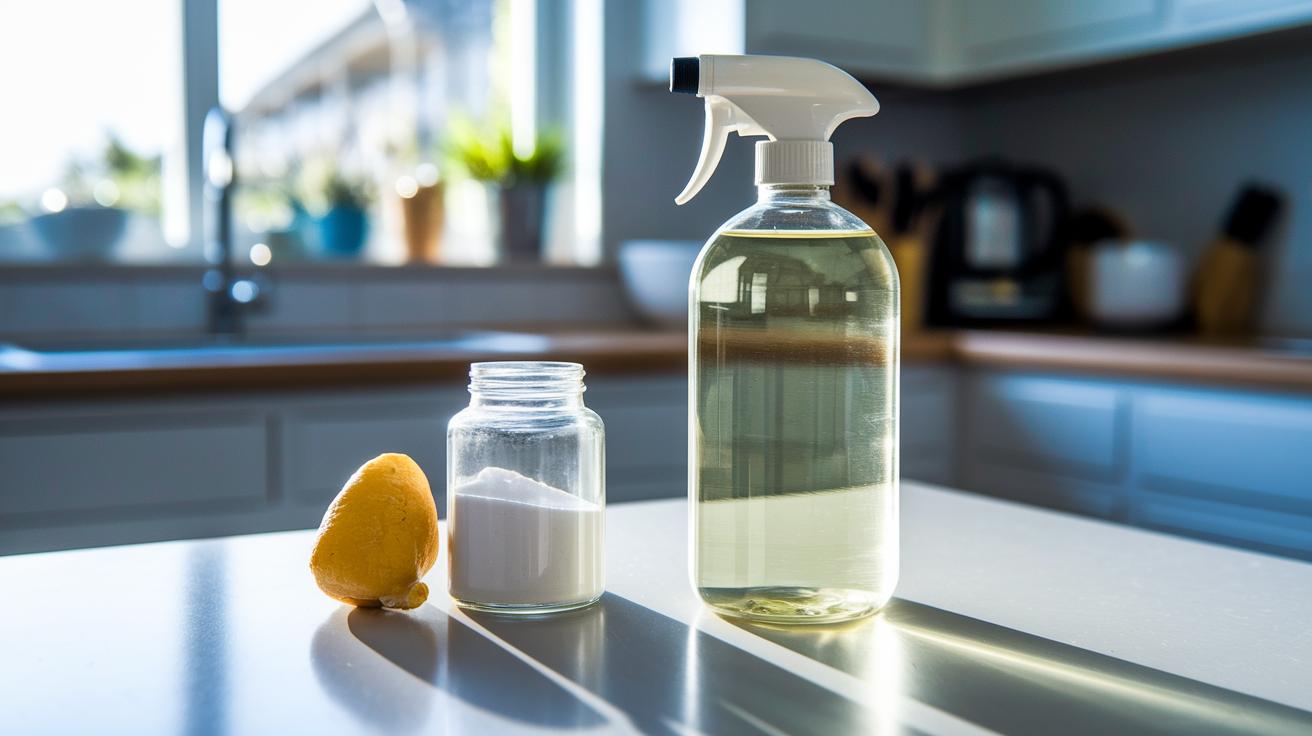
A sparkling countertop shouldn’t require a haz-mat suit. Combine distilled white vinegar, baking soda, and unscented castile soap to tackle almost every surface. Add a few drops of tea-tree or lemon essential oil for extra antibacterial power. A simple 1:1 mix of vinegar and water wipes windows streak-free, while a baking-soda paste scours ovens without lung-searing fumes. Stash the recipes in a mason jar, label a spray bottle, and you’ll spend pennies instead of dollars on cleaners, leaving more budget for the baby registry and zero worries about lingering bleach fumes.
6. Simplify Beauty Routines & Dodge Endocrine Disruptors
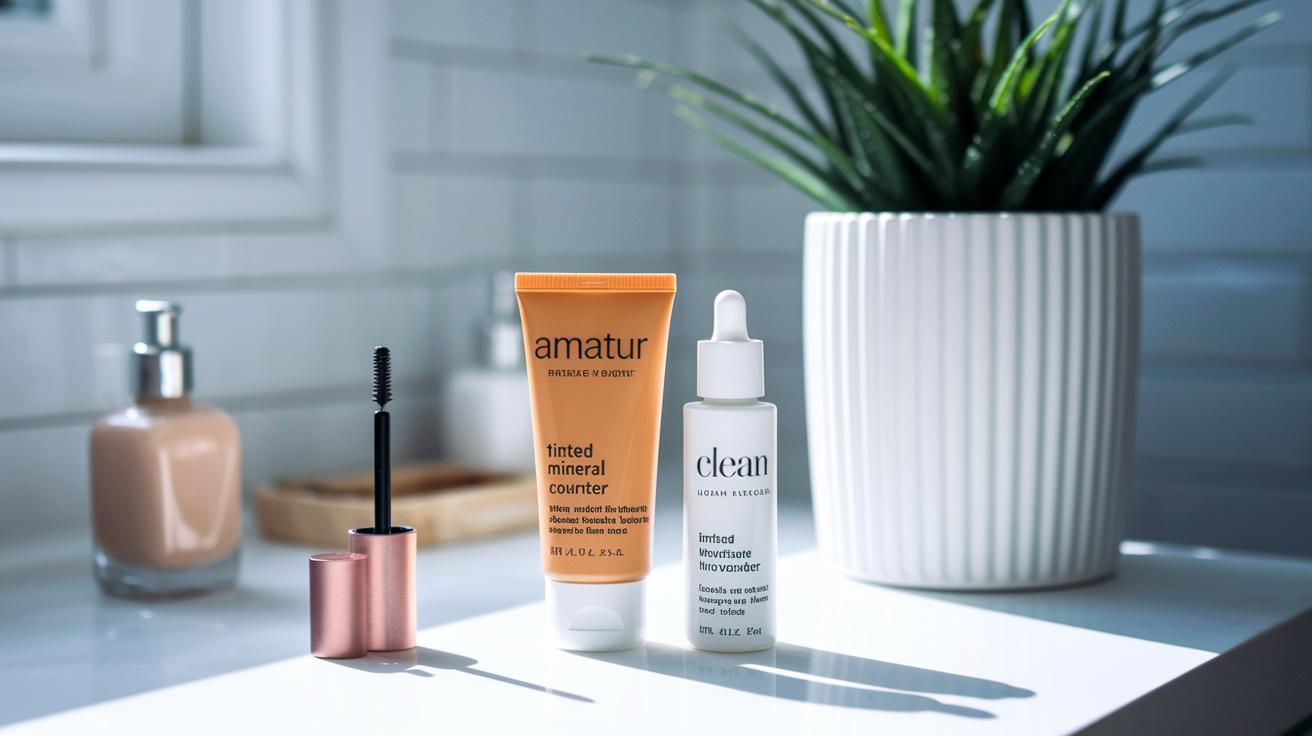
Many cosmetics contain parabens, formaldehyde releasers, and synthetic fragrances linked to hormonal imbalance. Audit your makeup bag like you would your pantry: keep multitaskers you truly love, ditch duplicates, and replace daily essentials with EWG-verified or organic formulas. A tinted mineral sunscreen, a jojoba-based moisturizer, and a clean mascara often cover 90 percent of everyday needs. Fewer products mean fewer ingredients to research, and less clutter on the bathroom counter when you’re juggling diaper changes down the line.
7. Ditch Aluminum Deodorant & Sweat Smarter
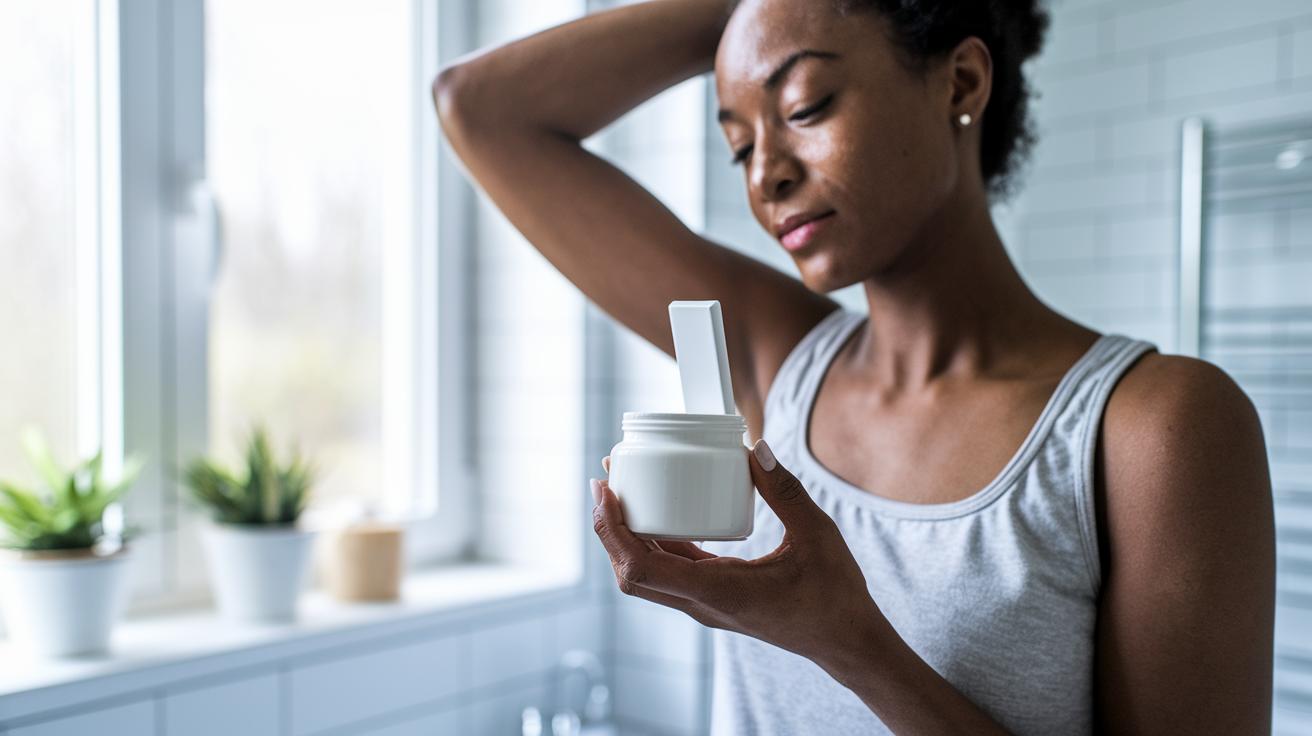
Traditional antiperspirants use aluminum salts to block sweat ducts, a controversial practice when hormone receptors are working overtime. Transition to a deodorant made from arrowroot powder, magnesium hydroxide, or baking soda. If irritation strikes, apply a thin layer of coconut oil first or look for sensitive-skin formulas with calendula. During the adjustment phase, sweat glands purge built-up toxins, so plan for a week or two of extra detox. Pair the switch with breathable cotton tops and you’ll stay comfortably fresh without the chemical baggage.
8. Upgrade Bedding: Cotton & Linen over Polyester
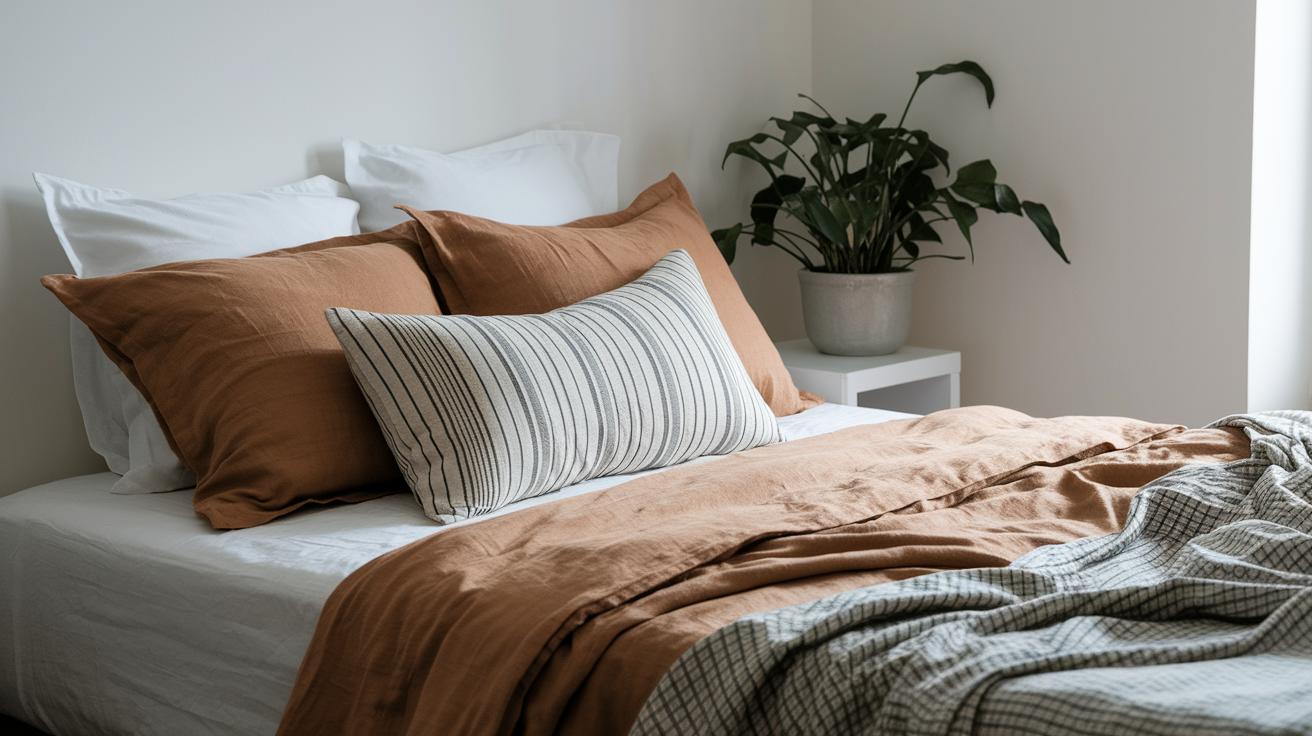
Polyester sheets may feel sleek, but they’re spun from plastic and can shed microfibers that migrate into household dust. Cotton and linen breathe better, wick moisture, and rarely require harsh flame-retardant chemicals. Look for GOTS-certified organic cotton in calming earth tones to encourage deeper sleep. Linen softens with every wash and naturally regulates temperature, ideal for the warm flashes pregnancy sometimes brings. Treat yourself to a supportive body pillow at the same time; the combined comfort boost can transform restless nights into restorative slumber.
9. Filter Your Water, Tap & Shower Alike
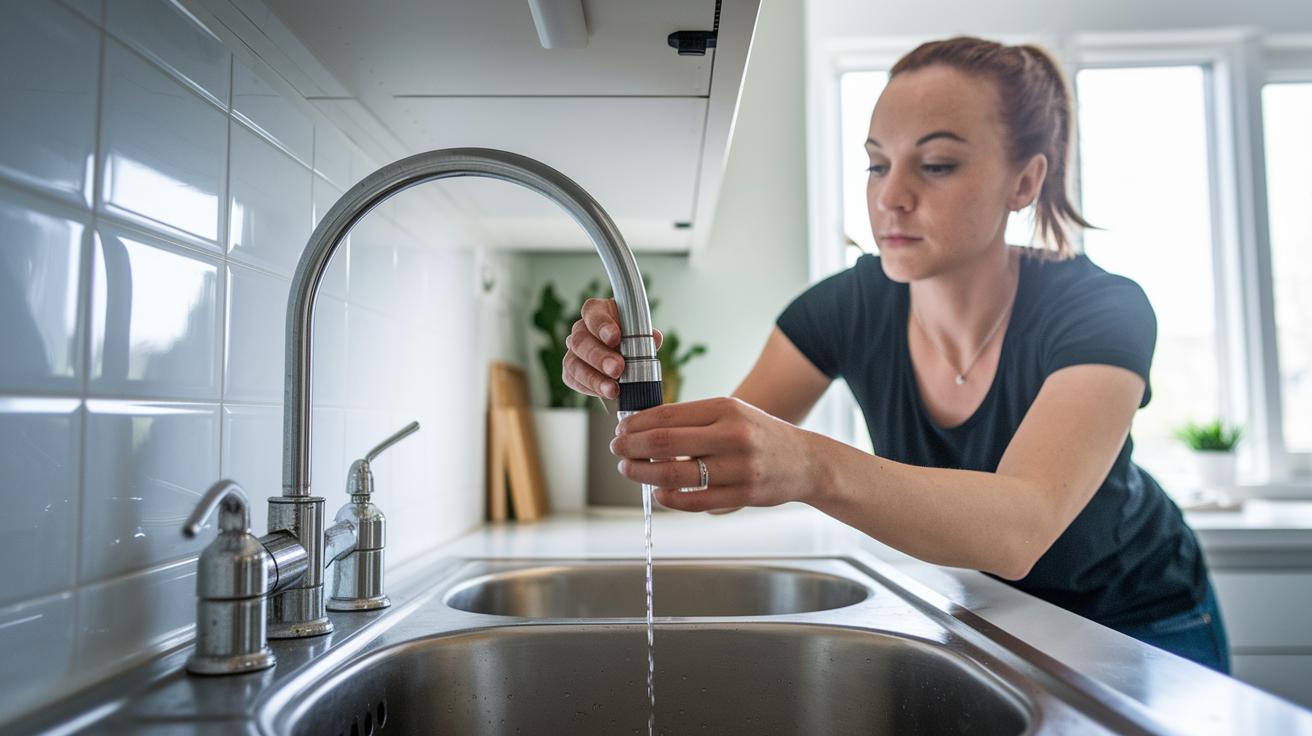
Municipal tap water often contains chlorine, fluoride, microplastics, and trace pharmaceuticals. A reverse-osmosis (RO) filter removes up to 99 percent of these impurities, giving you pristine H2O for soups, smoothies, and endless prenatal hydration. If installing an under-sink RO isn’t feasible, try a countertop gravity filter. Don’t forget the shower: hot water opens pores, making it easy for chlorine to enter the bloodstream. A simple vitamin-C shower filter or multi-stage unit reduces exposure, leaves skin less dry, and prevents that post-shower pool smell.
10. Cookware That Loves Your Baby Back
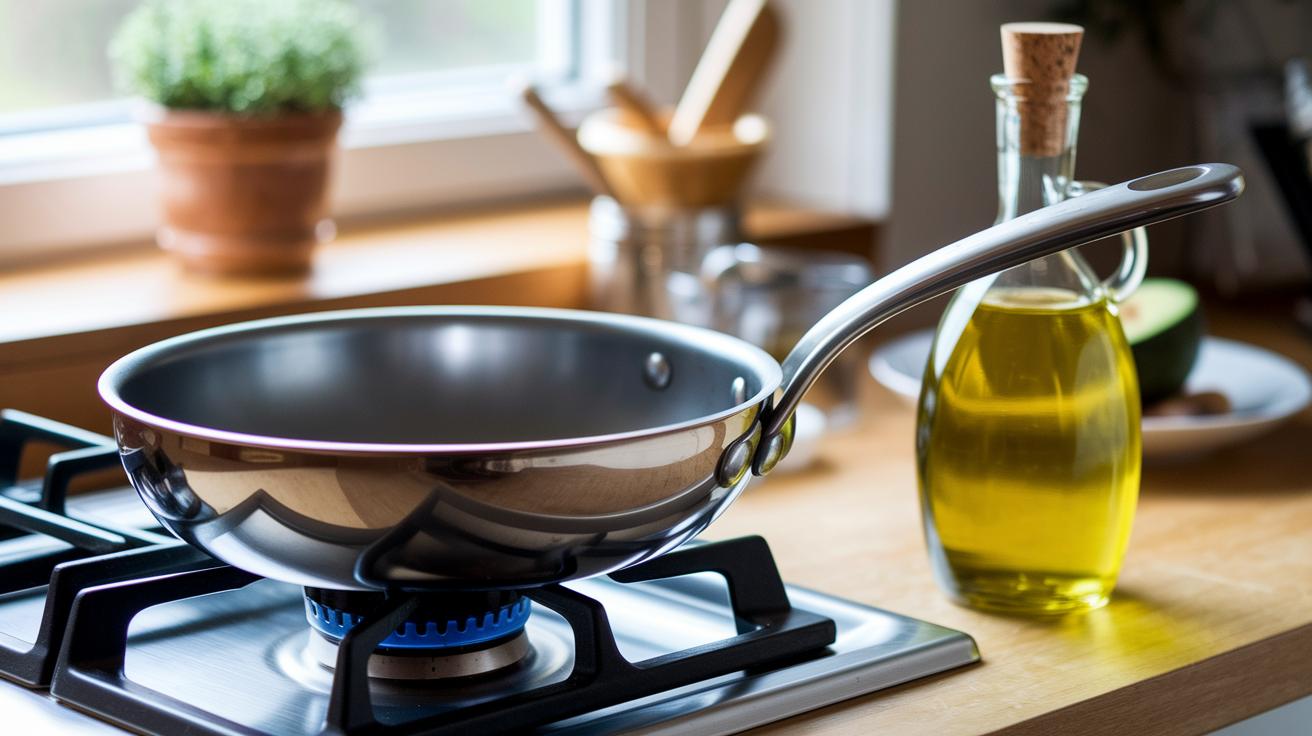
Non-stick pans coated with PTFE and PFOA can off-gas toxic fumes at medium-high heat and release flakes that wind up in food. Replace them gradually with stainless steel for searing, enameled cast iron for stews, and non-glazed ceramic for delicate eggs. Season cast-iron skillets with avocado oil to create a natural non-stick surface that actually boosts iron intake, a nutrient many pregnant women need more of. Hand-wash when possible and store with paper towels between pans to prevent scratching. A kitchen free of flaking coatings is a kitchen ready for baby’s first purée.