Have you ever wondered why some people seem to have a better grip on their own health? Consumer health informatics makes it easy for you to keep track of your medical information whenever you need it.
Imagine checking your test results on your phone and knowing just the right time to reach out to your doctor. The tools used in this field are clear and user-friendly, designed to make tracking your health simple and straightforward. As technology keeps getting better, these systems offer real benefits that help you make smarter choices about your care, putting you right in the center of your own healthcare team.
Defining Consumer Health Informatics: Purpose and Patient Empowerment
Consumer health informatics gives patients direct access to the medical details they need to take charge of their own care. It lets you check your health records, review your past tests, and make decisions quickly about your treatment. For example, you might look at your test results in your personal health record and then talk them over with your doctor. This approach helps you feel more confident and in control.
This field comes from biomedical informatics (using computers to improve health care) and keeps growing with our fast-changing technology. It uses user-friendly tools and real-time data to simplify health records. As technology continues to improve, these easy-to-use platforms make it simpler for you to get the right information to make good choices about your care.
Core Technologies and Platforms in Consumer Health Informatics
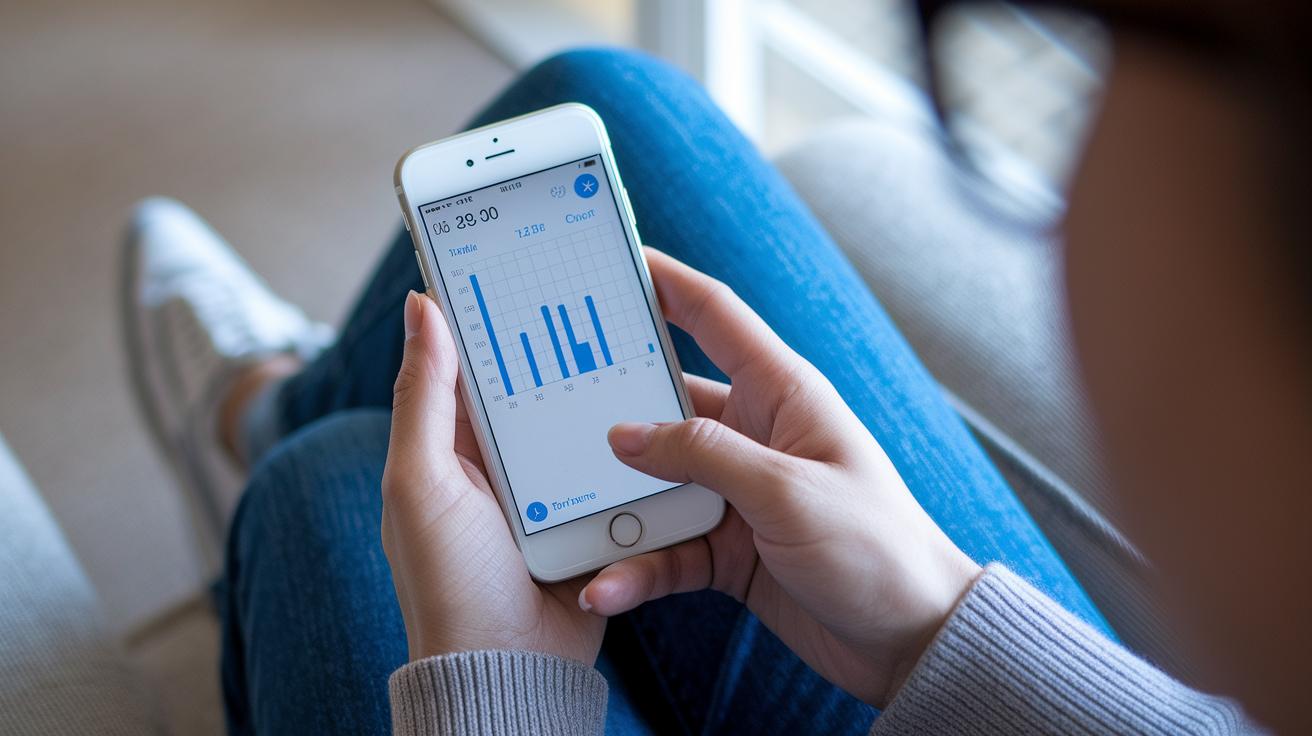
Technology makes taking care of yourself so much easier by letting you see your health information instantly. With modern tools like mobile apps and online portals, you can look up your medical records, track things like your blood pressure (or other key health signs), and even get reminders when it’s time for your medication or check-ups. Imagine your phone giving you a friendly nudge when it’s time to take your medicine or reminding you of an upcoming doctor’s visit. It’s like having a caring friend who’s always looking out for you.
| Tool | Function | Key Features |
|---|---|---|
| Patient Portal | Data Access | Live health records, secure messaging |
| Mobile Health App | Monitoring | Wearable integration, timely alerts |
| Personal Health Record | Summary | Combined history, test results |
| Decision Support System | Guidance | Community access, custom tips |
When these platforms work together, they give you a clear view of your health story. By merging easy access to data, helpful monitoring, and simple summaries with expert guidance, these tools help you understand your medical history better and make choices that fit your life. Think of them as a digital wellness toolkit that not only shares your health details but also helps you handle everyday care tasks with confidence. This team effort makes it easier to connect with your healthcare providers and take an active role in your own well-being.
Enhancing Patient Engagement and Outcomes Through Consumer Health Informatics
Online health portals have really changed how patients and doctors connect. Research tells us that about 70% of patients feel a closer bond with their healthcare team when they use these tools. With patient engagement tools, you can instantly check your test results, see your appointment details, and get advice made just for you. This setup helps you take charge of your health by letting you review your data before visits and join in conversations that truly focus on what you need.
Easy access to your health information builds stronger communication between you and your doctor. When you both review lab results and medical histories together, it makes planning your care easier and leads to treatment that's tailored just for you. Using these digital tools, you feel ready to ask questions and voice any concerns right then and there. This kind of teamwork boosts trust and clarity every time you meet.
Studies show that consumer health informatics can really improve how you take care of yourself, especially for long-term conditions. Tools like remote symptom monitoring and health trackers let you keep an eye on daily changes and adjust your routine as needed. When you actively use digital checklists and health trackers, you become an equal partner in handling issues like diabetes or high blood pressure (a condition where your blood pressure is too high). This added sense of ownership not only helps you stick to your treatment plan but also makes your overall quality of life better by giving you independence and confidence every day.
Data Privacy and Security in Consumer Health Informatics
Many patients, especially older adults or those with long-term health issues, often feel a bit uneasy about using digital health tools. They sometimes struggle with digital skills, which makes it hard to quickly find their way around secure systems. This can leave them worrying about who might see their personal details. When they aren’t sure how their information is treated, many choose to steer clear of digital portals or apps, missing out on the everyday benefits these tools can offer.
Strong security steps help ease these worries. For example, advanced encryption (a way to scramble data so only the right people can see it), strict access rules, and following legal guidelines all work together to keep patient data safe. Meeting data-protection standards, like those set out under HIPAA (a law that protects health information), plays a big part in building trust. When patients see that their data is guarded by secure systems, they feel much more comfortable using digital tools to handle their care.
Consumer Health Informatics Applications in Chronic Disease Management
Web portals give you real-time access to important health information, which is really useful if you’re managing a condition like diabetes. You can easily check your lab results, blood sugar numbers, and even food logs to feel more in control of your daily routine. When you log in, you’ll see your numbers along with advice from your care team, making self-care easier and more well-guided. Even research shows that patients who regularly use these portals tend to do better in managing their diabetes because they get clear, steady updates on their progress.
Mobile health apps work hand in hand with these online portals. They send you reminders when it’s time for your medication, help you keep an eye on your lifestyle habits, and even connect with wearable devices (like fitness trackers) to monitor things like your heart rate and sleep cycles. With these apps, you're immediately alerted to any changes that might need a doctor’s attention. With technology like this at your fingertips, managing a long-term condition becomes both more personalized and proactive – every small change in your health gets noticed and addressed right away.
Emerging Trends and Future Directions in Consumer Health Informatics

AI is changing how we manage our health by making everyday tasks easier, checking patient information for smarter decisions, and taking over routine work. These clever systems not only speed things up in healthcare but also help reduce mistakes and cut extra costs. For example, AI tools now handle appointment scheduling and billing automatically so that doctors and nurses can focus on the more demanding parts of patient care. Plus, with new data tools spotting health risks early, digital solutions are ready to step in before small issues turn into big problems.
- Predictive risk modeling in patient apps
- Voice-activated virtual health assistants
- Integration of wearables with remote check-ups
- Cloud-based plans tailored just for you
- More widespread use of telehealth services
These advances are a lot more than just the latest tech upgrades. They’re changing the very feel and function of healthcare for everyone. With predictive tools and virtual support stepping in, patients can look forward to care that really fits their needs. Imagine getting health tips right from your wearable or chatting with a virtual assistant that understands your symptoms as well as you do. This new wave of digital health is building patient confidence, letting people take charge of their own care, and turning everyday health management into a proactive, data-driven journey.
Final Words
In the action, we explored how consumer health informatics transforms patient care with timely access to essential medical details and user-friendly tech tools for better self-care. We touched on practical platforms, secure portals, and digital aids that boost effective communication between patients and providers.
Tech innovations like AI are set to propel these tools further, helping people make smarter decisions. This progress leaves us feeling hopeful about a future rooted in data and technology for improved health outcomes.
FAQ
Q: What are some examples of consumer health informatics?
A: The consumer health informatics examples include patient portals, mobile health apps, personal health records, telehealth services, and decision support systems that empower users to access real-time health data and manage their care.
Q: What kind of jobs exist in consumer health informatics?
A: The consumer health informatics jobs include roles like healthcare informaticist, data analyst, and tech support specialist who work to implement and manage digital tools that improve patient care and data access.
Q: What topics are typically covered in a Consumer Health Informatics PPT?
A: A Consumer Health Informatics PPT usually covers digital tools for patient data access, core technologies like mobile apps and portals, data security measures, and trends driving the evolution of healthcare delivery.
Q: What benefits does consumer health informatics offer?
A: The consumer health informatics benefits include easier access to personal health data, improved communication with providers, faster decision-making, and enhanced self-management of conditions leading to better health outcomes.
Q: How is consumer health informatics featured on Quizlet?
A: Consumer health informatics on Quizlet is presented through study sets and flashcards that simplify key terms, concepts, and examples, making it easier for learners to grasp how digital tools can empower patients.
Q: What does consumer health information mean?
A: The consumer health information refers to accessible, accurate medical data provided to patients, which helps them understand their health and actively participate in their care decisions.
Q: How has consumer health informatics evolved and what is public health informatics?
A: The field of consumer health informatics evolved from basic digital data access to interactive patient tools, while public health informatics uses population-level data to guide preventive strategies and shape community health initiatives.
Q: What are the five common applications of consumer health informatics?
A: The five common applications include patient portals, mobile health apps, personal health records, telehealth services, and decision support systems, all designed to boost self-care and enhance provider communication.
Q: What are the four types of informatics?
A: The four types of informatics are bioinformatics (biological data), clinical informatics (patient care data), public health informatics (community health data), and consumer health informatics (patient-centered digital tools).
Q: What does a healthcare informaticist do?
A: A healthcare informaticist manages digital health systems, streamlines data flow, supports clinical decision-making, and improves communication between patients and providers to enhance overall care delivery.