Have you ever wondered if what you eat could change your heartbeat? A balanced and tasty diet does more than fill you up, it helps keep your heart strong. Loading your plate with fruits, vegetables, whole grains, and lean proteins makes it easier to manage blood pressure (the force of your blood pushing against your arteries) and cholesterol.
A strong pulse means a healthier heart and a happier life. In this article, you'll discover some easy ways to put together meals that are not only delicious but also great for your heart.
Eating Healthy for the Heart: Enjoy Strong Pulse
Eating a balanced, plant-based diet can help keep your blood pressure in check, lower your "bad cholesterol" (LDL), and aid in managing your weight. Enjoy fruits and veggies in many forms, whether fresh, frozen, dried, or low-sodium canned, to load up on the nutrients that support your heart and keep your arteries clear.
Creating a heart-friendly eating plan starts with choosing high-quality ingredients that do your body good. And when you mix in at least 150 minutes of moderate exercise each week (like a brisk walk), you'll boost your overall well-being. For more helpful hints on eating well, check out these tips for healthy eating.
- Have 5–7 servings of fruits and vegetables every day, in any form you enjoy.
- Pick whole grains, such as oats, quinoa, or brown rice, instead of refined options.
- Choose lean proteins and plant-based options like beans, lentils, and fatty fish.
- Use healthy liquid plant oils like avocado, walnut, or extra-virgin olive oil.
- Cut back on foods and drinks with added sugars; try using a little maple syrup or honey instead.
- Cook with minimal salt and boost flavor with herbs, spices, or a squeeze of citrus.
- Limit alcohol and, if you need a tasty twist on water, add lemon or cucumber slices.
By focusing on nutrient quality, you're setting the stage for lasting heart health. A well-planned eating approach can help keep your blood pressure and cholesterol levels in check while supporting a strong heart and balanced lifestyle. It all adds up to a healthier life over time.
Top Heart-Friendly Foods for Eating Healthy for the Heart
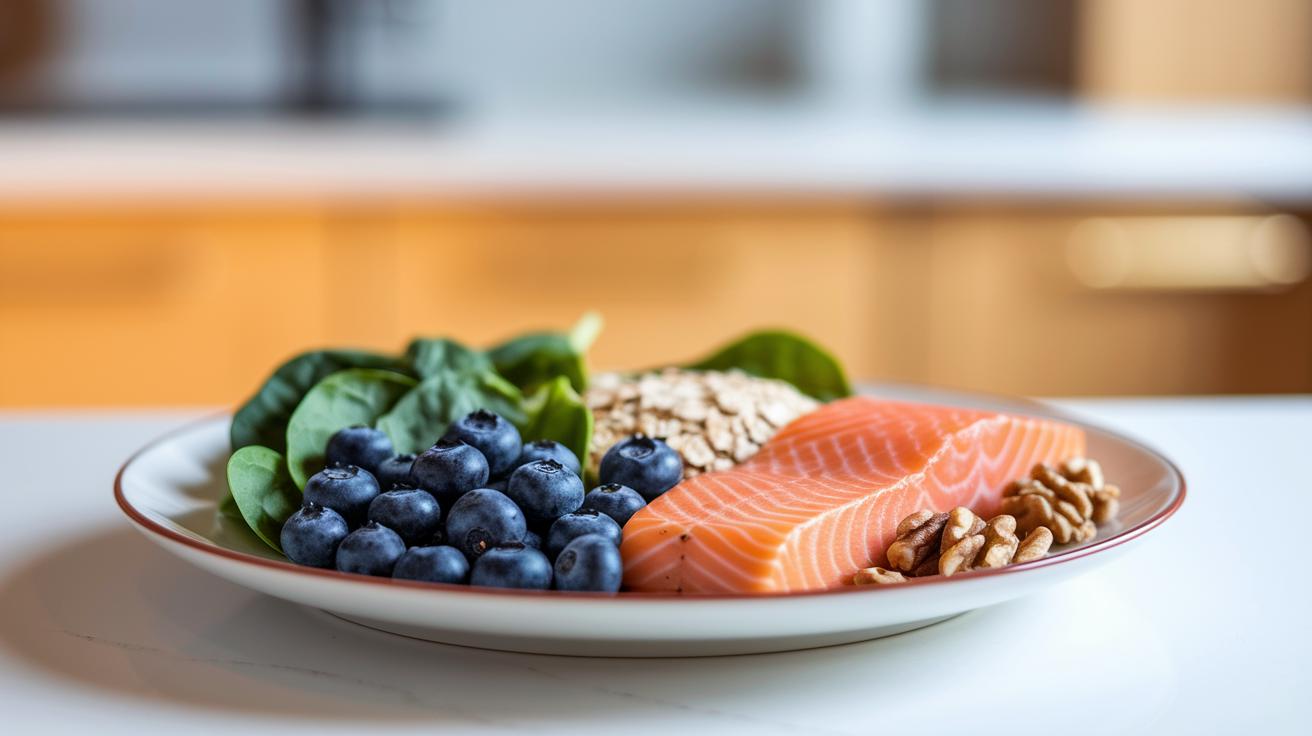
Fruits and veggies like berries and leafy greens are true heroes for your heart. Blueberries, whether you eat them fresh, frozen, or mixed into a snack, are loaded with antioxidants, which are natural defenders that help lower inflammation. Spinach and its green pals provide important vitamins and minerals to keep your blood vessels in check. Picture biting into a fresh blueberry and enjoying that little burst of flavor, it’s nature’s way of saying, “I’ve got your back!”
Whole grains such as oats and quinoa are another great choice. They’re packed with soluble fiber, a type of fiber that helps lower bad cholesterol and keeps your arteries clear. And don’t forget fatty fish like salmon or mackerel. These fish offer omega-3 fats (good fats that help keep your blood flowing smoothly and reduce clotting risks) that are key for heart health.
Nuts and seeds, like walnuts and flaxseeds, also bring plant-based omega-3s plus magnesium, which supports muscle health. A splash of olive oil, with its heart-friendly monounsaturated fats, adds even more goodness. Beans and legumes round out your meal by offering extra magnesium, potassium, and plant protein.
Together, these foods form a balanced, heart-friendly plate filled with fiber and anti-inflammatory ingredients. Eating them regularly helps maintain good circulation, lowers inflammation, and boosts overall heart function. It’s amazing how simple choices in your diet can make such a big difference in keeping your heart strong!
Crafting a Heart-Healthy Meal Plan
Imagine putting together a balanced puzzle that treats your heart right. Each week, plan your meals like this: add a little fruit, some veggies, whole grains, lean proteins, and healthy fats to every day. You might follow ideas from popular diets like DASH or the Mediterranean way of eating.
For breakfast, keep it light and satisfying. Picture a warm bowl of oatmeal topped with a handful of berries. This meal not only offers fiber that helps lower cholesterol (fighting high levels of fat in your blood) but also gives you a bit of natural sweetness to start your day. At lunch, whip up a hearty salad filled with greens and beans; the protein from the beans and natural fiber from the greens work together to help keep your blood pressure steady.
Dinner could be just as delightful. Try enjoying a piece of grilled fish alongside a serving of quinoa. The fish dishes are rich in omega-3 fats (good fats that support smooth blood flow), while the quinoa gives you a nourishing whole grain to round out your meal.
Snacks are important too. Keep simple options like apple slices or a small handful of nuts handy for a quick, nutritious boost between meals. A neat trick is to batch-cook key ingredients such as grains and proteins. By preparing these in advance, you can easily throw together a wholesome meal any day. For more ideas, you might want to explore these meal planning strategies.
A drizzle of a homemade dressing made with olive oil, a splash of vinegar, and some fresh herbs can add just the right touch of flavor without extra salt. This clear, organized plan not only makes shopping easier but also helps you stick to a consistent, heart-healthy eating routine.
Limiting Harmful Ingredients While Eating Healthy for the Heart

Cutting back on unhealthy ingredients is key for a happy heart. Keeping saturated fat to less than 10% of your daily calories helps prevent "bad" cholesterol from clogging your arteries. Instead of red meat or high-fat dairy, try lean proteins like fish or tofu. These swaps give your body a gentler, heart-friendly boost while keeping your arteries clear.
Salt is another ingredient to watch. Staying under 2,300 mg a day can help keep your blood pressure in check and ease stress on your heart. Rather than reaching for the salt shaker, why not add a handful of fresh herbs, spices, or a splash of citrus? It really brightens up your meal without flooding it with extra salt.
Added sugars also count. Keeping these to less than 5% of your calories can help avoid extra weight gain and keep your metabolism running smoothly. A little drizzle of maple syrup or a small spoonful of honey can still satisfy your sweet tooth, especially when you choose whole foods most of the time.
And don’t forget about alcohol, sip it in moderation. One drink a day for women and up to two for men is the sweet spot. Following these simple choices can lower your blood pressure and protect your heart, making everyday meals a step toward lasting heart health.
Daily Habits for Maintaining a Heart-Healthy Diet
Start your day by taking a few small steps that help keep your heart healthy. Begin with a simple checklist that reminds you to plan meals, drink water, and take short breaks to note what you eat. Think of it as setting mini-goals that guide your day.
Make a quick morning list that covers:
- A 10-minute session to plan your meals and snacks.
- A set time at breakfast to enjoy a glass of water.
- A brief look at your food log from the day before.
For example, you might write, "Today, I plan to have 3 servings of fruit, 4 servings of vegetables, and 2 servings of lean protein."
Create fixed times for snacks filled with foods that give you energy:
- Pack a small container of nuts or veggie sticks early in the day to grab on the go.
- Take about 5 minutes in mid-morning and again in the mid-afternoon for a healthy bite.
- Use a timer or alarm to help you stick to these snack times.
Dedicate specific periods for drinking water:
- Track your water or unsweetened tea every couple of hours.
- Check off or mark each glass as you finish to see your progress throughout the day.
Before you wind down, spend a few minutes reviewing your day:
- Use about 5 minutes in the evening to log what you ate and think over what worked well.
- Note one small change you’d like to make for tomorrow.
| Time | Activity |
|---|---|
| Morning | Set goals, plan meals, and enjoy a glass of water |
| Mid-Morning & Mid-Afternoon | Have your pre-planned, nutrient-rich snacks on schedule |
| Evening | Review your food log and adjust your plan for the next day |
Try these daily habits to keep your heart-friendly eating plan on track. They put a personal touch on meal planning and help you feel connected to your health with clear, set times and gentle reminders throughout the day.
Final Words
In the action of safeguarding your heart, the post covered how your daily diet can shape blood pressure, cholesterol, and body weight. It explained how key foods like fruits, whole grains, lean proteins, and healthy oils come together to support lasting heart health. Practical tips on meal planning and daily routines also made it clear that even small changes matter. Embracing eating healthy for the heart can lead to a positive shift in your overall well-being. Here's to making heart-smart choices every day!
FAQ
What are 25 heart-healthy foods?
The list of 25 heart-healthy foods includes a mix of fruits, vegetables, whole grains, lean proteins, fatty fish, nuts, seeds, and healthy oils—all of which support good blood pressure, cholesterol, and overall heart function.
What is the best diet for heart disease reversal?
The best diet for heart disease reversal focuses on whole, plant-based foods, lean proteins, and low saturated fat, helping to lower high blood pressure and reduce harmful cholesterol for improved heart health.
What are bad foods for the heart?
The bad foods for the heart are those high in saturated fats, added sugars, refined carbohydrates, and excess salt, as these items contribute to higher blood pressure, cholesterol buildup, and increased heart risks.
What is a heart attack diet menu?
The heart attack diet menu centers on nutrient-dense meals that include plenty of fruits, vegetables, whole grains, lean proteins, and healthy fats while limiting sodium, sugars, and processed ingredients to support recovery.
What are heart healthy recipes?
The heart healthy recipes mix ingredients such as fresh fruits, vegetables, whole grains, lean meats or plant proteins, and healthy fats while using minimal salt and sugar, promoting steady heart function.
What does a diet chart for heart patients or a 7-day cardiac diet menu include?
The diet chart for heart patients is a balanced plan outlining daily servings of fruits, vegetables, whole grains, lean proteins, and healthy fats, typically arranged over a 7-day schedule for better heart management.
What are 10 ways to keep your heart healthy?
The 10 ways to keep your heart healthy include regular physical activity, balanced eating, limiting salt and sugar, staying hydrated, managing stress, getting enough sleep, and avoiding smoking to support heart function.
What is the 7 second trick to prevent a heart attack?
The 7 second trick to prevent a heart attack is not backed by science; instead, consistent healthy eating, regular exercise, and managing risk factors are proven methods to protect your heart.
What are three foods cardiologists say not to eat?
The three foods cardiologists advised against generally include processed meats, sugary drinks, and deep-fried items, as they are linked to increased bad cholesterol, high blood pressure, and heart disease risk.
What is the 3 day heart attack diet?
The 3 day heart attack diet is a short-term eating plan aimed at reducing inflammation and supporting heart function quickly, though longer-term dietary changes are necessary for lasting cardiovascular benefits.
What is the one snack cardiologists want you to eat for a healthier heart?
The one snack cardiologists recommend is a small handful of nuts, as it provides heart-friendly fats, protein, and fiber that help maintain steady blood cholesterol and support overall heart health.