Have you ever noticed that eating at the right times might help keep your energy consistent all day? A regular meal schedule can be just what you need to feel alert and powered up. When you plan your breakfast, snacks, lunch, and dinner around the same time every day, you give your body the steady fuel it craves, much like how a car runs best on the right kind of gas. This simple guide will walk you through an easy plan designed to boost your energy from the early morning hours until nightfall.
Healthy Eating Schedule: Energize Your Daily Meals
When you plan your meals at regular times, you help your body stay fueled and ready for the day. Eating breakfast within an hour of waking up kick-starts your metabolism and sets you up for steady energy. Think of it as giving your body the quality fuel it needs to run smoothly all day.
| Meal | Time Window | Key Components |
|---|---|---|
| Breakfast | 6:00–9:45 AM | Lean protein (like eggs or tofu), low-sugar fruits (such as berries or apples), and complex carbs (oats or whole wheat toast) |
| Morning Snack | Approximately 10:00–10:30 AM | A light option like a small piece of fruit, a handful of nuts, or yogurt |
| Lunch | 11:00 AM–Noon (if breakfast was at 7 AM) | A balanced meal with lean protein, veggies, and whole grains; add a snack if lunch is delayed until 2 PM |
| Afternoon Snack | Around 3:00–4:00 PM | An energy-boosting bite like fruit or nuts to tide you over until dinner |
| Dinner | 4–5 hours after lunch | A meal with lean protein, vegetables, and whole grains; consider a snack if dinner is served too early or too late |
Keeping a steady meal routine not only helps keep your energy levels balanced but also makes it easier to focus throughout the day. Stick with this simple plan, and your body and mind will thank you for the regular, nutritious boost.
Benefits of a Healthy Eating Schedule for Energy and Wellness
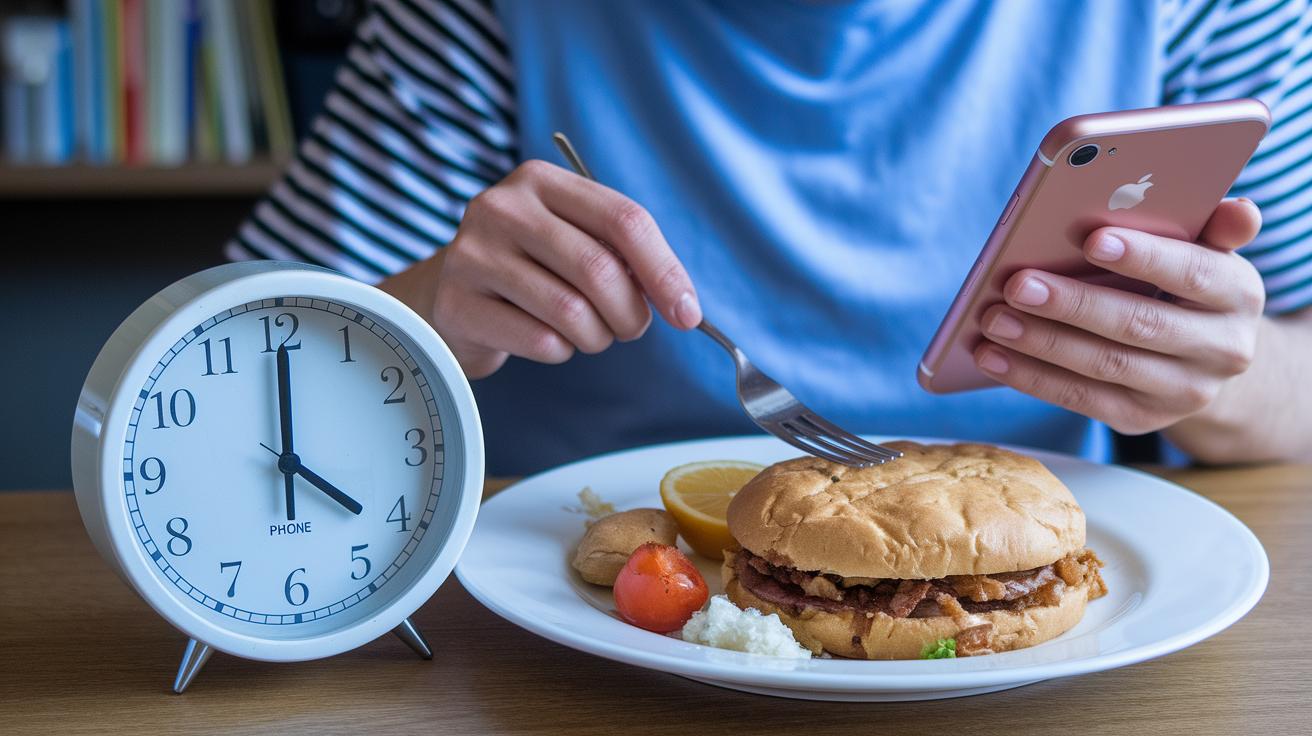
Sticking to a regular meal schedule helps your body know when to expect food. This steady routine gives you smooth energy throughout the day. It’s just like setting your watch so that your body clock stays in tune.
A meal plan can also lower the chance of heart problems, stroke, and diabetes (high blood sugar). Eating at set times keeps your blood sugar steady and supports overall health. Have you ever noticed how simple healthy eating can be? With a regular pattern, you take the guesswork out of your day.
Taking time to enjoy each meal boosts your digestion and overall satisfaction. Eating slowly gives your stomach a chance to work well and helps you really taste your food. When your body gets its nutrients on time, it’s less likely to crave extra snacks, leaving you feeling full and content.
Key Meal Timing Strategies in Your Healthy Eating Schedule
Stick to your normal meal times and try not to eat while you’re on the go. When you rush through eating, your body might not digest food properly, kind of like missing out on the warm comfort of a homemade meal because you had to grab something quickly.
Take a seat during every meal to help your digestion and let your body absorb those vital nutrients. Eating in a calm, distraction-free setting, without phones or TVs, lets you enjoy every bite. Imagine biting into a crisp apple, noticing its refreshing crunch and sweet smell.
Keep following your meal timetable to avoid unnecessary snacking between meals. This simple routine helps maintain steady energy levels throughout your day.
By choosing to eat mindfully, you not only savor the flavors more deeply but also give your body the best chance to get the nourishment it needs.
Practical Tips for a Consistent Healthy Eating Schedule on Busy Days
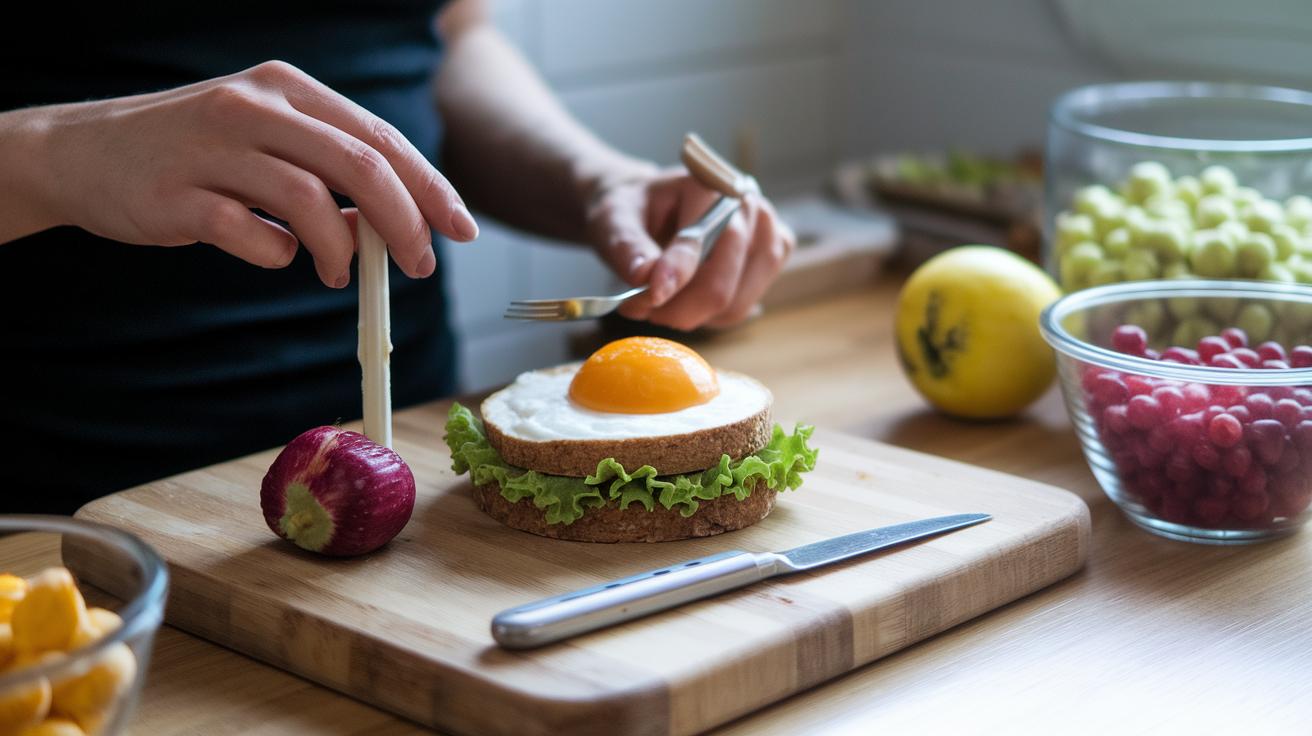
When life gets hectic, sticking to a regular meal routine can really boost your energy and help you feel better overall. Even if you barely feel an appetite in the morning, having a bit of breakfast can keep your hunger balanced and set a steady pace for the day. Here are six simple strategies to help you keep your meal times on track even when you’re racing around:
- Have breakfast even if you’re not really hungry. A light, healthy bite can set a good tone for your day.
- Whip up quick, nutrient-rich meals using everyday ingredients so that you still get the nourishment you need when time is short.
- Take 5–10 minutes to really sit down and enjoy your meal. That short pause gives your body the chance to digest and relax.
- Keep handy snacks like a small handful of nuts or a cup of yogurt ready for those unexpected busy moments.
- Try not to get lost scrolling through social media looking for new recipes. Stick to your planned meal times to avoid distractions and keep your routine steady.
- Use your phone or a simple planner to remind you when it’s time to eat. A little nudge can be just what you need to maintain consistency even on the most chaotic days.
By following these easy tips, you can stick to a steady eating schedule and power through your day with balanced nutrition, even when time is short.
Combining Time-Restricted Eating with a Healthy Eating Schedule
Time-restricted eating means you eat all your meals within a set block of time each day. This method can help manage your weight and make sure you're getting a mix of proteins, fats, and carbs for energy. When your body knows exactly when it will get food, it might use energy more wisely and lower risks for issues like heart problems and high blood sugar (diabetes).
Sticking to a strict eating window can be a bit tricky sometimes. Life, like work or family matters, can easily shift your schedule, and that might make you miss a meal or eat too late. That’s why having a clear daily plan is so important. When you follow a set meal routine, you give your body the steady fuel it needs, which can help you feel great without added stress.
Practical Steps to Integrate Eating Windows
- Pick an 8-hour window that fits naturally with your day.
- Schedule your breakfast, lunch, and dinner so that there’s a steady gap between meals.
- Keep an eye on your meal times to make sure you stick to your window and get a balanced mix of nutrients.
Tools and Templates to Customize Your Healthy Eating Schedule
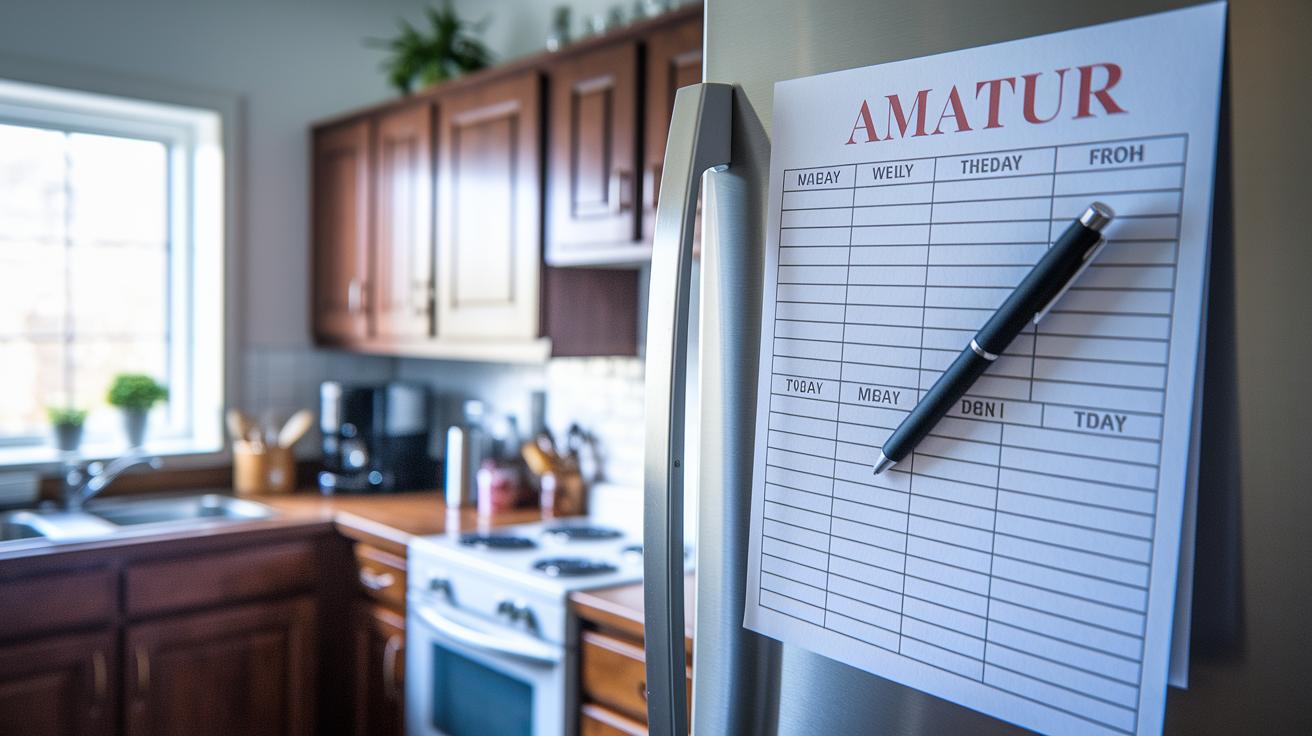
Printable weekly meal calendars are a time-tested way to plan your meals and snacks. They let you mark down your weekly eating plan while giving you a clear view of when to enjoy each bite. Imagine a paper calendar on your fridge with simple charts to show meal and snack times; it’s a friendly reminder that can make you more mindful about portion control, especially if you love the feel of pen on paper and checking off your progress.
Digital apps and reminder tools are a smart alternative if you prefer modern convenience. Many smartphone apps send you gentle nudges to eat at regular intervals. They also let you log meals, keep track of nutrients, and adjust your plan on busy days. Using one of these apps can bring more flexibility to your daily routine, and guess what? It might just make your hectic schedule feel a bit more balanced.
Keeping a habit-tracking journal can add an extra layer of support to your meal planning. Whether it’s a traditional journal or an online tool (like the one you can find under healthy eating habits), writing down your progress lets you see patterns in your meal timing and portion sizes. Over time, you’ll notice small changes that make your healthy eating routine even better.
Final Words
In the action, this article reviewed a daily routine that supports a balanced diet and steady energy. It shared meal timing strategies, practical tips on busy days, and even the basics of combining time-restricted eating with a healthy eating schedule.
We broke down how each meal plays a role in keeping hunger cues in check and supporting overall well-being. Sticking to a structured meal routine makes it easier to enjoy nutritious foods and feel great. Here's to making every meal count!