Have you ever thought that healthy food is boring? Think again. Mediterranean dishes show us that good taste and good nutrition can go hand in hand. Picture shiny tomatoes, crunchy cucumbers, and colorful bell peppers dressed with olive oil. These familiar flavors make balanced meals exciting and delicious. We’ve put together some classic picks from Greece, Italy, and Spain that not only boost your health but also make your plate look vibrant. Ready to try meals that feel fresh and satisfying? Let’s dive in and explore these tasty choices together.
Mediterranean diet food list: Nutritious Picks
This list brings together the foods that form the heart of a Mediterranean diet. These ingredients come from classic traditions in Greece, Italy, and Spain. Imagine a plate with sun-ripened tomatoes, crisp cucumbers, and bright bell peppers, all drizzled with extra virgin olive oil. These fresh vegetables pack vitamins and antioxidants while keeping your meal balanced.
Fruits also shine in this eating style. Picture a mix of oranges, grapes, and figs bursting with natural sweetness and fiber. They not only boost flavor but also deliver key nutrients that help keep you feeling your best.
Whole grains and legumes are essential, too. Items like whole-grain bread, brown rice, and quinoa offer important fiber and protein. And when you mix in some beans or lentils, you’re adding extra energy to your day. A little tip: toss a handful of steamed lentils into your salad for a boost of B-vitamins and fiber.
Seafood such as salmon and sardines play a key role as well. They provide lean protein and omega-3 fatty acids (healthy fats that support your heart). This choice fits perfectly with the frequent use of healthful fats like extra virgin olive oil in Mediterranean dishes.
Every category here offers its own rich benefits and echoes the tradition of relaxed, shared meals with family and friends. Each section builds on this clear, balanced approach to healthy eating.
Mediterranean Diet Food List: Fresh Vegetable and Vibrant Fruit Assortment
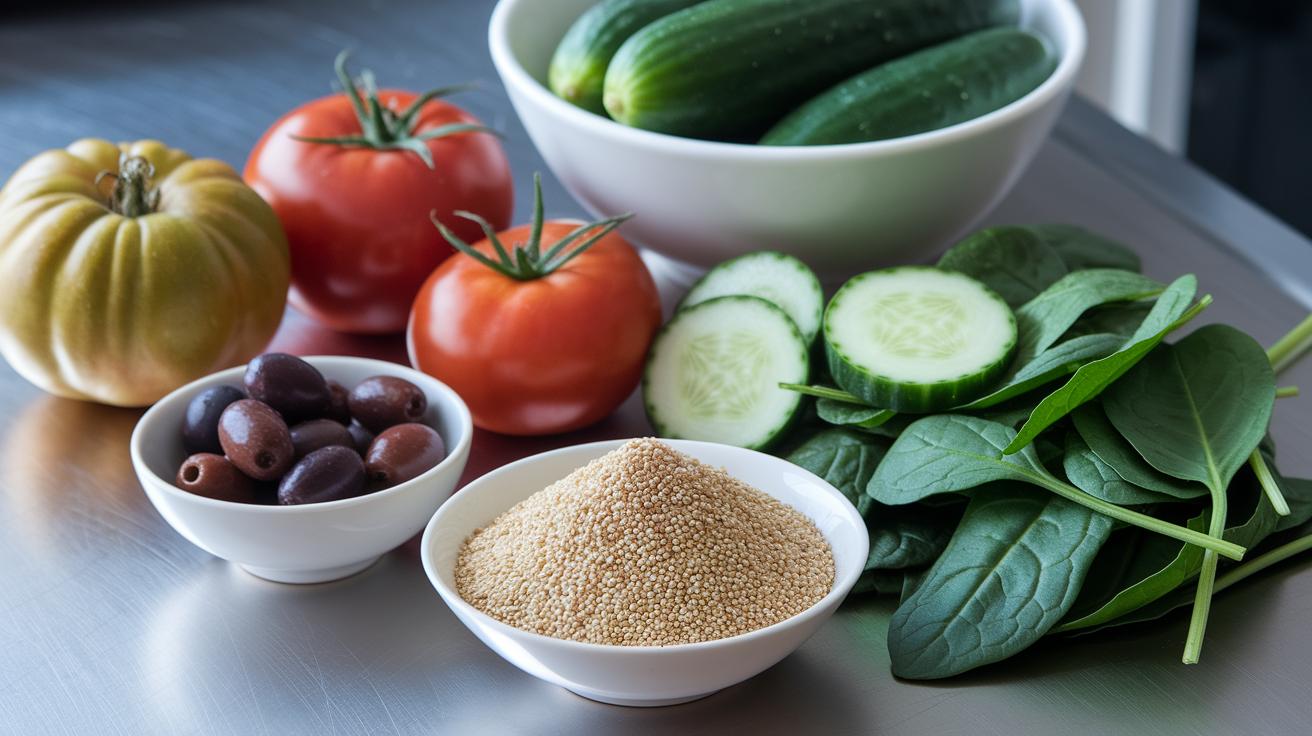
This section offers easy-to-understand nutritional tips and meal ideas in one handy guide. Vegetables like tomatoes, spinach, bell peppers, and cucumbers pack a punch of vitamins, fiber, and antioxidants. For example, did you know tomatoes have lycopene, a natural compound that gives them their deep color and may help your body stay healthy?
A colorful mix of fruits such as oranges, grapes, figs, and berries not only adds a burst of vitamin C and phytonutrients but also a touch of natural sweetness. Have you ever noticed how a handful of fresh berries can completely brighten up your morning oatmeal?
Here are a few simple ways to enjoy these delicious fruits and vegetables:
- Mix spinach and cucumbers into a lunchtime wrap.
- Top your breakfast cereal with sliced figs and grapes.
- Enjoy a raw salad featuring bell peppers and tomatoes for a cool, refreshing side dish.
Mediterranean Diet Food List: Whole Grains, Legumes, Nuts & Seed Highlights
Whole grains like whole-grain bread, brown rice, and quinoa form the heart of a Mediterranean meal plan that’s as tasty as it is healthy. They pack plenty of fiber (which helps your digestion) and B-vitamins to keep your energy steady. Imagine enjoying a warm bowl of quinoa salad with a squeeze of fresh lemon, it’s a simple, delicious boost for your day.
Legumes such as beans and lentils are another great pick. They offer lean protein and extra fiber without any fuss. Picture a cozy bean stew with juicy diced tomatoes and a handful of herbs, it’s filling without feeling heavy.
Nuts, think almonds and walnuts, add a satisfying crunch along with healthy fats that care for your heart. They’re rich in antioxidants too, which help your body tackle everyday stress. Try sprinkling a few walnuts over your salad or blending almonds into a creamy dip for a real treat.
Seeds like chia and flax are small but mighty, loaded with omega fatty acids (good fats for your heart) and fiber. A little sprinkle of chia seeds in your morning smoothie can turn it into a nutrient-packed delight.
Check out these easy ideas for enjoying these foods:
- Have a slice of whole-grain bread with your meal.
- Add a handful of legumes to your soup or salad.
- Sprinkle chopped nuts into your yogurt or oatmeal.
- Stir a teaspoon of seeds into your favorite drink.
These simple tips show just how easy it can be to bring a balanced mix of whole grains, legumes, nuts, and seeds into your daily eating routine.
Mediterranean Diet Food List: Olive Oil, Healthy Fats & Dairy Alternatives
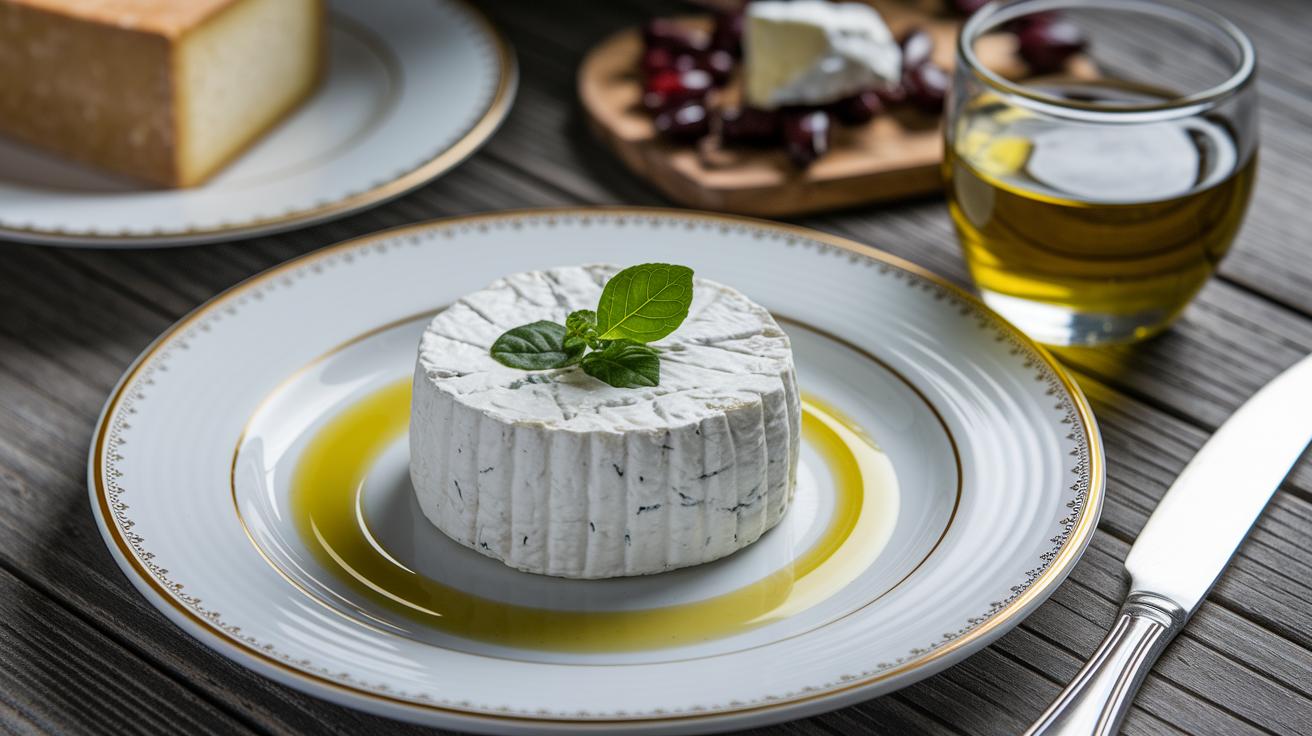
Extra virgin olive oil is the go-to choice for healthy fats. It’s loaded with monounsaturated fats and antioxidants that work hard to support your heart and overall well-being. Picture yourself drizzling a bit of olive oil over a fresh salad, you not only boost the flavor but also give your heart a little extra love. A simple trick is to use olive oil instead of butter when you’re cooking vegetables.
When it comes to dairy, the Mediterranean diet keeps things light. Traditional cheeses and fermented dairy provide protein and calcium in just the right amounts. Imagine enjoying a small cheese plate with a few slices of feta or goat cheese beside a piece of hearty whole-grain bread for a tasty, balanced snack.
If you’re after lighter options, plant-based or low-fat dairy choices are a smart move to cut down on saturated fats. Try stirring some unsweetened almond milk into your morning cereal or topping off your fruit bowl with a dollop of low-fat yogurt.
Consider these simple tips:
- Drizzle olive oil on steamed greens.
- Sprinkle a bit of cheese over a fresh salad.
- Mix in low-fat, plant-based dairy alternatives into your favorite recipes.
Mediterranean Diet Food List: Seafood, Poultry & Lean Meat Options for Heart Health
Fish like salmon, sardines, and shellfish are loaded with protein and omega-3 fatty acids (healthy fats that help your heart by lowering cholesterol and easing inflammation). Picture a warm, grilled salmon fillet with a splash of lemon, the natural oils and tangy zest make a meal that’s as good for your taste buds as it is for your heart.
Chicken and turkey, especially when they’re grass-fed, are also great choices. They offer more omega-3 and antioxidants compared to birds raised on grains. Think of a simple roasted chicken breast sprinkled with herbs that not only fills you up but also supports your heart. It’s all about balance, so enjoy these lean meats in moderation as part of a varied, heart-friendly meal plan.
Here are some easy ways to add these foods to your day:
- Try a seared salmon steak paired with a bowl of steamed vegetables.
- Make a refreshing chicken salad with mixed greens and a light drizzle of olive oil.
- Enjoy a warm bowl of seafood soup featuring sardines and shrimp.
Each option brings tasty flavors and quality nutrients, helping you stick to a balanced Mediterranean diet every day.
Mediterranean Diet Food List: Herbs, Spices & Meal Planning Strategy

Herbs such as oregano, basil, and rosemary add a truly fresh taste to your dishes without adding any extra calories. Spices like cumin and turmeric bring warmth, natural color, and valuable nutrients to your food. For example, a pinch of turmeric in your vegetable stew can brighten both its flavor and look.
Planning balanced meals is key to enjoying these great flavors every day. Try setting aside a little time each week to map out your menu. Write a simple shopping list with fresh basil, rosemary sprigs, cumin, and turmeric. Using a helpful guide might even lead you to seasonal ingredients that keep your meals exciting and varied.
Meal prepping can turn a hectic day into a series of enjoyable, tasty moments. You might chop your herbs ahead of time and store them in a cool spot, so they're ready when you need to add that extra burst of flavor. A quick trick is to mix your chopped herbs with a bit of olive oil to create a speedy, flavorful dressing perfect for salads or roasted veggies.
For more ideas on planning your meals and making the most of these ingredients, check out more healthy eating tips at https://healthandwealth101.com?p=415.
Final Words
In the action, we reviewed whole ingredients, from fresh fruits and veggies to whole grains, lean proteins, and flavorful herbs. The blog post broke down each category with simple ways to add them to everyday meals. It showed you how a balanced menu improves your overall well-being and helps you manage stress and boost physical fitness. By using our mediterranean diet food list, you can enjoy delicious meals and take small steps toward a healthier lifestyle. Keep it simple, stay positive, and feel great every day.
FAQ
Frequently Asked Questions
What does a Mediterranean diet meal plan include?
A Mediterranean diet meal plan includes whole grains, vibrant fruits and vegetables, lean proteins like seafood and poultry, healthy fats such as extra virgin olive oil, and moderate portions of dairy, all designed to support balanced nutrition and heart health.
Where can I find a downloadable Mediterranean diet food list?
You can locate a free downloadable Mediterranean diet food list in PDF format that outlines key food groups—fresh produce, whole grains, lean proteins, and healthy fats—to help you create balanced meals.
What should beginners focus on in a Mediterranean diet food list?
Beginners should start with simple, wholesome choices like colorful vegetables, fruits, whole grains, legumes, lean proteins, and healthy fats. This selection provides a strong foundation for healthy eating.
How is a Mediterranean diet food list adapted for weight loss?
A weight loss version of the Mediterranean diet food list emphasizes nutrient-dense foods such as leafy greens, lean proteins, and whole grains, while encouraging controlled portions and balanced meals to support gradual, healthy weight loss.
What are Mediterranean diet recipes based on?
Mediterranean diet recipes are based on fresh vegetables, fruits, whole grains, lean proteins, and olive oil. These recipes create balanced meals that celebrate natural flavors using simple, healthful preparation methods.
What items should be avoided on a Mediterranean diet?
The Mediterranean diet encourages you to avoid highly processed foods, refined sugars, and excessive unhealthy fats. This helps maintain a focus on fresh, nutrient-dense choices that benefit overall well-being.
What foods are listed on a Mediterranean diet?
A Mediterranean diet features foods such as fruits, vegetables, whole grains, legumes, seafood, lean proteins, and healthy fats like extra virgin olive oil, all chosen for their nutrient benefits and heart-friendly properties.
Are potatoes part of a Mediterranean diet?
Potatoes can be enjoyed in moderation on a Mediterranean diet. They provide essential nutrients and can be prepared healthfully—like boiling or baking—to align with balanced, nutritious eating.
What is a grocery list for a Mediterranean diet?
A Mediterranean diet grocery list includes fresh produce, whole grains, legumes, lean proteins, seafood, healthy fats, and herbs, ensuring you have all the ingredients for balanced, nutrient-rich meals.
What can I eat for breakfast on a Mediterranean diet?
For breakfast, a Mediterranean diet might feature whole-grain toast with olive oil, fresh fruit, yogurt, and a handful of nuts, offering a balanced mix of protein, healthy fats, and fiber to start your day.