Ever notice how a colorful meal might just be the secret to feeling more energized each day? Fruits and veggies are full of antioxidants that help protect your cells by fighting off damaging molecules. Think of them as your body’s little cleanup crew, keeping everything in check. In this article, I'll explain how simple choices, like adding more fruits and vegetables to your plate, can brighten your overall well-being. Have you ever tried a vibrant salad on a sunny day and felt an instant boost? It's all about embracing nature’s tasty powerhouses and enjoying every bite.
Antioxidant Foods: Feel Great Every Day
Antioxidants are natural protectors found in our bodies and in many common foods. They help by neutralizing free radicals, which are unstable molecules that can harm our cells and lead to stress at the cell level (oxidative stress). Think of antioxidants as a helpful cleanup crew that stops harmful molecules from piling up and messing with how your body works.
Fruits and vegetables, like citrus fruits, berries, leafy greens, and tomatoes, are packed with antioxidants. These foods provide vitamins such as vitamin C and vitamin E, along with polyphenols (plant compounds with protective benefits). Together, these nutrients act like little warriors that scour free radicals and lower the stress on your cells. Filling your plate with a rainbow of fruits and veggies means you get a mix of protective goodies for your body.
By choosing healthy meals and making half your plate fruits and vegetables, you give your body natural defense tools that support cell health and long life. Regularly eating colorful produce doesn't just help manage oxidative stress; it may also lower the risk of long-term health issues. This balanced way of eating favors real foods over relying on supplements, and it's a simple step toward feeling great every day while boosting your overall well-being.
Top Antioxidant Foods and Nutrient Profiles
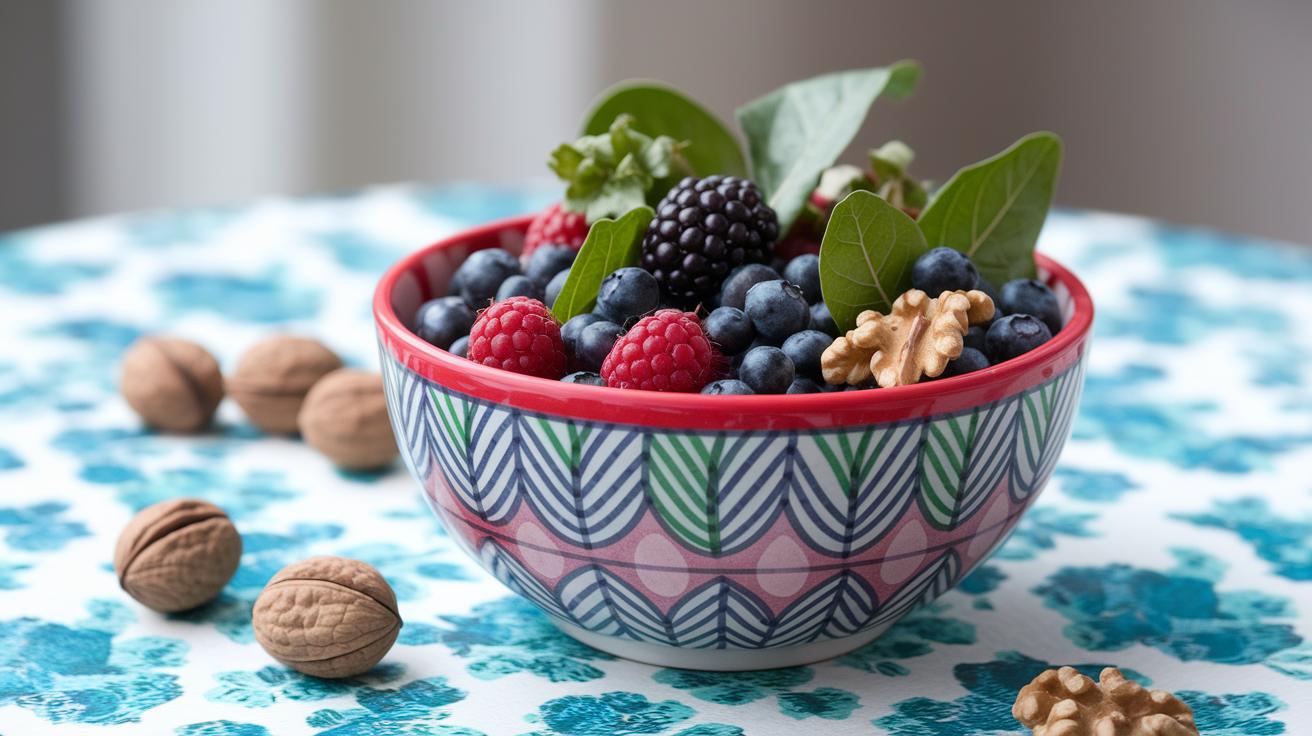
Antioxidant foods are real powerhouses when it comes to keeping your cells safe. They work hard to calm harmful free radicals and help your cells do their job well. Loaded with vitamins, polyphenols (plant compounds that help protect your cells), and other natural nutrients, these foods give you a solid base for a lively, energetic day. Have you ever noticed how adding just one smart ingredient can brighten your whole meal?
Berries
Berries like blueberries and strawberries aren’t just pretty to look at. They’re full of anthocyanins, natural pigments that give these fruits their rich colors and help shield your cells from harm. With ORAC scores that can reach up to 4,669, they tackle free radicals head-on and add a burst of flavor to your diet. It’s like nature’s little shield right in your snack bowl!
Leafy Greens
Think about leafy greens such as kale and spinach. These veggies are brimming with carotenoids, which are pigments that not only brighten your plate but also provide an extra dose of vitamins for cell protection. Their ORAC values hover around 1,770, making them great for supporting clear vision and a strong immune system. It’s like giving your body a daily dose of natural protection with every tasty bite.
Nuts and Seeds
Consider nuts and seeds, with walnuts as a prime example. They pack a solid hit of vitamin E and polyphenols, adding a fun crunch while helping to keep your cells in top shape. Walnuts boast ORAC scores near 1,355 and provide steady energy throughout your day. They’re the perfect snack to round out a balanced diet, offering both flavor and a satisfying texture.
Each of these food groups brings its own set of antioxidants to the table, with impressive ORAC values that help keep your cells defended and your body feeling balanced. By mixing berries, leafy greens, and nuts or seeds in your meals, you’re ensuring a broad range of protective nutrients in each bite.
Not only do these foods taste fantastic, but they also brighten up any dish with their vibrant colors and textures. Embracing these nutrient-rich choices can be a delicious, everyday way to support your body’s natural defenses while enjoying a variety of flavors.
| Food Category | Key Antioxidant | ORAC Value |
|---|---|---|
| Berries | Anthocyanins | 4,669 |
| Leafy Greens | Carotenoids | 1,770 |
| Nuts and Seeds | Vitamin E & Polyphenols | 1,355 |
Health Benefits Backed by Scientific Studies on Antioxidant Foods
In 2019, a clinical study showed that eating a mix of berries every day lowered markers of oxidative stress by around 15%. This means the natural compounds in these fruits help reduce harmful free radicals in your body. Multiple peer-reviewed studies, including research from pure health research, support this view by showing that such foods keep your cells in good shape and help reduce stress at the cellular level. It’s amazing how simple dietary choices can make a real difference.
Long-term studies also reveal that a diet filled with colorful fruits and vegetables is linked to a 30% lower chance of heart disease. In plain words, naturally occurring antioxidants in these foods support proper cell function and help reduce overall inflammation, which benefits your heart. The blend of vitamins, minerals, and other nutrients in these foods works together to lower the risk of chronic health issues. This science-backed evidence shows that choosing whole foods over supplements is a smart and practical choice for staying healthy.
Incorporating Antioxidant Foods into Daily Meal Plans
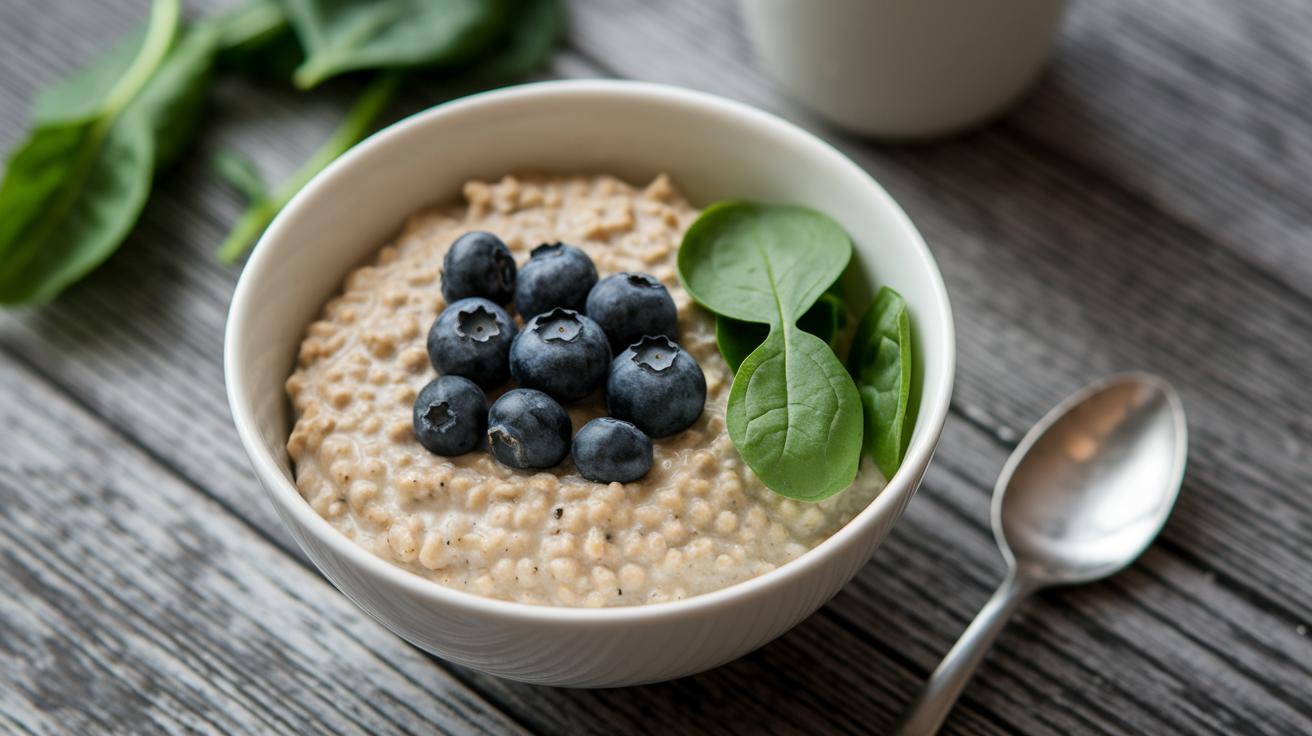
Adding antioxidant-rich foods to your daily routine is fun and easy. Even small changes can help keep your cells healthy and balanced. For example, you might start your day with a bowl of oatmeal blended with blueberries, strawberries, and a handful of spinach.
Try spreading mashed avocado and tomato slices on your morning toast for a fresh and tasty boost. At lunchtime, a crisp salad filled with tomatoes, leafy greens, and a light drizzle of olive oil is both simple and satisfying.
For dinner, why not whip up a stir-fry with colorful vegetables like bell peppers, broccoli, and carrots? And when it comes to snacks, swapping your usual choice for a small handful of mixed nuts and seeds can give you an extra hit of vitamin E and polyphenols.
A warm cup of green tea or matcha is a great way to enjoy catechins, while a vibrant rainbow wrap loaded with fresh veggies and lean protein makes eating healthy both delicious and exciting.
These easy ideas turn mealtime into a creative, enjoyable experience that not only supports your body’s balance but also fits perfectly into your everyday routine.
Recipe Ideas Featuring Antioxidant Foods
Berry-Spinach Smoothie
Kick-start your day with a berry-spinach smoothie that feels like a cool, refreshing morning breeze. Blend one cup of mixed berries with a handful of fresh spinach, a splash of almond milk, and a few ice cubes for that extra chill. This recipe yields two servings, giving you 10 grams of fiber and about 25% of your daily vitamin C needs. It’s the perfect quick breakfast or a revitalizing snack that fills you with natural goodness.
Tomato-Basil Salad
Enjoy a burst of flavor with this simple tomato-basil salad. Combine one cup of ripe cherry tomatoes with two tablespoons of extra virgin olive oil and a handful of torn basil leaves. This salad is bright, zesty, and high in lycopene and vitamin K (key for healthy cells and strong bones). Its straightforward nature makes it a great side dish or a light meal that adds a fresh touch to any lunch or dinner.
Matcha Green Tea Latte
Treat yourself to a creamy matcha green tea latte that’s both soothing and energizing. Mix one teaspoon of matcha powder into steamed milk to create a smooth, earthy drink filled with powerful catechins and 5 mg of vitamin C per serving (noted for their protective benefits). Its gentle warmth and subtle vibrancy make it a delightful treat any time you need a moment of calm or a light energy boost.
Supplements vs. Whole Antioxidant Foods: Risks and Recommendations

When you choose whole foods, you’re getting a natural mix of important compounds that work together to help your body absorb nutrients better. Think of fruits, vegetables, and nuts as a team where every part supports the others, giving you a full range of benefits.
On the flip side, isolated supplements might not offer that same teamwork. For instance, a vitamin C supplement only gives you vitamin C, while whole foods provide vitamin C along with other vitamins, minerals, and plant compounds that boost its effect. This teamwork means your body can use these nutrients more efficiently.
Relying only on supplements can sometimes overload your system, turning antioxidants into potential risks. High doses may lead to issues like pro-oxidant effects or even liver problems, much like adding too much seasoning can spoil your favorite dish. In short, a diet rich in whole foods offers a safer, balanced way to get the antioxidant support your body needs.
Final Words
In the action, we explored how paving new paths with everyday choices can boost overall well-being. We looked at how colorful fruits, greens, and nuts work together to fend off cellular stress and offer reliable nutritional insights.
Every section offered clear steps, from scientific benefits to practical meal ideas and recipes, to help you make smart choices. Embracing antioxidant foods can gently uplift your routine and promote a brighter, healthier future.
FAQ
What foods are high in antioxidants?
Foods high in antioxidants include colorful fruits, vegetables, nuts, and seeds. They help fight free radicals (unstable molecules that can damage cells) and support healthy cell function.
What benefits do antioxidant foods offer?
Antioxidant foods offer benefits by protecting cells from oxidative stress (cell damage caused by free radicals) and may lower the risk of chronic diseases while supporting overall well-being.
What are the big three antioxidants found in food?
The big three antioxidants commonly found in food are vitamin C, vitamin E, and beta-carotene. They work together to neutralize free radicals and help maintain healthy cells.
What are antioxidant supplements and should I rely on them?
Antioxidant supplements are concentrated pills or powders aimed at boosting antioxidant intake. While they can help, whole foods deliver a natural mix of nutrients that support better absorption and overall health.
What happens if you lack antioxidants?
Lacking antioxidants can result in higher oxidative stress and increased cell damage, which over time may raise the risk of health issues. Eating a balanced diet full of antioxidant-rich foods helps keep your cells protected.