Have you ever considered how your daily food choices might give your body a little extra boost? Simple foods like yogurt, kimchi, and apples can feed the friendly bacteria in your gut and help keep your digestion running smoothly. A balanced gut not only supports steady energy but also keeps your immune system strong. In this post, we'll chat about various gut-friendly foods and easy meal swaps that could help you feel more energized and healthier overall.
Top Gut Health Foods to Promote Digestive Balance
Your gut works best when it gets two types of help: prebiotics, which feed the good germs in your belly, and probiotics, which add live cultures to keep things in balance. Think of it like watering your garden; the right mix of nutrients helps everything grow strong. For instance, a simple scoop of yogurt each day can introduce live cultures that support your digestive well-being.
A diverse collection of these tiny helpers is important because they produce enzymes, vitamins, and hormones that keep your metabolism, immune system, and even sleep on track. Imagine an orchestra where each instrument has its part to play, each bite you take, whether it’s a crisp apple or some zesty kimchi, adds to that beautiful, lively tune.
- Yogurt (with live cultures)
- Kefir (a fermented dairy drink)
- Sauerkraut (fermented cabbage)
- Kimchi (spiced, fermented veggies)
- Kombucha (a fizzy, fermented tea)
- Miso (a salty soybean paste)
- Oats (that provide soluble fiber to help digestion)
- Garlic (a natural prebiotic boost)
- Bananas (rich in resistant starch)
- Flaxseed (packed with fiber)
- Apples (full of pectin-rich fiber)
It’s easy to include these foods in your daily meals. Start your day with a warm bowl of oats mixed with chopped apples and a sprinkle of flaxseed, and add a side of yogurt for those beneficial live cultures. You might also toss some garlic or enjoy a banana for a snack, while dinner can be brightened up with a serving of kimchi or sauerkraut. Small changes like these help build healthy eating habits that keep your gut happy and your digestion running smoothly.
Benefits of Probiotic-Rich Foods for Your Microbiome
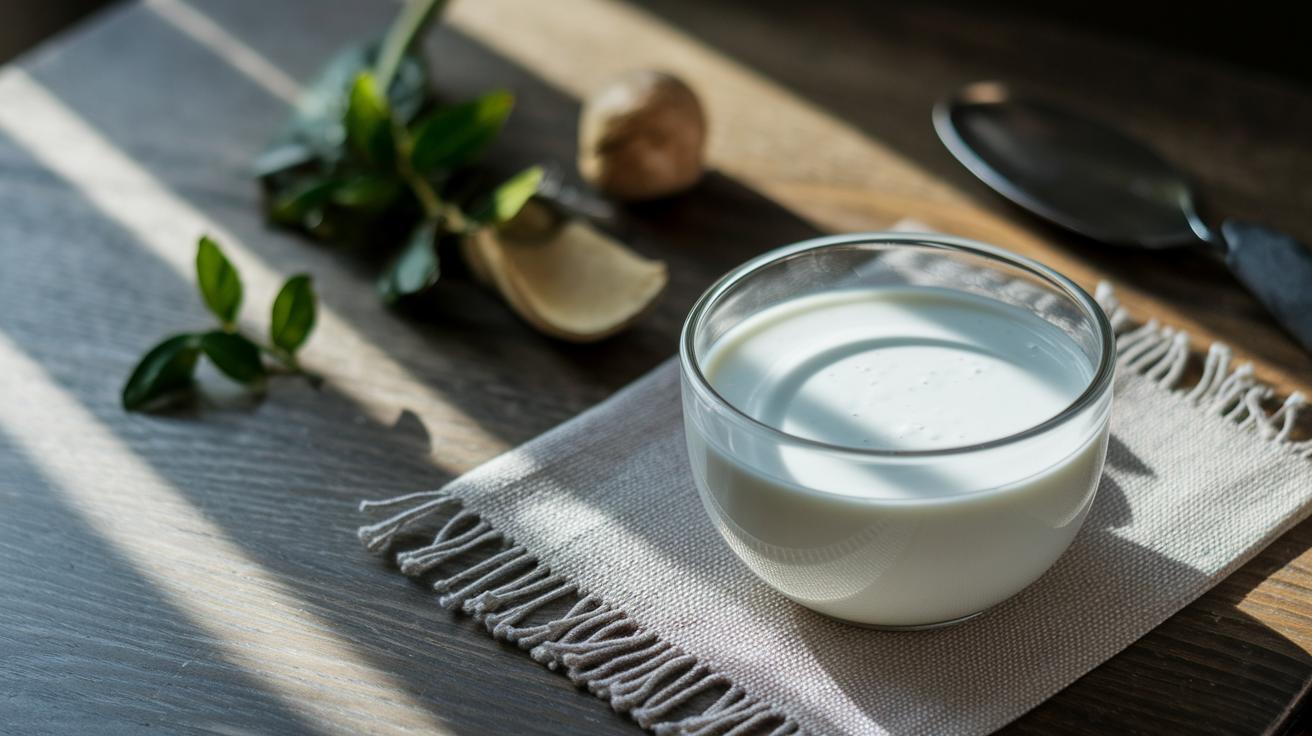
Probiotics are tiny, live helpers that keep your gut in balance. They work like friendly assistants in your tummy by supporting digestion and boosting your immune system. When you eat foods rich in these live cultures, you’re inviting helpful workers to keep your digestive system running smoothly. For example, having a serving of yogurt with strains like Lactobacillus and Bifidobacterium can make a real difference.
There are plenty of options whether you prefer dairy or non-dairy. Dairy choices, like classic yogurt, offer a gentle, soothing start to your day with live cultures. On the other hand, non-dairy alternatives such as coconut milk kefir and water kefir are a great fit for those who avoid animal products. And don’t forget about other fermented favorites! Kombucha brings a mix of acids and antioxidants to help fend off unwanted germs, while kimchi and sauerkraut combine fiber with live cultures for added benefits. Even a warm bowl of miso soup delivers protein, a bit of salt, and microbial enzymes to complete an impressive lineup of probiotic-rich picks.
Keep in mind that not every probiotic is the same. Some strains might ease symptoms like irritable bowel issues or reduce diarrhea linked to antibiotics, while others mainly boost your immune system. Since these benefits can vary by strain, it’s smart to chat with a healthcare professional before starting any new probiotic supplement or making major diet changes.
Prebiotic and Fiber-Rich Ingredients to Nourish Beneficial Bacteria
Prebiotics are special kinds of carbs that your body can’t digest but your good gut bacteria love. They act like food for these helpful microbes, keeping them strong and making sure your tummy works just right. This natural boost can even help keep your blood sugar steady and calm any inflammation, which is pretty neat for overall health.
You can find these prebiotic fibers in whole grains, legumes, fruits, and veggies. For example, oats offer beta-glucan (a type of fiber that helps your digestion), while apples pack pectin, which is great for feeding your bacteria. Bananas add resistant starch, and veggies like carrots, sweet potatoes, and garlic bring in not just fiber but also natural flavor. Legumes like lentils and chickpeas add extra plant protein alongside fiber. Picture a warm, comforting bowl filled with barley, chopped carrots, and a handful of chickpeas, tasting great while also giving your microbiome a boost.
Seeds such as flax and chia also deserve a spot in your diet. Flaxseed gives you soluble fiber plus omega-3 fatty acids, which help keep your gut lining smooth, and chia seeds work in a similar way to keep things running well. A few slices of avocado can add creaminess and deliver healthy fats that team up with fiber for extra digestive perks.
So, why not try mixing a little of these into your meals throughout the day? Sprinkle some flaxseed in your smoothie, toss chia into your breakfast bowl, or add avocado to your salad for a tasty touch of extra gut support.
DIY Fermented Foods and Home Fermentation Techniques
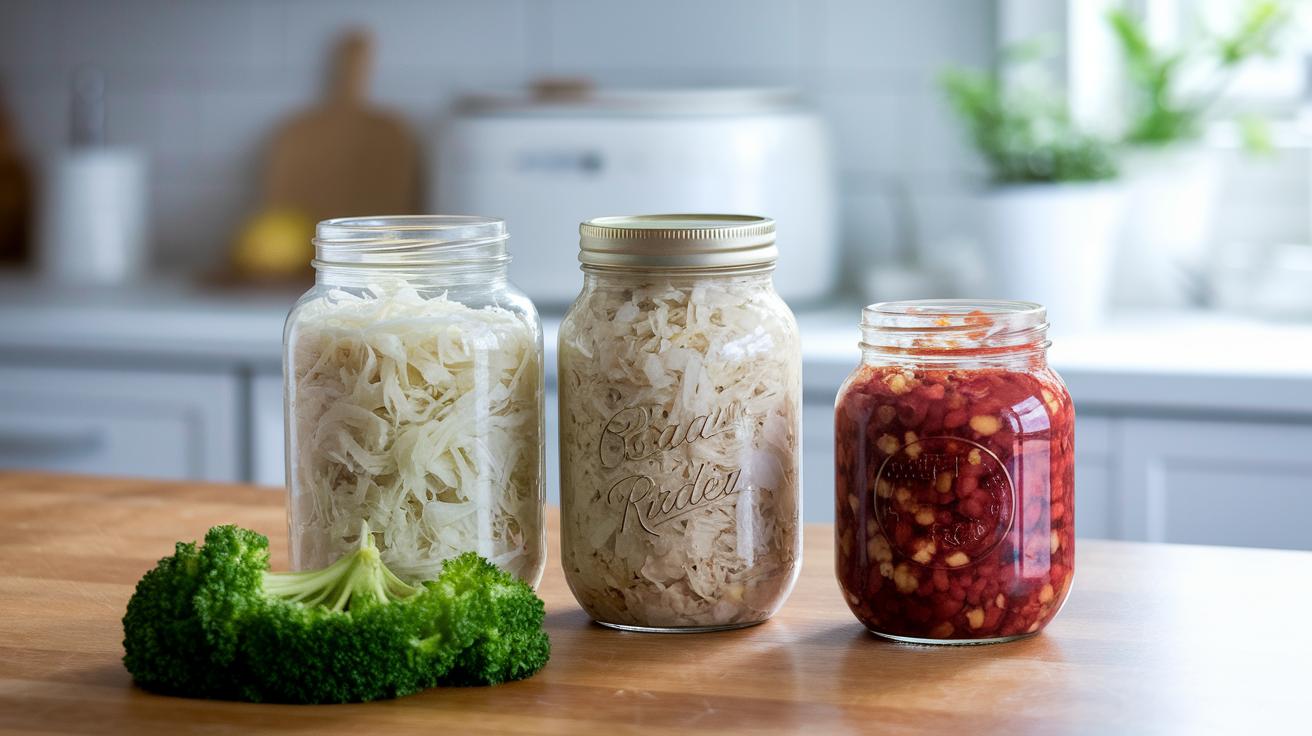
Fermenting your own veggies at home is a fun way to boost flavor and add good, healthy bugs to your gut. Classic recipes like sauerkraut and kimchi let you play with tangy, culture-rich foods right in your kitchen. To get started, grab a clean glass jar, maybe an airlock if you want to control the process a bit more, and a weight to keep your veggies submerged under the brine. Think of these items as your DIY kit for a little kitchen experiment that does wonders for your health.
Mixing the right salt solution is key. Aim for about a 2–3% salt mix by weight. This helps create a safe home for the friendly bacteria (those helpful germs that support digestion) while keeping the bad germs away. Find a steady spot for your jar, ideally between 65 and 75°F, and then let nature work its magic for 1 to 4 weeks. Make sure to check on your ferment often, if you notice fuzzy mold, odd smells, or discoloration, it’s best to toss it and start anew. This careful step keeps both taste and safety in check.
For a fun twist, try adding wild-yeast starters for sourdough or soaking some ancient grains like spelt or rye. These little extras bring a creative edge to your homemade ferments and let you explore new flavors in a really hands-on way.
Gut-Soothing Recipes Featuring Healing Foods
Miso Salmon Bowl
Coat a fresh salmon fillet generously with miso paste. Put it on a baking sheet and bake for about 12–15 minutes until it flakes easily. Serve the salmon atop one cup of brown basmati rice and finish it off with a scattering of thinly sliced scallions. This tasty bowl brings together good protein, fiber, and live cultures (small organisms that help digestion). Fun fact to start with: "Miso not only enriches flavor but also delivers beneficial live cultures that support digestion."
Easy Kefir Smoothie Bowl
Blend one cup of low-fat blueberry kefir with a hearty handful of frozen berries and a scoop of oats until the mixture is smooth. Pour it into a bowl and top with banana slices and a light dusting of chia seeds. This refreshing bowl is bursting with probiotics and fiber, making it a bright way to start your day. And here’s a neat fact: "A colorful smoothie bowl can be a delicious way to pack in gut-friendly probiotics."
Pea Pasta Sauce
Lightly fry three cloves of garlic (sliced thinly) in olive oil until you can smell its goodness. Add in some green peas and a splash of vegetable stock, then blend the whole mix until smooth. Toss this sauce with whole-grain pasta for a warm and comforting meal that offers plenty of fiber and protein. Remember this surprising tip: "Garlic’s natural properties add both flavor and antibacterial benefits."
Gut-Healing Bone Broth
Slow-cook beef or chicken bones in water with fresh ginger slices, a pinch of turmeric powder, and a bit of vinegar for 12–24 hours. Once done, strain the liquid and season it gently. This nourishing broth is rich in collagen, amino acids (the building blocks of proteins), and anti-inflammatory compounds, all of which help soothe your gut. And here’s something interesting: "Bone broth has been a cherished remedy for soothing digestion and supporting overall wellness."
Impact of Gut Health Foods on Overall Well-Being
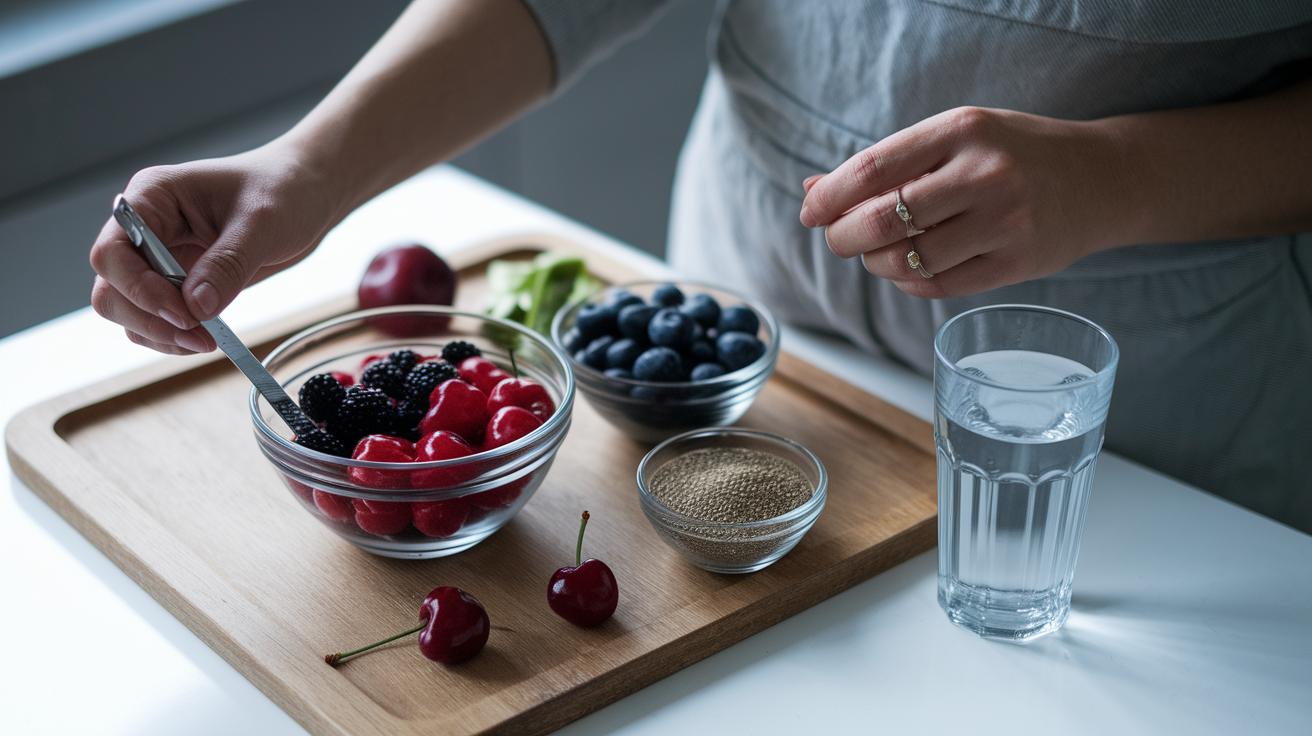
Your gut's friendly bacteria play a big part in keeping your immune system strong. When these good bugs help make natural antibodies and keep bad germs in check, they protect your body from daily irritants. Eating antioxidant-packed fruits like berries and cherries fights off stress from harmful molecules, while omega-rich foods like flax and chia help ease inflammation. Together, these nutrients boost your body's defenses and calm swelling.
Fiber is another star when it comes to gut health. As it breaks down during digestion, fiber creates short-chain fatty acids (small fats that help keep your gut lining strong). These acids support a healthy gut wall and help control blood sugar levels. This natural process not only aids in weight management but also reinforces your energy balance. Adding nutrient-rich, gut-friendly ingredients to your meals is a simple way to keep your metabolism running smoothly.
Remember, your gut and brain are connected. A healthy gut can lift your mood, sharpen your focus, and improve sleep quality. By regularly choosing foods that support your gut, you nourish both your body and your mind. It’s amazing how such small dietary choices can encourage a balanced, peaceful life.
Final Words
In the action, we explored a range of prebiotic and probiotic foods. We looked at everyday items like yogurt and apples, offering a simple mix of gut-boosting benefits. Each section explained how flavorful meals can support digestion, boost immunity, and even help with stress management.
Step by step, practical tips guide you to create balanced meals that feed your body the right way. Embrace these gut health foods to help build a brighter, healthier tomorrow.
FAQ
What do gut health supplements do?
The phrase “gut health supplements” refers to products designed to boost beneficial bacteria and prebiotics. They support a balanced gut microbiome and promote healthy digestion and overall wellness.
What are some of the worst foods for gut health, including the 7 worst?
The phrase “worst foods for gut health” typically includes processed snacks high in sugar and unhealthy fats. These items can upset beneficial bacteria and lead to an imbalanced digestive system.
How can I improve gut health naturally?
The phrase “improve gut health naturally” involves adding fiber-rich fruits, vegetables, and fermented foods with live cultures to nourish good bacteria, along with regular physical activity to support digestion.
What are the top gut health foods, including the super six?
The phrase “top gut health foods” includes yogurt, kefir, sauerkraut, kimchi, oats, garlic, bananas, flaxseed, apples, and kombucha. These foods help support beneficial bacteria and promote proper digestion.
How can I keep my stomach healthy and clean?
The phrase “keep stomach healthy and clean” means eating a balanced diet rich in whole, fiber-packed foods and staying well hydrated, while limiting processed, sugary items to maintain a steady digestive system.
What should I drink after a meal to help digestion?
The phrase “what to drink after a meal” suggests water or herbal teas like peppermint. These beverages can aid digestion by hydrating your body and soothing the stomach.
Which foods help heal gut inflammation?
The phrase “foods that heal gut inflammation” points to options like ginger, turmeric, fatty fish, and colorful vegetables. They offer anti-inflammatory compounds and fiber to calm and restore gut balance.
What is a 7 day gut reset?
The phrase “7 day gut reset” refers to a short-term plan focused on whole foods, probiotics, and fiber, while avoiding irritants to help rebalance the gut microbiome and reduce inflammation.
How can I fix my gut health fast?
The phrase “fix my gut health fast” often means making quick dietary adjustments such as adding probiotics and fiber while cutting out processed foods, though long-term healing requires ongoing healthy habits and professional advice.