Ever thought that a few deep breaths could change your whole day? When stress makes your heart race and your muscles tense, slow, careful breathing works like a pause button.
By taking these gentle breaths, you signal your body to settle down. In this post, I share simple tips to ease stress and help you regain control over your day. Think of these techniques as a handy tool to soothe both your mind and body.
Quick-Start Guide to Deep Breathing Exercises for Stress Relief
When stress hits, it can make your breathing fast and shallow, your heart beat faster, and your muscles feel tight, much like the jittery feeling before a big test. This happens because your body is on high alert, ready for fight or flight.
Deep breathing is a simple way to help your body slow down. Even if you’re in a busy place or your day feels rushed, taking a few deep breaths can help calm your racing heart and relax your muscles. Think of it as rubbing a soothing balm on your stress.
-
Elongated Exhale:
- Breathe in slowly through your nose for about 4 seconds, feeling your belly fill with air.
- Then exhale gently through your mouth for 6 seconds.
- Repeat this cycle until you notice the tension start to fade.
-
Physiological Sigh:
- Take one deep, full breath in.
- Right after that, take another small, quick inhale.
- Exhale fully to let go of the built-up stress.
Keep practicing these exercises until you feel your body responding in a more relaxed way. Try using them during a stressful meeting, right before you head off to sleep, or whenever you need a little break in your day. Even a few mindful breaths can remind you that you’re in charge of how your body reacts.
How Deep Breathing Exercises Counteract the Fight-or-Flight Response

When stress hits, your body jumps into high alert. It releases stress hormones like cortisol, which makes your breathing quick and shallow, your heart beats faster, and your muscles tighten. Think about hearing a sudden loud noise, your body reacts immediately, almost like it’s on autopilot. While this quick response can help in real danger, it often leaves you feeling anxious when it happens too much.
Slow, deep breaths can help calm your body down. When you take a long, steady breath, it sends a clear signal to your brain that it's time to relax. This simple act stirs up the vagus nerve, which is like your body’s built-in chill button. Breathing deeply not only helps your body use oxygen better but can also cut down those cortisol levels in just minutes. With each deep inhale and measured exhale, your heart rate starts to slow and your muscles loosen up. It’s amazing how a small change like this can help you find a moment of peace during a hectic day.
5 Step-by-Step Breathwork Techniques to Ease Anxiety
When anxiety starts creeping in, try taking control of your breathing. Simple steps like these can help quiet your mind and soothe your body, even if you're out and about.
Elongated Exhale Technique
This trick tells your body it’s time to relax by making your exhale longer than your inhale.
- Breathe in slowly through your nose for about 4 seconds.
- Breathe out gently through your mouth for roughly 6 seconds.
- Really focus on letting go of the tension as you exhale.
- Keep going until you feel calmer.
Box Breathing Technique
Box breathing uses a steady pattern to help smooth out your breathing and clear your head.
- Inhale for 4 counts.
- Hold your breath for 4 counts.
- Exhale for 4 counts.
- Hold again for 4 counts before you start over.
5-4-3-2-1 Grounding Technique
This exercise brings your focus to the here and now using your senses.
- Look around and name 5 things you see, like colors or objects.
- Touch 4 different things you can feel nearby.
- Listen for 3 different sounds happening around you.
- Notice 2 different smells in the air.
- Recognize 1 taste , or imagine a flavor that feels soothing.
4-7-8 Breathing Method
This method is great if you want to wind down for sleep or simply relax. It even helps slow your heartbeat.
- Breathe in quietly through your nose for 4 seconds.
- Hold that breath for 7 seconds.
- Exhale strongly for 8 seconds.
Three Mindful Breaths
This quick practice brings you back to center when stress hits.
- Take a slow, deep breath in, noticing how your belly rises.
- Pause to feel the air filling you up.
- Breathe out softly. Repeat this process two more times.
Try adding these practices to your daily routine , maybe before a busy meeting or during a quiet moment. With a bit of regular practice, you might find they help manage anxiety naturally and quickly.
Tips for Mastery: Diaphragmatic Relaxation Practices to Reduce Stress
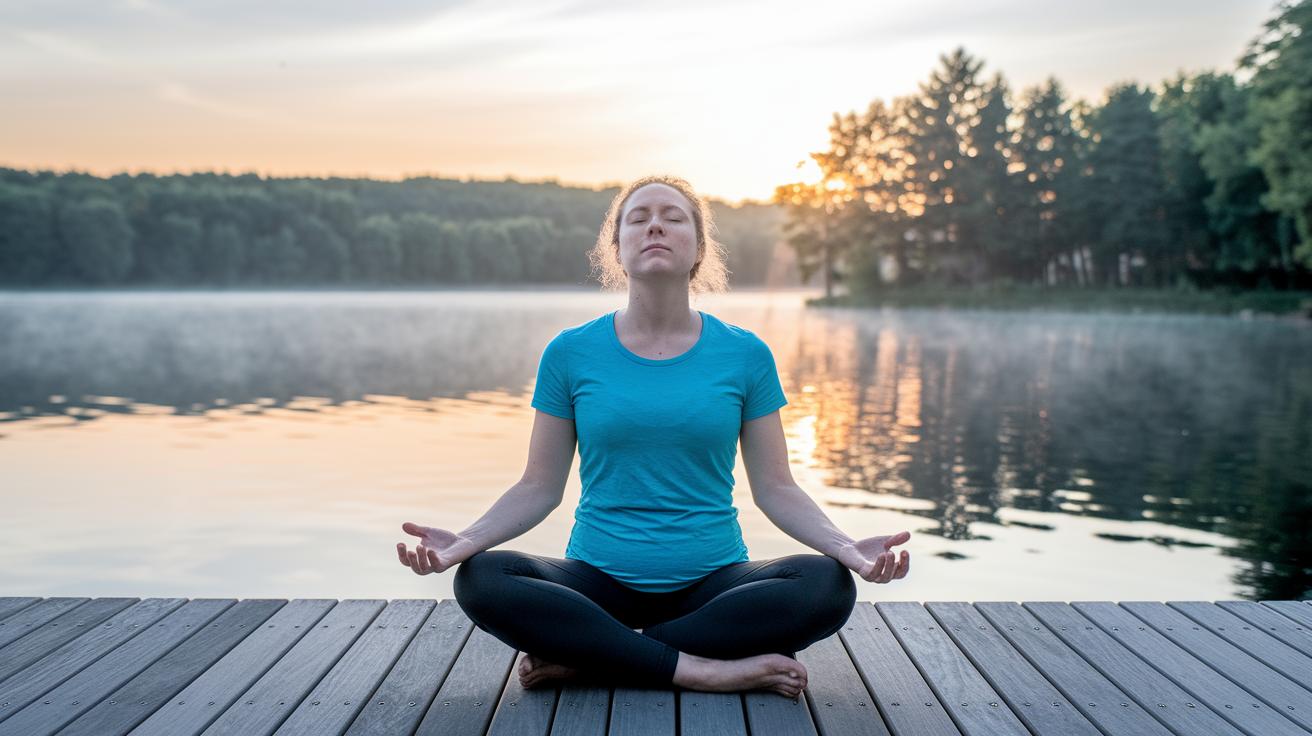
Working with your diaphragm turns worried breaths into calm ones. When you breathe using this muscle (it sits just below your lungs), you naturally take slower, deeper breaths that help ease stress and steady your emotions.
Try a simple exercise: place one hand on your chest and the other on your belly. As you breathe in, notice how your belly rises while your chest stays still. This little trick teaches you how to use your diaphragm and makes your breath more relaxing.
Remember to sit or stand up straight so your lungs can fill completely. Breathe slowly and watch your tummy gently rise and fall. This steady rhythm helps your body relax and cuts down on tension.
Finally, add a calming image to your practice. Imagine a peaceful scene, like a quiet lakeside at sunrise. This gentle visual cue works hand in hand with your deep breathing, guiding you toward a more peaceful state.
Integrating Deep Breathing Exercises into Daily Routines
Start your day with three gentle, slow breaths before a meeting or while you sip your coffee. This little pause helps you feel grounded and soothes your busy mind. It’s amazing how a few mindful moments can melt away stress.
Mix these deep breaths into your everyday habits, like your morning routine or when you wind down at night. For instance, while you brush your teeth or enjoy a warm cup of tea, you’re stacking a calming habit into something you already do. Have you noticed how these small steps help you build a peaceful rhythm?
Set an alarm or a phone reminder for a short, five-minute breathing break. This quick session gives you a chance to manage stress and breathe deeply, even on your hectic days. That little beep is a friendly nudge to pause and clear your head.
Whenever you have a spare moment, like during your commute or while waiting in line, try a few deep breaths. These tiny breaks can ease tension and help you feel refreshed, no matter where you are.
Research Insights: Evidence-Based Benefits of Rhythmic Respiration for Inner Quiet
Recent studies show that a few minutes of mindful breathing can really help reduce stress. In one study from 2017, people who practiced slow, controlled breathing for just 10 minutes experienced a 22% drop in cortisol levels (the main stress hormone), which helped their minds settle and feel calmer. It's impressive how a simple breath can make such a big difference.
Another review from 2020 looked at pranayama techniques, methods of deep, controlled breathing, and found that they lowered anxiety scores by about 31%. Regular practice also improved heart-rate variability by 18%, meaning the heart had a steadier rhythm. In other words, taking time to focus on your breath not only soothes your mind but also supports your heart health.
Additional research links nightly deep breathing routines with a 36% improvement in sleep quality. The calming effect of deep breathing quiets a racing mind, making it easier to fall asleep and enjoy restorative rest. All this evidence points to rhythmic breathing as a simple, powerful tool for nurturing mental peace and overall well-being.
Common Pitfalls and How to Avoid Hyperventilation During Deep Breathing
Deep breathing can help calm your mind, but if you breathe too quickly or forcefully, you might feel dizzy, tingly, or even a bit faint. Sometimes, when you push too hard, your body sends warning signs like lightheadedness or shortness of breath, which means you could be hyperventilating. Recognizing these signals is really important when you're using deep breathing to ease anxiety. It’s best to start with slow, gentle breaths so your body can adjust naturally.
If you start to feel uncomfortable, take a break and go back to your normal breathing until you feel ready to try again. For beginners, keeping your deep breathing practice short, say, about five minutes, can make it a safe and effective way to reduce stress. A steady, relaxed pace lets you enjoy the calming benefits without any unexpected setbacks.
Final Words
In the action, we explored how stress affects our breathing and how deep breathing exercises for stress relief can make a difference. We covered simple techniques like elongated exhale, box breathing, and mindful methods that help you slow down and feel more at ease. We also talked about avoiding quick, shallow breaths and incorporating these practices into daily routines. Every focused breath can build calm and balance. Remember, each deep breath supports a healthier, brighter day ahead.
FAQ
Frequently Asked Questions
What are some trusted deep breathing exercise videos for stress relief?
Trusted deep breathing videos, available on YouTube and the NHS site, show clear, step-by-step guides to help calm your mind, ease tension, and promote relaxation.
How do breathing exercises help support your lungs?
Breathing exercises boost lung strength and promote better oxygen flow, which supports efficient breathing and overall respiratory health.
What breathing exercises are recommended for beginners?
Breathing exercises for beginners focus on slow, mindful inhalations and extended exhales that build awareness and help reduce stress naturally.
How can breathing techniques ease anxiety?
Breathing techniques ease anxiety by slowing your heart rate and calming your nervous system, which helps lower stress hormones and create a soothing sense of balance.
What benefits do deep breathing exercises offer?
Deep breathing exercises offer benefits like lowering blood pressure, reducing muscle tension, and enhancing overall relaxation by engaging your body’s natural calm response.
How do deep breathing exercises support anxiety relief?
Deep breathing exercises help with anxiety by guiding your focus on slow, steady breaths and releasing tension from your muscles, fostering a state of internal calm.
What is the best breathing exercise to reduce stress?
The best breathing exercise often involves a slow inhale followed by a longer exhale, signaling your body to relax and easing the physical symptoms of stress.
What is the 4-7-8 breathing method?
The 4-7-8 method involves breathing in for 4 seconds, holding for 7 seconds, and exhaling for 8 seconds, promoting deep calm and reducing feelings of stress.
Does deep breathing reduce stress?
Deep breathing reduces stress by triggering your parasympathetic system, which lowers cortisol levels and helps you feel more relaxed and centered.
How can you quickly relieve stress at home?
You can quickly relieve stress at home by practicing simple deep breathing or mindful techniques that reset your body’s stress response and bring immediate relaxation.