Ever wondered if natural herbs can help ease swelling? A mix of ginger, garlic, turmeric, and green tea is loaded with antioxidants (substances that protect your cells) and polyphenols (nutrients that battle harmful molecules). These common herbs team up with your body to reduce inflammation while adding a fresh burst of flavor to your meals. In this article, we chat about how simple, natural choices can boost your overall wellness and give you gentle, natural relief.
Top Natural Herbs for Fighting Inflammation
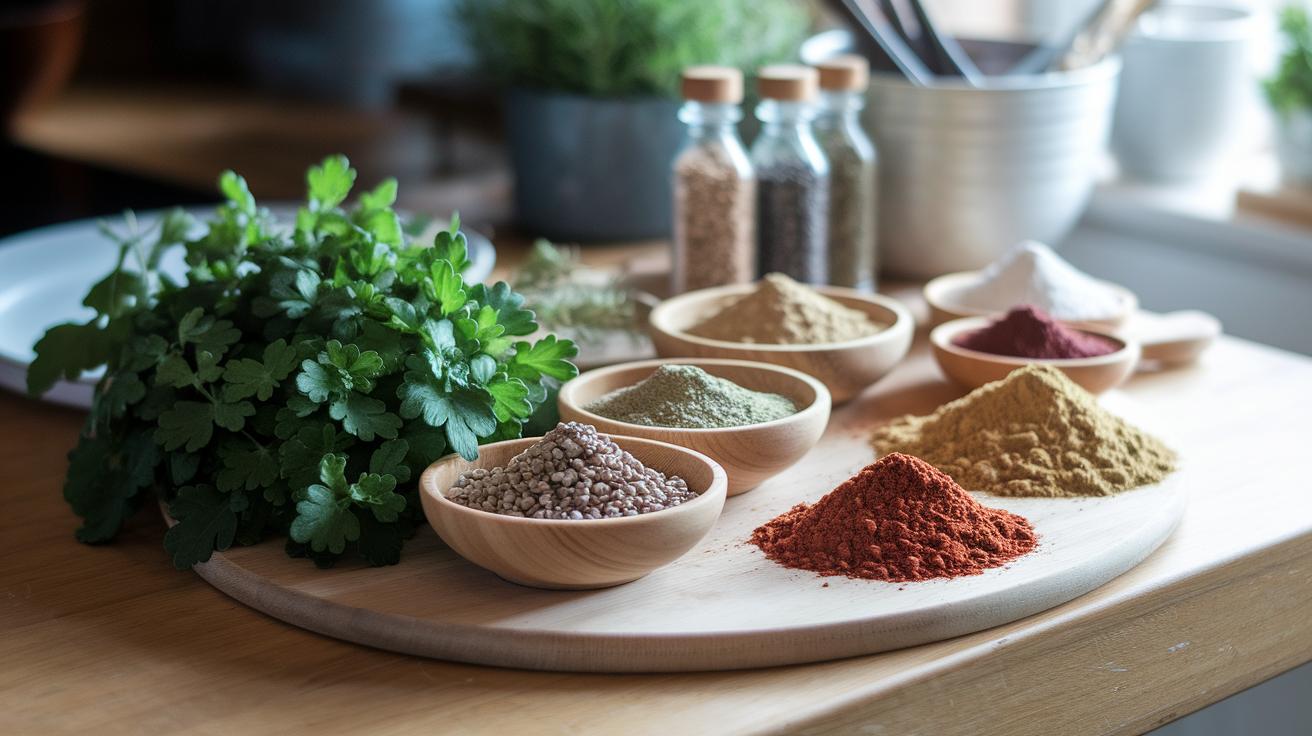
When inflammation strikes, natural herbs can give your body a gentle boost. These spices and botanicals are packed with antioxidants (natural protectors of your cells) and polyphenols (nutrients that help fight harmful molecules) that work to ease swelling and support healing. Have you ever noticed how a small change in your diet can make you feel more comfortable?
Adding these herbs to your meals isn’t just about flavor, it’s a practical way to promote overall well-being. By swapping processed foods for fresh, herb-infused dishes, you’re not just enjoying a tasty meal but also feeding your body important compounds that act right down to your cells.
- Ginger: This root contains gingerols that can help ease headaches and stomach discomfort.
- Garlic: Known for its natural compounds, garlic may help relieve arthritis pain and strengthen your immune system.
- Turmeric: Packed with curcumin, an antioxidant that helps combat swelling and infections.
- Green Tea: Rich in polyphenols, it may help calm inflammatory responses, benefiting both brain and heart health.
- Cinnamon: This spice can help reduce swelling and improve the way your body handles sugar.
It’s easy to incorporate these into your day. Try sprinkling ginger over your stir-fry or blending it into a smoothie. Add garlic to your favorite soups and sauces, or mix a pinch of turmeric into a warm cup of milk or a curry. A simple cup of green tea or a dash of cinnamon in your oatmeal can go a long way, each little step making your body feel a bit less inflamed and a lot more at ease.
Rhizome-Based Anti-Inflammatory Herbs: Ginger and Turmeric
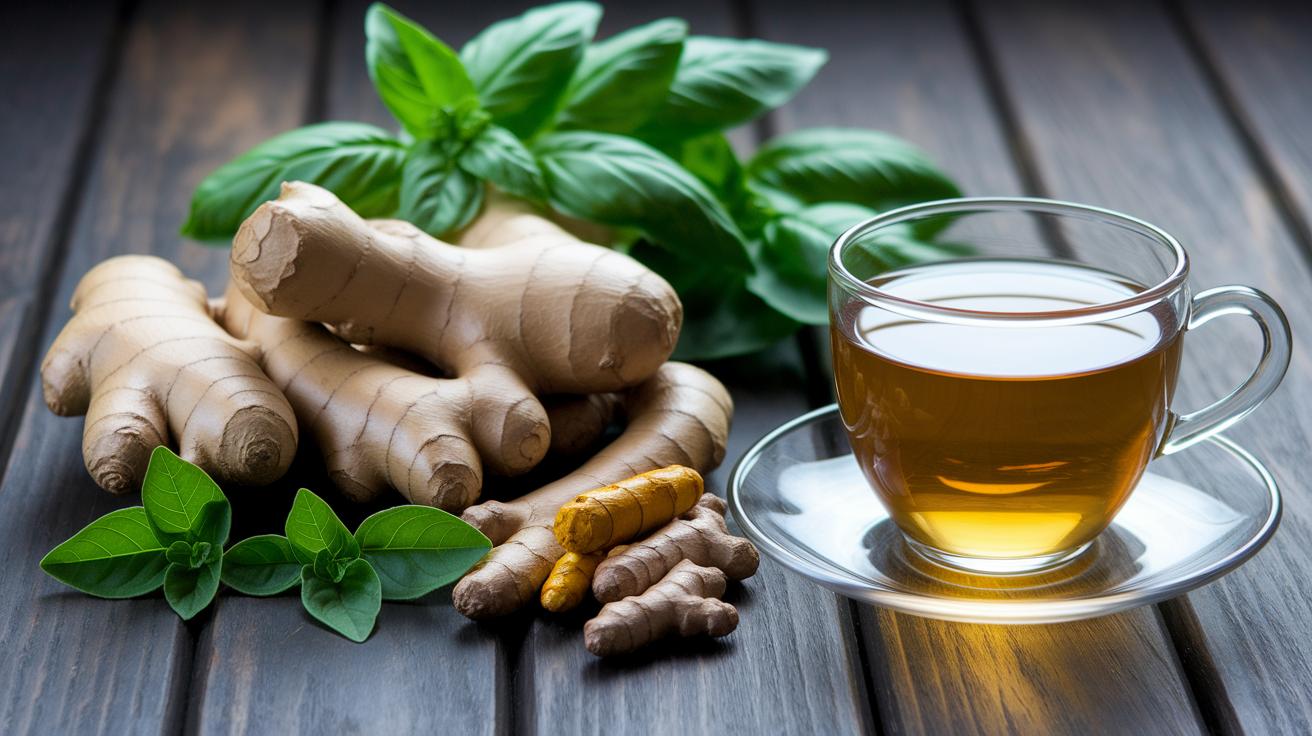
Rhizomes are special parts of a plant that grow underground. They act like stems and are used in herbal medicine because they help soothe discomfort and promote overall health. People have relied on these natural remedies for many years, and they continue to be a gentle way to ease everyday aches.
Ginger
Ginger comes in many forms, you can find it as a fresh root, a dried spice, or even a concentrated extract. Traditionally, people use ginger to settle an upset stomach, ease headaches or infections, and help with digestion. It contains natural compounds called gingerols (active ingredients that help lower inflammation) which work slowly but surely to calm your body. Imagine mixing a slice of fresh ginger into a warm drink; you not only enjoy its spicy touch but also get a natural anti-inflammatory boost. Plus, it works great in both sweet and savory dishes, making it a handy addition to your everyday cooking.
Turmeric
Turmeric is well-known for its bright yellow color and its key ingredient, curcumin (a powerful antioxidant that fights inflammation). This natural compound helps manage pain and supports healing for minor cuts, colds, and general discomfort. Traditionally, turmeric is a favorite in curries and warm drinks. An easy tip, combine it with a pinch of black pepper and a bit of fat (like coconut oil) to help your body absorb curcumin better. This simple trick can make turmeric even more effective at reducing inflammation. Stir it into your meals or mix it with milk for a soothing, earthy-flavored drink that brings both taste and health benefits to your day.
Allium and Tea Remedies: Garlic and Green Tea for Inflammation Relief
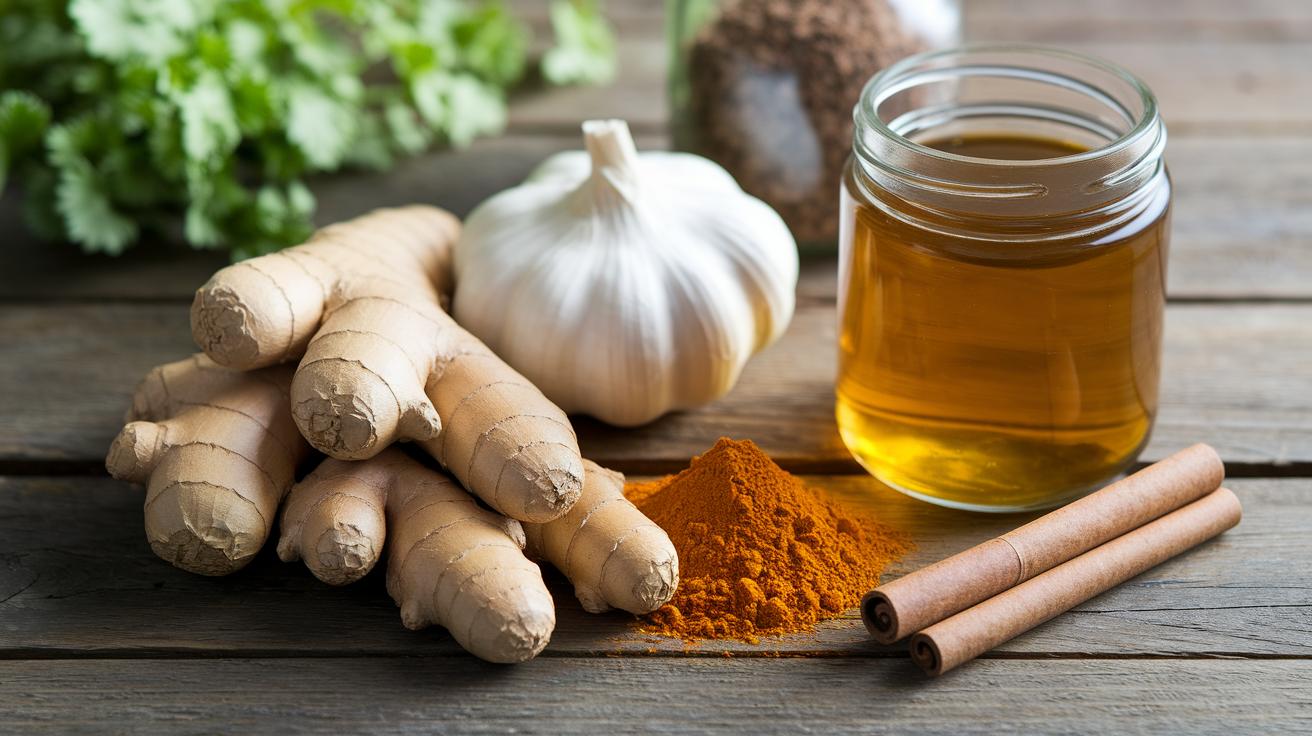
Garlic and green tea have been long offered as natural ways to ease inflammation and boost overall health. They’re great buddies when it comes to calming the body and fighting swelling.
Garlic
Garlic helps quiet the signals in your body that can lead to joint pain from arthritis. Its natural compounds give a gentle relief and help keep your system balanced. Many folks add garlic to their meals not only for flavor but also for its soothing benefits.
Green Tea
Green tea is packed with polyphenols (natural plant compounds that act as antioxidants to protect your cells). Enjoying two to three cups daily gives your body a steady dose of these helpers. This can support the health of your heart, gut, and brain while easing unwanted inflammation.
Culinary Spices with Anti-Inflammatory Power: Cinnamon, Cayenne, and Cumin
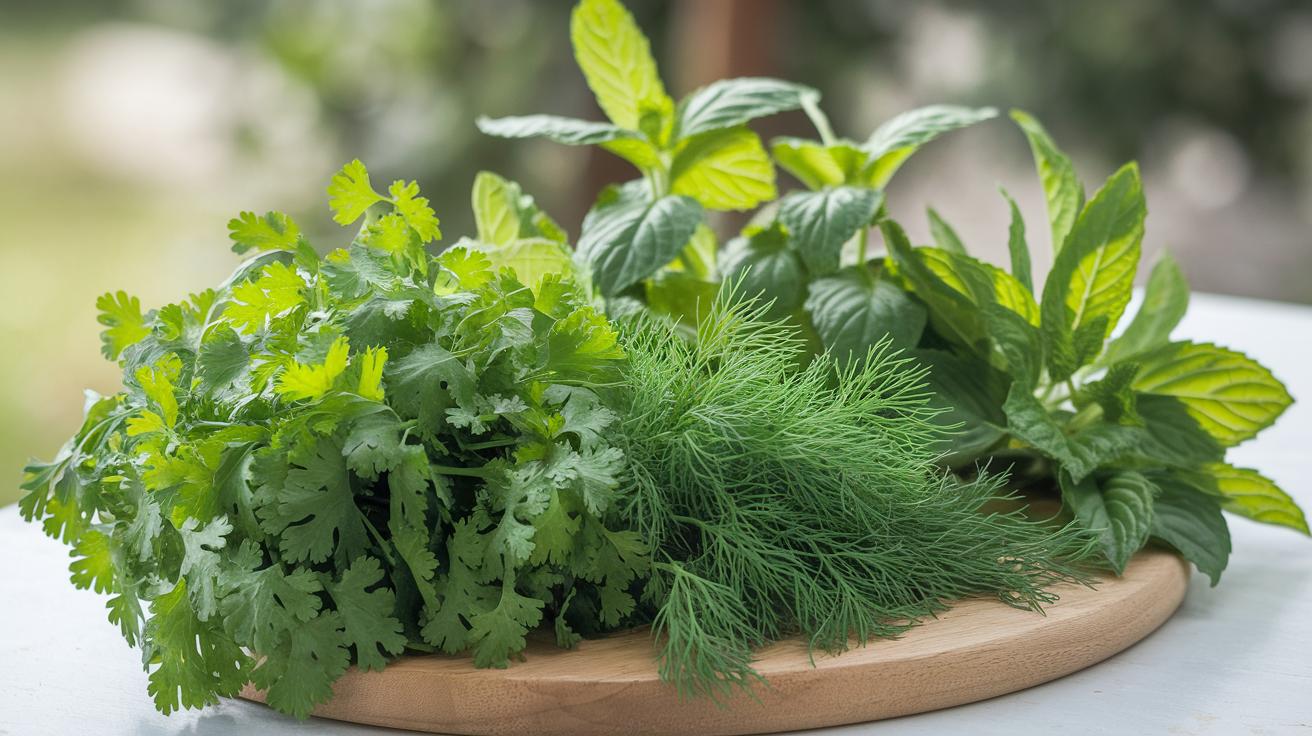
Spices do more than just add flavor to your meals, they can help ease swelling in your body too. When you sprinkle in a little cinnamon, cayenne, or cumin, you're not only boosting taste but also doing your body a favor.
Cinnamon gives a warm, slightly sweet taste that works well with both hearty meals and desserts. It may help reduce swelling and ease joint pain (arthritis is when your joints hurt) while offering natural compounds that might balance your blood sugar. A dash over your oatmeal or baked treats can make your day a bit healthier.
Cayenne pepper brings a lively kick with its natural heat, thanks to a compound called capsaicin (a spicy ingredient that may help fight inflammation and provide some nutrients). It works best when it’s in powder form, adding energy to stews, sauces, or even a bit of spice to your chocolate treats.
Cumin has an earthy, warm flavor that reminds you of classic Mexican or Indian dishes. Available as seeds or in powder form, it might help lower inflammation in your body. Mix it into soups, curries, or rice dishes and discover a delicious twist on your favorite recipes.
Rotate these spices in your cooking to enjoy different anti-inflammatory benefits with every bite. Have you ever noticed how a tiny change can brighten up your meal and your health?
Fresh Leafy Herbs for Inflammation: Cilantro, Parsley, Dill, Mint, and Basil
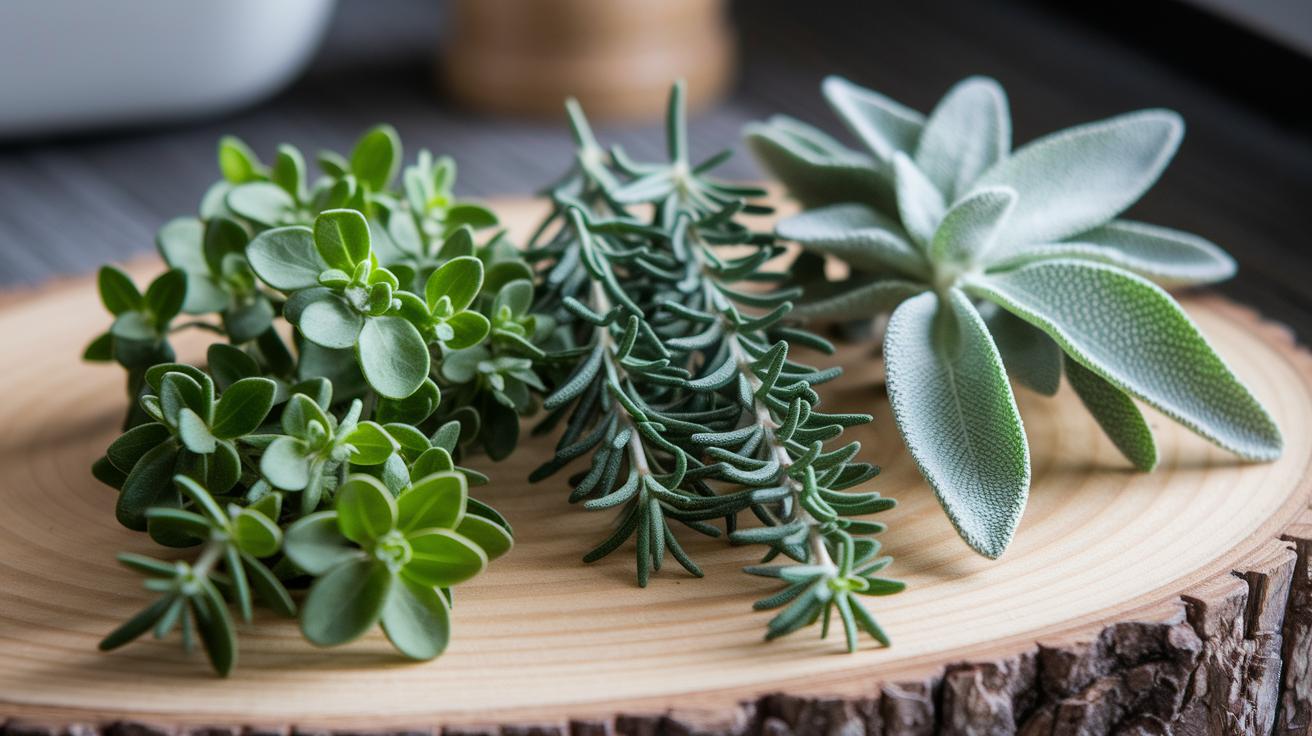
When you want a natural boost for your body, fresh herbs can be a simple, friendly solution. They not only add a tasty zing to your food but also bring along antioxidants, which help protect your guts (they’re like little shields against discomfort).
| Herb | Key Benefit | Usage Tip |
|---|---|---|
| Cilantro | Helps lower inflammation and supports gut health | Add to salads or blend into smoothies – use it quickly, since it spoils fast |
| Parsley | Rich in antioxidants that keep cells active and strong | Mix into pestos or sprinkle on soups and salads as a fresh garnish |
| Dill | Offers a zesty tang and gentle flavor boost | Keep stems in water before using in sauces or as a garnish |
| Mint | Helps calm indigestion, gas, and stomach cramps | Brew in teas or toss into fruit salads for natural relief |
| Basil | Packed with antioxidants to soothe inflammation | Add to Caprese salads, pestos, or mix into hearty grain dishes |
Choosing and caring for these herbs is key. When you shop, look for leaves that are bright and crisp, without any brown edges. For extra freshness, store dill with its stems in a glass of water and wrap others in a damp paper towel. Have you ever noticed that these small steps can make your meals feel even more uplifting? Try sprinkling them into your recipes, from refreshing salads to warm, comforting stews, and enjoy a tasty way to support your gut health.
Woody Aromatic Herbs for Skin and Joint Inflammation: Oregano, Thyme, Rosemary, and Sage
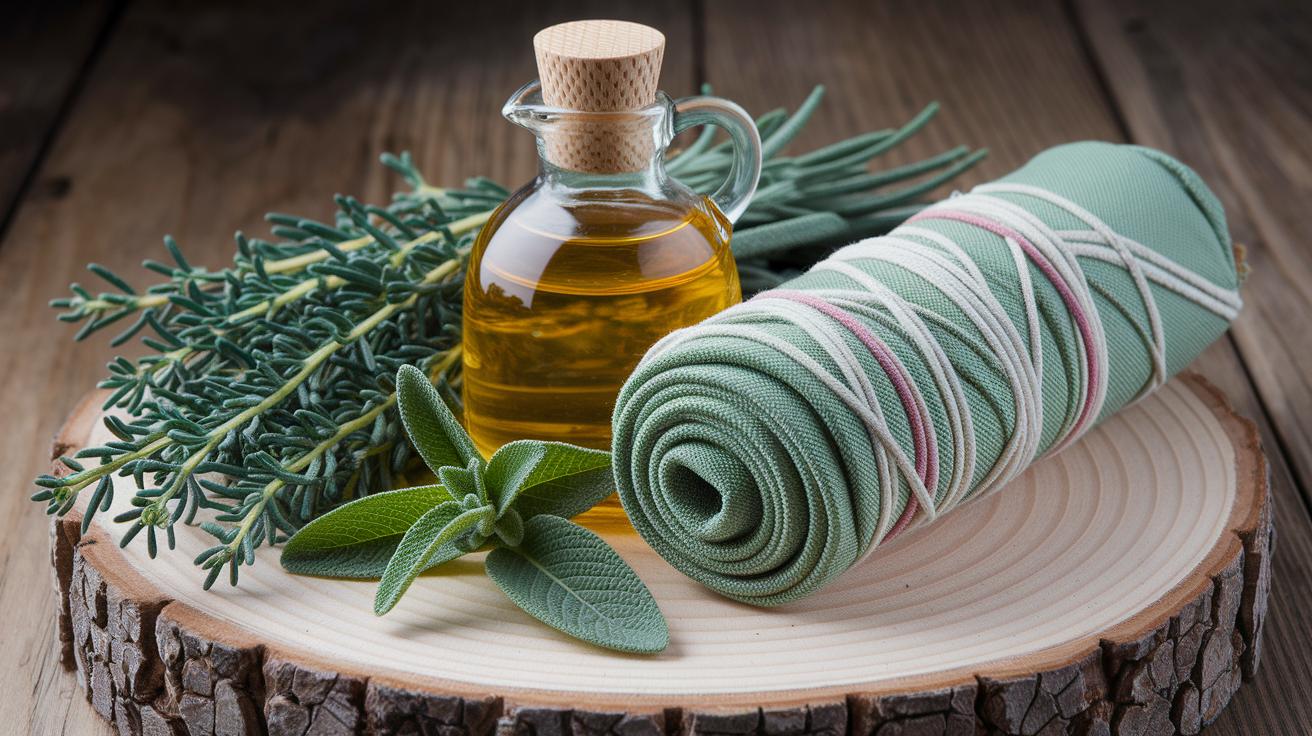
For ages, people have turned to herbs like oregano, thyme, rosemary, and sage to help ease irritated skin and achy joints. Many have used infused oils and herbal compresses to bring relief. For instance, mix 2 to 3 drops of thyme essential oil with a teaspoon of a carrier oil and gently massage it onto the problem area. This simple method taps into thyme’s natural antimicrobial benefits. Similarly, dried oregano, known for its rich flavor and antioxidant boost, is often steeped in warm water to make a calming compress. And here’s a handy tip: blend a few drops of rosemary essential oil into your oil mix, since using rosemary juice isn’t recommended.
These herbs also work their magic from the inside. You can brew them into a soothing tea or add them to your favorite recipes. Sage, with its savory and slightly peppery taste, is a great addition to stews or salads, just be careful not to add too much, or it might taste bitter. For centuries, people have incorporated these herbs into both meals and beverages to naturally support skin health and ease inflammation.
Herbs for Inflammation: Gentle Natural Relief
Every day, simple steps like moving your body, taking deep breaths, and avoiding oils such as corn oil or margarine can help lower inflammation, making it easier for herbs to work their magic.
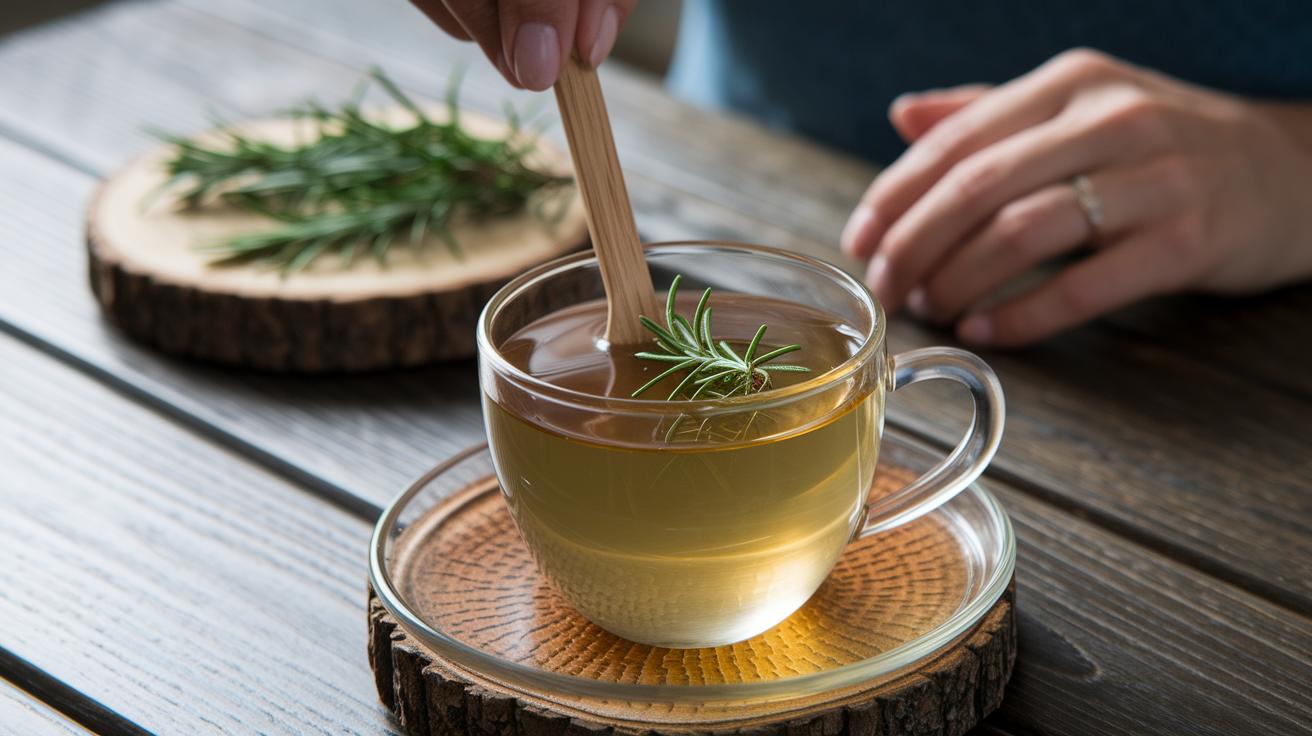
Herbs are best when used in their natural state, whether fresh, dried, or brewed into a warm tea. Mixing them with natural fats like olive or avocado oil can help your body absorb their benefits. Imagine stirring a pinch of dried rosemary into a steaming cup of herbal tea on a cool morning, it’s like a gentle, soothing hug for your senses.
Start small by adding just a little herb to your meals throughout the day. Think about sprinkling basil on your breakfast salad or mixing a dash into your evening soup to see how your body responds.
If you notice ongoing discomfort or persistent inflammation, it might be wise to chat with a healthcare professional. Listening to your body is key in finding the right natural approach for easing inflammation.
Final Words
in the action, this article explored using everyday botanicals to ease inflammation naturally. We reviewed key staples like ginger, turmeric, garlic, and green tea, along with everyday spices and leafy herbs that can be easily added to your meals.
This guide also shared practical tips on safe usage and smart pairings for a balanced diet. Embracing herbs for inflammation in your routine is a refreshing step toward a healthier lifestyle. Enjoy experimenting with these natural options and feel positive about your choices.
FAQ
What are herbs for pain and how do they work?
Herbs for pain provide natural relief by reducing inflammation. Plants like ginger, garlic, and turmeric contain active compounds that ease discomfort in aches and pains.
What is the strongest natural anti-inflammatory?
The strongest natural anti-inflammatory is often reported as turmeric. Its active compound curcumin fights swelling and discomfort effectively as part of natural inflammation management.
How do anti-inflammatory herbs help the skin?
Anti-inflammatory herbs for skin, such as oregano, thyme, and rosemary, calm irritation and reduce redness. They work by soothing inflamed skin when applied topically or used in your diet.
What are some Ayurvedic herbs for inflammation?
Ayurvedic herbs for inflammation include turmeric, ginger, and garlic. These botanicals are key components in traditional remedies that help lower inflammation and support overall well-being.
Can herbs and spices ever cause inflammation?
While most herbs and spices offer anti-inflammatory benefits, using them in excess or in cases of personal sensitivity might cause irritation. Moderation is important to reap their benefits safely.
What are some anti-inflammatory herbs used for tea?
Anti-inflammatory herbs for tea include green tea, ginger, and turmeric. These herbs provide soothing warmth and help reduce inflammation when enjoyed as part of your daily routine.
How do you flush inflammation out of your body?
Flushing inflammation out involves a balanced diet rich in anti-inflammatory herbs paired with proper hydration, regular exercise, and stress management practices to support overall health.
What is the best homemade anti-inflammatory remedy?
The best homemade anti-inflammatory remedy often blends turmeric, ginger, and green tea. This mix creates a comforting drink that naturally reduces inflammation while supporting overall wellness.