Have you ever felt that working out with friends helps you go further than you ever imagined? Group strength training is not just about lifting weights; it’s also about sharing energy, boosting your drive, and making every move count. When you exercise together, your regular routine can turn into an exciting challenge where every repetition adds up to big fitness gains. The friendly atmosphere and simple exercises make you want to come back again and again, while you build a caring community that supports your progress.
Understanding group strength training: what it is and why it works
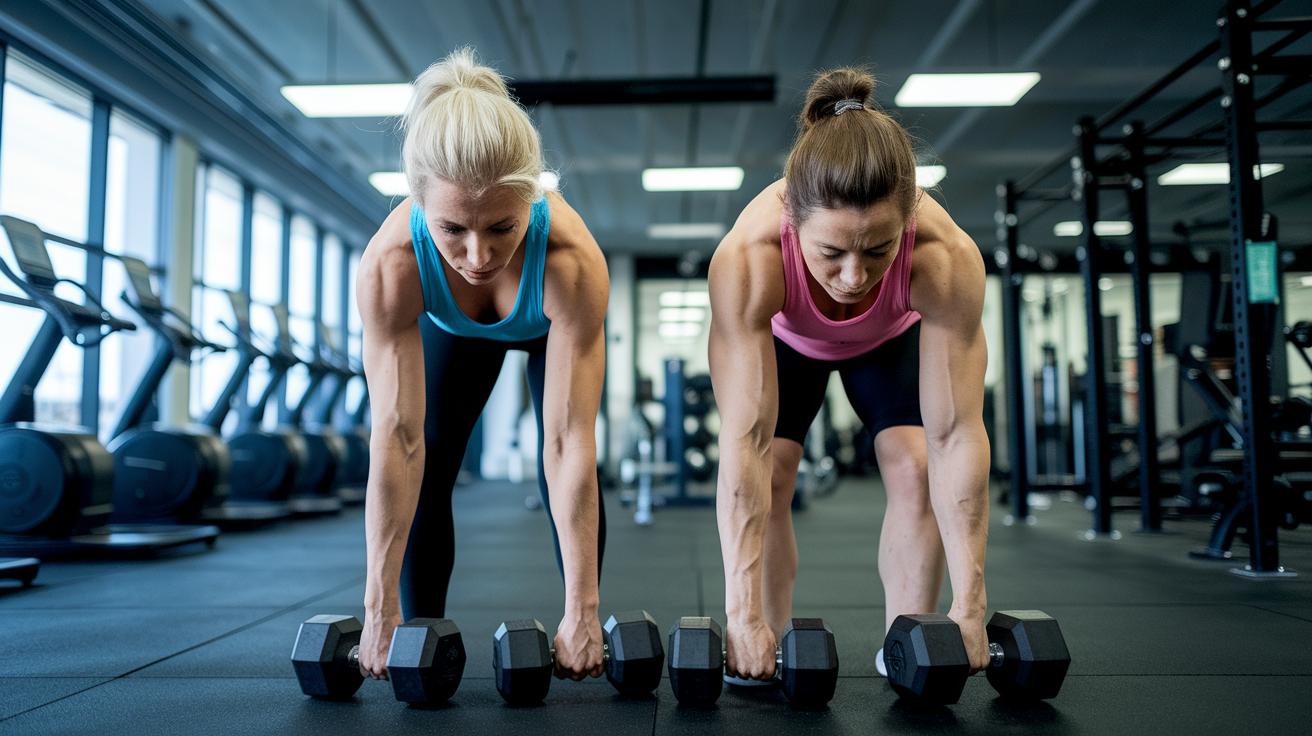
Group strength training is all about coming together to boost muscle strength, fire up your metabolism (how your body turns food into energy), keep your bones healthy, and make everyday movements easier. It uses smart workout ideas where a friendly vibe helps everyone reach their goals. Ever notice how just a few sessions each week can make a big difference? Many people say exactly that.
Classes can be simple with just a few pieces of equipment or set up as a full circuit. Picture doing a dumbbell exercise that tests your balance right before you move to a circuit full of different moves. The secret behind these sessions is the community feel. Working out as a group isn’t just about building muscle, it’s also about building friendships, sharing tips, and celebrating every little win together.
One of the best parts is that you’re not in it alone. Knowing others are working hard beside you makes it easier to stick with the routine. Many folks say they show up more consistently because they want to keep up with the team. Some programs even offer a free trial, so you can jump in and see if it fits your style without any pressure. This trial gives you the chance to try out different routines, get guidance from experts, and enjoy the support of your peers. In the end, group strength training mixes great exercises with a warm, inviting community that helps everyone work toward better health.
Group strength training Sparks Remarkable Fitness Gains

Group workouts with strength training boost your energy and make exercise more fun. Picture doing bodyweight challenges with friends, where everyone powers through push-ups, squats, and lunges together, giving each other a friendly push along the way. One friend might cheer, "After finishing just 10 strong squats, I’m ready for the next set!" This kind of support makes every rep feel possible and even enjoyable.
Using resistance bands spices things up even more. These bands help target your muscles, for example, doing band rows or band presses can tighten up your upper body. And when you mix in dumbbells or kettlebells with moves like biceps curls or kettlebell swings, everyone gets a chance to build strength while keeping their form just right. It’s pretty cool how each person can adjust the move to match their pace, creating a space where every fitness level can succeed.
Partner drills take the workout up a notch. Imagine tossing an 8- to 12-pound medicine ball back and forth for lunges or doing synchronized burpees with a buddy. That shared effort really lifts your mood and strengthens your muscles at the same time. Then there are HIIT circuits, short, intense bursts of moves like mountain climbers or timed burpees, that boost your heart rate, burn calories, and add a bit of friendly competition to the mix.
| Exercise Type | Example Movements |
|---|---|
| Bodyweight | Push-ups, Squats, Lunges |
| Resistance Bands | Band Rows, Band Presses |
| Dumbbells/Kettlebells | Biceps Curls, Kettlebell Swings |
| Partner Drills | Medicine Ball Tosses, Partner Lunges |
| HIIT Circuits | Timed Burpees, Mountain Climbers |
Group strength training class types: circuits, bootcamps, and themed workouts

HIIT strength bootcamps
Picture a burst of energy where everyone is moving in perfect sync. In a HIIT bootcamp, you work hard in short time frames with quick breaks. These fast-paced sessions help you burn calories and boost your energy. One trainer might cheer, “Let’s push hard for 30 seconds,” and suddenly everyone feels that contagious spirit and drive.
Circuit training stations
Circuit stations keep things fresh by letting you move from one exercise spot to the next. Each station has a focused task, like a set of squats or a quick round of jumping jacks. You switch stations to give your muscles a little rest before you start the next move. This mix of strength-building and light cardio helps you maintain good form while staying active and engaged.
Themed group challenges
Imagine workouts with a twist, like an 80s dance party with upbeat tunes or superhero challenges that spark friendly competition. These themed sessions add a playful element to your workout while focusing on building strength. They give you a chance to share a fun, memorable experience with others, making the workout feel more like a celebration than a chore.
Low-impact strength sessions
If you’re looking for a gentler approach, low-impact classes can be a perfect choice. These sessions often include chair-based exercises and gentle stretching routines that focus on controlled movements. They help you build strength safely at your own pace, making them a great option for anyone wanting a less intense workout.
Group strength training tips: improving technique and teamwork
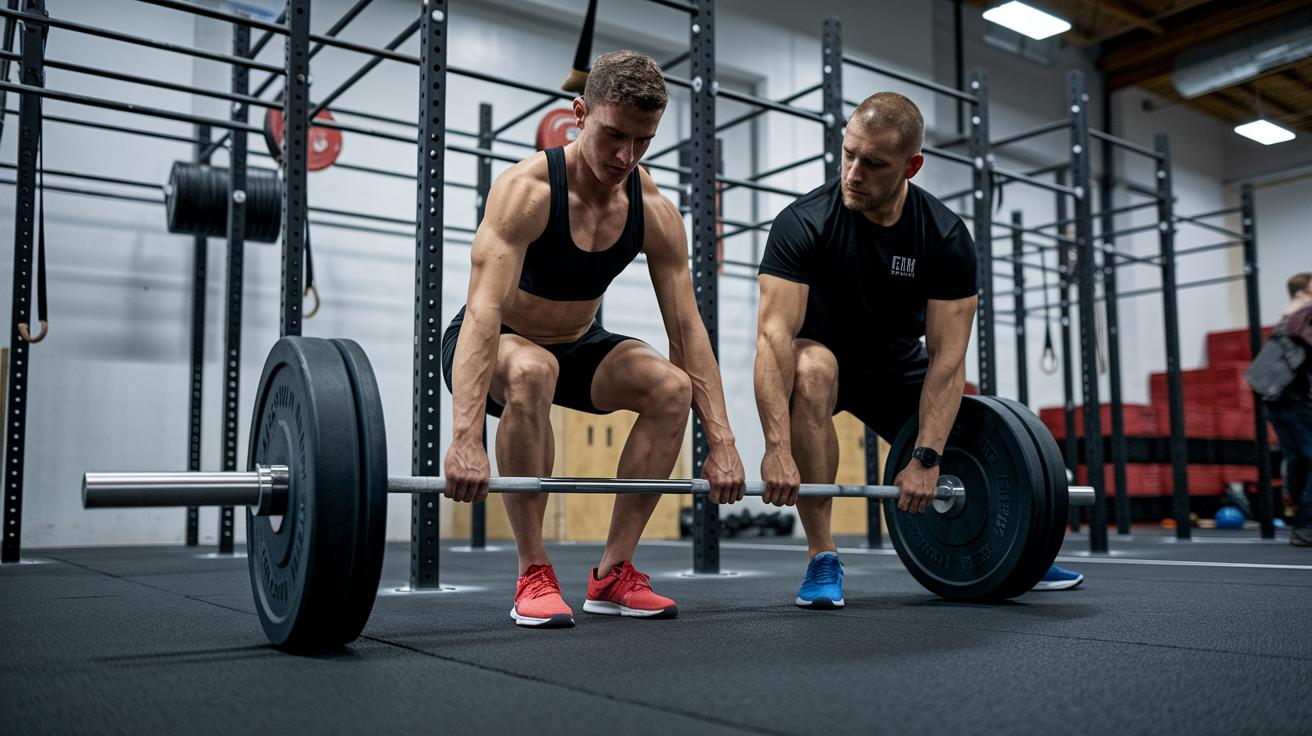
Starting off, keeping good posture and alignment is super important. Coaches are there to watch your movements and make quick fixes if your form slips. This helps prevent muscle imbalances (unequal muscle use) and keeps you safe.
Working out with friends makes it even better. In a group, your peers can offer real-time advice that boosts both your form and confidence. Have you ever noticed how a quick word from someone can really improve your lift?
It's smart to jot down your reps and sets. This way, you can see your progress over time and know when to change up your routine. That keeps your workout both safe and fun, while giving you a little challenge every time.
Everyone benefits by sharing tips on how to move and pace themselves. This kind of support sets a strong, friendly rhythm during the session and even adds a bit of a playful competitive edge.
- Keep your core tight and your back straight while lifting.
- Ask for a quick correction if you feel unsteady.
- Log each rep and set to track your progress.
- Give kind, helpful feedback to your workout partner.
- Adjust weights and movements to suit your own needs.
- Celebrate small wins together as a team.
Selecting the right group strength training setting: gyms, outdoors, and online
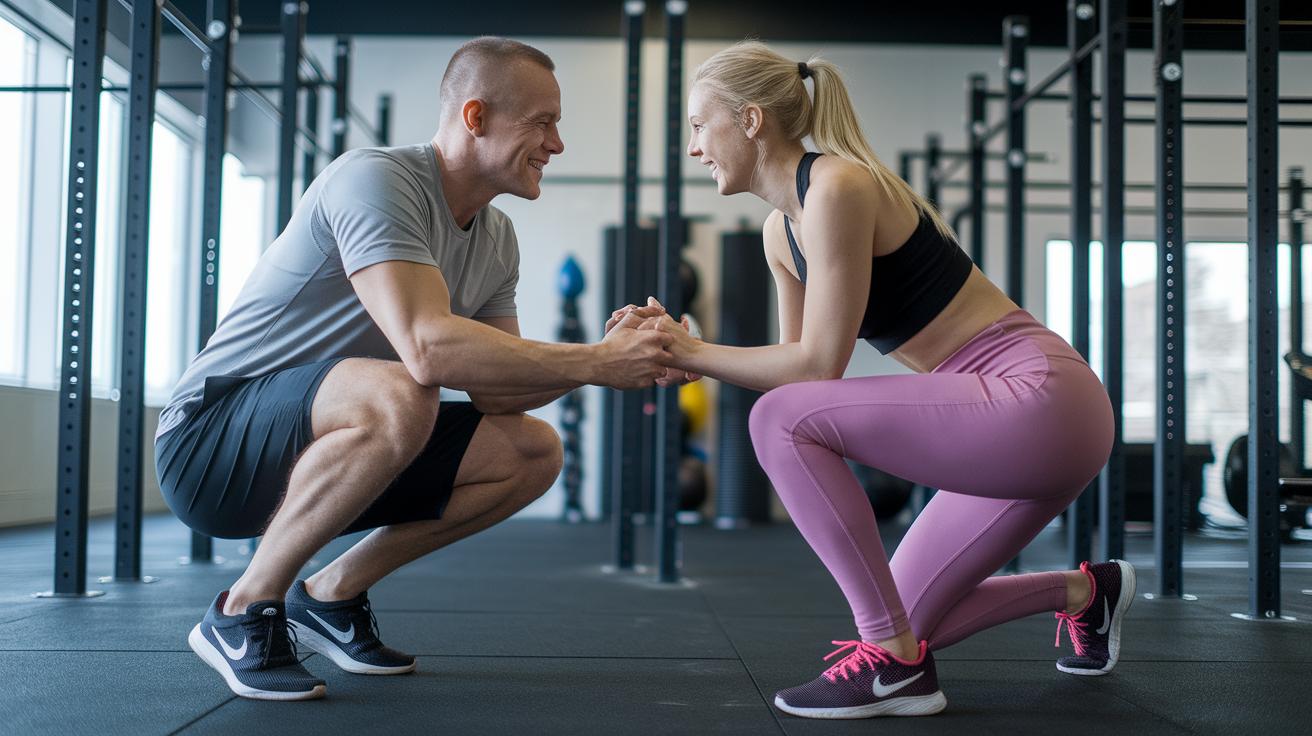
Many gyms now offer group lifting classes with set routines led by pros, making it easy to stick to your workout plan. If you love a controlled space with all the right equipment and plenty of room, a gym could be perfect. Imagine a lively gym where friendly trainers guide you through structured sessions, helping you lock in your workout time.
If fresh air is more your style, outdoor parks are a great choice. Picture a cool morning session in a local park where bootcamps or bodyweight meetups bring nature and exercise together. You'll find natural features like benches for step-ups and open ground for exercises, all while enjoying a budget-friendly workout that keeps you connected to your community.
For extra flexibility, virtual or hybrid classes let you work out from anywhere. Live streaming means you get real-time feedback from your instructor, almost like being in a real class. Plus, local community centers often host low-cost strength circuits that mix affordability with a genuine sense of team spirit. With options like these, building muscle, making friends, and reaching your fitness goals has never been easier.
Future directions in group strength training: trends to watch in 2025
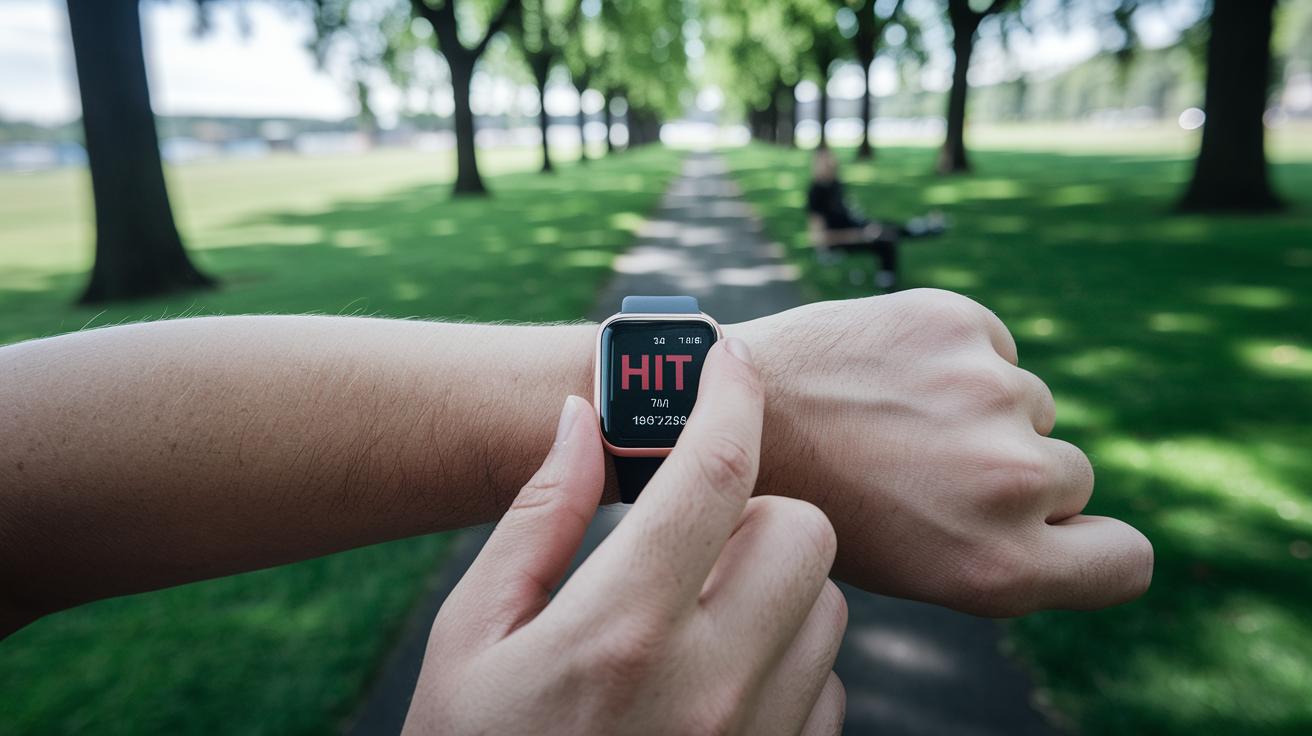
Next year will bring big changes to group strength training with exciting new tech and fresh class ideas. For example, wearable devices like Myzone, WHOOP, and Garmin now deliver real-time heart-rate data, so you can see how hard you're working during partner drills or HIIT circuits (HIIT stands for high-intensity interval training, short bursts of fierce exercise followed by brief rests). This interactive feedback keeps workouts engaging and fun.
Outdoor sessions are also on the rise as more people gather in parks and open spaces where nature boosts the spirit. In truth, virtual and hybrid class models are growing too, letting you join live-streamed workouts that mix convenience with the thrill of a live class.
New race-style challenges, inspired by formats like HYROX, are sparking friendly competition and giving routines a fresh twist. Plus, social media challenges and themed events invite everyone to explore and enjoy the evolving world of group exercise.
Final Words
In the action of group strength training, this guide covered what makes these sessions so effective, from bodyweight exercises to themed class formats that boost muscle building and motivation. We walked through practical workout strategies, simple equipment setups, and quick tips for better technique and teamwork.
By putting shared goals and smart routines into practice, you set the stage for better health. The insights here offer clear, evidence-based steps toward a more active and balanced lifestyle. Enjoy every step as you build strength and confidence!
FAQ
What is group strength training?
Group strength training is a workout method where people exercise together to build muscle and improve overall fitness using structured routines, supportive coaching, and a sense of community.
What are common group strength training program options near me?
Local programs are available at gyms, community centers, outdoor bootcamps, and even online. They offer guided workouts with minimal equipment to help you build strength while enjoying social support.
How can I do group strength training at home?
You can set up a group workout at home using bodyweight exercises, resistance bands, or free weights. Virtual classes or video calls let you share the experience in a comfortable, familiar space.
What muscle group combinations work best together?
Pairing opposing muscles like chest with back or quads with hamstrings provides balanced strength training. A well-planned schedule, such as a five-day split, supports efficient recovery and muscle growth.
What is 5 4 3 2 1 strength training?
The 5 4 3 2 1 strength training method organizes exercises into rounds with a countdown sequence. This style blends high-intensity moves and short rest breaks to boost endurance and muscle strength.
What is the 4 8 12 rule?
The 4 8 12 rule refers to a rep scheme that starts with a lighter warm-up set of four reps, then increases to moderate and higher reps for working sets, supporting strength and endurance gains.
What is the 3-3-3 rule in gym workouts?
The 3-3-3 rule means performing three different exercises for a muscle group, each in three sets. This balanced approach helps target the muscles effectively while promoting overall fitness.
What is a street workout?
A street workout is an outdoor exercise routine that uses bodyweight movements found in parks or urban environments. It emphasizes calisthenics like pull-ups, push-ups, and squats to build strength and endurance.
How does the overhead press target muscles?
The overhead press targets your shoulders and arms by lifting weights above your head. This exercise builds upper body strength while engaging core stability during a controlled motion.
What does the bent-over row build in workouts?
The bent-over row builds your back muscles by pulling weights close to your torso. This exercise supports better posture and overall upper body strength when performed with proper form.
What are the benefits of circuit training in group classes?
Circuit training in groups mixes strength and cardio exercises in a timed sequence. It boosts endurance, builds muscle, and keeps workouts lively while offering variety through station rotations.
How do aerobics and pilates differ in group strength training?
Aerobics focuses on heart-pumping, rhythmic movements for cardio fitness, while pilates centers on controlled, precise motions to enhance core strength and flexibility in a group setting.