Have you ever noticed how one deep breath can completely shift your mood? Taking a moment to meditate can clear away stress and invite calm into your day. Imagine the gentle rhythm of your breathing easing your worries and refreshing your energy. Even brief pauses can feel like small acts of healing, giving you a chance to look inside and ease old aches. In truth, self care isn’t just a quick break, it’s a way to rebuild your inner peace, one mindful breath at a time.
Meditation for self care: Brighten Your Day
Taking care of yourself is more than just treating yourself to a spa day or a quick break. Jamila reminds us that true self-care means healing old hurts and learning to say no when needed. It’s about looking inside you. Even small acts, like taking a slow, deep breath in the morning or pausing to enjoy a quiet moment, can help your body, mind, and spirit feel refreshed. Have you ever tried waking up slowly, feeling cool air fill your lungs and clear your thoughts? That’s what real self-care is all about: building strength and growing through life, not just enjoying a fun moment.
A simple self-care meditation starts by sitting comfortably and closing your eyes. Focus on your breath, let each inhale fill you with calm and each exhale wash away worry. Imagine breathing out all your tension, like dark clouds drifting off in the sky. This little practice helps clear your mind and ease stress. Over time, it brings inner peace and gives you a moment of calm that can brighten your whole day.
Mindfulness practice for personal wellness in self care meditation
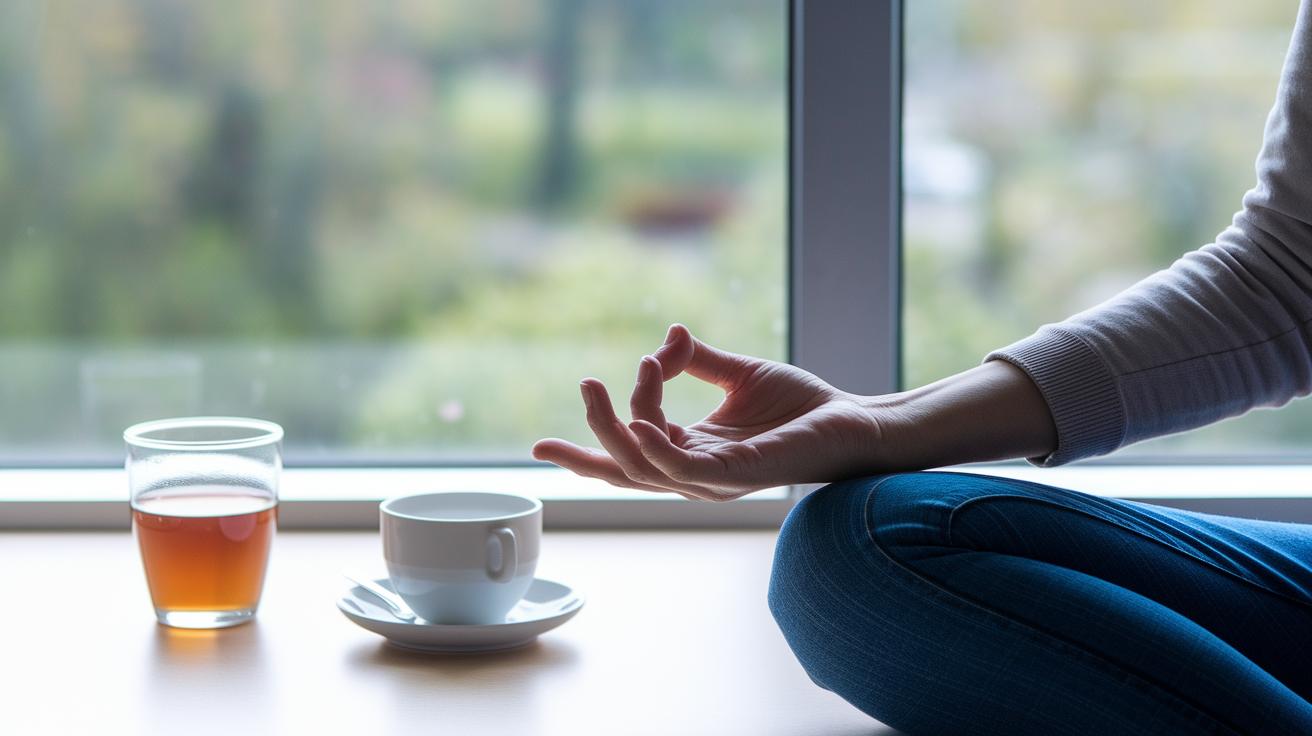
Mindfulness practice is a simple way to boost your well-being any time of the day. It helps you manage stress and sleep better while easing those anxious thoughts. Even a quiet moment during a meal, where you really focus on your food, can lift your mood. A recent 30-day study with an expert-led meditation app showed that regular mindfulness practice not only lowers stress but also builds inner strength and helps you create healthier daily habits.
There are many different ways to practice mindfulness, so you can pick what suits you best. Here are a few ideas:
- Stress-relief session (guided calm) – Enjoy a short session with a gentle voice that helps you clear your mind.
- Sleep meditation for restorative rest – Practice slow, deep breathing to drift into a calm, refreshing sleep.
- Anxiety-management visualization – Use your imagination to picture a peaceful scene that eases your worries.
- Loving-kindness meditation for self-compassion – Spend a few minutes sending kind, warm thoughts to yourself.
- Mindful eating pauses – Take a small break during meals to really taste and enjoy each bite. You can read more about mindful meditation techniques at this link: mindful meditation techniques.
Remember, even a few minutes of mindfulness can make a big difference in how you feel each day. Have you ever noticed how a small pause can suddenly bring a sense of calm? Enjoy exploring these techniques and finding the ones that fit best into your everyday schedule.
Step-by-step guided meditation session for self care
This guided session is here to help you get back in touch with yourself. It invites you to relax your mind and let go of the clutter that daily life brings. Backed by two decades of meditation practice and over 1,000 expert-led exercises, this session creates a calm space for you to find inner peace.
| Step | Instruction | Duration (sec) |
|---|---|---|
| 1 | Find a quiet, comfy spot where you can set a relaxed mood. | 60 |
| 2 | Close your eyes and take a few deep, slow breaths to start your session. | 45 |
| 3 | Feel the support of your chair or the floor beneath you as you settle in. | 60 |
| 4 | Focus on your deep, gentle breaths to invite fresh energy and ease stress. | 90 |
| 5 | Let go of any distractions by visualizing your worries drifting away. | 60 |
| 6 | Imagine a peaceful scene that fills you with comfort and good energy. | 75 |
After the session, you might feel a gentle warmth and a calm lightness in your mind. This practice leaves you more centered and ready to meet your daily tasks. As you return to your day, take a moment to slowly wiggle your fingers and toes. This little movement helps you feel grounded and thankful for the calm you’ve created. Maybe even jot a few thoughts or feelings in a journal to remember this serene pause, sometimes a small step can make a big difference.
Breathing exercises to enhance inner balance in self care meditation

Breath links our body and mind in a very natural way. When you take a deep look at your breathing, it can quiet the busy chatter in your head and bring a sense of calm. Each slow, deep breath in and gentle exhale works like a little reset button. Think about pausing in the middle of your busy day, feeling as refreshed as if you’d stepped outside on a crisp morning.
Focusing on your breath can help ease your physical tension and smooth out your emotions, letting you feel more grounded and centered.
- Diaphragmatic (belly) breathing
- Box breathing (4-4-4-4 pattern)
- Alternate nostril breathing
- 4-7-8 relaxation technique
Managing stress and emotions with self care meditation
Meditation helps you feel better quickly and over time. It gives you a quiet space to honestly examine your feelings and work through them. The Confession Statement method is a great way to do this because it encourages you to speak up about what you're experiencing, making your feelings easier to understand and accept. For example, you might say, "I feel overwhelmed today, but I'm learning to accept and let these feelings go." This helps you meet your inner challenges directly.
Try these simple steps during your meditation:
- Grounding awareness – Focus on the spots where your body touches the chair or floor and notice each point of contact.
- Focused breathing – Take deep, slow breaths. A steady breath calms your mind and eases tension.
- Confession Statement technique – Say or write a brief note to yourself that acknowledges your difficult feelings, like "I am feeling anxious right now, and that's okay." This can help you process your emotions sincerely.
- Reflective pause – Close your eyes for a moment and let your thoughts settle, checking in on how you feel inside.
Regular short sessions like these help you build resilience against daily stress. Each pause strengthens your ability to face challenges, promoting a balanced and calm approach to emotional well-being.
Integrating meditation into daily self care routines

Making meditation a part of your day is an easy way to invite more calm into your life. A few minutes of quiet time can help ease stress and keep your mood steady. Whether it’s a short, mindful pause in the morning or a gentle wind-down in the evening, each moment adds up to a peaceful routine.
| Time of Day | Practice Type | Duration |
|---|---|---|
| Morning | Quiet, mindful start | 10 min |
| Midday | A brief break to center yourself | 5 min |
| Evening | Reflective wind-down | 15 min |
Pairing your meditation with another daily habit can help keep you on track. For example, you might drink a glass of water before your morning session or enjoy a moment of calm right after lunch. These small cues make it easier to stick to your routine, and you might even try a helpful audio guide or a mini-course to keep you motivated. If intrusive thoughts start to crowd in, exploring mindfulness techniques for obsessive thoughts can be a great way to regain your focus. By taking these simple, consistent steps, you’ll build a sense of balance and renew your energy day after day.
Tools and resources for meditation-based self care
There are many easy-to-use tools that can help you enjoy meditation and take care of yourself. You can try fun digital apps, listen to calming audio guides, or use special affirmation cards with uplifting messages. These tools include short courses, hands-on workshops, and even a 12-minute podcast session that soothes your mind and lifts your spirit. When you mix and match these options, you create your own toolkit for daily self care that feels both fun and accessible.
- Mindfulness meditation for anger management apps – Explore user-friendly platforms with guided audio sessions and mini-courses.
- Podcasts – Enjoy brief, focused sessions that help you find moments of peace.
- Affirmation cards – Find inspiring words that boost your mood and strengthen your mindset.
- Workshops – Join interactive sessions and short courses to dive deeper into your meditation practice.
- Community groups – Connect with others for shared mindful exploration and emotional support.
Final Words
In the action of trying these simple practices, the blog post explored how self-care goes beyond surface level by incorporating mindful reflection and solid meditation for self care techniques. Each section offered practical steps, from grounding exercises to calming breath work, making self-care feel approachable for everyday life.
This discussion reminds us that small, mindful actions can help reduce stress and boost well-being. Taking time out for meditation for self care can truly brighten your day and nurture a balanced mind and body.
FAQ
What is a self-care meditation script?
A self-care meditation script is a guided plan that helps you relax, focus on your breathing, and set gentle intentions to nurture your body and mind during stressful moments.
How can I find self-care meditation on YouTube?
Self-care meditation on YouTube offers guided exercises, soothing visuals, and easy-to-follow instructions designed to provide calming breaks and help you reconnect with your inner peace.
What are some self-care mindfulness activities?
Self-care mindfulness activities include simple practices like breathing exercises, brief guided visualizations, and moments of reflective pause that help you stay present and ease daily stress.
What is self-love meditation?
Self-love meditation is a practice where you focus on affirmations and gentle reflection to appreciate yourself and promote emotional healing while building a kinder relationship with your inner self.
What are some simple self-care ideas?
Simple self-care ideas can be as basic as taking short pauses for deep breathing, enjoying a quiet moment with a favorite drink, or engaging in a quick guided meditation to rejuvenate your mind.
What are the 7 core principles of self-care?
The 7 core principles of self-care often include balance, self-awareness, boundaries, stress management, healthy habits, emotional support, and compassion, all of which support your overall well-being.
How does meditation support self-care?
Meditation supports self-care by calming your mind, reducing stress, and improving focus. It helps quiet internal chatter, refreshes your spirit, and brings clarity to your everyday life.
What are 5 effective self-care strategies?
Five effective self-care strategies are practicing mindfulness, staying hydrated, setting clear boundaries, taking regular breaks, and engaging in reflective activities that nurture both your mind and body.
What are the 3 C’s of mindfulness?
The 3 C’s of mindfulness refer to calm, clarity, and connection. They guide you in developing a peaceful state of mind, a clearer perspective, and a deeper connection with your inner self.