Have you ever thought that one minute of mindful breathing might ease the tension of a busy workday? When deadlines pile up and meetings seem endless, a short, simple break can clear your mind and bring calm. In this post, I'll share some easy breathing exercises and desk stretches that can lower your anxiety. A few small moments of care might show you that calm is closer than you ever imagined.
Immediate stress relief techniques at work: Boost Office Calm

Sometimes work can feel overwhelming with deadlines, constant emails, and back-to-back meetings. You might notice your heart racing, your breathing quickening, and tension building up in your muscles. Here are some quick, easy ways to hit pause and bring calm back to your workday.
-
Mindful Breathing – 1 minute
Take slow, deep breaths for about a minute. Focus on each breath as it helps ease your mind and soften the tightness in your body. -
Belly Breathing – 1 minute
Rest one hand on your stomach and take deep breaths. Feel your belly rise and fall with every inhale and exhale, reminding you to slow down. -
4×4×4 Breathing Rhythm – 1 minute
Breathe in for 4 seconds, hold your breath for 4 seconds, and then exhale for 4 seconds. This simple rhythm can help ease anxiety quickly. -
Desk Stretches – 2 minutes
Take 2 minutes to gently stretch your shoulders, neck, and wrists. This helps release the physical tension that builds up during long hours at your desk. -
Quick Errand or Tea Break – 3 minutes
Sometimes, stepping away for a short break can make a big difference. Grab a cup of tea or run a quick errand to give your mind a fresh start.
Each of these techniques works by shifting your focus and inviting your body to relax. Whether you try mindful breathing or a few simple stretches, these small pauses can break the stress cycle and bring a bit of calm to your workday. Have you ever felt that a brief pause makes all the difference?
Mindfulness and meditation techniques at work

Taking a few moments out of your busy day for mindfulness can help lower stress and ease tension. Even just a few deep, focused breaths can bring calm when work feels overwhelming. It’s a simple way to take mini breaks right at your desk without needing to step away entirely.
One-Minute Meditation
Try setting aside one minute to close your eyes and sit up straight. Focus on your breathing by inhaling slowly and deeply, then exhaling with intention. Think of this as a little reset for your mind. You might even say to yourself, "I'm calm and focused," while counting your breaths. It's an easy practice that helps quiet any scattered thoughts.
Guided Visualization
Next, settle into a quick guided visualization. Picture yourself in a peaceful place, a quiet beach or a gentle forest. Imagine every detail: the soothing sound of gentle waves or the soft rustling of leaves. If you need more guidance, you can explore simple mindful meditation techniques online. This little mental escape can help break up stress and create a sense of calm right at your desk.
Structured Daydreaming
Give your mind a short, structured break by letting it wander productively. Think about a happy memory or an exciting future plan. Keep your focus relaxed, so you don’t get swept away by unrelated thoughts. This practice can help reset your concentration and recharge your creative energy.
Regularly practicing these mindfulness routines can add up to a clearer mind, better focus, and boosted productivity, even on the busiest days.
Desk-based physical exercises for stress relief
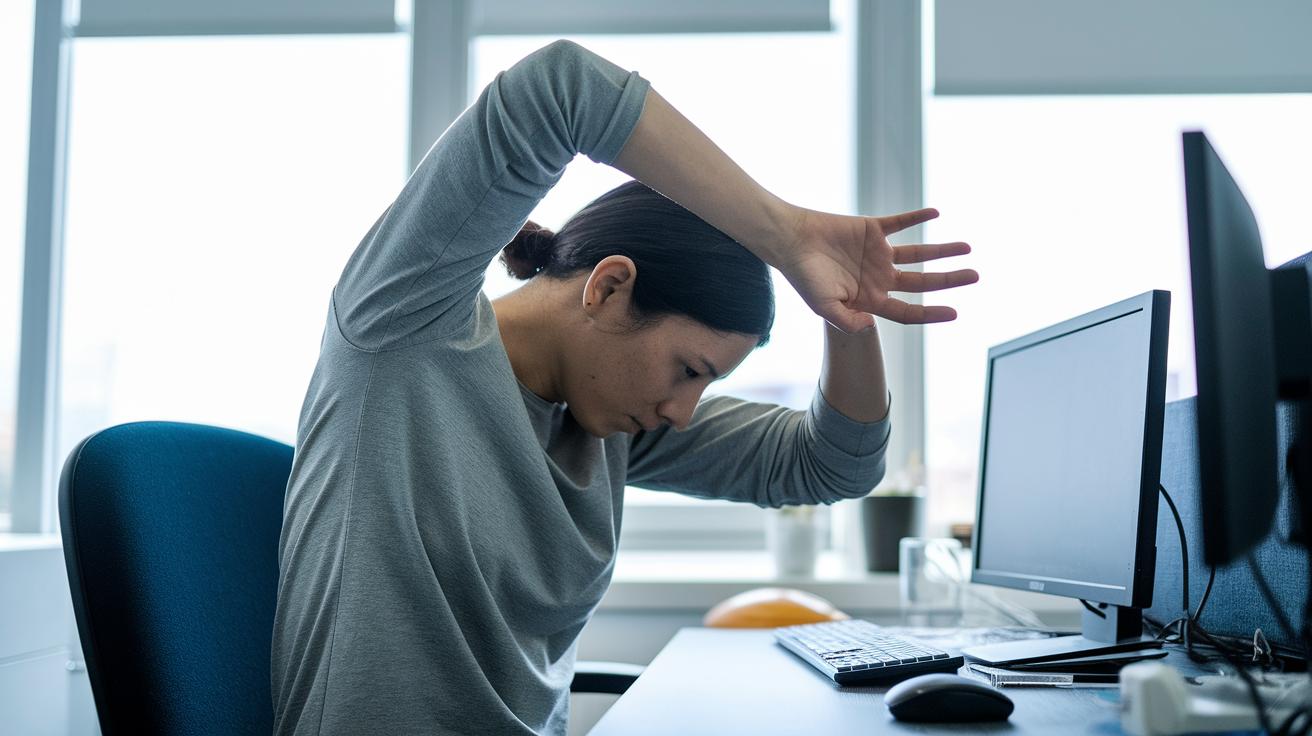
When work gets overwhelming and you feel the tension from long hours at your desk, a few simple stretches can really help ease that stress. Taking a short break to move around not only boosts your circulation but also gives you a quick mental and physical refresh.
- Neck Tilt – Gently tilt your head to one side to stretch your neck muscles and hold for about 15 seconds.
- Shoulder Rolls – Slowly roll your shoulders forward and then backward, doing 10 rolls in each direction to ease any shoulder tightness.
- Seated Spinal Twist – Sit up straight, cross your arms over your chest, and twist your upper body gently to one side. Hold for about 10 seconds, then switch sides to help ease tension in your back.
- Wrist Stretches – Extend your arms and stretch your wrists by holding each stretch for around 15 seconds. This can help loosen up the strain from typing.
- Facial Jaw Release – Open your mouth slowly and hold it wide for about 10 seconds to relax your jaw and reduce facial tension.
Even doing these stretches in short bursts throughout your day can really add up to noticeable relief. Try fitting them in after a meeting or during a long work session to keep your body relaxed and your mind clear. And don’t forget to sit up straight and change your seating position from time to time – your body will thank you!
Break and time-out methods during the workday

Taking a few quick breaks during work can give your mind a chance to rest. Even a short pause, like running a small errand, sharing a tea break with a coworker, or reading for a few minutes, helps ease built-up stress and can even boost creativity. These little breaks tell your brain it's time to reset and get ready for focused work.
Stepping away for a bit, like going for a brisk walk or turning off extra notifications, can really lighten your mental load and lift your mood. Such simple pauses help you stay sharp and focused throughout your day.
Try setting aside 5 to 10 minutes for a break every 60 to 90 minutes. Picture yourself stepping out for a refreshing walk around the block, with the cool breeze clearing your thoughts, or enjoying a calming tea break that gives you a moment to relax and connect with someone.
Designing a calm and supportive workplace environment
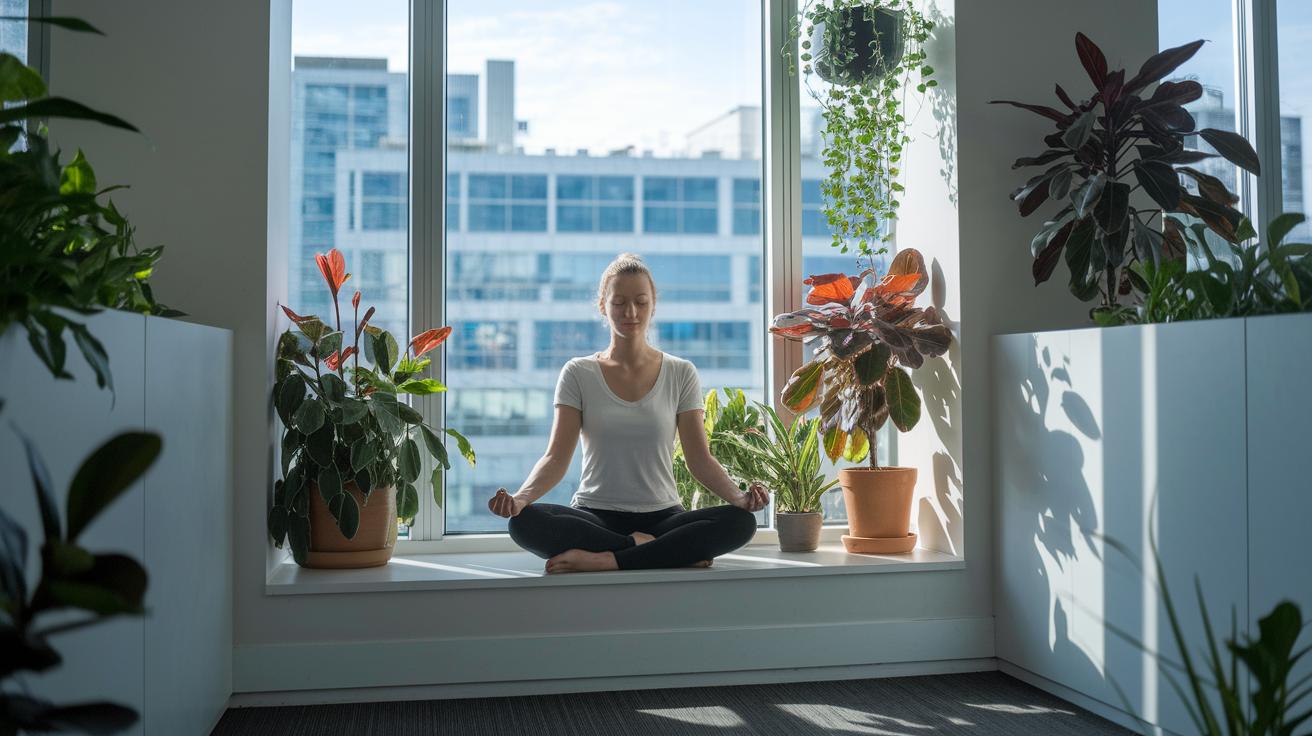
In today’s bustling office, a calm and friendly space can really change your day. Simple tweaks in your surroundings can help lower stress and bring a brighter mood. Even tiny shifts, like adding a bit of nature or taking a moment for quiet reflection, can turn a crowded workspace into a relaxing hideaway.
Greenery and Personalization
Invite nature into your workspace by placing a few plants, fresh flowers, or even a small succulent on your desk. These natural touches freshen the air and help clear your mind. You might also add personal photos or calming art that remind you of happy times. Imagine a corner filled with gentle greens and warm colors that feels just like a mini garden on a busy day.
Technology Controls and Quiet Zones
Try setting aside a quiet space or even specific quiet hours to cut down on digital interruptions. Adjust your device settings to turn off non-essential alerts so you can focus better when needed. Picture a cozy nook with soft lighting and comfortable seating where you can relax or concentrate. This simple step clears mental clutter and makes it easier to get work done without the stress of constant notifications.
Wellness Programs and Peer Support
Think about organizing wellness sessions at work or online, like chair massages, short talks on money management, or friendly discussions about mental health. Small peer support groups can also be a great way to share tips for easing stress. Even a brief team game break can lift spirits and remind everyone that promoting well-being is a team effort.
When simple changes and supportive programs work together, you create a workplace where stress takes a backseat and everyone works toward better well-being.
Building long-term stress management skills at work

When work stress sticks around, it can slowly take a toll on how well you do your job. Constant stress can lead to burnout, anxiety (feeling very worried) and even depression, not to mention making you miss more than 25 workdays a year. Over time, the pressure builds until you feel drained and distracted, and even small tasks seem tougher.
One effective way to beat stress is to use simple cognitive behavioral techniques. In plain language, these methods help you change negative thoughts and calm your fear by questioning those unhelpful ideas. For example, if your workload feels too heavy, try breaking it down into smaller tasks and celebrate each little win. It’s all about creating your own self-care plan, jot down small steps like taking a short break or writing a quick note during a quiet moment. These small habits act like a safety net, keeping stress from snowballing into burnout. And really, taking charge of your mental health today builds a strong base for tomorrow.
Also, checking in on your stress levels from time to time can work wonders. Think of it as a mini audit: look at what triggers your stress, note the coping methods that worked well, and see where you could improve. Whether it’s a quick chat with a teammate or a more formal stress management session led by your manager, these regular reviews help create a more positive work vibe. When managers encourage honest talks about stress and focus on everyone’s well-being, it builds a team where everyone feels supported. This approach not only fixes problems right away but also helps set up lasting habits that keep stress in check and boost your personal strength over time.
Final Words
In the action, we explored quick fixes like mindful breathing, short desk stretches, and mini-meditations that can ease work stress. Simple shifts, such as taking a brief walk or setting up a quiet workspace, work together to lower pressure and boost focus.
These easy stress relief techniques at work can brighten your day and help you feel more calm. Enjoy trying them out and feel the positive change in your well-being.
FAQ
What are 5 effective ways to manage stress in the workplace?
The five effective techniques include mindful breathing, short desk stretches, mini breaks for tea or a walk, one-minute meditations, and quick mindful pauses that help lower stress levels.
How can I relieve stress quickly at work?
Relieving stress quickly at work involves taking deep, slow breaths, doing a brief stretch, enjoying a short walk or tea break, and practicing a minute of focused mindfulness to ease tension instantly.
How can I deal with work stress and avoid feeling overwhelmed?
Dealing with work stress means using quick breaks and practices like deep breathing, brief meditation sessions, and simple stretches to keep anxiety at bay and maintain a clear mind throughout the day.
How can women relieve stress effectively at work?
Women can benefit from quick stress relief methods such as mindful breathing, desk exercises, and short breaks that allow for a refreshing pause and a steady return to tasks with renewed calm.
What do the 5 C’s of stress management represent?
The 5 C’s highlight keeping calm, maintaining clarity, staying in control, developing good coping skills, and caring for your overall well-being as part of a balanced approach to stress relief.
Where can I find a stress management at workplace PDF?
A typical stress management PDF outlines practical tips like breathing exercises, simple desk stretches, mini walks, and short mindfulness techniques, all aimed at reducing workplace stress effectively.