Have you ever wondered if your health care is really made just for you? In our fast-changing tech world, new health care ideas are making care more personal. Doctors now look at your unique genetic code, lifestyle, and medical history to create a care plan that feels tailor-made for you.
They use smart tools like artificial intelligence (computer programs that learn), wearable sensors (small devices you wear to track things like your steps), and telemedicine (seeing your doctor on video) to adjust treatments. This means you get treatments that work better and come with fewer side effects.
This post dives into how these modern methods are changing patient care and putting you at the center of your own health journey.
How Personalized Health Innovations Provide Customized Care Outcomes
Personalized health innovations make patient care feel truly custom. They adjust treatments based on your unique genes, lifestyle, and medical history. This means doctors can tailor plans that work better and lead to fewer side effects. New tools like artificial intelligence, precision medicine (that is, treatment tailored to you), wearable sensors, and telemedicine are changing how we receive care. For example, digital patient interfaces let you take an active role in your own well-being.
- Artificial intelligence
- Precision medicine
- Wearable sensors
- Telemedicine platforms
- Genetic testing
In many clinics, digital systems work together with electronic health records to support smarter decisions (see "What is Integrated Health Care"). These customized plans help catch problems early and cut costs by avoiding unneeded treatments. With focused monitoring and clear data, patients often see fewer side effects and enjoy a more hands-on role in their care. This smart, data-based method lets doctors craft treatment plans that are both safe and effective, making your care experience feel personal and empowering.
Genomic Profiling Powering Personalized Health Innovations
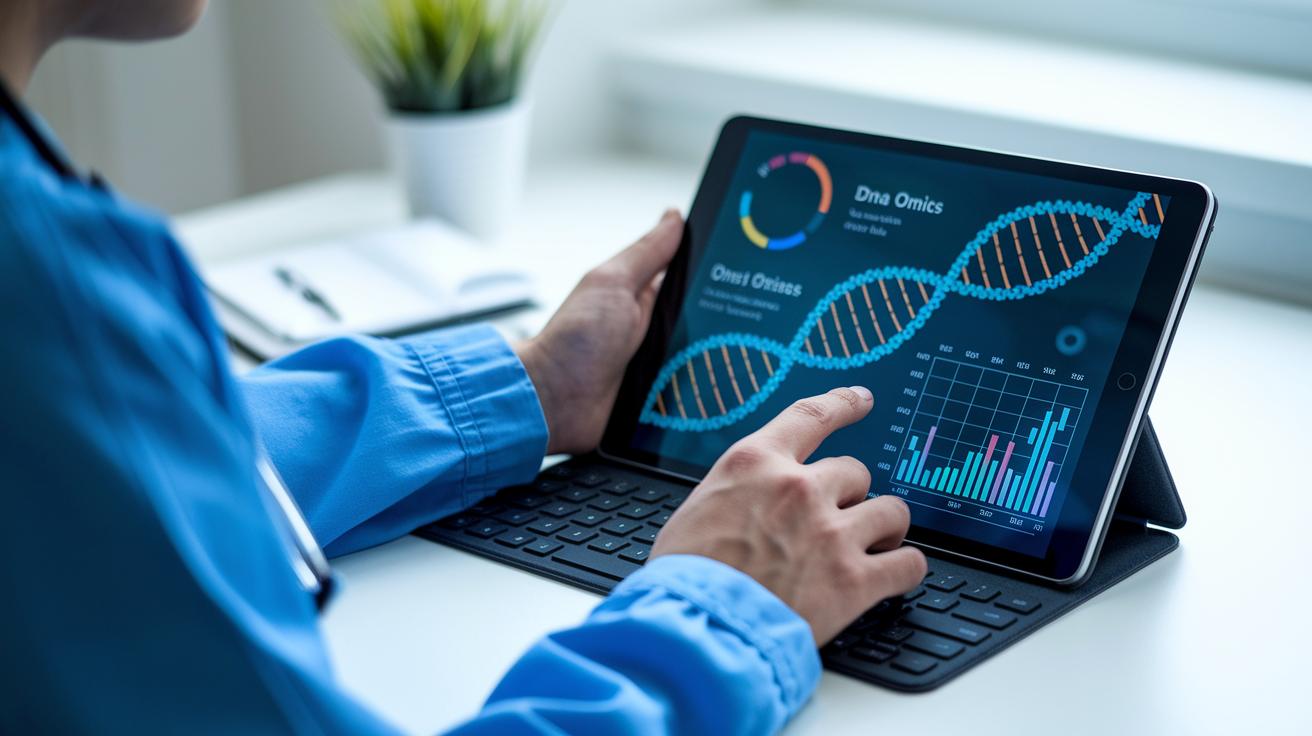
Ever wondered what secrets lie in your genes? Thanks to modern sequencing, we can now take a closer look at the blueprint of your body. Experts read your genetic code to spot little differences that might change how you react to medicine. This means your doctor can create a treatment plan that’s as unique as you are, kind of like getting a shirt tailored to fit perfectly.
Then there’s omics profiling. This approach digs deeper, revealing tiny molecular details that show your risk for certain diseases. By using genomics, proteomics (the study of proteins in your body), and metabolomics (how your body uses energy), specialists can piece together a full picture of your health. And when artificial intelligence blends this info with everyday details about your lifestyle, it crafts a custom blueprint for your treatment. It really turns a heap of complex data into clear, easy-to-follow advice.
Here’s a quick look at the different types of profiling:
- Genomics profiling (analyzing gene sequences)
- Proteomics profiling (mapping protein functions)
- Metabolomics profiling (tracking metabolic pathways)
- Transcriptomics profiling (measuring gene expression)
Smart Wearables and Remote Diagnostics in Personalized Health Innovations
Wearable technology is changing the way we look after our health every day. Today’s smart devices can track key signs like your heart rate in real time so you and your doctor can understand what’s happening outside of the clinic. For example, Mobithera’s remote physiotherapy app blends mobile sensors with smart software to guide you through customized exercise routines. This gentle, noninvasive check-in method gives you constant feedback, helping catch issues early and even cutting down on hospital readmissions.
Remote diagnostics are also stepping up as a key part of personalized health care. These tools help manage telemedicine sessions smoothly by giving you instant insights about your health through live data. It feels like having a personal care coach who lets your doctor fine-tune treatments on the go. With the hunger for these smart solutions growing, experts even predict that the wearable health device market could hit nearly $38.9 billion by 2026.
| Device Name | Function | Application |
|---|---|---|
| Mobithera App | Personalized exercise guidance | Remote physiotherapy |
| Wearable Monitor | Real-time vital tracking | Reduce hospital readmissions |
All in all, weaving together smart wearables and remote diagnostics creates a connected care system that really keeps your needs first. It’s like having a personal health team right by your side, always ready to help you stay on track.
AI and Machine Learning Shaping Personalized Health Innovations
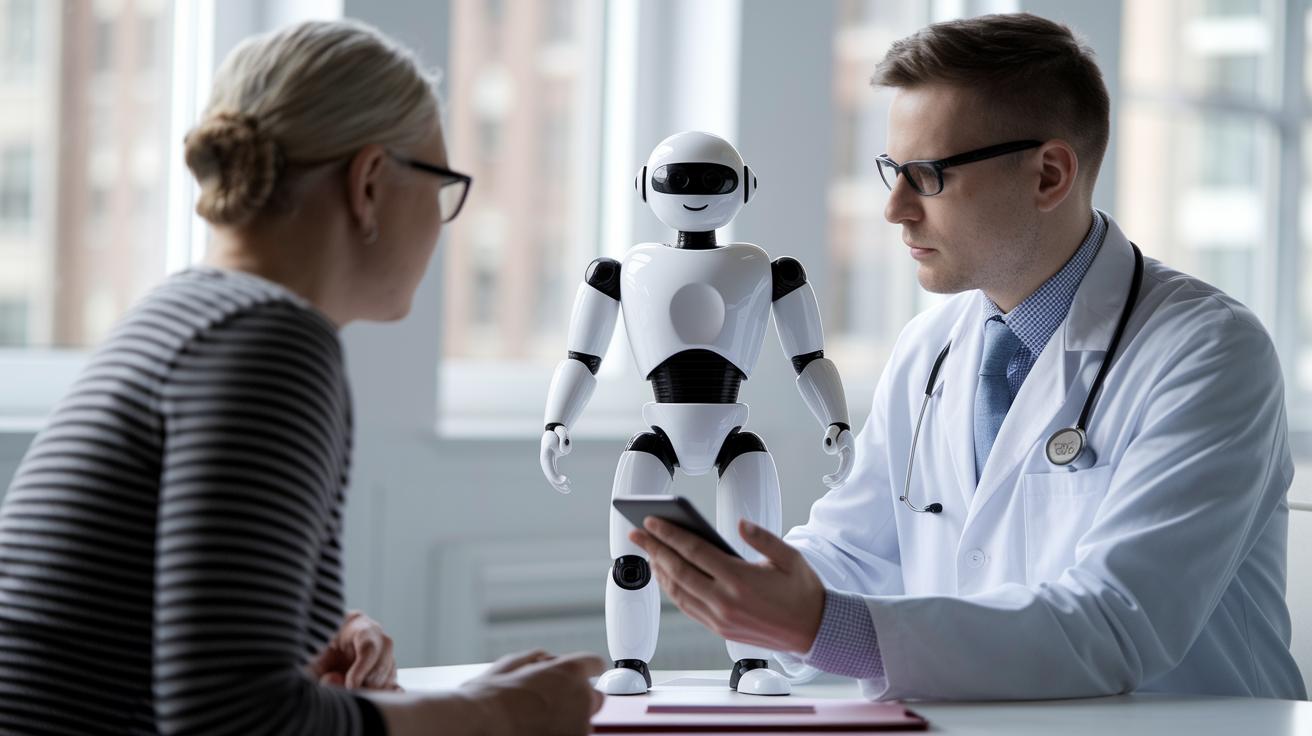
AI and machine learning are changing the way we care for patients by turning huge amounts of raw data into clear, actionable insights. For example, smart AI tools are now spotting early signs of brain diseases that affect many people by catching little clues that might otherwise be missed. At the same time, machine learning helps chart the tiny bugs in our bodies (the microbiome) so that treatments can be tuned just right. Tools like Health Data Trends mix data from your genes, environment, and daily habits to show risks and offer clear, step-by-step advice.
These clever systems also help doctors make better decisions by looking at different patient factors all at once and cutting down on mistakes. With risk prediction built into these tools, health professionals have a smart helper that learns and improves with every new bit of data. This means treatments can be adjusted more quickly and made even more personalized. In short, these advances lead to a smoother and more interactive way to care for patients.
- AI-powered early diagnosis
- Algorithmic risk prediction
- Predictive remedial computations
- Microbiome mapping for treatment targeting
- Enhanced clinical decision support
All these features work together to build a strong system that shapes better treatment plans while reducing errors. By pointing out risks clearly and guiding every health decision, AI and machine learning are laying the foundation for a new era of care where treatments are both effective and truly made just for you.
Advanced Therapeutic Technologies Driving Personalized Health Innovations
Recent breakthroughs in health care are changing the game by offering treatments that are tailored to each person. Scientists are creating tiny tools that work on the smallest scales to deliver live data while keeping procedures as soft as possible. This means doctors can provide treatments that suit your body better and reduce the usual side effects.
- Nanocomposite seaweed sensors to collect patient data in real time with minimal invasion
- miRNA-based prenatal platforms that aim to lower the risk of stillbirths in smaller babies
- Red blood cell-derived vesicles that deliver tPA with a lower chance of causing bleeding
- Enzyme-based anti-biofilm techniques to fight chronic wound infections and antibiotic resistance
- 3D printed prosthetics that offer custom support and implant mechanics
These smart tools are set to transform patient care by blending modern technology with very precise treatments. With methods that work at a microscopic level, health experts can step in to solve issues before they grow more serious. In truth, this mix of technology and careful care not only makes treatments more effective but also helps you feel more confident knowing that your care is truly personal.
Security, Privacy, and Compliance in Personalized Health Innovations

Patient health data is very sensitive, and it needs extra attention. Health records can be at risk if proper safety steps aren’t taken. Laws like HIPAA (a law that protects patient health information) and various state rules are here to make sure every bit of information is safe and secure. These rules help not only with following the law but also with building trust between patients and their care teams.
Secure record systems and encrypted health information exchanges are key tools in keeping your data private. These systems work together to block any misuse and prevent leaks. They build a digital shield that keeps sensitive information out of harm’s way, so healthcare providers can use this data with confidence and ease.
Digital consent processes and audit trails add extra layers of security too. By confirming your permission with digital signatures and keeping clear logs of who accesses your data, healthcare groups create a transparent record of accountability. This careful method of protecting information helps you feel safe while ensuring that the technology we use is both responsible and secure.
Emerging Trends and Future Directions in Personalized Health Innovations
Big changes are coming to personalized health care, and it’s really exciting. Advanced AI is now helping make medications that fit your unique genetic makeup. This means your treatment could be specially designed just for you.
Innovations like augmented reality repair kits and 4D printing are making therapy sessions more fun and interactive. Imagine your physical therapy turning into an immersive experience where each move feels both engaging and effective.
Scientists are also exploring fresh ideas with new technologies. Tiny drug carriers using nanotechnology (small particles used to deliver medicine directly where it’s needed) and organs printed from living cells are on the verge of reaching our clinics. These breakthroughs promise treatments that are sharper and more focused on your specific needs.
- Next-generation AI that crafts medications based on your genes
- Augmented reality tools and 4D printing transforming rehabilitation
- Nanotech drug carriers and lab-made organs moving closer to regular use
Final Words
In the action, we explored how custom treatments based on genetic profiles blend with smart devices and AI algorithms to improve care. The article highlighted practical tools for better fitness, stress management, and nutritional insights. We also touched on data protection and future tech trends that help safeguard patient information. Every part of the discussion shows that personalized health innovations are making care more responsive and clear. Embracing these advances can truly enhance overall well-being and bring a fresh, positive outlook on life.
FAQ
How do AI and precision medicine shape personalized health care?
The combination of AI and precision medicine shapes personalized health care by analyzing genetic data, lifestyle, and medical histories to create customized treatment plans with fewer side effects and improved outcomes.
What challenges do AI technologies face in personalized healthcare innovation?
AI technologies in personalized healthcare face challenges like data privacy, integration with existing systems, and ensuring accurate algorithm performance while striving to enhance diagnosis and treatment plans.
What is an example of personalized healthcare?
An example of personalized healthcare is using genetic testing to determine the most effective medications and preventive measures tailored to an individual’s unique genetic makeup and lifestyle.
What are some examples of innovation in healthcare?
Innovations in healthcare include wearable sensors for real-time monitoring, telemedicine platforms that offer remote consultations, and AI-powered tools that guide treatment decisions based on comprehensive patient data.
What are the 4 P’s of personalized medicine?
The 4 P’s of personalized medicine are predictive, preventive, personalized, and participatory, emphasizing the use of data to forecast conditions, prevent risks, tailor treatments, and involve patients in their care.
Which innovation shows great promise in personalized medicine?
Innovations like AI-driven genomics and precision diagnostics show great promise in personalized medicine by enabling tailored treatment strategies through detailed genetic insights and real-time data monitoring.
How do AI precision medicine companies contribute to personalized care?
AI precision medicine companies contribute by developing advanced algorithms that analyze vast amounts of health data, helping to design individualized care plans that improve treatment accuracy and reduce unnecessary side effects.
How does generative AI impact personalized medicine?
Generative AI impacts personalized medicine by producing patient-specific treatment suggestions and simulations, enhancing the customization of therapies and improving the overall decision-making process for care providers.
What does the future of personalized medicine hold?
The future of personalized medicine holds more effective, data-driven treatments that integrate AI, genomics, and smart wearables, leading to proactive care that is both efficient and tailored to individual needs.