Ever feel like stress is taking over? Imagine pausing during a busy day to take a deep breath, step outside for a taste of nature, or even splash cool water on your face.
These small breaks help shift your mind away from constant worries so you can feel both calm and full of energy. It’s amazing how a tiny change can clear your head and lift your mood.
Ready to try something new? Keep reading for simple ways to ease stress and bring a steady, refreshed feeling to your day.
Immediate Stress Relief Techniques You Can Try Right Now
When stress strikes, it’s important to have quick solutions at hand. In a rush of deadlines, surprises, or just a busy morning, these tips can help bring a sense of calm and give you a little boost. They work by calming your heart and pulling your mind away from any worries so you can feel more steady and refreshed.
- Deep breathing – Sit up straight and try a deep breathing exercise. Breathe in slowly through your nose for a count of four, hold for a brief moment, then breathe out completely. Picture your belly gently expanding as you inhale and relaxing as you exhale.
- Nature break – Step outside for about 10 minutes to enjoy some fresh air and natural sunlight.
- Pet interaction – Spend a little time with a pet or a loved one. A few gentle strokes or a cuddle can help release oxytocin, the hormone that makes you feel good.
- Desk stretches – Take a moment to stand up and stretch your neck, arms, and back to ease any tension in your muscles.
- Face splash – Splash some cool water on your face. It’s a simple, refreshing way to wake up your senses.
- Guided imagery – Close your eyes and imagine a peaceful scene, like watching a calm lake at sunrise. This can help shift your focus away from stress.
These easy tips break the cycle of stress, giving your mind a quick reset. Try one or several of these techniques the next time you feel overwhelmed, and notice how a small change can lead to a calmer, more energized day.
Mindfulness and Meditation Practices for Ongoing Stress Management
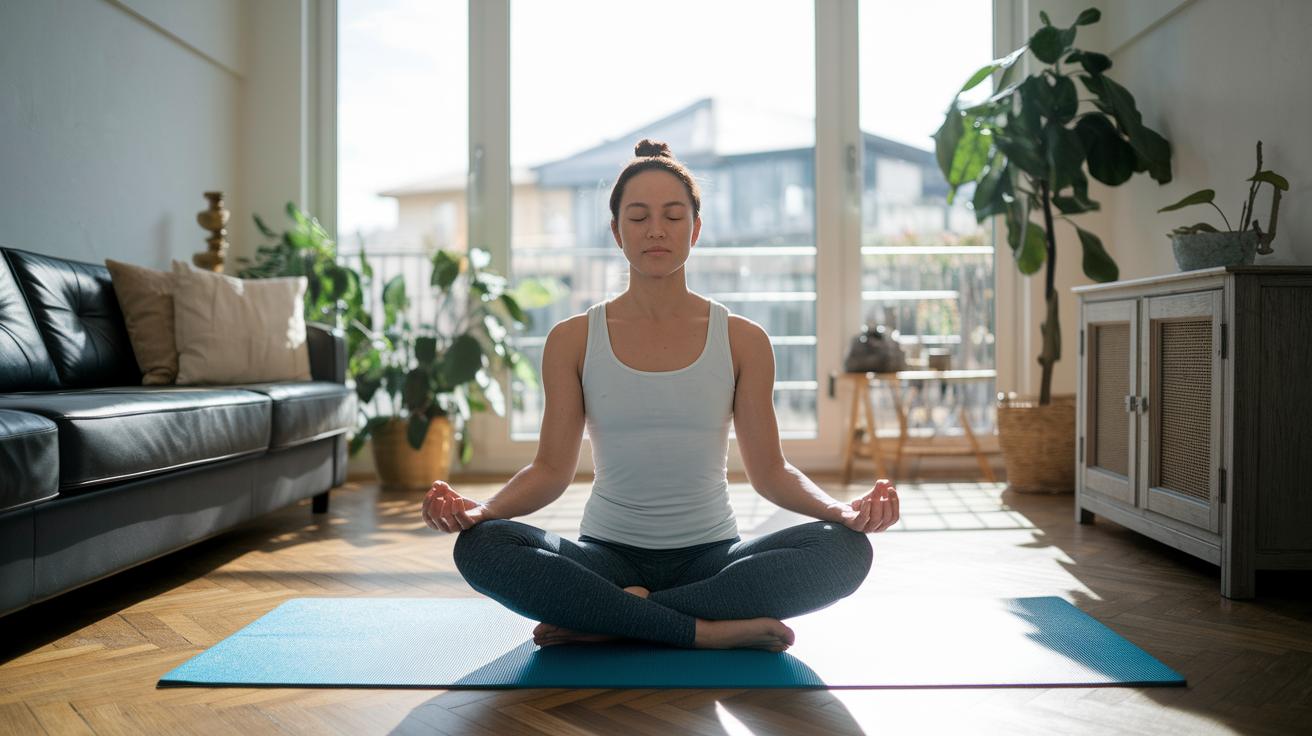
Mindfulness-based cognitive therapy (MBCT) is a simple, powerful tool that helps reduce stress by letting you sit with your feelings without judging yourself. Research shows that even a quick mindfulness session can help steer your mind away from worries. If you’d like to give it a try, check out some basic steps here: https://siluk.net?p=1170.
Guided meditation is another friendly way to calm your mind. Find a cozy spot, sit comfortably, and let your thoughts slow down. Many people share that guided sessions, like the ones linked in mindfulness meditation for racing thoughts (https://healthandwealth101.com?p=1072), help them regain focus and ease anxiety in just a few minutes.
Another technique you might enjoy is a body-scan practice. Slowly shift your attention from your head all the way to your toes, letting any tightness fade away. This mindful check-in not only awakens your senses but also builds up your ability to manage stress, leaving you both calm and recharged.
Isn’t it amazing how small pauses like these can change your day?
Exercise-Driven Stress Relief for Lasting Resilience
Regular exercise is an easy and effective way to lessen stress and lift your mood. For example, a study with 185 university students over six weeks showed that doing aerobic workouts twice a week can help lower both overall stress and stress from uncertainty. Simple activities like brisk walking, jogging, or cycling increase blood flow and naturally release hormones that fight stress. Even light strength training with weights or your own body weight builds muscle and helps you feel tougher. If you're curious about new ways to ease anxiety, check out these anxiety reduction exercises (https://worthykaws.com?p=2868). Over time, adding these activities to your routine can boost both your physical and mental well-being, making everyday challenges easier to handle.
Yoga and progressive muscle relaxation offer more support for managing stress. Many people enjoy yoga classes because they help calm the mind and ease muscle tension. Typically held twice a week, these classes provide steady support for your mental health. Progressive muscle relaxation, where you gently tense and then relax different muscle groups, also works well to release built-up tension. Even just 15-20 minutes of these exercises per session can noticeably lower your stress levels. Mixing these structured practices into your workout plan can build a lasting sense of inner strength, leaving you feeling calm and ready to tackle daily stresses.
Nutrition and Diet Tips for Natural Stress Relief

Trying to cut down on sugary snacks and heavily processed foods can really help soothe both your body and mind. When you lower these foods, you can avoid those wild energy ups and downs that often leave you feeling on edge. Instead, think about adding foods that are full of omega-3 fatty acids, magnesium, and B-vitamins (nutrients that help your body handle stress). For example, a bowl of fresh spinach, a handful of nuts, or even some fatty fish can give your body a natural boost. And yes, swapping sugary drinks for water is a super simple way to keep your body balanced.
It also helps to balance the big parts of your meals, proteins, healthy fats, and whole grains, with a rainbow of vegetables. This mix keeps your mood steady and your energy even throughout the day. Picture your plate like a colorful palette of nutrients that not only tastes great but also helps you feel calm and ready for what’s ahead. If you’re looking for more food ideas that make you feel both good and grounded, checking out some healthy recipes can be a fun next step. Enjoying these wholesome foods can really help manage stress, leaving you more centered and set for the day.
Creative Outlets and Journaling for Stress Relief
Journaling is a great way to let go of bottled-up feelings and clear your mind so you can feel a bit lighter. Try taking just a few minutes each day to write down your thoughts or list things you're thankful for. You could even start with a question like “What made me smile today?” or “What challenge did I overcome?” These simple ideas help you dig into your emotions and let go of stress, letting your feelings spill out onto the page without any judgment.
Art activities can also offer a much-needed break from stress. Whether you’re freewriting, doodling, or coloring, these creative tasks help shift your focus from worry to expression. Picture yourself sketching a peaceful scene or choosing gentle colors that match your mood. These creative outlets not only let you show how you feel but also turn everyday moments into chances for calm and relief.
Building a Daily Stress Relief Routine for Sustainable Calm

Start your morning with a simple self-care plan. Wake up and enjoy a healthy breakfast, do a few gentle stretches or take a short moment to meditate, and think about what you want to achieve. In the evening, make sure you have time to relax. Maybe read a book, listen to soft music, sip a warm drink, or treat yourself to a light massage if you can. These steady habits, combined with enough sleep and regular meals, help ease stress and get you ready for a new day.
Keep clear boundaries and manage your time so stress stays away. Set aside specific times for work, for unwinding, and for moments without screens at night to help you sleep better. It’s okay to say “no” when extra tasks make your day too busy. By planning breaks and cutting back on screen time before bed, you build a balanced routine that supports your health and stops burnout. This simple approach helps you feel calm, refreshed, and ready to face your day.
Final Words
In the action, we explored several ways you can quickly ease stress, from deep breathing and stepping outside to mindful meditation and a lively workout. We touched on nutrition that supports calm and creative outlets like journaling that let emotions flow. We also looked at how setting up a routine can make these benefits last. These actionable tips on stress relief remind us that small shifts lead to big gains. Keep trying these ideas, and enjoy each step toward a calmer, healthier life.
FAQ
How to relieve stress quickly, at home, and immediately?
Relieving stress quickly, at home, and immediately means using techniques like deep breathing, nature breaks, pet cuddling, desk stretches, face splashes, and guided imagery to ease tension within minutes.
How to relieve stress for a woman and for a man?
Relieving stress for both women and men involves personalized strategies such as mindful breathing, light exercise, creative outlets, and engaging in fun stress-relief activities that suit individual needs.
What are some practical tips and fun activities to reduce stress and cope with stress?
Practical tips include deep breathing, taking a nature break, enjoying playful activities, doing desk stretches, splashing your face with cool water, and using guided imagery to help shift your focus and reduce stress.
How to relieve stress and anxiety?
Relieving stress and anxiety means applying techniques like diaphragmatic breathing (deep belly breathing that slows your heart rate), a short walk in nature, or cuddling a pet to help lower tension and calm your mind.
What is the 3 3 3 rule for stress management?
The 3 3 3 rule for stress management means spending three minutes deep breathing, three minutes pausing from stressful tasks, and three minutes practicing a calming activity like mindfulness, all in one quick routine.
What are the 5 R’s of stress?
The 5 R’s of stress involve recognizing stress signals, relaxing your body, re-energizing with a break, reflecting on your feelings, and repositioning your mindset to tackle challenges calmly and effectively.
What are 7 warning signs of stress?
Seven warning signs of stress include irritability, fatigue, headaches, sleep disturbances, anxiety, difficulty concentrating, and muscle tension, all of which signal the need to try immediate stress-relief methods.