Have you ever thought that the way you eat might boost your energy and lift your mood? Many folks think meal planning is too much work, but it can really cut down on stress and save you time. When you plan your meals, you set yourself up for healthy, balanced dishes that keep you going. Picture yourself enjoying a warm bowl of soup on a slow, relaxing Sunday or grabbing a quick, nourishing snack during a busy evening. This post explains how simple it is to use meal planning to add a spark of energy to your daily routine.
Kickstart Your Weekly Meal Planning Routine for Healthy Eating
Planning your weekly meals takes away the daily stress of choosing what to eat. When you plan ahead, you set yourself up for a rich, balanced diet while saving time and money on groceries. It’s like following simple healthy eating tips so you don’t have to rush around on hectic days.
Having a meal plan lets you prepare a variety of dishes for the whole week. Imagine enjoying a warm bowl of Minestrone soup paired with a slice of sourdough bread on a relaxing Sunday, it’s both comforting and satisfying. By taking a few moments ahead of time, you can design a menu that meets your nutritional needs and keeps last-minute cooking at bay. Your kitchen then becomes a haven stocked with fresh ingredients that keep you energized all day.
One inspiring example is a healthcare professional, who holds credentials like MSN, RN, FASMBS-IH, and CBN, and lost over 100 pounds after bariatric surgery. Now training for triathlons and marathons, they embrace an Intuitive Eating approach that focuses on mindful nourishment rather than strict diets. Their journey shows that a well-planned meal routine can help you manage your weight and boost your overall energy and well-being.
Building Balanced Meal Prep Strategies for Healthy Eating
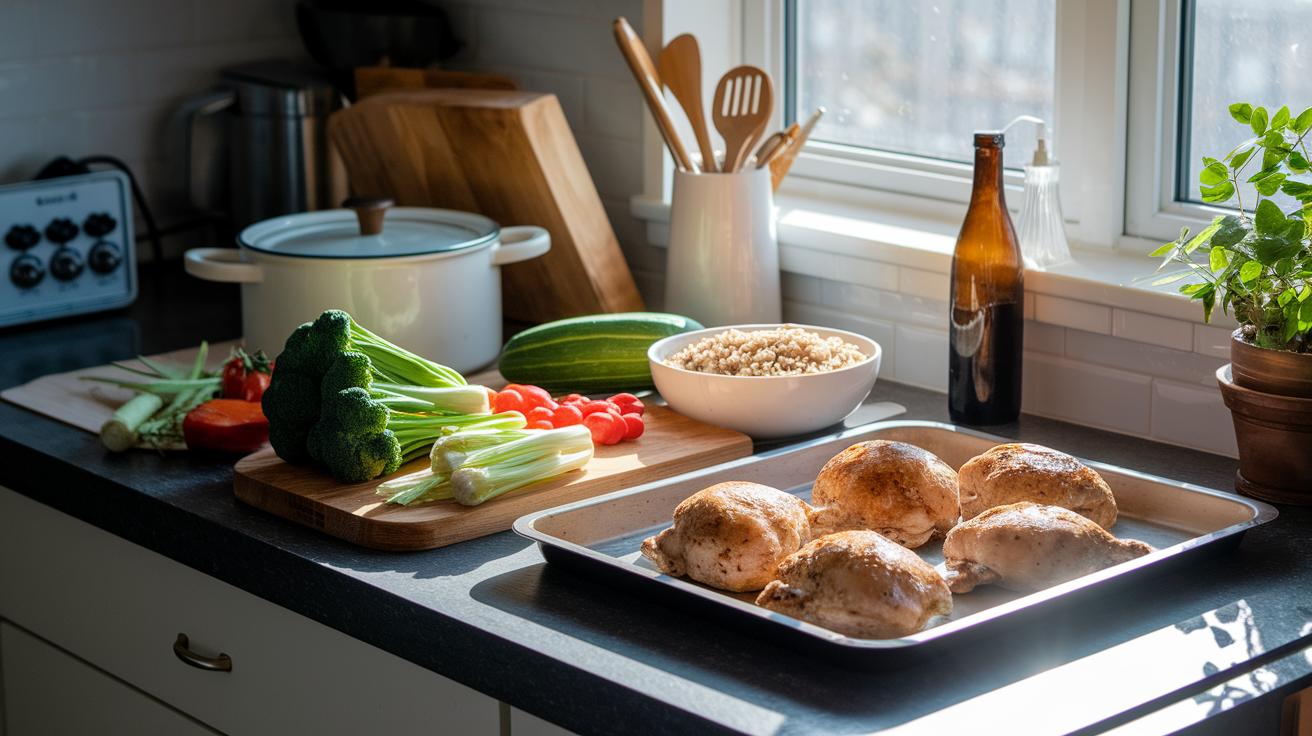
Cooking meals in advance can really smooth out your busy weekdays. When you batch-cook essentials like whole grains, proteins, and veggies, you set yourself up for easy, stress-free evenings. Imagine boiling a big pot of brown rice and roasting a tray of vegetables, you can simply warm up a serving when time is tight. Try to fill half your plate with vegetables, a quarter with whole grains, and the final quarter with protein. For instance, that roasted chicken you make on Sunday can later star in tacos, salads, or hearty grain bowls.
Taking some time on the weekend to prep can make a world of difference. Spend a little time chopping your produce, marinating your proteins, and even freezing portions of fruits and vegetables. This not only speeds up hectic mornings but also keeps the nutrients locked in, meaning frozen is just as good as fresh. Plus, whipping up your own spice blends or dressings adds a burst of flavor, turning simple dishes into something exciting.
Planning out your ingredients ahead of time doesn't just simplify cooking, it can help you stick to your budget too. By setting aside a few hours for meal prep, you avoid making extra trips to the store and cut down on spontaneous buys. This thoughtful approach transforms the daily cooking hustle into a fun routine of pre-prepared, balanced meals that boost your overall well-being.
Crafting Simple Grocery Lists for Meal Planning Success
Turning your meal plan into a clear grocery list makes eating healthy easier and helps you save money. Stick with whole foods like fresh fruits and vegetables, lean meats, beans, whole grains, and dairy. This way, you cut down on extra store trips and avoid buying things on impulse. When every item on your list has a reason, you can quickly decide what to cook, like turning leftover roast chicken into tasty wraps later in the week.
Seasonal fruits and veggies taste great and usually cost less, which is kind to your budget. Buying grains in larger amounts and picking frozen fruits not only adds variety to your pantry but also keeps expenses low. This smart plan helps you save money and care for the environment by reducing waste and shopping more thoughtfully.
Below is an example of a simple 10-item grocery list to kick-start your whole foods menu:
- Chicken breasts
- Brown rice
- Spinach
- Carrots
- Black beans
- Greek yogurt
- Eggs
- Bell peppers
- Oatmeal
- Frozen berries
By turning your meal plans into this easy list, you set up a clear guide for healthier eating every day.
Scheduling Weekly Menus for Efficient Healthy Eating
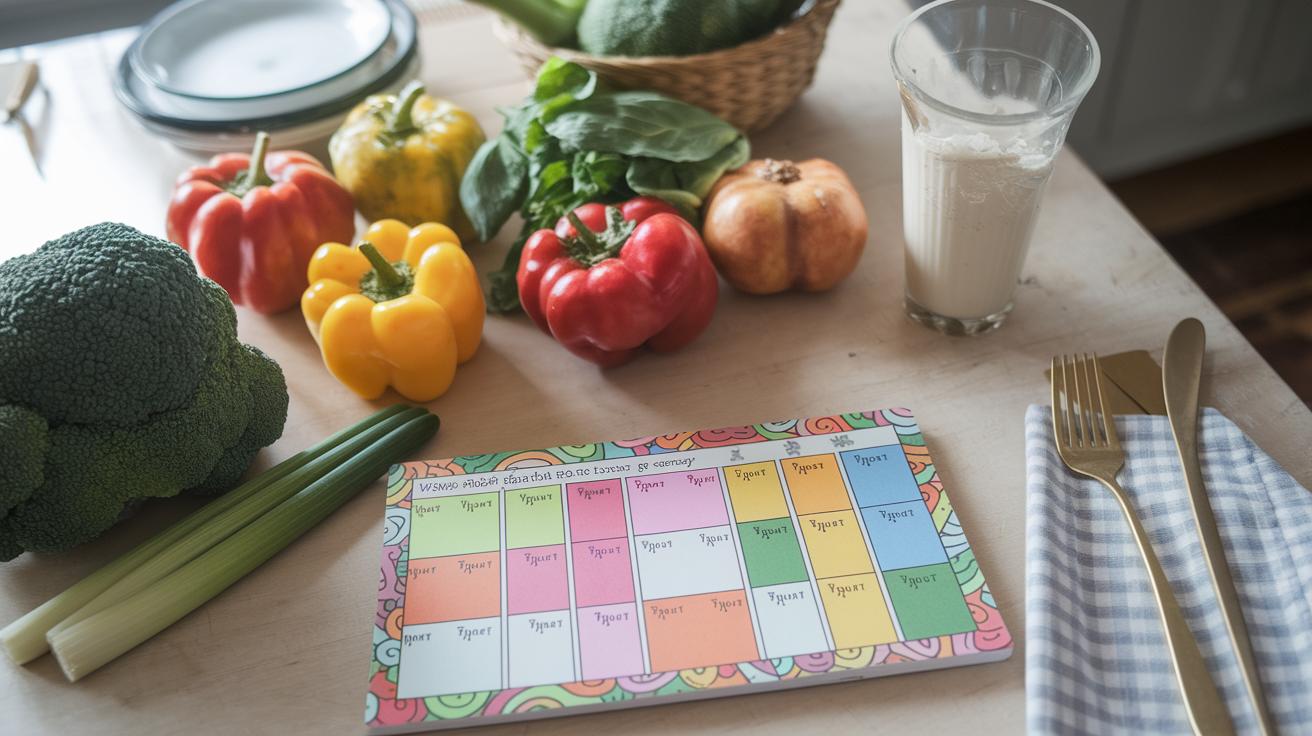
Imagine planning your meals for the week on a simple calendar. You might decide that Sunday is for cooking a big batch of your favorite protein, Monday means enjoying hearty leftovers, and Tuesday is perfect for a one-pot stir-fry. This kind of routine takes away the stress of wondering “What’s for dinner?” and it helps you stick to a healthy eating plan. Taking a little time to prepare snacks, like cutting up veggies or portioning out nuts, can also keep you from last-minute unhealthy choices.
Next, think about using handy kitchen tools like a slow cooker or an Instant Pot. For example, if you have some roast chicken left, you can quickly mix it with fast-cook rice and frozen veggies to create a form of “fried rice” that’s both quick and nourishing. Planning one or two soups and stews at the start of your week can also be a clever trick; one pot of broth can often give you several servings over a few days. It’s like setting yourself up with a little comfort and flavor boost for those busy evenings.
Finally, having a weekly menu is like having a dinner blueprint for your workweek. It means fewer last-minute scrambles and more balanced, nutrient-rich meals on your table. Have you ever noticed how a well-planned menu can keep your energy steady and your mind at ease? This method turns cooking into a simple, even enjoyable task, even when your week feels hectic.
Master Portion Control and Leftover Repurposing in Meal Planning
Using simple visual hints can make planning your meals both easy and fun. Imagine your fist as roughly one cup for carbs, your palm for 3–4 ounces of protein, your cupped hand for about a quarter cup of fats, and your open hand for one to two cups of veggies. These handy guides help you keep your portions just right without overserving. Have you ever noticed how a quick glance at your plate reminds you to stick to these limits?
When it comes to leftovers, a bit of creativity goes a long way. For instance, try topping your morning oatmeal with a spoonful of yogurt, mixing in some cooked grains for extra texture, or tossing those roasted veggies into an omelet. These twists not only keep your meals exciting but also help you cut down on food waste by putting extra ingredients to good use.
| Portion Type | Visual Cue |
|---|---|
| Carbs | Fist (~1 cup) |
| Protein | Palm (3–4 oz) |
| Fats | Cupped hand (¼ cup) |
| Vegetables | Open hand (1–2 cups) |
Using Digital Tools and Templates to Enhance Meal Planning
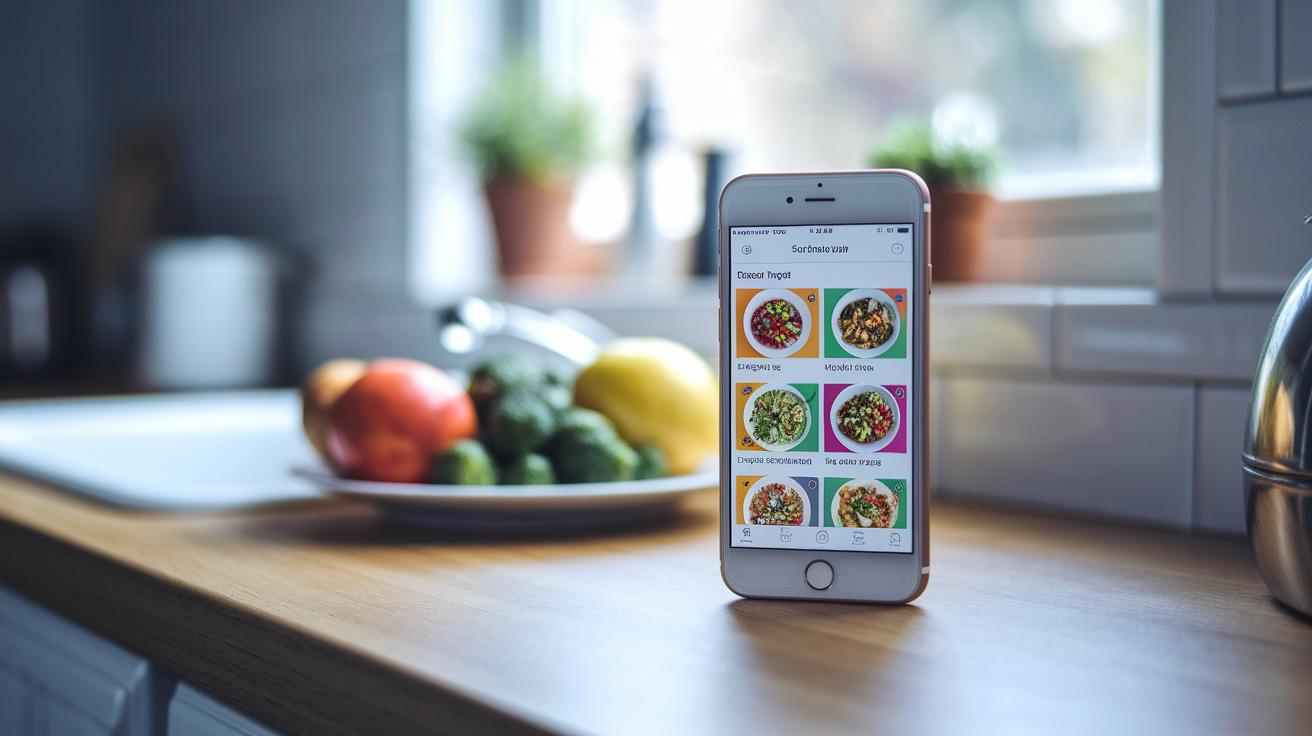
Digital tools can make meal planning feel like a breeze. Imagine tapping your phone and having an app that links your meal schedule, builds a grocery list for you, and even checks if you're hitting your nutrition goals. These apps often offer simple drag-and-drop planning, filters to match your diet, and preset targets for key nutrients like protein and carbs. It’s friendly and straightforward, an easy way to simplify your day.
Printable templates also come in handy as a backup plan. A weekly meal grid lets you map out your dishes even when you’re away from your phone. Some templates allow you to add details for allergies, nutrients, and recipe links, so you can customize your plan exactly how you like. They sometimes even include prompts that encourage you to listen to your body, making meal planning not just about calories but overall well-being. Check out more tips on balancing your meals to see how these methods can help make healthy eating stress-free.
Final Words
in the action, this article has shown how to plan a week of meals that cuts decision fatigue and runs smoother for your health. It covers setting up balanced weekly menus, batch cooking, smart grocery lists, and repurposing leftovers, all using meal planning for healthy eating.
Each tip is meant to make your routine easier and more enjoyable. Try these ideas, adjust as you grow, and feel good knowing every small step supports a healthier lifestyle.
FAQ
Meal planning for healthy eating pdf
The meal planning for healthy eating pdf offers a printable guide with organized meal ideas, grocery lists, and balanced recipes, making healthy eating easier and saving you time.
7-day healthy eating plan
The 7-day healthy eating plan outlines balanced daily menus filled with nutrient-rich meals, cutting down daily decisions while supporting your overall health with clear and straightforward recipes.
Meal planning for healthy eating for beginners
The meal planning for healthy eating for beginners breaks down the basics like crafting a simple menu, building an easy grocery list, batch cooking, and repurposing leftovers to create balanced, simple meals.
Meal planning for healthy eating for weight loss
The meal planning for healthy eating for weight loss focuses on structured meals with controlled portions, lean proteins, and whole grains, supporting a natural weight loss process through balanced eating methods.
Meal planning for healthy eating for a week
The meal planning for healthy eating for a week provides a step-by-step system to design balanced menus, reduce last-minute decisions, and streamline your grocery shopping while maintaining nutritional variety.
Free meal planning for healthy eating
The free meal planning for healthy eating options give you access to downloadable guides and printable templates that help you organize meals efficiently while creating sustainable, nutritious eating habits.
7-day meal plan
The 7-day meal plan offers a concise weekly guide that organizes healthy recipes and structured menus, helping reduce last-minute choices and make grocery shopping more efficient for a balanced diet.
7-day healthy eating plan pdf
The 7-day healthy eating plan pdf is a printable resource that breaks down each day’s meals, providing recipes and nutritional tips to help you set up and maintain a balanced meal routine for the entire week.
What is an ideal healthy meal plan?
The ideal healthy meal plan features balanced portions of lean proteins, whole grains, fruits, and vegetables, using simple portion guidelines to keep you energized with practical and varied meals.
What is the 3 3 3 rule for weight loss?
The 3 3 3 rule for weight loss emphasizes incorporating three key elements, three main meals, and three servings of fruits or vegetables daily, promoting balanced eating habits and manageable portion sizes.
What is the 5 4 3 2 1 diet plan?
The 5 4 3 2 1 diet plan organizes your day into five elements with four meals and three snacks, alongside daily nutritional goals, helping build balanced eating practices through clear portion control.
What are the 5 rules in planning meals?
The 5 rules in planning meals center on creating balanced dishes with lean proteins, whole grains, and varied vegetables, setting a consistent schedule, and keeping grocery lists concise for efficient, healthy eating.