Ever wonder if eating real food can make you feel better? A whole-foods diet means choosing fruits, vegetables, meats, and grains that are in their natural form. It means avoiding sugary snacks and processed foods so you can truly enjoy the natural flavors and benefits of each food. This simple change can boost your energy and help your body work the way it should. Next, switching to whole foods is a friendly choice that might lead to better overall health and lasting well-being.
Embracing the Diet of Whole Foods: Definitions and Key Principles

A whole-foods diet means choosing foods as close to their natural state as possible. It’s about enjoying fruits, vegetables, whole grains, beans, nuts, seeds, eggs, and meat while skipping added sugars, artificial ingredients, and overly processed items. Picture biting into a crisp apple that’s naturally sweet without anyone adding extra sugar, it’s all about that pure, simple taste.
This way of eating isn’t a strict set of rules. It’s more like a friendly lifestyle change that lets you mix in natural foods even if you still enjoy meat or fish now and then. The idea is to keep foods close to their original form so they naturally offer the vitamins, minerals, and fiber your body needs to feel good.
Changing your diet doesn’t have to happen overnight. Try swapping just one processed item for a whole-food option each week. For instance, replace a sugary treat with a fresh apple or a small handful of unsalted nuts. Little by little, your taste buds adjust, and you might begin to crave real, unprocessed flavors instead of overly salty or sugary snacks.
This approach to nutrition is all about enjoying real flavors with minimal processing. You get to savor meals that not only fill you up but also nurture your body with wholesome, natural nutrients.
Key Food Groups in a Diet of Whole Foods

A whole-foods diet means eating foods that are as close to their natural state as possible. You stick with fresh ingredients that have their own flavors and nutrients. In truth, it’s all about mixing plant-based foods, animal proteins, and high-fiber grains to make meals that fill you up and taste great. Have you ever noticed how simple changes can make a big difference? By focusing on these groups, you can enjoy balanced meals while naturally keeping your carbs to about five servings a day.
- Fruits and Vegetables: They’re packed with vitamins and minerals, plus they add a refreshing burst of flavor that brightens your meal.
- Whole Grains: Think quinoa, brown rice, or oats. These offer plenty of fiber that helps keep your energy steady throughout the day.
- Legumes: Beans and lentils bring a hearty mix of protein and fiber so every bite feels fulfilling.
- Nuts and Seeds: They bring healthy fats and a satisfying crunch, making them perfect for a quick snack.
- Animal Proteins: Foods like meat and eggs provide the amino acids (building blocks for proteins) your body needs in a natural way.
- Dairy and Cheese: When you pick the less processed forms, these foods add important calcium and protein to help keep your bones strong.
Embracing these six food groups helps you build a diet full of natural, unrefined foods that are as tasty as they are good for you.
Evidence-Based Benefits of a Whole Foods Diet

Adopting a whole foods diet brings science-backed improvements that go well beyond filling up on basic nutrients. With processed foods making up about 63% of many American diets, switching to fresh, natural ingredients can really boost your overall health. Studies show that eating whole foods may help keep chronic health issues at bay, support a healthier weight, aid digestion, and lower body-wide inflammation. And when you add in just 30 minutes of moderate exercise, like a brisk walk five days a week, those benefits are even greater.
| Benefit | Impact | Key Evidence |
|---|---|---|
| Heart Health | Lower risk of heart issues | Choosing whole foods helps reduce cholesterol and blood pressure. For more details, check out eating healthy for the heart. |
| Sustained Weight Management | Steady energy and fewer cravings | Minimally processed foods are high in fiber and other key nutrients that keep your metabolism balanced. |
| Improved Digestion | Better nutrient absorption and gut health | The natural fiber in whole foods helps keep your digestive system running smoothly and eases inflammation. |
Whole foods pack a punch with antioxidants and vital vitamins that work together smoothly in your body. This way of eating not only gives you essential nutrients but also sets off a positive chain reaction in your body functions. Regularly enjoying unprocessed foods helps balance your blood sugar and maintain lean muscle, supporting long-term weight control. Essentially, these benefits act like a strong safety net against the health problems linked to too many processed foods. By going back to simpler, wholesome meals, you invite a lifestyle where every bite makes a genuine difference in your health.
Meal Planning for a Whole Foods Diet

Planning ahead is a must when you want to enjoy meals full of whole foods. Spending a little time each week to map out your meals can really help. You might start by writing down a list of foods you love, think fresh fruits, vegetables, whole grains, and lean proteins, and stick it on your fridge or save it on your phone. For example, having apples, carrots, and brown rice on your list can remind you of tasty and healthy options when you're short on time.
It also helps to shop smart by choosing ingredients that are fresh and local. When you pick seasonal produce, you not only get a burst of flavor but also a boost of nutrients. Imagine finding bright, home-grown herbs and vegetables that make your meals feel lively and full of color. Keeping your pantry stocked with whole grains, nuts, seeds, and legumes means you always have quick, nourishing options ready, which can save you both time and money.
Another simple trick is to get into the habit of reading food labels. Look for words like "organic" or "non-GMO" to steer clear of extra additives. This small effort can really clear up what goes into your food. And if you like a little digital help, you can try the online meal planner at https://siluk.net?p=1413 to organize your grocery list and gather recipe ideas.
Transitioning to a Whole Foods Diet: Practical Tips

Start by slowly making small changes in your eating habits. Each week, try swapping one processed food for a whole-food option. For instance, instead of grabbing that ready-made cereal, enjoy a warm bowl of oatmeal with fresh berries. Keeping a simple list of allowed foods on your phone or stuck on the fridge can be a handy reminder when cravings hit.
Notice how your body reacts to these changes by paying attention to hunger and fullness cues. Begin with tiny adjustments, like slightly smaller portions, and really enjoy the natural flavors of your food without stressing over exact measurements. It’s all about finding a steady balance where a little treat here and there doesn’t throw you off track.
Have you ever noticed how listening to your body can lead to better food choices? With mindful eating and a consistent, gentle approach, moving to a diet full of whole foods can feel both sustainable and rewarding.
Whole Foods Diet Versus Processed Foods: A Comparison
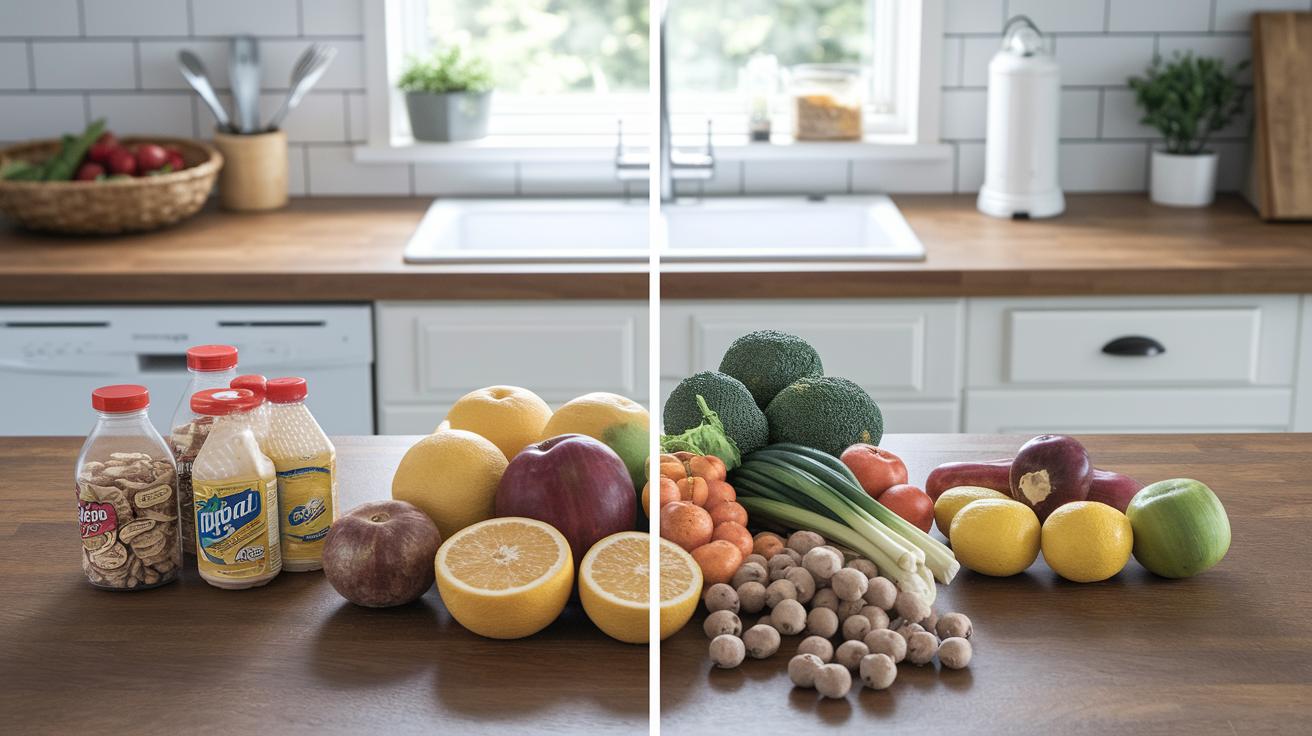
Processed foods are made by adding extra ingredients like sugar, salt, unhealthy fats, artificial flavors, and preservatives to improve how long they last or to make them taste better. Whole foods, on the other hand, come in their natural form or are only slightly changed. This means they keep most of the vitamins and minerals without extra chemicals.
Food processing has been part of our history for a long time. It all started in the 1820s with the introduction of sugar. Then, in the 1860s, cottonseed oil made its way into our diets. By the 1880s, refined wheat flour became common, and by the 1910s, products like Crisco and trans fats (a type of fat that can be bad for your heart) were introduced. These changes show how people began to focus on convenience and longer shelf life rather than keeping food pure.
Whole foods hold onto their natural goodness and offer a cleaner taste because they have no harmful additives. They pack more nutrients which help your body work better over time. Choosing whole foods is like giving your body the real fuel it needs, staying true to nature’s original design. Have you ever noticed how a small change in your eating habits can make a big difference?
Final Words
In the action, this guide showed how a diet of whole foods keeps things simple and natural. We covered what whole foods are, explored key food groups, and explained the benefits backed by science. Simple tips on planning meals and making gradual swaps make shifting from processed items clear and doable. Every step can lead you to better health and an uplifted spirit. Embrace a diet of whole foods and enjoy that refreshing change in your everyday life.
FAQ
How does whole food eating for beginners work?
Whole food eating for beginners means choosing natural, unprocessed foods like fruits, vegetables, whole grains, lean proteins, and nuts. It encourages gradual changes to help your body adjust to healthier, simpler meals.
What is a diet of whole foods meal plan and where can I find a plan in PDF?
A whole foods meal plan focuses on natural ingredients like fruits, vegetables, whole grains, and lean proteins to build balanced meals. Many resources online offer a PDF version for easy reference and planning.
How does a whole foods diet support weight loss?
A whole foods diet naturally supports weight loss by offering nutrient-dense options that keep you satisfied longer. By reducing processed foods, it helps manage calorie intake and maintain balanced energy levels throughout the day.
What are examples of whole foods and what should I eat in a whole food diet?
Whole foods include items such as fruits, vegetables, whole grains, legumes, nuts, seeds, lean meats, and eggs. Emphasizing these unprocessed ingredients can create a balanced diet for overall wellness.
How does meat fit into a whole foods diet?
In a whole foods diet, meat is valued as a quality protein source that provides essential nutrients. Choosing lean meats and minimally processed options helps you maintain a balanced diet free of unnecessary additives.
What are the downsides of following a whole food diet?
Following a whole food diet can require extra planning, limit convenience, and sometimes incur higher costs for fresh, organic options. It also may take time for your taste buds to adapt to simpler, natural flavors.