Ever wondered if a pinch of herbs in your food could boost your energy and speed up your metabolism? Everyday spices like turmeric and ginger might do more than you expect. They warm your body and help turn your meal into fuel without the need for a big diet change. Picture your food working like a little engine, naturally burning extra calories. In this chat, we talk about how simple herbs can give your metabolism a gentle nudge toward more vibrant energy.
Key Herbs to Boost Metabolism Naturally
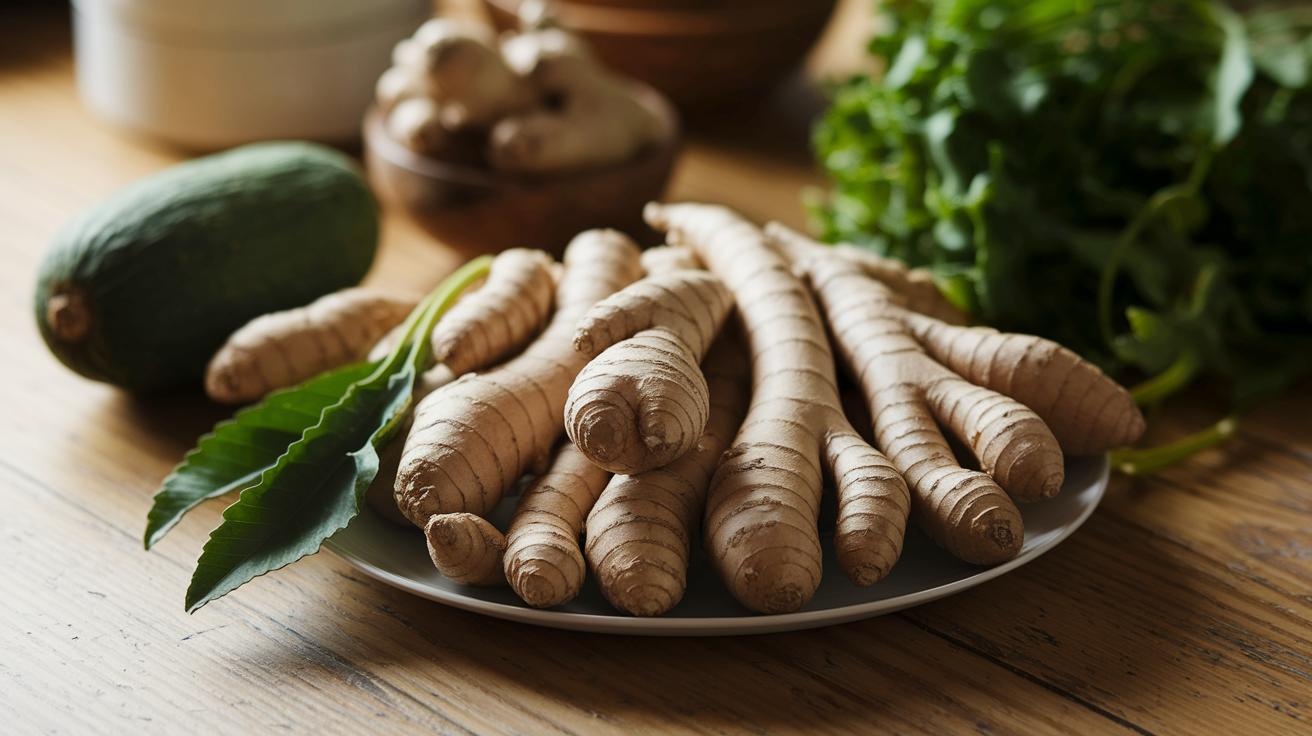
Herbs are a simple yet powerful way to help your body turn food into energy. They not only add a tasty kick to your meals but also support digestion and boost your energy. It’s an easy, natural method to give your metabolism a little extra push without overhauling your diet.
Take turmeric, for example. Its active ingredient, curcumin, helps warm up your body (a process called thermogenesis, or heat production) which might help burn more calories. Then there’s katuki. This herb works with your liver and kidneys to help metabolize carbohydrates, fats, and proteins.
Ginger is another great herb. Studies show that just half a teaspoon of ginger powder in hot water can burn around 43 extra calories, plus it helps you feel full and aids digestion. Madagascar periwinkle is known for managing cholesterol, blood sugar, and inflammation, keeping your metabolism in balance. Ashwagandha is especially good for women because it supports thyroid health, a key player in keeping metabolism active. Lastly, Ceylon cinnamon provides long-term support for steady energy levels and helps with blood sugar balance.
Together, these herbs form a natural boost for your metabolism that blends modern science with traditional wisdom. Whether you add them to your favorite recipes or enjoy them in a warm cup of tea, they can help your body use food more efficiently. Stick with them alongside a balanced diet and a healthy lifestyle, and you might just feel more energized every day.
Understanding Metabolism and Botanical Effects

Metabolism is how your cells turn the food and drink you consume into energy. Your basal metabolic rate (BMR) is the number of calories your body burns even when you’re just resting, keeping your heart beating and your brain working. For example, when you eat foods rich in protein, your body burns a bit more energy digesting them. It’s like your body is working hard to change your meals into the fuel you need to stay active and alert.
Many natural botanicals work by gently boosting digestive thermogenesis. That’s a fancy way of saying your body creates a little extra heat while digesting food. These herbal compounds help your system burn a few extra calories throughout the day and make the process of turning food into energy run a bit more smoothly. Have you ever noticed how a natural boost can help you feel more balanced and energetic?
Ayurvedic Metabolic Botanicals in Practice
In Ayurveda, they say your digestive fire, called Agni, is the spark that powers your metabolism. When Agni is strong, it helps turn food into energy and clears out waste. Traditional herbs act like a gentle nudge, keeping that inner flame burning steadily. Imagine kindling a small flame every morning with a few simple steps to jump-start your metabolism.
Ayurvedic herbs are grouped by their taste (rasa), strength (vira), and the after-effects once digested (vipaka). This helps decide which herb does what for your body. For example, turmeric has a warm, slightly bitter taste that helps heat things up (thermogenesis, or heat production). Meanwhile, katuki supports the breakdown of fats, proteins, and carbohydrates. Ginger, with its zesty kick, fires up Agni and makes digestion easier. Sadabahar works on keeping your body tissues balanced, ashwagandha helps keep your thyroid stable, and cinnamon adds a soft warmth that can help steady blood sugar.
A simple way to bring these benefits into your day is to add these herbs to your routine. Start small, try mixing a little turmeric and ginger in warm water to gently wake your Agni. You can sip on cinnamon tea or even mix a pinch of ashwagandha into your smoothie. These easy habits can bring you the benefits of ancient wisdom, inviting steady energy and a balanced metabolism into your life.
Daily Herb-Based Recipes and Rituals for Metabolism
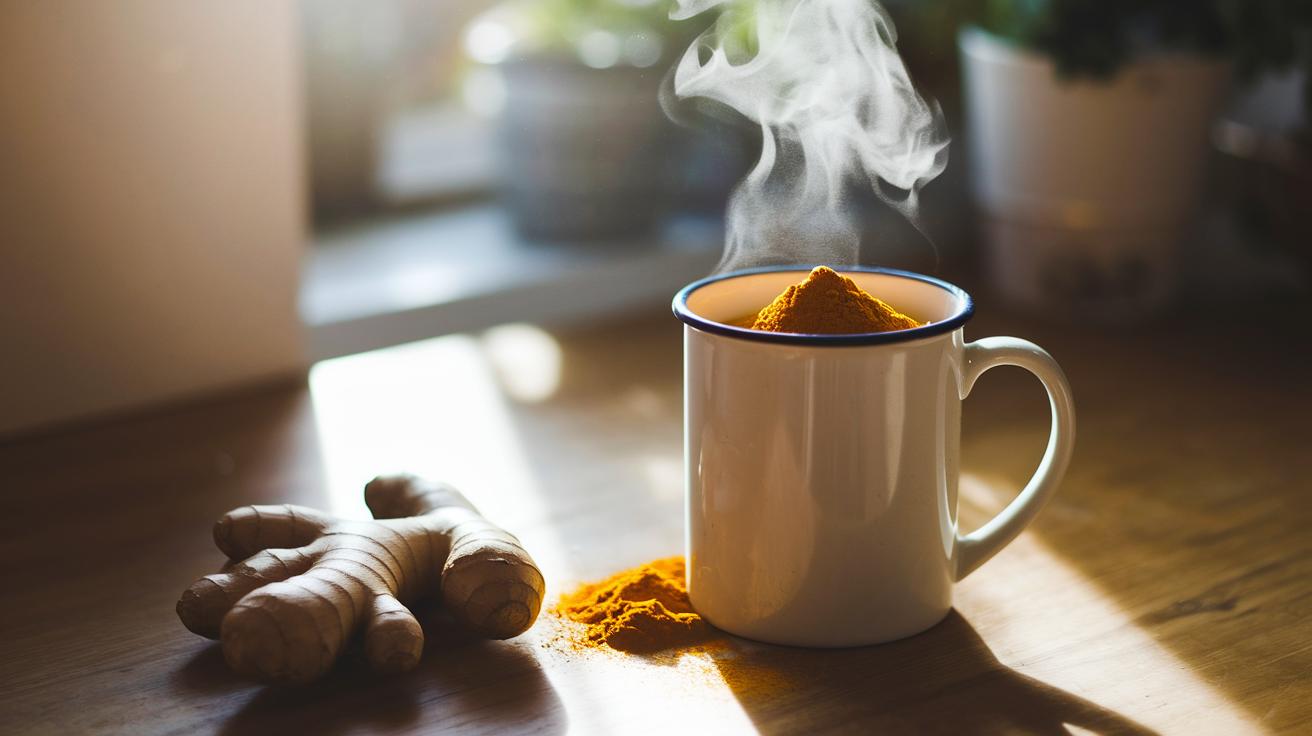
Boosting your metabolism can be a tasty and simple daily habit. Imagine starting your day with a warm drink that sparks your digestion and gives you a little boost of energy. These herb-based recipes are like a friendly nudge for your body, and they might even help keep hunger in check.
- Ginger tonic: Stir in ½ teaspoon of ginger powder into hot water. It’s a zesty, warm drink that may help your body burn a few extra calories while keeping hunger at bay.
- Turmeric latte: Blend a pinch of black pepper with turmeric, your favorite milk or non-dairy alternative, and a splash of honey. Warm it gently to enjoy a soothing drink that helps turn up your body heat.
- Cinnamon infusion: Steep 1 teaspoon of a Ceylon cinnamon stick in hot water. The inviting aroma and warmth can support your natural sugar balance.
- Multi-spice metabolic blend: Mix together ginger, cinnamon, turmeric, and a dash of black pepper in warm water or tea. This revitalizing brew helps support steady energy and a smooth digestion process.
These simple, flavorful recipes make it easy to mix a little magic into your day while giving your metabolism a natural, gentle boost.
Precautions and Potential Interactions of Metabolic Herbs
When trying out metabolic herbs, start slow and be cautious. They can boost your wellness plan, but they’re no magic cure. Always talk to your doctor before adding a new herb, especially if you’re already on medication. This simple step can help you avoid any unwanted surprises.
Begin with a small dose and watch how your body reacts. Some herbs may interfere with medications or even change hormone levels. For example, high doses of ashwagandha might affect your thyroid hormones (which help control your metabolism), so it's best to use it sparingly at first. Keeping track of any changes can be a useful guide if you need to adjust your routine.
There are also a few herbs that need extra care. Ceylon cinnamon is usually safe, but too much cassia cinnamon could put extra stress on your liver because of its coumarin content. Madagascar periwinkle contains strong alkaloids and should only be used with medical supervision. And if you're taking blood-thinning medications, know that ginger might thin your blood further, so it’s wise to use it in moderation. Always stay alert and adjust your herb use based on your doctor’s advice.
Scientific Evidence Behind Metabolic Botanicals

It’s pretty amazing how everyday herbs might boost your body’s health. Researchers have been testing herbs like turmeric, ginger, cinnamon, katuki, Madagascar periwinkle, and ashwagandha to see how they support metabolism. Some studies even show these herbs might ramp up your body’s heat production (thermogenesis) and improve how it handles sugar (insulin sensitivity). For instance, one small trial found that stirring in just half a teaspoon of ginger powder into hot water helped burn about 43 extra calories. Cool, right?
In some tests, turmeric’s active part, curcumin, got the body to produce more heat in both animal studies and small human groups. Cinnamon, on the other hand, seemed to help the body use sugar more effectively. Research on katuki and Madagascar periwinkle in animals showed lower fat levels and less inflammation. And with ashwagandha, some trials noticed lower stress and better thyroid numbers, hinting at a boost in overall metabolism.
That said, many of these studies had only a few participants or lasted for a short time. Bigger, longer tests are needed to really understand the best doses and long-term benefits. This summary brings together these study findings to underline the potential metabolic perks of these botanicals.
Integrating Herbs into a Comprehensive Metabolism Plan

When you mix herbs with exercise and a healthy diet, your metabolism gets a little extra boost. Adding ginger, turmeric, and cinnamon to your strength training, HIIT workouts, and protein-rich meals may warm your body up (thermogenesis means your body produces heat) while also speeding up muscle recovery. After a hard workout, try a refreshing ginger shake, it might help your muscles recover faster. This approach works by lining up your herbal intake with your exercise, so your body gets the most benefit when it needs energy and nutrients.
Every small habit counts. Getting a good night’s sleep and drinking plenty of water keeps your body running smoothly, even when you’re at rest. Little changes, like savoring a warm cinnamon tea before a meal or kicking off your morning with a herbal infusion, add up quickly. Many have found success by making a fresh turmeric and lemon drink on workout days to help with recovery and maintain energy. These simple tips blend herbal support with everyday routines to keep your metabolism healthy.
Final Words
In the action, we reviewed a range of botanical options, from turmeric to ashwagandha, that help support metabolic well-being. We looked at their roles in easing digestion, maintaining a balanced metabolism, and even providing natural stress relief.
Mixing these herbs with a balanced diet and regular workouts can foster an overall boost in health. Adding herbs to boost metabolism in your daily routine is a simple, natural step toward feeling more energetic and confident. Every small change truly counts.