Ever thought that small daily changes might boost your mood? By 2025, a fresh way of handling stress is emerging. Quick check-ins and simple support tools help us notice when things are off.
Workplaces and care teams are spotting early signs and offering easy programs to improve both mood and focus. It’s a reminder that taking care of your mind can feel as natural as a morning stretch, lighting up your day with a brighter outlook.
Key Drivers of Mental Wellness Trends in 2025

Businesses and care providers are shifting their approach. They no longer wait to react when problems appear. Instead, they are spotting early signs of stress and offering easy-to-access support programs. Think of it like a workplace where quick check-ins are as normal as your morning stretch, support is always nearby before stress turns into a bigger issue.
Our surroundings now play a key role in how we feel. New studies suggest that places designed with care can lift our mood and sharpen our focus by changing what experts call the human exposome (all the small parts of our environment that affect our health). Imagine a bright office with lots of natural light and calming hues, almost like enjoying the cool breeze on a quiet walk outside. Even exercise, like resistance training (strength-building workouts), is showing benefits for our memory and brain flow, proving that our bodies and minds are closely linked.
Looking into 2025, six new focus areas are reshaping our view of mental health. One major trend is using smart early-warning tools to catch stress before it grows. Personalized plans, from special resistance workouts to new gut–brain studies (exploring how bacteria can affect our serotonin levels), are making a real difference. There's also mounting concern over microplastics, tiny plastic bits found at much higher levels in the brains of dementia patients, pushing for fresh wellness strategies. At the same time, encouraging more social interaction is proving to be a strong counter to loneliness, while a new self-care revolution invites us all to become more aware and responsible for our own well-being.
Technology-Driven Mental Wellness Trends

Digital change is shaking up how we care for our minds. New online platforms are not just shrinking the miles between us; they’re making support feel more personal and available any time you need it. Imagine having a mental health toolkit on your phone, ready to offer advice on a rough day. Picture someone settling into a comfy chair at home, logging into a session, and feeling as relaxed as if they were chatting with a good friend.
Teletherapy and Virtual Counseling Platforms
Teletherapy is growing fast, there’s been a 30% jump in visits this year. With home-based counseling, you can connect with a therapist without traveling anywhere. Imagine ending a long day by opening your device and speaking with someone who truly listens. It’s like having a friend who’s always there for you, ready to help when you need it most.
AI Chatbots and App-Driven Meditation
AI chatbots are here to lend a hand with advice that fits your needs, and digital meditation apps have seen a 40% increase in use. These tools even track your progress, like having your own personal coach available around the clock. Wearable gadgets join in by keeping an eye on your heart rate and sleep, alerting you to stress as soon as it shows up. Think of it like having a caring virtual assistant ready to chat just when you need a little extra support.
Technology-driven mental wellness offers great benefits like faster access and real-time feedback, though it’s natural to wonder about relying too much on digital help and keeping your data safe.
Key Drivers in Mental Wellness Innovations

Recent studies back up our main points by linking gut bacteria, brain blood flow, and microplastic exposure. We talked about these topics earlier in the article. Take a look at the table below for a quick overview of these findings:
| Trend | Key Findings | Practical Application |
|---|---|---|
| Gut–Brain | Shifts in bacteria like Bacteroides and Barnesiella can affect serotonin levels | Try adding probiotics and making some small dietary changes |
| Neuroplasticity | Resistance training increases blood flow to the brain | Include strength training routines to help boost memory |
| Microplastics | Greater amounts found in brain tissues of people with cognitive issues | Adopt steps to reduce exposure and support the brain’s natural detox |
Other unique healing methods also add to our toolkit. Practices like yoga, spending time in nature, and sound therapy can help build up your emotional strength. And here’s a thought: a brief stroll in the forest might just reset your mood in an instant.
Holistic and Creative Self-Care Trends in Mental Wellness

Mindfulness is booming these days. People are signing up for community challenges, guided meditations, and even workplace mindfulness sessions. It’s a simple way to pause and anchor your feelings. Imagine taking a quick 10-minute guided meditation break that leaves you as refreshed as a good nap. That little moment can really help you manage stress and stay centered.
Art therapy is making a strong impact on mental health too. Music and drama therapies, for example, have boosted emotional resilience by 25% in some studies. Picture a creative workshop where you can splash paint or move your body to express deep emotions, almost like letting go of a heavy load through vibrant and bold strokes. This creative outlet offers a warm and engaging way to process life’s ups and downs without needing traditional clinical help.
Nature-based healing is also part of this self-care revolution. Think about forest bathing, immersing yourself in nature’s calming embrace. Research shows it can reduce stress hormones by about 15%, much like stepping into a quiet forest after a long, busy day and feeling nature’s gentle touch. Combined with simple mindful breaks, journaling, and easy breathing exercises, these practices empower you to find balance and boost your overall emotional well-being in a natural, accessible way.
Corporate and Workplace Mental Wellness Trends

Employers are starting to feel the pinch as health insurance costs are expected to rise by about 5.8% on average in 2025. One out of every three insurers believes that mental health service expenses could increase by 15% per employee over the next three years. This extra cost makes companies rethink how they support their staff. It’s like trying to stretch a small budget month after month where every penny matters in keeping everyone healthy and motivated.
Forward-thinking companies are now using preventive measures rather than just reacting when problems arise. They are trying early screening tools (simple tests that detect issues before they become larger), flexible working hours, and even counseling services on site. These efforts help reduce stress and create a friendlier workplace. Think of it like spotting a small leak before it turns into a flood. This new approach is making mental wellness just another part of the everyday work routine.
There’s also a big gap in training for managers. Since managers can affect up to 70% of employee engagement, it’s a concern that many senior leaders haven’t had proper mental health training. This lack of training might be why over two-thirds of employees don’t make full use of the mental health benefits offered, often because they seem too complicated or hard to access. Now, new training programs are being introduced to give managers the skills they need to build a supportive work environment.
Future Outlook on Personalized Mental Wellness Trends
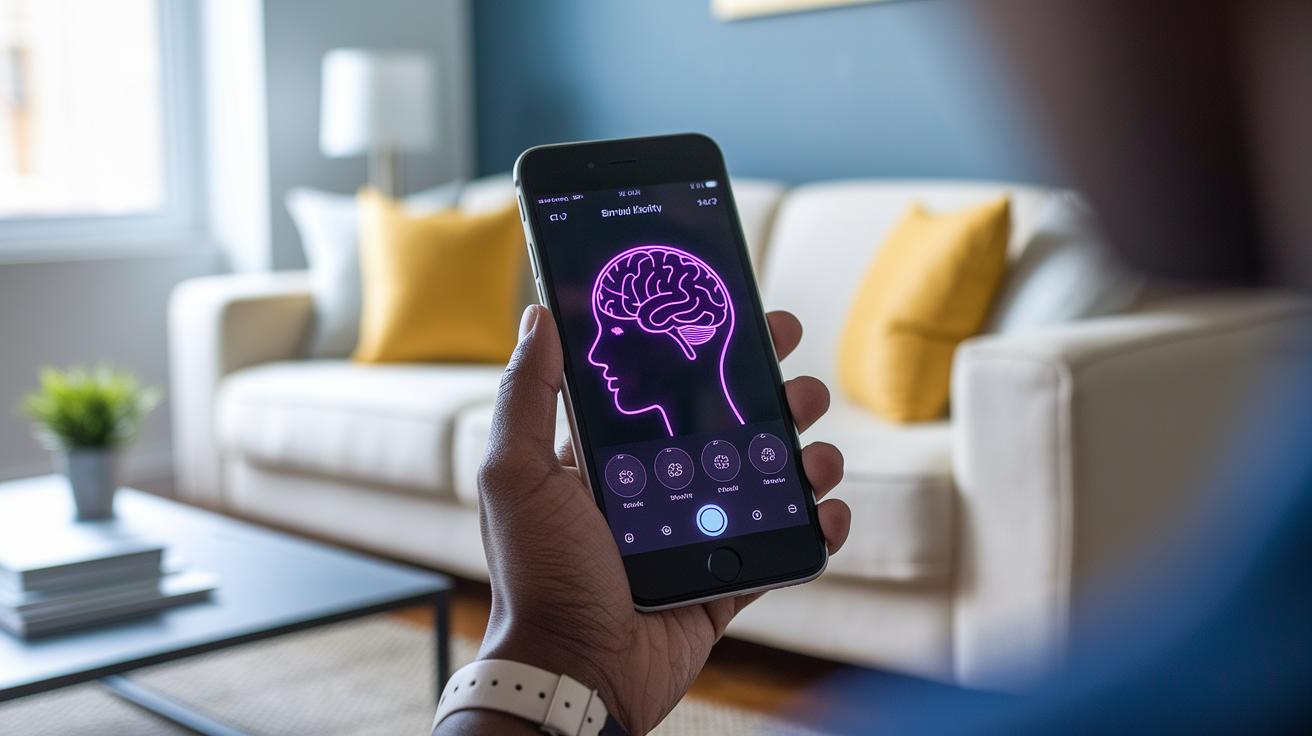
More people are turning to self-care plans that are made just for them. For example, genetic risk assessments (simple tests that look at your hereditary health risks) and tailored neurofeedback therapy (methods that show you how your brain is working) are becoming more popular. This means your wellness plan can truly reflect who you are, just like a custom-fit suit. Plus, smart tools using big data and machine learning are providing real-time advice that feels as unique as you.
Precision mental care is also on the rise with new AI tools in mental health. Think of it as a smart mirror that shows you how you’re doing and gives clear, small steps to help you improve. This approach allows you to see your progress over time and makes the journey to better mental health both modern and personal.
Of course, keeping your personal data safe is a top priority. While these personalized innovations offer support that fits you perfectly, it’s important to handle your sensitive information with care. It’s a bit like balancing the benefits of cool tech with the need to protect your personal space. Health professionals are working hard to ensure these advances come with strong safeguards and clear, honest practices.
Final Words
In the action, our discussion brought to life how thoughtful changes can shape a healthier lifestyle. We looked at fresh digital tools, hands-on self-care practices, and data-backed research that shows the benefits of simple steps for emotional balance and physical fitness.
We also touched on workplace support and personalized care solutions that help manage stress. Mental wellness trends offer practical steps that inspire a positive change in everyday life, leading us toward greater overall well-being.
FAQ
What are the current trends in mental health?
The current trends in mental health focus on a shift to preventive care, enhanced self-care habits, and digital support tools like teletherapy and wellness apps that provide easy access to help.
What wellness trends for 2025 and 2026 are emerging?
The trends for 2025 and 2026 point to personalized care using AI and wearable gadgets, integrated physical and mental health practices, and increased community support with mindfulness and self-care routines.
How are workplaces adapting to mental wellness trends?
Workplaces are adopting strategies like early screening, flexible schedules, and onsite counseling to support mental wellness, creating environments that reduce stress and boost overall well-being.
What wellness product trends should I look for in 2025?
In 2025, wellness products are evolving to include digital therapy apps, AI chatbots, mindfulness platforms, and wearables that track sleep and stress, offering real-time, personalized feedback.
What can be learned from mental wellness trends in 2022?
The trends from 2022 laid the groundwork for today’s proactive mental health approach by showcasing the benefits of teletherapy and digital support programs alongside growing self-care practices.