Have you ever thought that a common kitchen spice might help ease discomfort naturally? Ginger has been a trusted remedy for over 2,000 years, known for calming nausea (feeling queasy), lowering swelling, and softening joint pain. It’s packed with gingerol and other helpful nutrients, making it feel like nature’s own way to help ease pain and boost overall health.
Whether you’re facing a rough morning with nausea or simply want a little extra spark of wellness, ginger could be just the bright, natural answer you’ve been seeking. Stay with us as we explore how this ancient root can bring a refreshing boost to your well-being.
Ginger Medicinal Uses for Radiant Health

Ginger is a natural remedy that people have trusted for more than 2,000 years. Its key ingredient, gingerol, helps ease pain and discomfort while supporting your overall well-being. It works much like common pain relievers by reducing inflammation (swelling) and fighting oxidative stress (cell damage).
Today, many still turn to ginger for its healing touch. It’s used in kitchens and wellness traditions everywhere, from calming an upset stomach to soothing joint pain and menstrual cramps. Modern health centers even continue to highlight ginger’s benefits in their natural treatment plans.
- Anti-nausea: Helps ease morning sickness and general nausea.
- Anti-inflammatory: Reduces joint pain and cramps.
- Antioxidant: Protects cells by neutralizing harmful free radicals.
- Digestive aid: Boosts digestion and helps food move smoothly through your system.
- Immune support: Strengthens your body’s natural defenses.
Ginger also offers a boost of good nutrients. It provides vitamins like B6 and C, along with minerals such as iron, magnesium, and zinc. This mix helps your body use energy better, keep blood sugar steady, and support your immune system. With its powerful compounds and nourishing nutrients, ginger is a versatile friend in your journey toward radiant health.
Ginger’s Role in Nausea Relief and Digestive Aid
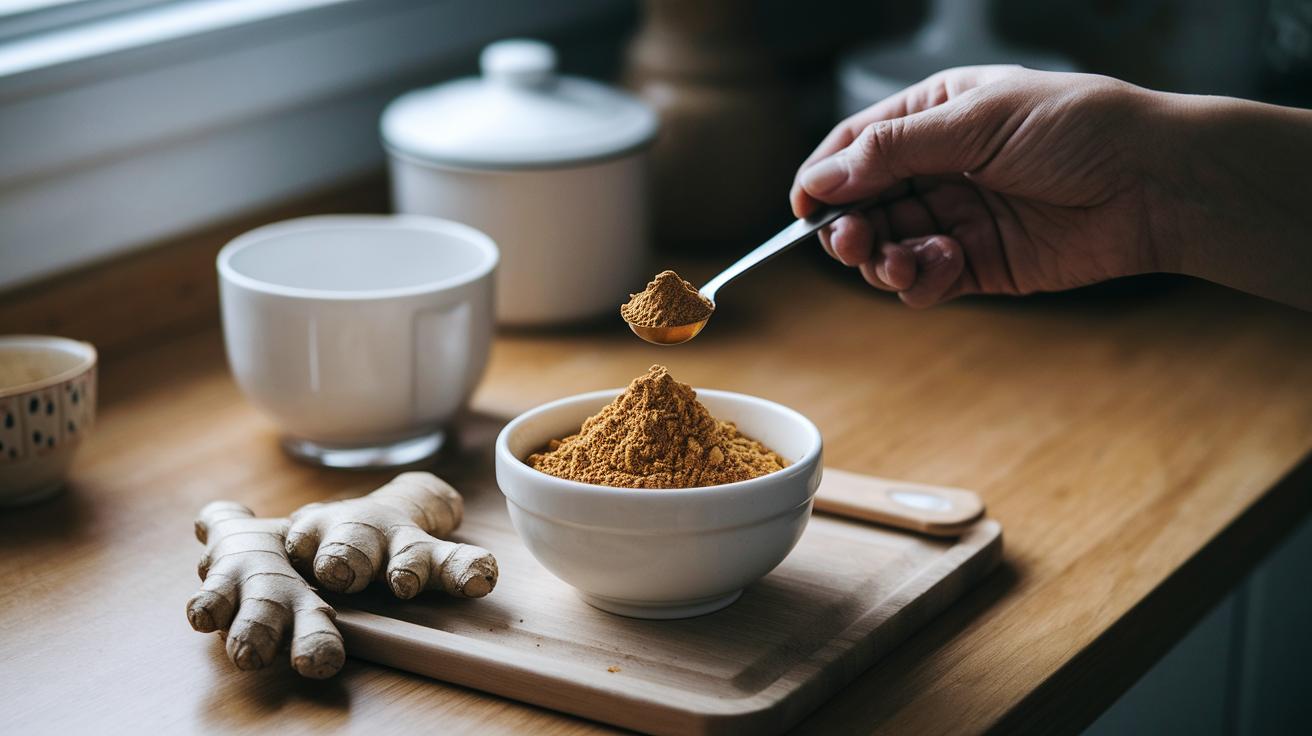
Many of us face nausea and an upset stomach every day. It might be due to morning sickness, acid reflux (a condition where stomach acid flows back into the esophagus), or just a general tummy upset. Finding a gentle, natural remedy can really help ease the discomfort.
For example, if you experience morning sickness, research suggests that taking 1–2 grams of ginger powder each day can cut your symptoms by about 30%. A similar amount may also lessen the feelings of motion sickness during travel. Even for nausea caused by chemotherapy, that small dose of ginger might offer some relief.
If your stomach feels unsettled throughout the day, adding a little ginger in your meals or drink could soothe your digestive tract. Ginger also stimulates the production of saliva and bile, which may help ease heartburn and acid reflux. And for issues like gas and bloating, a daily pinch of ginger might boost your stomach’s movement and help your digestion feel more comfortable.
Ginger works by making your digestive system work smoother. It helps food move regularly through your stomach and intestines, and it increases the digestive enzymes (substances that help break down food) in your body. This dual action not only helps reduce nausea but also eases other digestive problems like bloating and acid reflux. Some studies even note that ginger speeds up how quickly your stomach empties, which can lead to less discomfort overall.
You can enjoy ginger in several ways:
| Form | How to Use It |
|---|---|
| Fresh Root | Chew small pieces or add them to your meals for a burst of flavor and relief. |
| Tea | Steep fresh slices in boiling water to create a soothing drink for your stomach. |
| Standardized Extract | Use capsules or powdered supplements to get a consistent, measured dose. |
Managing Inflammation and Joint Pain with Ginger
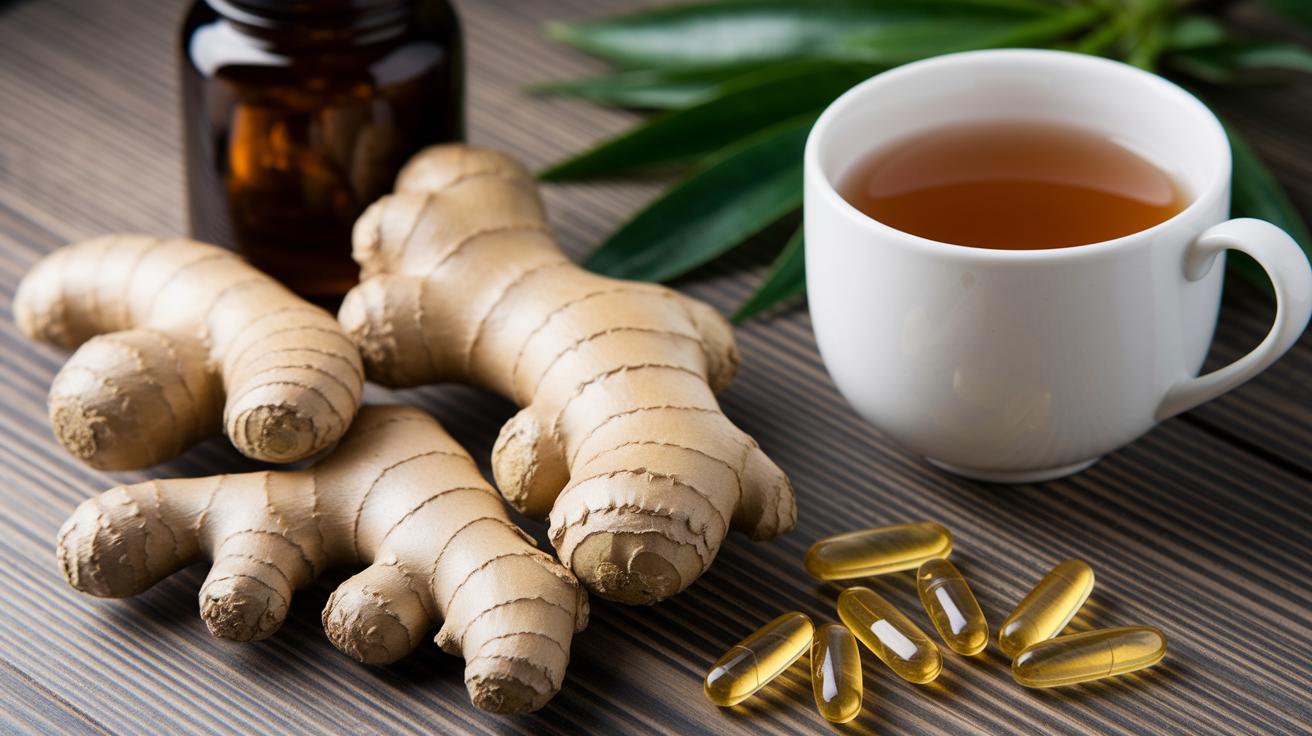
Ginger is a natural spice that can help ease inflammation and joint pain. Its active ingredient, gingerol, blocks certain enzymes and proteins like COX-2 (an enzyme that promotes swelling) and TNF-α (a protein linked to inflammation), which can reduce discomfort and help you move more easily. Many people enjoy using ginger as a gentle, natural way to manage pain instead of relying only on over-the-counter medications.
There are several simple ways to include ginger in your routine:
- Capsules: These offer a steady dose you can take by mouth.
- Tea compress: Soak a cloth in warm ginger tea and gently apply it to sore joints.
- Topical oil: Massage oil infused with ginger can help relax tense muscles.
- Raw consumption: Adding fresh ginger to your meals provides a natural boost against inflammation.
Some studies suggest that taking 250 mg of ginger extract twice a day may reduce knee pain from osteoarthritis by about 30%. People often notice gradual improvement over a few weeks, with pain relief lasting as long as they use ginger regularly. This evidence highlights ginger as a simple, natural option for those looking to manage joint pain and inflammation.
Ginger for Immune Support and Cold Symptom Relief

Ginger is a natural helper when your body is fighting off infections. It has special compounds like gingerol and shogaol that boost your white blood cells, which are the soldiers that protect you from bugs. Plus, ginger gives you a bit of vitamin C and zinc, two nutrients that work together to keep your defenses strong and calm any swelling in your chest and throat.
For a sore throat, ginger acts like a warm, gentle hug for your irritated tissues. If you're dealing with a cough, it can lower how often you cough and how strong the cough is. It even helps break up mucus so your airways can breathe easier, and it can ease the fatigue that comes from being sick.
You can enjoy ginger in many ways. A cup of ginger tea, for example, slowly releases its good stuff, which might reduce coughing by about 20%. If you need something stronger, a tincture gives you a concentrated dose that could kick your symptoms into gear faster. Both ways show just how versatile ginger is when it comes to keeping your immune system in tip-top shape.
For more details on natural remedies, check out Herbal tea for allergies.
Ginger’s Benefits for Women’s Health and Pain Relief

Research shows that ginger might be a game-changer for easing period pain. Studies found that taking about 1 gram of ginger powder everyday can trim menstrual pain by roughly 25% in just three days. It works by lowering the hormones that cause pain (thanks to its anti-prostaglandin effects), making it a gentle and evidence-backed option many women trust.
For instance, you could try:
- 1 gram per day of ginger powder to help relieve cramps.
- 250 mg of ginger powder to target pain and reduce inflammation.
- A soothing cup of ginger tea, prepared by simmering fresh ginger slices, for a warm and comforting experience.
Another study noted that a 250 mg dose of ginger powder might cut migraine pain by 15–30%. So if you’re prone to headaches, it could be worth adding a little ginger to your routine, especially during times when migraines tend to strike. Pretty neat, right? This shows that ginger might help not only with menstrual cramps but also with managing migraine pain naturally.
Role of Ginger in Chronic Disease Management
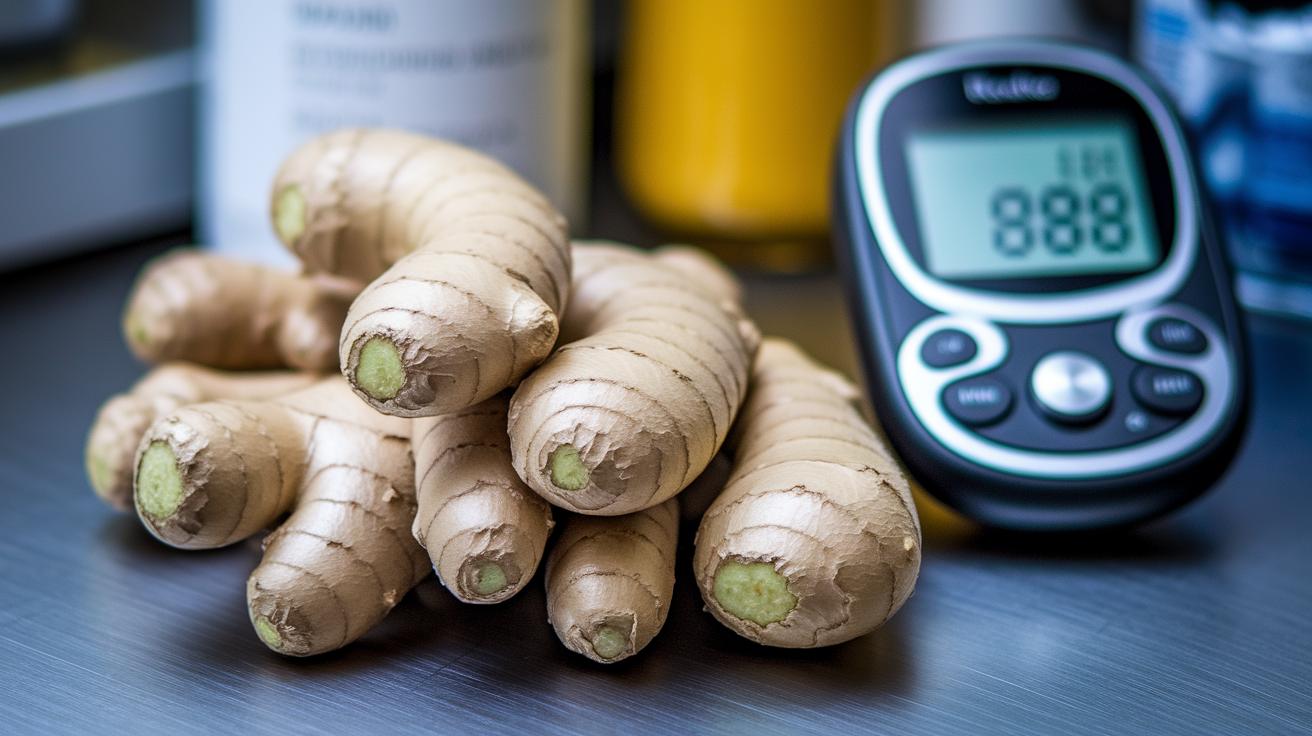
Ginger is a natural spice that research shows may help control blood sugar and improve cholesterol numbers. For instance, studies found that people with Type 2 diabetes who took ginger regularly experienced about a 10% drop in their fasting blood sugar. In another recent review from 2024, researchers noted that taking 2 grams of ginger daily for 12 weeks led to a 15% reduction in both LDL cholesterol (the "bad" cholesterol) and triglycerides. Plus, people with obesity saw an average weight loss of around 4%, hinting that ginger might benefit both metabolic and heart health.
| Condition | Effect Size |
|---|---|
| Blood Glucose | –10% |
| Cholesterol | –15% |
| Weight Loss | –4% |
Adding ginger to your daily diet might be a simple, tasty step toward better well-being. You can mix 2 grams of ginger into your meals, smoothies, or simply take it as a supplement. Just keep in mind that everyone reacts a little differently, so it’s a good idea to check your blood sugar and cholesterol levels regularly as you include ginger in your routine. This easy, natural approach can be a valuable part of a broader plan for managing chronic conditions.
Effective Ginger Preparation and Usage Guidelines
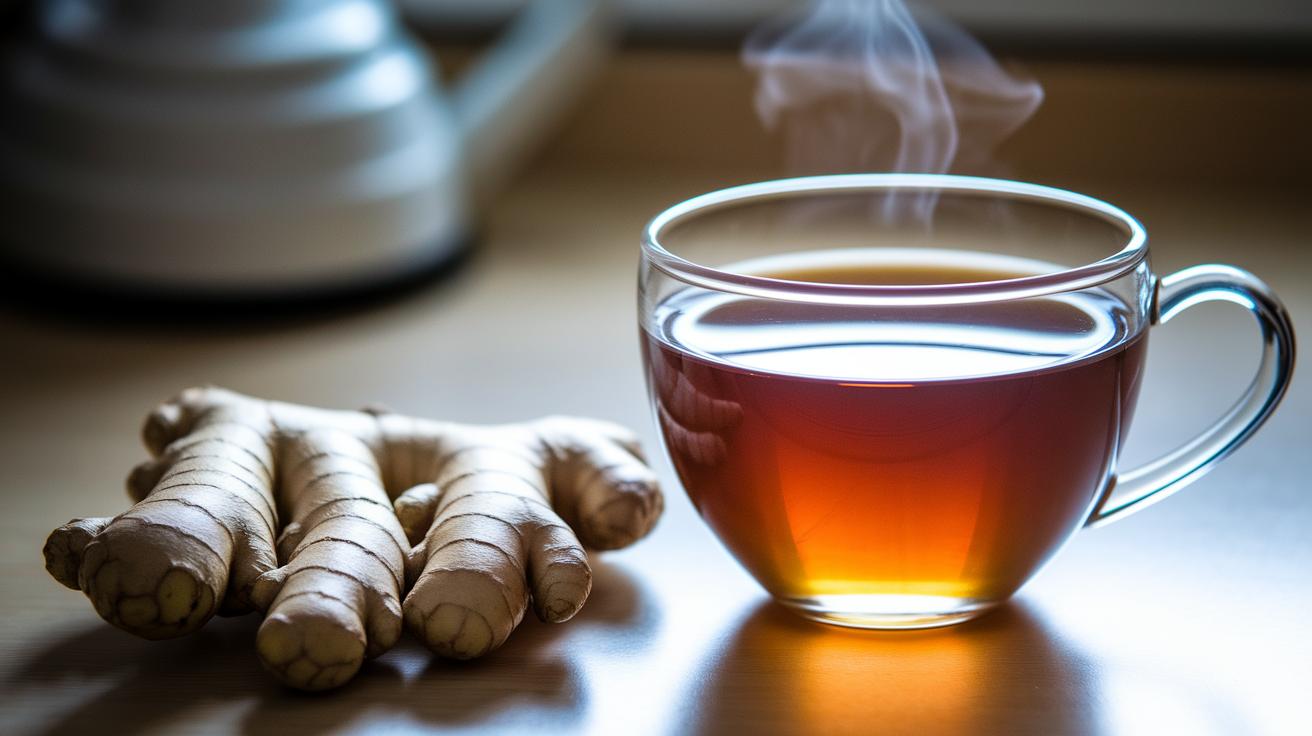
Ginger is a handy ingredient that can spark up your meals and naturally support your health. You can use it in many ways, whether you're brewing a warm tea or stirring it into your favorite dish, to add a welcome burst of flavor.
For a cozy cup of tea, try steeping 2 teaspoons of fresh ginger in 8 ounces of hot water for about 10 minutes. This gentle method pulls out ginger’s calming qualities, which may help soothe an upset stomach or simply warm you up. If you're looking for a bolder taste and more intense benefits, simmer 50 grams of sliced ginger root in 2 cups of water for 20 minutes. The extended simmering releases a deeper flavor and boosts many of the naturally beneficial compounds in ginger.
If you prefer the natural zing of raw ginger, having 1–2 grams daily can offer that quick, natural boost. For those days when convenience matters, powdered supplements might be the way to go. Taking standard 500 mg capsules two to four times a day gives you a measured dose that fits neatly into your routine. When deciding on a form, think about what you enjoy, taste, ease, and the specific benefits you’re after. And sometimes, pairing ginger with a little honey, a squeeze of lemon, or even a dash of turmeric can really enhance both flavor and health perks.
Here are a few easy ideas to include ginger in your meals:
- Smoothies: Blend raw ginger with fruits and leafy greens for a spicy, energizing drink.
- Stir-fries: Toss in some sliced ginger with your veggies or meat for an extra boost of flavor.
- Dressings: Add a little grated ginger into your salad dressing for a bright, zesty twist.
- Soups: Stirginger into your soups as they cook infuses a warm, comforting aroma.
- Baked Goods: Mix ginger into muffins or cookies for an unexpected, spicy kick.
Safety, Dosage Recommendations, and Side Effects
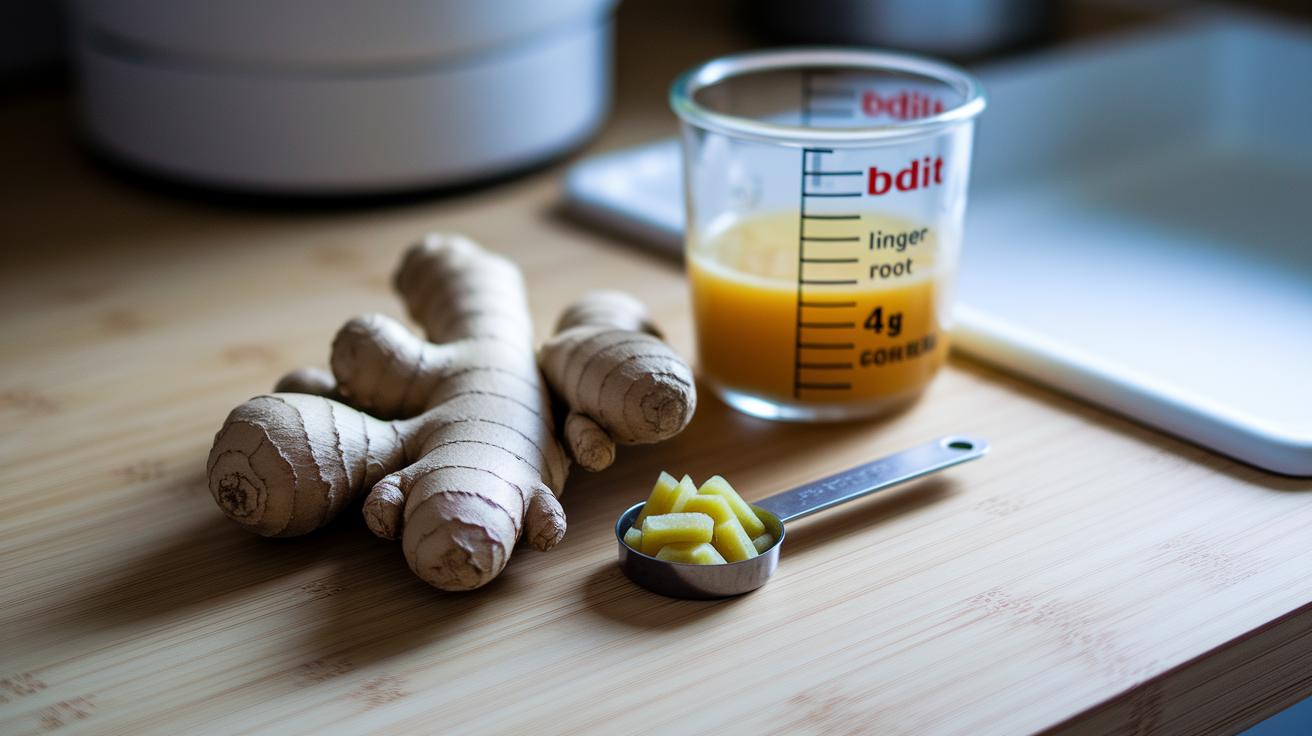
Ginger is a favorite natural remedy for many people. Research shows that taking about 4 grams a day is usually safe for most. It can help ease discomfort, but remember that everyone reacts a bit differently. It’s best to start with a small amount and see how you feel before slowly increasing your dose. Keeping within these limits helps lower the chance of any unwanted side effects, especially if you have other health issues.
- Heartburn: About 10% of people might notice a burning feeling in their chest after using ginger.
- Gas: Around 8% say they experience a little extra gas.
- Diarrhea: In a few cases (roughly 3%), too much ginger can lead to loose stools.
- Medication Interactions: If you have gallstones, take blood thinners, or are pregnant, be extra cautious. Pregnant women, for instance, should stick to about 1.5 grams a day.
If you start to feel significant discomfort, like a severe stomach upset or worsening symptoms, it’s a good idea to check in with a healthcare provider quickly. And if you take prescription medications, have dealt with gallbladder issues, or are expecting, make sure to talk with your doctor first. Listen to your body as you introduce ginger into your routine, adjust your intake as needed, and always keep professional advice in mind for the best care.
Historical and Clinical Perspectives on Ginger Medicine
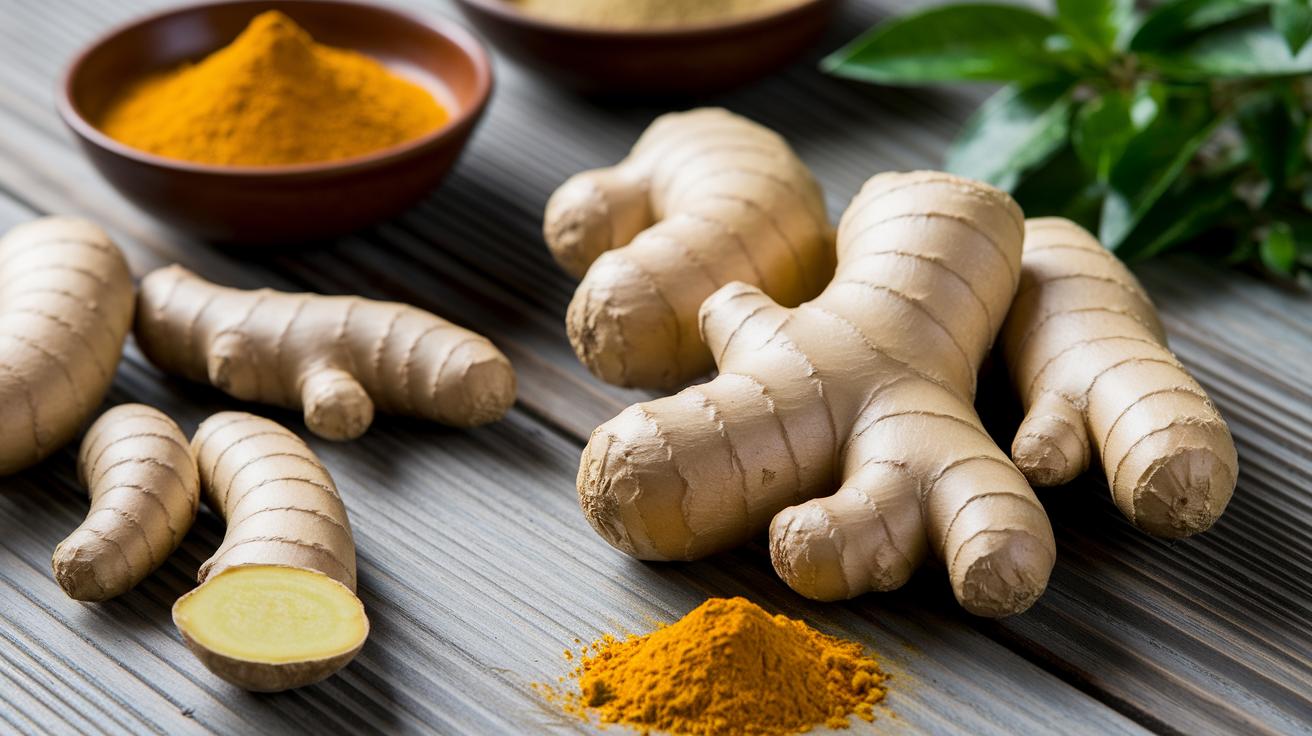
Ancient Chinese and Indian texts, some over 3,000 years old, show that people long ago trusted ginger for its power to help with digestion, breathing, and circulation. It’s amazing to think that ginger was a go-to remedy well before modern tests confirmed its benefits.
Traditional Systems (Ayurveda & TCM)
In Ayurveda, ginger often teams up with turmeric to boost digestion and keep the body’s energy balanced. And in Traditional Chinese Medicine, ginger is valued for its warming effect and its ability to help blood flow smoothly. Folks used it in soups and teas to ease cold symptoms and boost overall vitality. Even today, many practitioners keep these traditions alive to support good health.
Modern Clinical Evidence
Since 2000, more than 50 clinical trials have backed ginger’s benefits in reducing inflammation, easing nausea, and supporting healthy metabolism. Researchers point to gingerol, the active compound, which helps block inflammation and supports your gut health in simple terms. Ongoing studies are also exploring exciting new ways to use ginger in medicines, concentrates, and even topical creams for targeted relief. Manufacturers are busy creating extracts that are easier for your body to absorb while keeping all the benefits we’ve seen throughout history. It’s a neat blend of ancient wisdom and modern science working together for our well-being.
Final Words
In the action, we explored ginger’s rich history and its well-documented benefits. We saw how it eases nausea, soothes inflammation, and supports immunity. The guide shared practical tips on dosages, safe methods of use, and ways to enjoy its natural goodness.
Our discussion on ginger medicinal uses bridges ancient traditions with current scientific insights. Embracing ginger can add a fresh, natural boost to your daily wellness routine. Let its benefits lift your spirits and help you feel better every day.
FAQ
What are the key health benefits and uses of ginger?
The health benefits and uses of ginger include easing nausea, reducing inflammation, aiding digestion, boosting immunity, and relieving menstrual cramps. Its active compound, gingerol, plays a central role.
How can ginger be consumed to maximize its medicinal benefits?
Consuming ginger as tea, a decoction, raw in meals, or in supplements provides its health benefits. For example, steep fresh ginger slices in hot water or add a small amount to your daily recipes.
When should you avoid taking ginger or consult a doctor?
Avoid ginger if you have gallstones or are on blood thinners, and be cautious if you are taking medications like losartan. It’s best to talk with your doctor if you have any concerns.
What are the specific benefits of ginger for women?
Ginger benefits women by easing menstrual cramps and reducing discomfort due to its anti-inflammatory properties. It may also help lessen migraine intensity and support overall reproductive health.
What does the term “ginger herbal” imply?
The term “ginger herbal” refers to using ginger in its natural form, such as a spice, tea, or tincture, to help soothe digestion, reduce inflammation, and provide antioxidant support.