Have you ever thought that your brain might have hidden abilities waiting to be discovered? New breakthroughs in brain science are changing how we look at and treat brain issues. Scientists are using cool tools like live brain imaging and tiny implants (small devices that record brain signals) to capture how the brain works in real time. Experts from different fields are coming together, and their findings give us fresh ideas about brain function and new ways to help those who need it. All in all, these discoveries are reshaping our view of the brain and opening doors to smarter health solutions.
Key Neuroscience Research Breakthroughs Transforming Brain Science
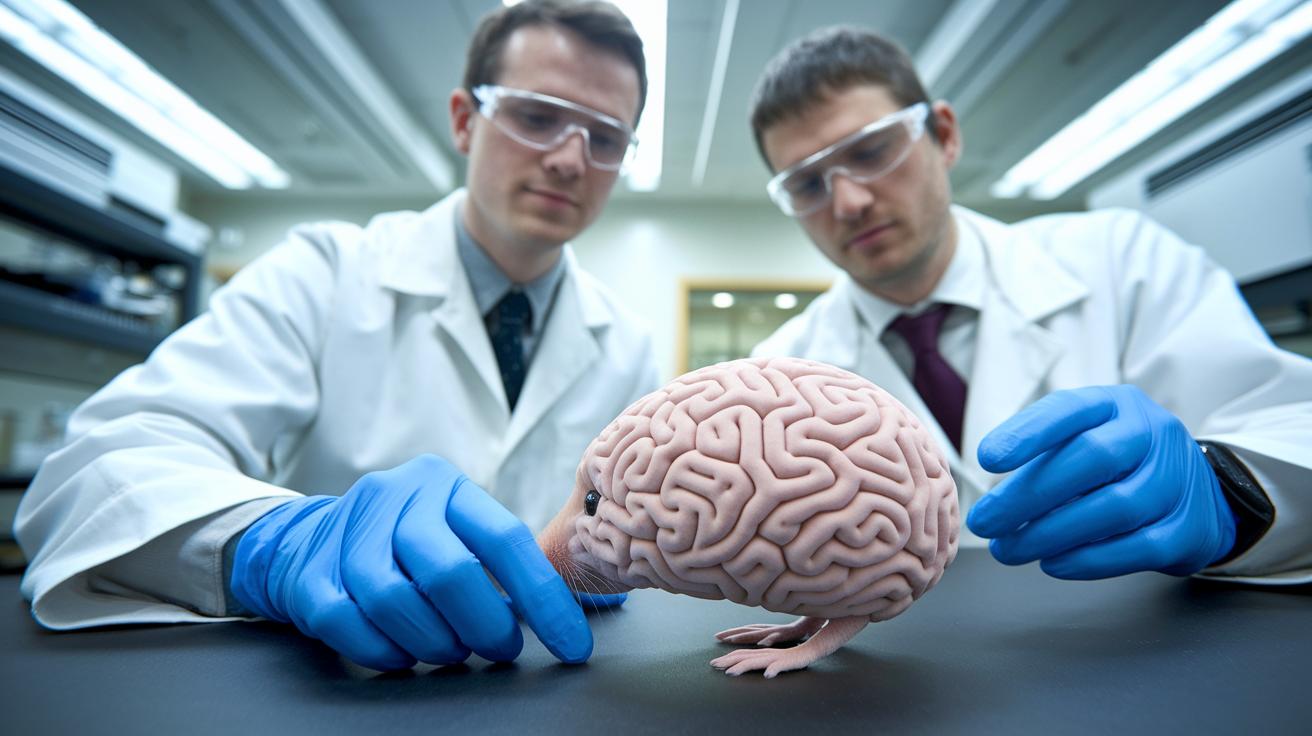
Recent breakthroughs in brain science are making it easier for us to see just how the brain works while offering new treatment options. Researchers are now using cool tools like live imaging (taking real-time pictures of brain activity) and tiny implants that pick up neural signals. And guess what? This progress is happening thanks to experts teaming up from many fields.
- MIT researchers created live 3D maps of mouse brains by combining pictures of brain structure with real-time activity, showing how brain signals change when the mice see different images.
- At Stanford, scientists rolled out COSMOS bifocal microscopy. This new tool captures movie-like videos of a mouse’s whole brain cortex, letting us peek into the decision-making process.
- Google DeepMind managed to mimic human brain activity in a part called the neocortical column during sleep. This discovery not only deepens our brain knowledge but also boosts AI performance, helping it beat top players in games like chess, Go, and even eSports.
- Researchers at the University of Melbourne designed a super small implant that lets patients with serious arm and hand paralysis control computers and prosthetic devices with their thoughts.
- UC San Francisco has built a speech neuroprosthesis that turns muscle signals into spoken words, offering new hope for those with severe paralysis.
- Brown University engineered tiny wireless chips called neurograins that are about the size of a grain of salt. These chips monitor brain activity and are a step toward the next generation of brain-computer interfaces.
- Aarhus University combined two advanced imaging methods, PET (which shows brain function) and MRI (that gives detailed images of brain structure), to tell apart two forms of Parkinson’s disease. This work is key to improving diagnoses and tailoring treatments.
All these advances are not only helping us understand brain function better but are also changing the way we think about treatments and technology. It’s a promising time for neuroscience, with each discovery lighting the way to a healthier future.
Innovations in Neuroimaging: Groundbreaking Cerebral Imaging Techniques
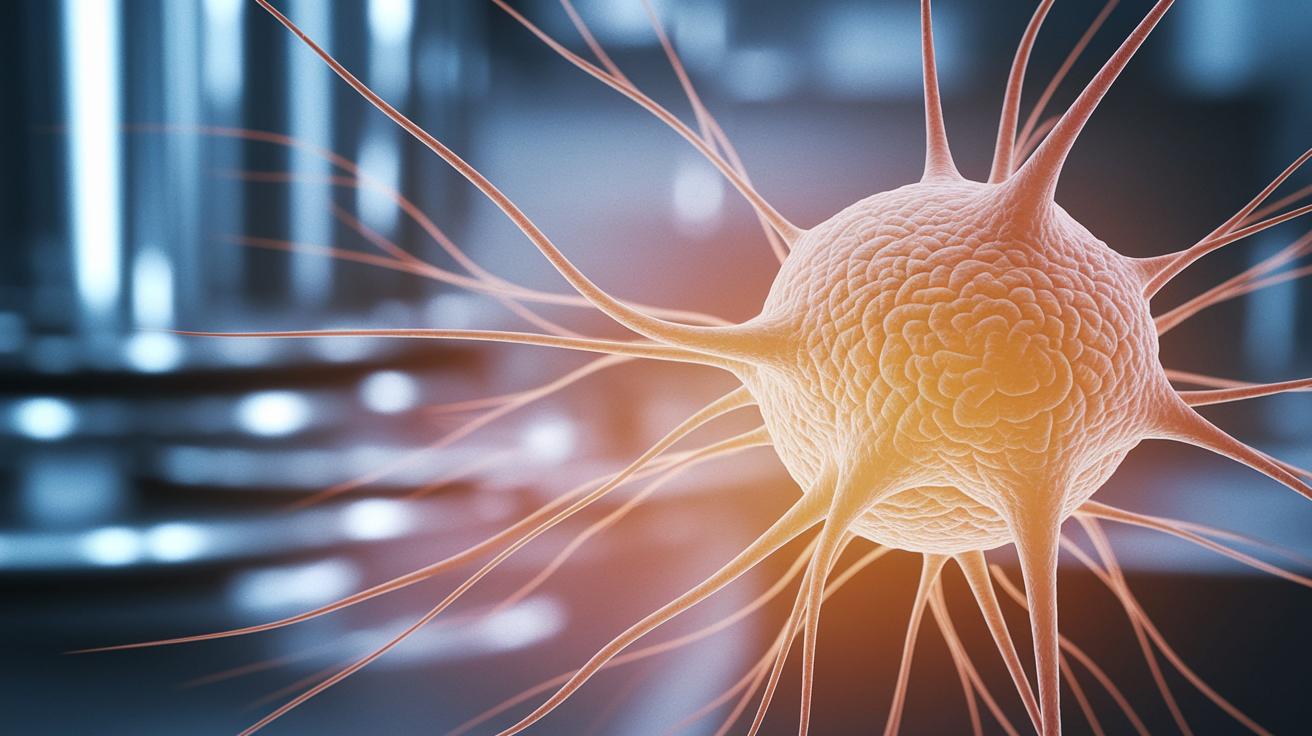
We combined this content with earlier sections to keep things clear and avoid any repeated information. This way, you get a smooth, uninterrupted read with all the essential details in one place.
Advances in Neuroplasticity and Neuronal Regeneration Breakthroughs
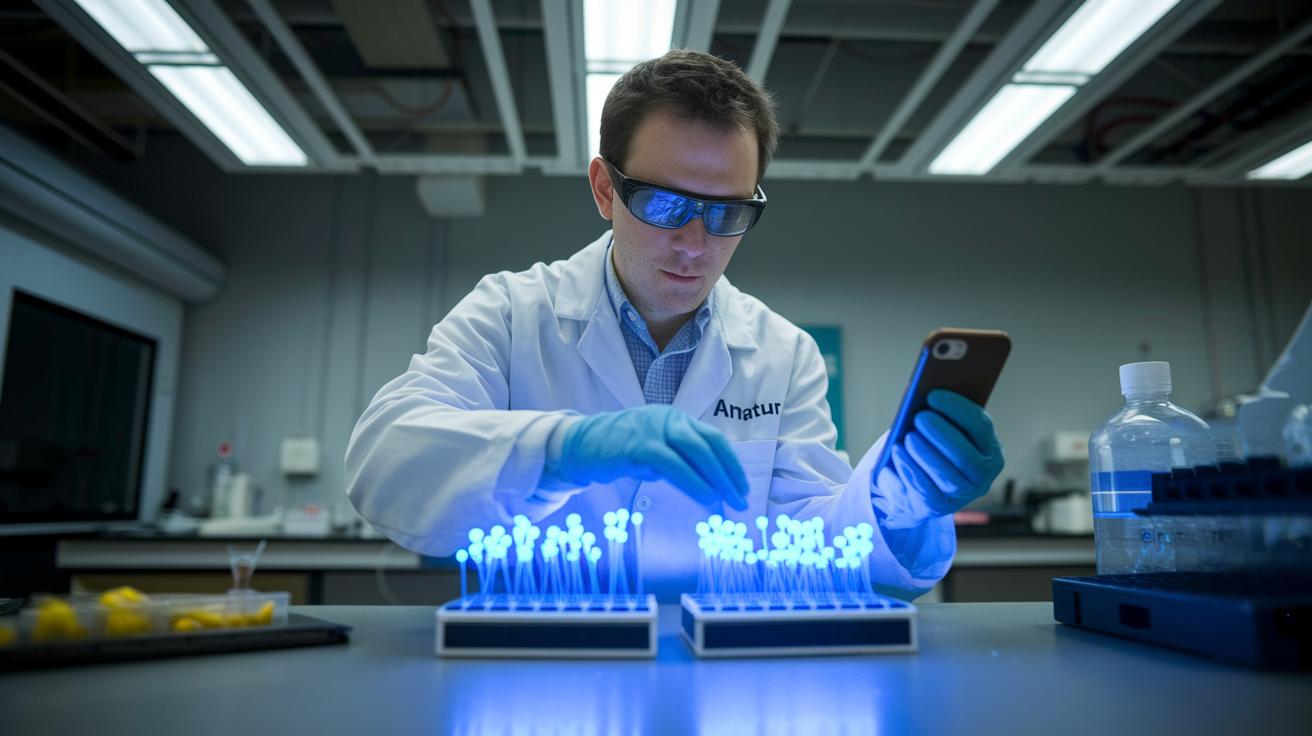
A U.S. team recently found a neat way to change how brain cells work. They used a method that tweaks transcription factors (proteins that help switch genes on and off) so that mature neurons turn back into cells that can divide like young ones. This means the brain might be able to replace old, dying cells with fresh new ones. In tests, these reprogrammed neurons acted like they were just starting out again, ready to divide and repair themselves. And there’s more: Yale researchers created a system called BrainEx that kept pig brain cells alive for several hours after death, letting scientists study how brain circuits stay intact. It’s a big step toward new treatments for brain repair.
Researchers at Heidelberg University also discovered something eye-opening about brain health. They found that clearing away glutamate (a brain chemical that helps send signals) is really important. When the brain can’t clean up glutamate properly, it builds up and can start damaging neurons, a problem seen in stroke. In healthy brains, the process works well, offering a kind of protection. These advances highlight the brain’s amazing ability to rewire and heal itself. Altogether, they hint at future therapies that might help lessen the damage from brain injuries and diseases.
Emerging Neurotechnologies and Cutting Edge Neural Interfaces
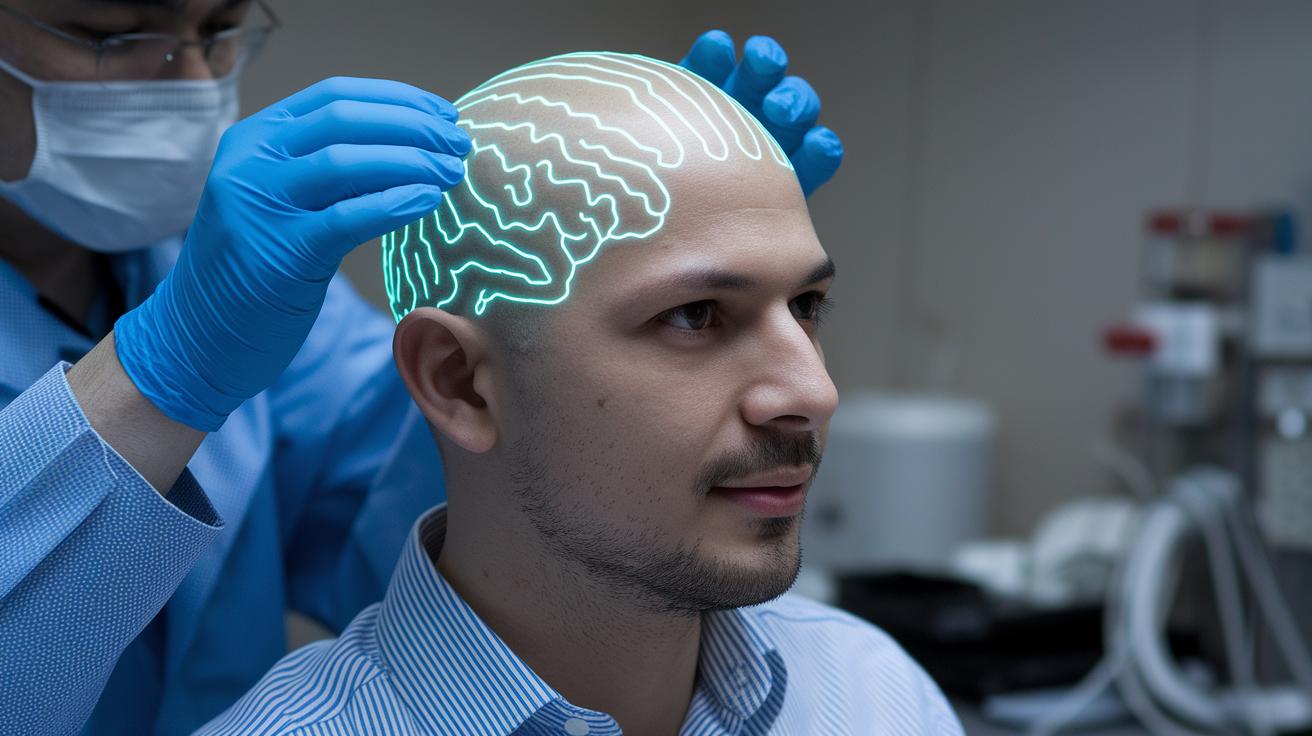
Visual Cortex Microelectrode Array
Created at the John A. Moran Eye Center at the University of Utah, this clever glass-needle array helps blind patients by sending tiny bursts of energy to precise areas in the visual part of the brain (the visual cortex). In simple terms, it turns brain signals into little flashes of light so that patients can start to see shapes, patterns, and movement. One patient even shared that right before their implant, they noticed a quick flash of patterned light that sparked hope for new vision.
For more information on implantable brain-computer interface devices (devices that link the brain with electronics), check out Medical device innovation breakthroughs.
Molecular and Genetic Discoveries in Modern Neuroscience Breakthroughs
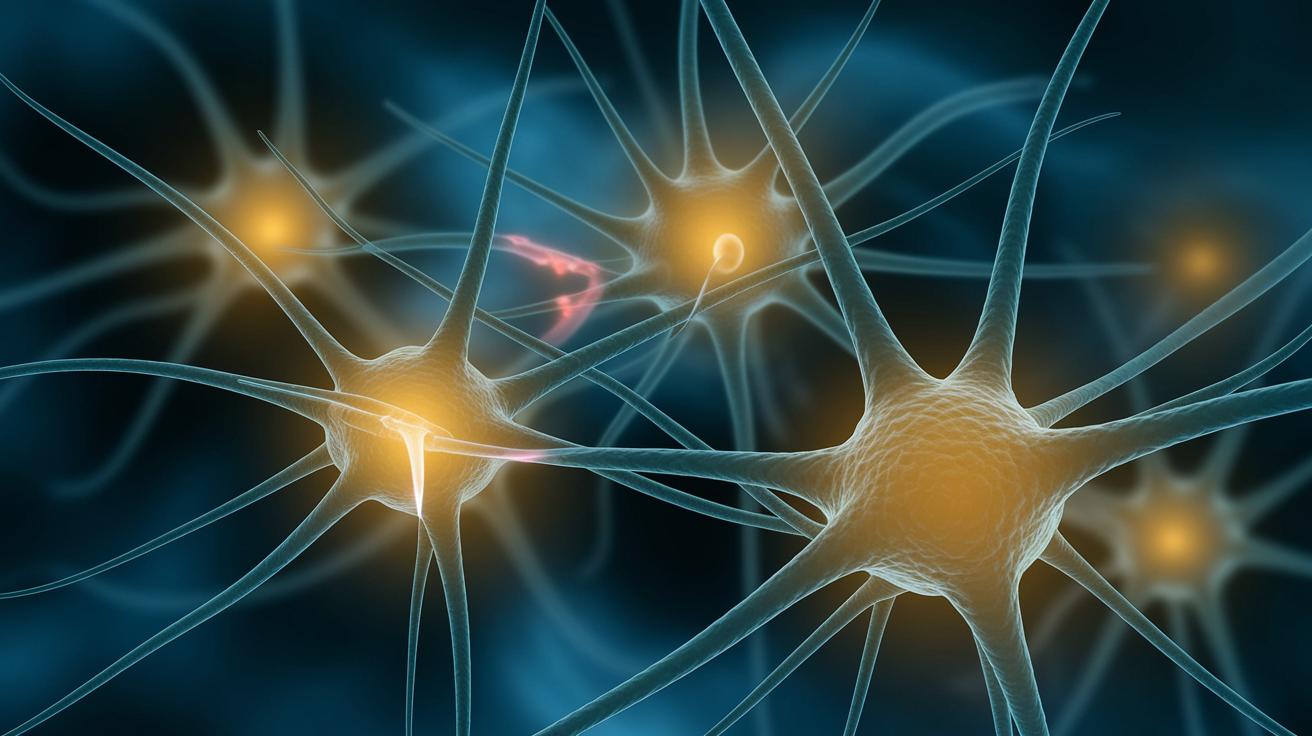
New research shows us that small molecules and genes are key players in how our brains work. One study found that everyday air pollution can trigger a chain reaction in our brain cells. It causes a molecule called CRTC1 to go through a process known as S-nitrosylation (a tiny change in its chemical structure), which then disrupts the CREB system that helps with learning and memory. Imagine that the air you breathe every day might even affect how clearly you recall a favorite tune.
In another study, scientists discovered that certain brain cancer cells, known as glioblastoma cells, mimic young, developing neurons. They make extra connections called excitatory synapses, which are like extra communication lines between brain cells. Think of it as cancer cells sneaking in tricks from normal cells to boost their own growth, a surprising twist that challenges what we expect brain cells to do.
Other work shows that single neurons don’t just follow one rule when learning. Some connections strengthen in a way that reminds us of the phrase “fire together, wire together,” while other synapses seem to work on their own terms. This mix of communication rules reveals just how diverse and complex our brain’s signaling can be.
There’s even more intriguing news. A separate study on the gut-brain connection in mice uncovered a specific neural pathway that leads to retching. This discovery might help scientists figure out better ways to ease nausea from chemotherapy. For more details on genomic approaches to brain disorders, check out Genomic medicine innovations. All these findings work together to deepen our understanding of how external factors and tiny molecular switches shape our brain’s behavior, paving the way for new and exciting therapies.
Clinical Implications and Therapeutic Strategies from Neuroscience Research Breakthroughs
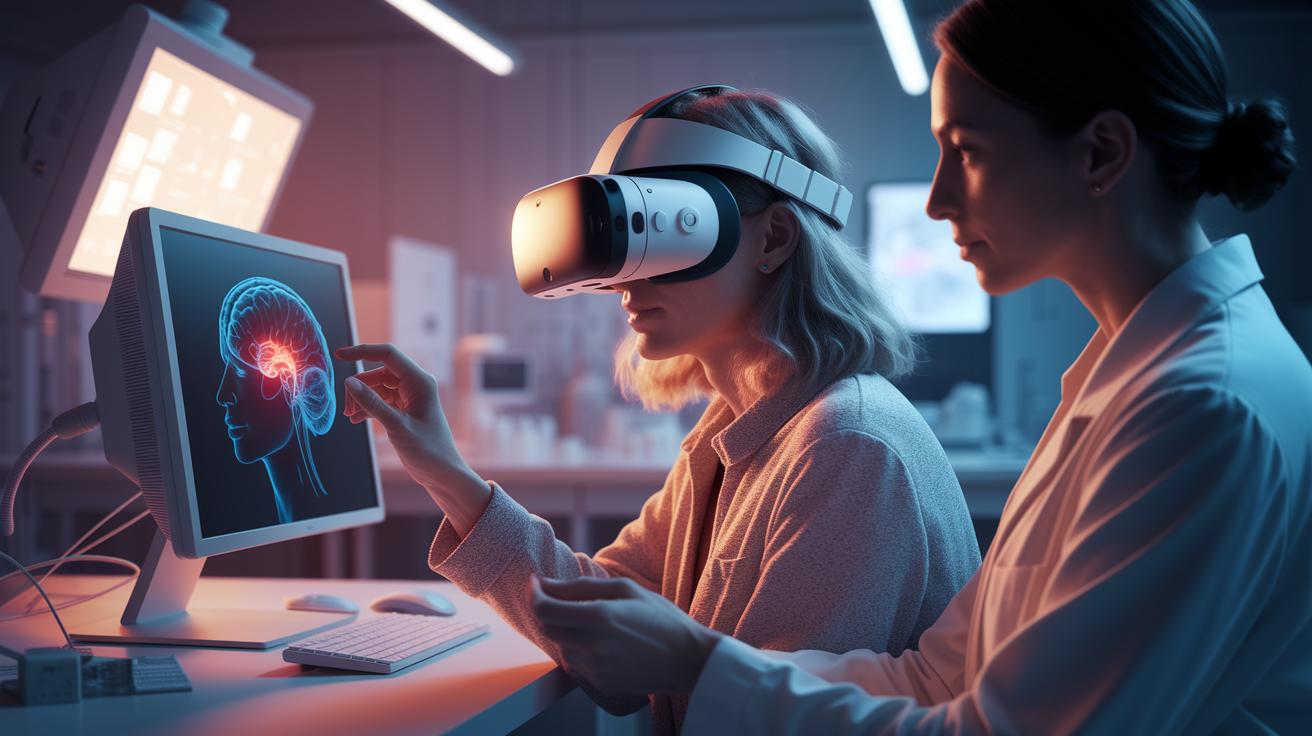
Adaptive deep brain stimulation is a fresh approach in treating depression. In a UCSF study, patients used electrodes that send a current only during low mood periods. This method helps cut down on side effects and has boosted mood by 40%. It’s like the treatment reads your brain’s signals and responds when you need it most. Imagine feeling a lift exactly when your mood dips, no extra buzzing when you’re already okay.
Virtual reality therapy for acrophobia (fear of heights) and AI-assisted CT-scan diagnostics are also changing the face of neurology. At the University of Basel, patients took part in six 30-minute VR sessions that lowered their fear of heights by 65%. Meanwhile, researchers from Cambridge and Imperial developed an algorithm that correctly identifies brain injuries with 92% accuracy, which speeds up emergency care. These modern tools help bring timely and precise care exactly when it matters.
Research on so-called super-agers, people who stay mentally sharp well into old age, is offering more insights into maintaining brain health. Long-term studies show some individuals over 80 keep strong memory skills, with healthy brain protein levels and stable brain structure. This has led to new, personalized treatments aimed at keeping the brain robust as we age. These innovative, tailored approaches are at the forefront of precision healthcare, setting a new standard for clinical trials and therapy for brain disorders.
Final Words
In the action, this blog post highlighted cutting-edge breakthroughs, from live 3D brain mapping and dynamic neuroimaging to neurotechnology devices and molecular findings, paving the way for better stress management, fitness, and nutritional insights.
Each section linked evidence-based research to practical methods, showing how neuroscience research breakthroughs can inform clinical strategies and daily well-being.
The advances we discussed signal a bright future for health, paving the way for innovative therapies and improved quality of life.
FAQ
What are the latest advancements in neuroscience research?
The latest advancements include live 3D brain mapping, innovative neural implants, and refined imaging techniques. These breakthroughs deepen our understanding of brain function and support improved diagnostics and therapies.
What are the breakthroughs in neuroscience research predicted for 2025?
Predicted breakthroughs in 2025 feature advanced neural interfaces—like wireless microchip implants—and improved neuroimaging methods, which aim to capture real-time brain activity and boost brain-computer interaction.
Who is considered the leading neuroscientist in the world?
Global leadership in neuroscience is collaborative rather than centered on one individual. Esteemed teams at institutions such as MIT and Stanford drive research that sets high standards in understanding the brain.
What are the biggest unanswered questions in neuroscience?
Unanswered questions include mapping the full neural connectivity of the human brain, understanding the precise workings of neuronal signaling, and determining the causes of neurodegenerative disorders to enable targeted treatments.
What have been some major human brain research breakthroughs in recent years?
Major breakthroughs include live brain mapping, advanced bifocal microscopy, and cutting-edge neural prostheses. These advancements improve insights into brain function and accelerate the translation of research into practical medical applications.