Ever notice how sticking to a diet can be tough? It’s not that healthy meals are dull, it's just that sudden changes often feel too big to handle. Many of us reach for processed snacks that are packed with sugar and salt instead of enjoying meals full of real, good-for-you ingredients. So, instead of trying to change everything at once, why not start small? Try swapping a sugary treat for a crunchy apple or adding a fresh salad to your dinner. This simple guide walks you through easy switches that can help you feel more energetic and great each day.
Kickoff Guide to Healthy Eating Habits
Healthy eating is all about enjoying a mix of foods packed with vitamins, minerals, and the energy your body and mind need. Most of us in America tend to eat too many foods loaded with fats, sugars, and salt, which can lead to problems like obesity. But even small changes, like picking whole foods over processed ones, can really boost your health. For example, why not try swapping white bread for whole-grain bread? It offers natural fiber and more nutrients.
Here are three easy steps you can start with today:
- Replace heavily processed snacks with wholesome choices. Instead of grabbing a sugary bar, try a crisp apple or a handful of nuts.
- Add an extra serving of fruits or vegetables to one meal. Maybe toss a side salad with dinner or have a bowl of fresh fruit at breakfast. Did you know that mixed berries can lift your mood thanks to their natural antioxidants?
- Drink smart by cutting down on sugary drinks. Swap your soda for water flavored with slices of lemon, lime, or cucumber. This simple change helps lower your sugar intake and keeps your energy steady all day long.
Taking these small steps can set you on the path to lasting improvements in your health. Remember, you don't have to change your whole diet overnight. Focus on eating a variety of nutrient-rich foods and enjoy the journey. Every little swap brings you closer to making healthy eating a natural part of your daily routine.
Building a Wholesome Starter Plan for Healthy Eating
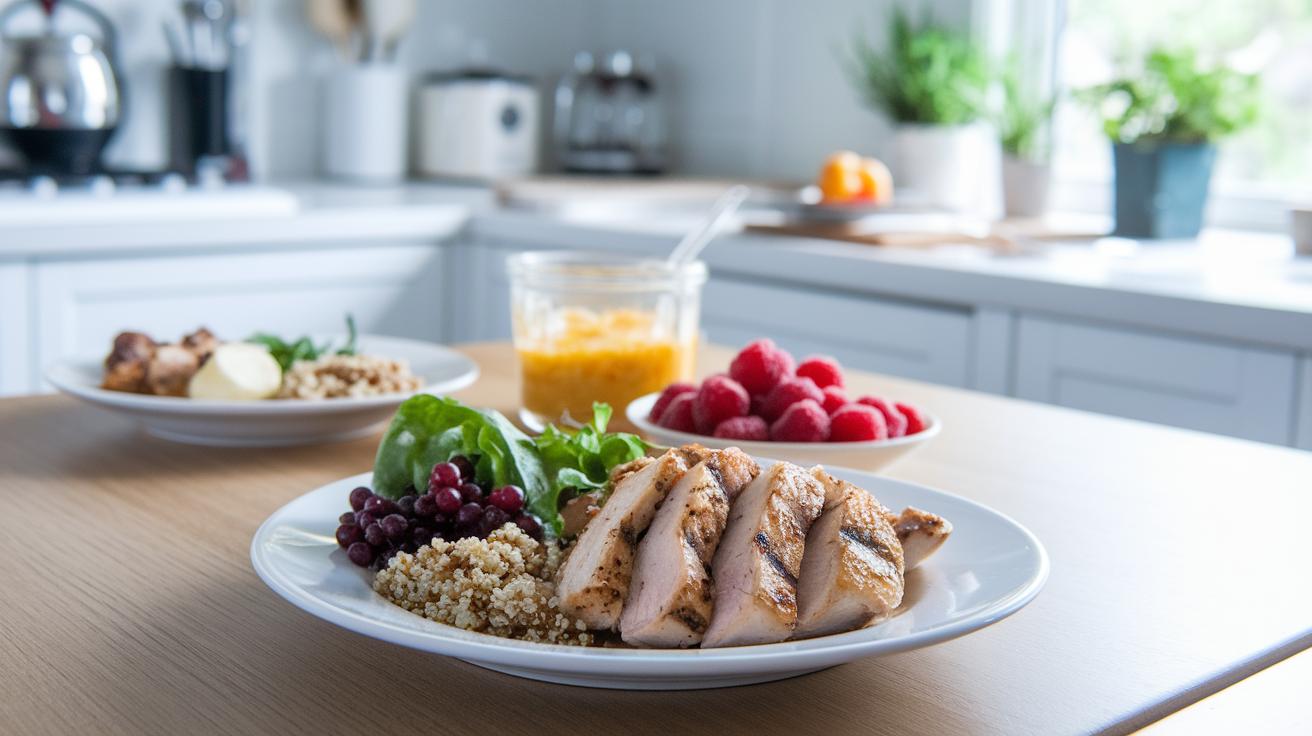
Starting on a journey to healthy eating doesn’t mean overhauling everything overnight. Instead, try making small, steady changes that balance your meals and boost both body and mind. By focusing on key food groups, those handy macronutrients like carbohydrates (think whole grains with fiber), proteins, and fats, you’re setting yourself up with the vitamins and minerals your body craves.
Focus on whole, real foods like whole grains, lean proteins, and healthy fats. These choices pack a nutritional punch and help you feel full longer. Plus, steering clear of ultra-processed items means you avoid hidden sugars and extra additives, letting the natural goodness of food shine through.
Here’s a simple checklist to guide your first week of mindful eating:
- Swap refined grains for whole grains to get more fiber and keep hunger at bay.
- Choose lean proteins like chicken, fish, or beans to help repair and grow your muscles.
- Add healthy fats from foods such as avocados, nuts, or olive oil to keep your energy steady.
- Fill half your plate with a bright mix of fruits and vegetables to load up on vitamins and minerals.
- Opt for water or unsweetened beverages instead of sugary drinks to stay well-hydrated without extra calories.
Every little change can add up, and over time these steps build a more wholesome eating plan. Even small adjustments today can lead to a healthier tomorrow. For extra guidance and ideas, check out https://healthandwealth101.com?p=99.
Crafting a Balanced Meal Routine to Support Healthy Eating
Breakfast Tips
Begin your morning with food that gives you both protein and fiber. Try a bowl of Greek yogurt with a handful of berries and a sprinkle of granola. It’s a tasty mix that helps keep you full and fuels your day. Or, go for a couple of scrambled eggs with a slice of whole grain toast and a few avocado slices. The eggs offer lean protein, while the toast and avocado add fiber and healthy fats.
Lunch Guidelines
At lunch, remember a simple rule: include a vegetable, a protein, and a grain. For example, a salad with grilled chicken, a small serving of quinoa, and plenty of mixed greens works really well. The quinoa provides a healthy carb, the chicken gives you protein, and the veggies bring in vitamins and minerals to boost your energy for the afternoon.
Dinner Ideas
For dinner, consider a one-pan recipe to make your evening meal simple and satisfying. Arrange salmon, sweet potato cubes, and broccoli on a sheet pan. Drizzle a little olive oil over everything and roast until the salmon flakes easily and the veggies become tender. This method not only delivers a nourishing dish but also makes clean-up a breeze.
Smart Food Choices: Whole Foods vs. Processed for Healthy Eating
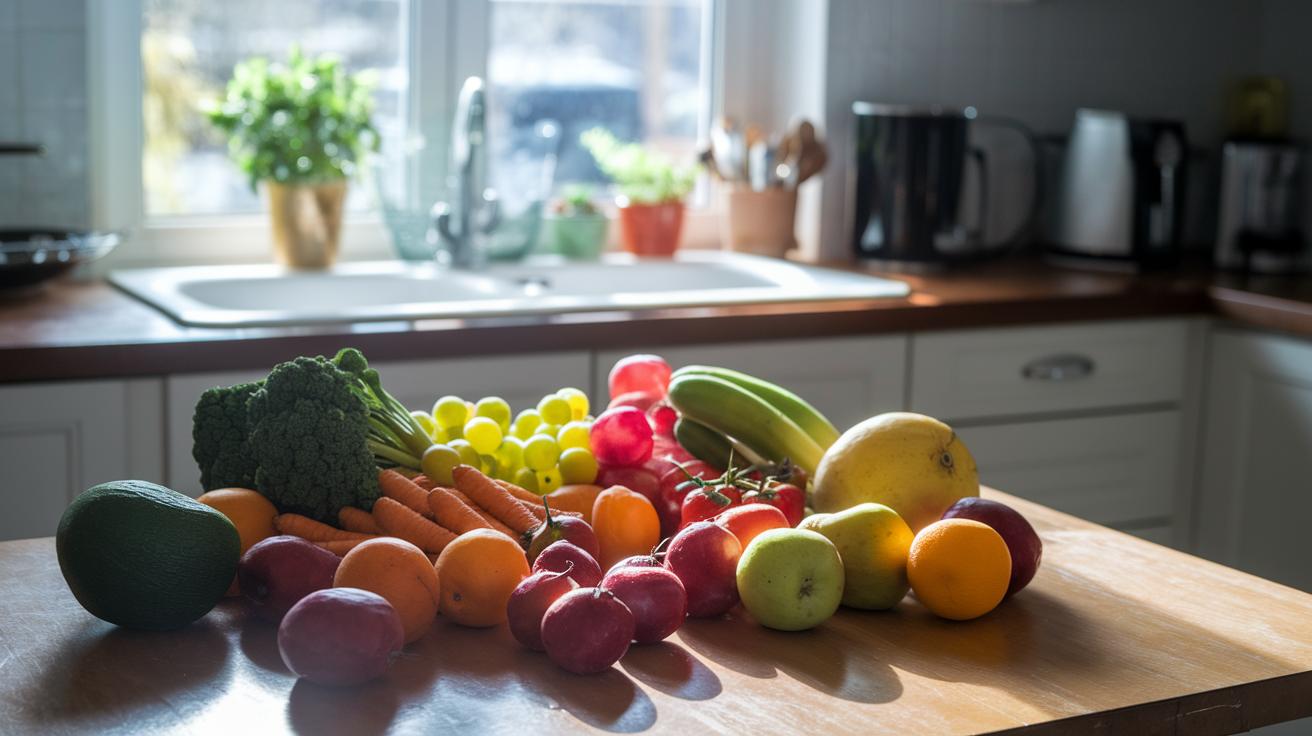
When you pick foods that come straight from nature, you're doing your body a big favor. Whole foods like fresh fruits, vegetables, lean meats, and whole grains bring you natural fiber, vitamins, and help keep your blood sugar steady (that means your energy stays balanced). They even support managing conditions like diabetes by keeping your energy levels steady.
Processed foods, on the other hand, are changed in factories, either mechanically or with chemicals, to boost flavor or make them last longer. They often come with extra additives that can spark cravings and throw off your natural balance.
By choosing whole foods, you skip the extra steps that strip away nature’s goodness. These foods not only help you stay full longer but also support even blood sugar and lift your mood. This simple switch can make everyday tasks feel a bit easier and your day a bit brighter.
Before you check out the table below, remember that a balanced diet for longevity is built on consistently making choices that pack plenty of nutrients.
| Food Category | Whole-Food Examples | Processed Examples |
|---|---|---|
| Fruits | Fresh apples, berries, oranges | Canned fruits with added sugars |
| Vegetables | Leafy greens, broccoli, carrots | Canned or sauced vegetables |
| Proteins | Grilled chicken, beans, tofu | Deli meats, sausages |
| Grains | Brown rice, oats, quinoa | Refined grains, instant cereals |
By opting for whole foods, you give your body natural fuel that helps you feel great from the inside out. Try making these choices today, you might notice more energy, a more even mood, and overall better health in your daily life.
Meal Planning & Grocery Strategies for Healthy Eating Starters
Cooking at home lets you decide exactly what goes into your meals. It helps you avoid extra sugars, salts, and preservatives. Start by sketching out a weekly menu. This simple step not only keeps your meals interesting but also prevents those spur-of-the-moment buys at the store. If you need a bit more guidance, try looking up tips for meal planning for healthy eating.
Once you have your menu, make a clear grocery list. Write down everything you need, from crisp vegetables and sweet fruits to lean meats (proteins that help build muscles) and whole grains. Think of it as your game plan for healthy living. This list keeps you on track and makes sure you pick fresh, natural foods rather than processed options with hidden additives.
When you head to the store, start by shopping along the outer edges. That’s typically where you’ll find fresh produce, dairy, and meats. This way, you can steer clear of the middle aisles that often house heavily processed foods. And don’t forget to set a budget for your groceries. Planning ahead means you can enjoy quality foods without any surprising expenses at the checkout.
Before you grab anything off the shelves, take a moment to read the nutrition labels. They’re your quick guide to spotting extra sugars and salt that may be hiding in the ingredients. For an extra boost to your healthy plan, consider adding some superfoods into your diet, foods that pack a lot of vitamins and minerals in every bite.
- Plan your weekly menu
- Create a detailed grocery list
- Shop along the store perimeter
- Set a food budget
- Check labels for hidden additives
Overcoming Common Challenges When Beginning Healthy Eating
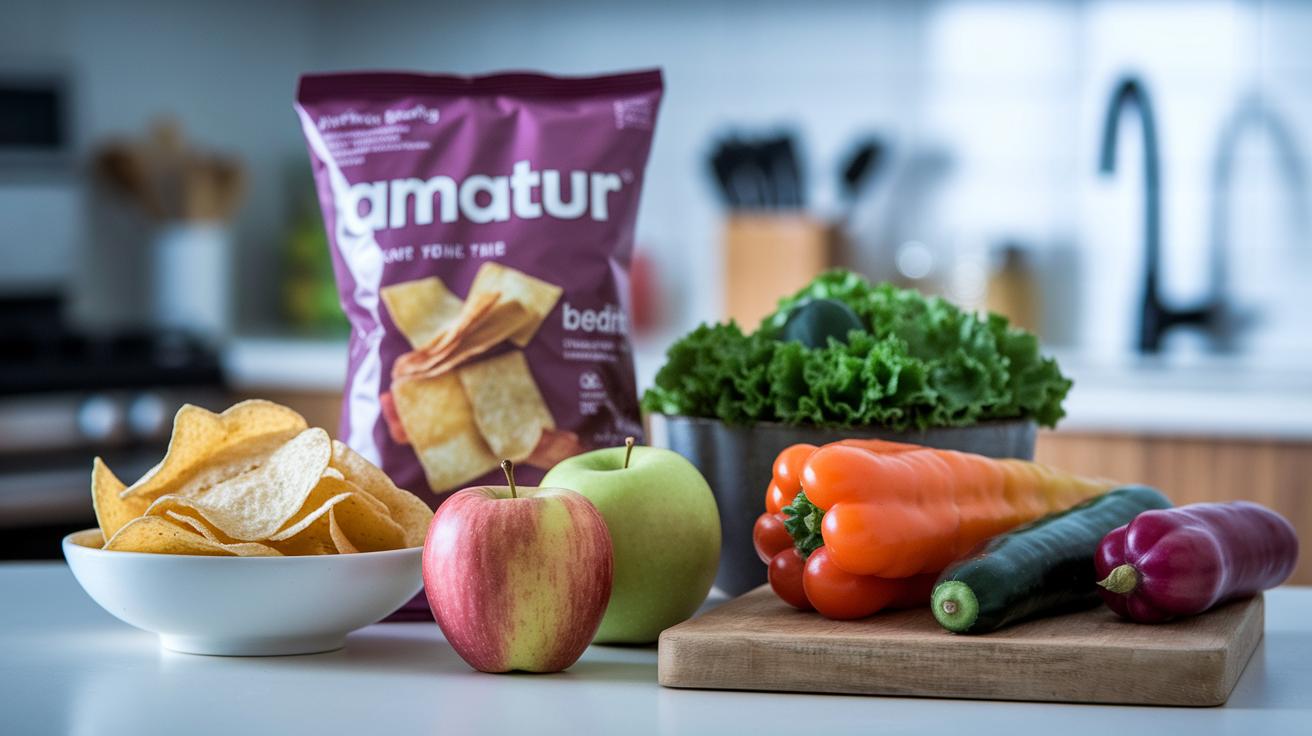
Sometimes, it feels like there's just no time or money to make better food choices. Whether it's a hectic schedule or strong cravings for familiar snacks, these obstacles can seem daunting. A smart and friendly tip is to start small, try changing just one thing at a time. For example, swap out a bag of chips for a crisp apple or toss a small salad into your sandwich. This tiny adjustment can gradually change your habits without throwing your day off track.
Another helpful idea is to prep parts of your meals ahead of time. Picture slicing up some fresh veggies or dividing a mix of fruits and nuts into little containers. This makes it so simple to grab a healthy snack on busy mornings or after work, instead of reaching for something processed. It’s like setting out a mini snack kit that’s ready when you are.
Also, mix up your meal choices to keep things interesting. Sticking to the same foods day in and day out can leave you feeling bored and craving variety. Try rotating your lean proteins, fruits, and whole grains over the week. This not only makes your meals more exciting but also helps ensure you get a wide range of nutrients.
- Make one food swap at a time.
- Pre-prepare food components.
- Change up your meal choices consistently.
Final Words
In the action, this article offered a clear guide on starting healthy eating habits with practical action steps for balanced meals, smart grocery planning, and selecting whole foods over processed items.
Every section highlighted simple changes, from helpful meal prep tips to overcoming everyday challenges, showing that small actions add up. Remember, every small step counts when learning how to start eating healthy, and your choice to make these changes can lead to lasting improvements in well-being.