Have you ever thought about how a smart device or computer might catch an illness before you even feel sick? New studies show that digital health research is changing the way we check for diseases.
Scientists are using clever computer models, handy wearables, and even remote check-ups (like consulting your doctor over video) to spot problems that used to go unnoticed. This makes testing easier and care better.
In this post, we'll chat about how these advances are lighting the way to a healthier future by catching issues early.
Digital health research breakthroughs: Bright Impact

Spring 2025 saw a wave of new studies that are changing how we test for illnesses. Researchers used smart computer models, neat wearable devices, and remote check-ups to make testing easier and less invasive. These advances promise to improve accuracy and reduce the need for painful tests.
- Google developed a clever CT scan system that found lung cancer more accurately than top radiologists. Imagine a tool that does even better than the best experts.
- Scientists used deep learning to study parts of our DNA that we hadn’t looked at before, uncovering new changes linked to autism. Think of it like finding secret notes hidden in your genetic code.
- Another breakthrough involved an AI tool paired with a wrist-worn sensor that can spot a heart condition called hypertrophic cardiomyopathy (thickening of the heart muscle) without needing surgery or invasive procedures. It’s like having a wearable guardian that keeps an eye on your heart.
- A newly approved billing code lets doctors get reimbursed for using a special eye screening for diabetic retinopathy. This step boosts the role of remote medicine in eye care, kind of like receiving a trusted stamp of approval that changes the way doctors work.
Together, these discoveries are setting the stage for more precise tests and better care for patients.
AI’s Role in Digital Health Research Advances

Tech advances are pushing AI to do more than just work with traditional medical images. Now, it’s also used for tracking day-to-day traits through digital data and keeping an eye on symptoms. Scientists are mixing images, genes, and what patients share about their health into smart computer programs that help predict risks just for you. Imagine an AI tool that checks a CT scan, reviews daily health logs, and looks at genetic hints all at once. It’s like adding a new layer of clear, personal insight to your regular check-ups.
Doctors and experts are highlighting the need to understand exactly how these programs make decisions and to fix any unfair errors. Health regulators are setting up rules, much like the thorough tests a new medical test must pass before it’s used in a hospital. This careful testing builds trust and clears the way for the next generation of AI tools that promise smarter and more personalized care.
Wearable Device Innovations in Digital Health Research
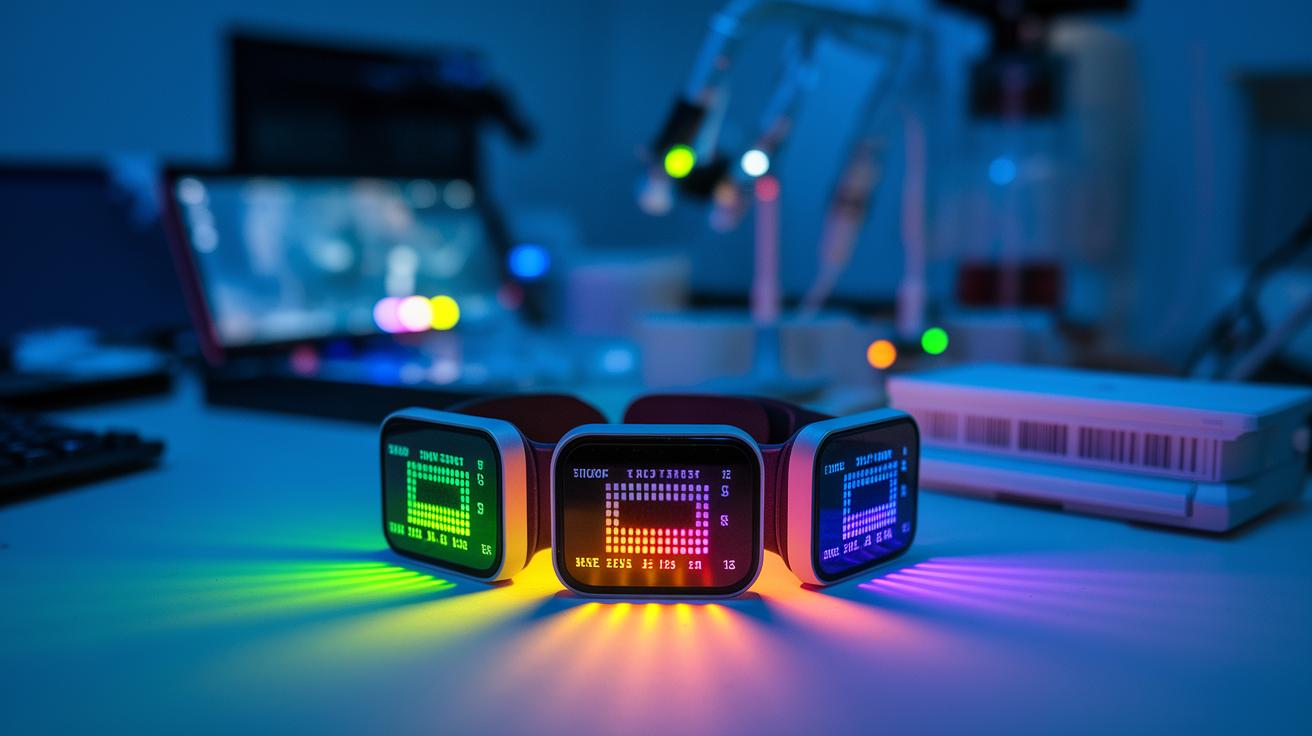
Smart devices are now a big part of our lives, and they’re helping improve new sensor technology. Engineers have created wearable sensors that use different colors of light to follow your heart signals more closely (kind of like how a rainbow shows off different shades). Imagine these sensors as an early-warning system, just as a smoke detector alerts you to a fire, these sensors pick up tiny blood flow changes that might hint at heart issues before they become serious.
Recent studies even tried out wrist sensors with smart tech that can notice early signs of heart stress before conditions like a thickened heart muscle appear. One study used sensors that watch blood vessels with multiple colored lights to catch details that regular sensors might miss. Think of it like a friend who quickly notices when something is off with you.
Scientists are also focused on making these devices work just as well as the ones used in clinics, while keeping you motivated to wear them every day. They’re adding fun features to phone apps, like games and personal reminders, to help you stay on track. New designs also stick better to your skin and are more comfortable, so you can wear them all day without worry while your important health data stays safe.
Telemedicine and Connected Care Platforms in Digital Health Research

New rules are opening exciting doors for remote care. Recently, experts approved a top billing code (Category 1 CPT code) that supports quick eye exams right at the point of care. In simple terms, this means tools like IDx-DR, used for spotting diabetic eye damage, can now be reimbursed by insurance. This change makes it easier for doctors to add smart, efficient screenings to their daily routines.
Recent business moves are also changing how information is shared in healthcare. Datavant’s purchase of Aetion is creating one safe platform where data can be exchanged and analyzed to show real-world results. Imagine putting together pieces of a puzzle from different sources to get a complete health picture. This unified approach makes the insights more reliable and useful, much like other trusted health tech solutions you might have seen.
Studies are showing that smartphone-based AI tools, especially for diabetic eye screenings, are really making a mark. These advances not only bring care closer to you but also help you keep a closer eye on your own health data. All these new developments are reshaping old practices and expanding what’s possible in telemedicine and connected care.
Precision Medicine Studies and Data Analytics in Digital Health Research
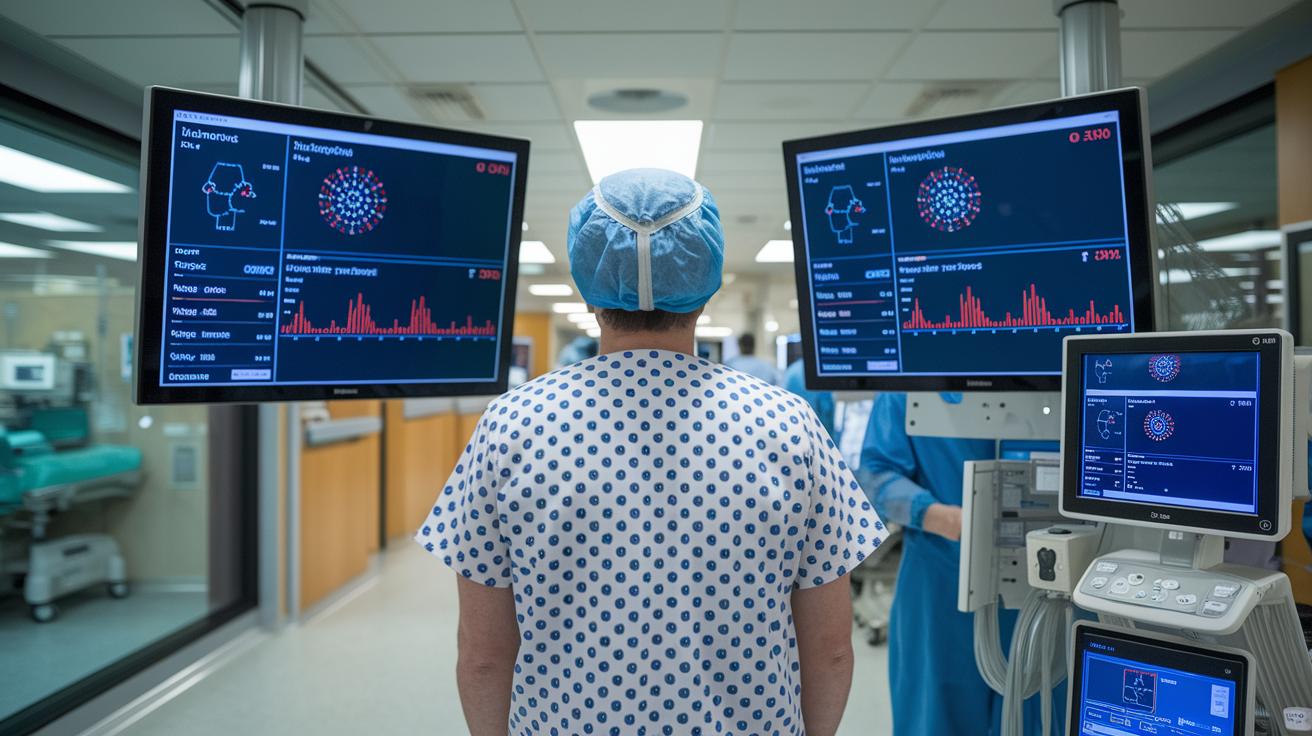
Targeted funding is sparking some really exciting breakthroughs in precision medicine. Backed by smart investments, researchers are now blending health data analysis (simply put, looking at all kinds of health records) with clinical decision support tools (which help doctors pick the best treatment) to create care plans that truly fit each patient. This boost in funds speeds up the creation of clever tools that can spot and manage health risks long before they become serious.
There are a few standout projects making a big impact in digital health. For example, the Global Ovarian Cancer Research Consortium bagged a $1M AI Accelerator Grant plus another $1M in Microsoft AI for Good Lab cloud credits to improve early detection research. Meanwhile, Plenful secured $50M in Series B funding for its AI-powered healthcare automation platform, and Hinge Health generated growing investor trust with an IPO valued at $437M. Below is a quick look at these initiatives:
| Initiative | Funding | Partners |
|---|---|---|
| Global Ovarian Cancer Research Consortium | $1M Accelerator Grant + $1M Cloud Credits | International Research Partners |
| Plenful | $50M Series B | AI-driven Healthcare Platform |
| Hinge Health | $437M IPO Valuation | Digital Therapeutics Investors |
These projects highlight our move toward personalized care. By using clear, data-based insights and everyday evidence, experts are changing how clinical decisions are made. This fresh approach in precision medicine not only helps doctors catch diseases early, but it also fine-tunes treatments to better suit each person’s unique needs.
Collaborations and Funding Shaping Digital Health Research Progress

Academic experts and industry pioneers joining forces can really spark breakthroughs in digital health. One cool example is a five-month project by Duke, Google, Fitbit, ŌURA, and UNC Chapel Hill focused on preventing opioid relapses. They used artificial intelligence (smart computer systems) along with sensor data (info from small devices) to catch early signs of relapse. Imagine noticing a small change in your daily habits, a quieter step or an extra-long pause, and having a sensor pick up on it, alerting you just in time.
This project shows how blending clinical know-how with digital tools can boost preventive care. It offers a fresh way to use real-time information to guide personalized health tips, something traditional methods haven’t quite managed before.
Final Words
In the action, this article showcased key advances in health research, from AI-driven clinical tools and wearable sensor insights to telemedicine enhancements and precision medicine efforts.
It highlighted how smart funding and partnerships are powering transformative studies. These digital health research breakthroughs are making a real difference in care and quality of life. Stay upbeat as innovation drives a healthier, more informed future.
FAQ
Q: What are the digital health trends 2025?
A: The digital health trends 2025 include breakthroughs in wearable sensors, telemedicine platforms, and AI-powered diagnostic tools that make healthcare more precise and accessible.
Q: What are some AI in healthcare examples?
A: The AI in healthcare examples include deep-learning CT scan models that detect lung cancer, wrist biosensors for heart conditions, and machine learning systems that support clinical diagnostics.
Q: What are the 10 benefits of artificial intelligence in healthcare?
A: The benefits of artificial intelligence in healthcare range from improved diagnostic accuracy and personalized treatment plans to efficient data processing, enhanced patient monitoring, and faster early detection of illnesses.
Q: What is the digital health market size?
A: The digital health market size is growing quickly, driven by widespread use of wearable devices and telemedicine services, which lead to vast data collection and innovative clinical evaluations.
Q: Where can I find AI and healthcare articles?
A: The AI and healthcare articles present insights on advances in machine learning for diagnostics and treatment, discussing developments in imaging, digital phenotyping, and real-world clinical applications.
Q: What are the latest AI in healthcare trends?
A: The latest AI in healthcare trends focus on integrating imaging, genomics, and patient feedback, with special attention to making AI models more transparent and clinically validated.
Q: How can I access an artificial intelligence in healthcare PDF?
A: The artificial intelligence in healthcare PDF usually contains detailed research findings and guidelines, which you can access through academic publishers, healthcare journals, or reputable online repositories.
Q: What can we expect for AI in healthcare 2025?
A: AI in healthcare 2025 is set to see more diagnostic automation, personalized care through multimodal data, and improved safety measures with stricter regulatory standards in clinical practice.