Have you ever thought about combining everyday medical care with natural methods to help you feel healthier and happier? Integrative health brings together treatments you trust from your doctor with simple practices like yoga, guided meditation, and eating well. Research suggests that small changes in your routine can really lower stress and boost your overall well-being. In this article, we explore how mixing these approaches can help your mind and body work better as a team. Get ready to try a change that could make a big difference in your life.
Understanding Integrative Care: A Holistic Well-Being Overview

Integrative care brings mainstream medicine and natural therapies together so you can feel balanced in mind and body. It focuses on simple changes in your daily routine, like pairing your regular doctor’s visit with a calming yoga class, to help lower your risk of illness and boost overall health.
Over the last fifty years, many top health centers have embraced this client-focused approach. They combine proven medical treatments with natural remedies backed by solid research. In fact, some studies show that only about 60% of traditional practices have all the evidence they need, which is why it’s important to look closely at every option.
True well-being comes from mixing reliable treatments with fresh ideas like nutritional advice or stress-relief mindfulness. Have you ever noticed how small changes, like a short daily walk, can lead to big benefits? For example, regular moderate exercise might even lower your risk of heart problems by a surprising amount. This blend of trusted tradition and smart innovation creates a supportive path toward lasting health, which is really the heart of integrative care.
Core Principles of Integrative Health Approaches

Integrative health brings together different healing methods so you can feel balanced in both body and mind. It uses practical techniques like energy therapies (which help re-establish your body’s natural flow) and cutting-edge treatments such as SE™ and EMDR to calm your mind and ease physical tension. Picture a session where someone leaves feeling lighter and more centered after a gentle energy therapy session.
Mind-body techniques are also a big part of this approach. These include activities like guided meditation and yoga, where mental relaxation mixes with physical movement. For a closer look, try exploring some holistic wellness routines that blend the two. These practices are designed to lower stress while boosting your focus and awareness.
Natural therapies, like herbal remedies, also have clear scientific backing. Researchers study these natural options to make sure they’re both safe and effective. When you mix natural treatments with proven science, you get a powerful blend that supports healing and helps keep problems at bay.
In short, integrative care combines trusted modern techniques with time-tested natural methods. This balanced mix helps you welcome positive change with care that’s both practical and rooted in science.
Integrative Clinical Consultations & Personalized Transformation in Wellness

Integrative clinical consultations mix regular medical check-ups with a warm, one-on-one approach. During your visit, your provider not only reviews your health history using common tests but also works with you to create a plan that fits your everyday life. For instance, after some routine tests, they might suggest simple changes in your diet along with easy stress relief techniques that fit naturally into your day.
In these sessions, every part of your well-being matters. Your symptoms, eating habits, daily activity, and sleep patterns all play a role in crafting a care plan that’s as unique as you are. Imagine it like making a special recipe, where balanced nutrition, steady exercise, gentle mind-body practices, and practical stress relief blend together perfectly. Perhaps you might start your day with a healthy smoothie and a few minutes of deep, mindful breathing, routines that can boost your energy and mood over time.
These personalized strategies also tap into the latest research on alternative treatments. Your provider keeps up with new studies to add innovative holistic therapies into your plan. It’s an ever-evolving approach that grows with your progress and the newest scientific findings. They rely on sound data so that every suggestion is both safe and effective.
Your journey to better health is a true partnership. By taking an active role in your health plan, you create a path to change that feels uniquely yours. Each consultation is a chance to adjust your strategy based on real feedback and your changing needs.
Wellness Lifestyle Coaching within Integrative Health Models
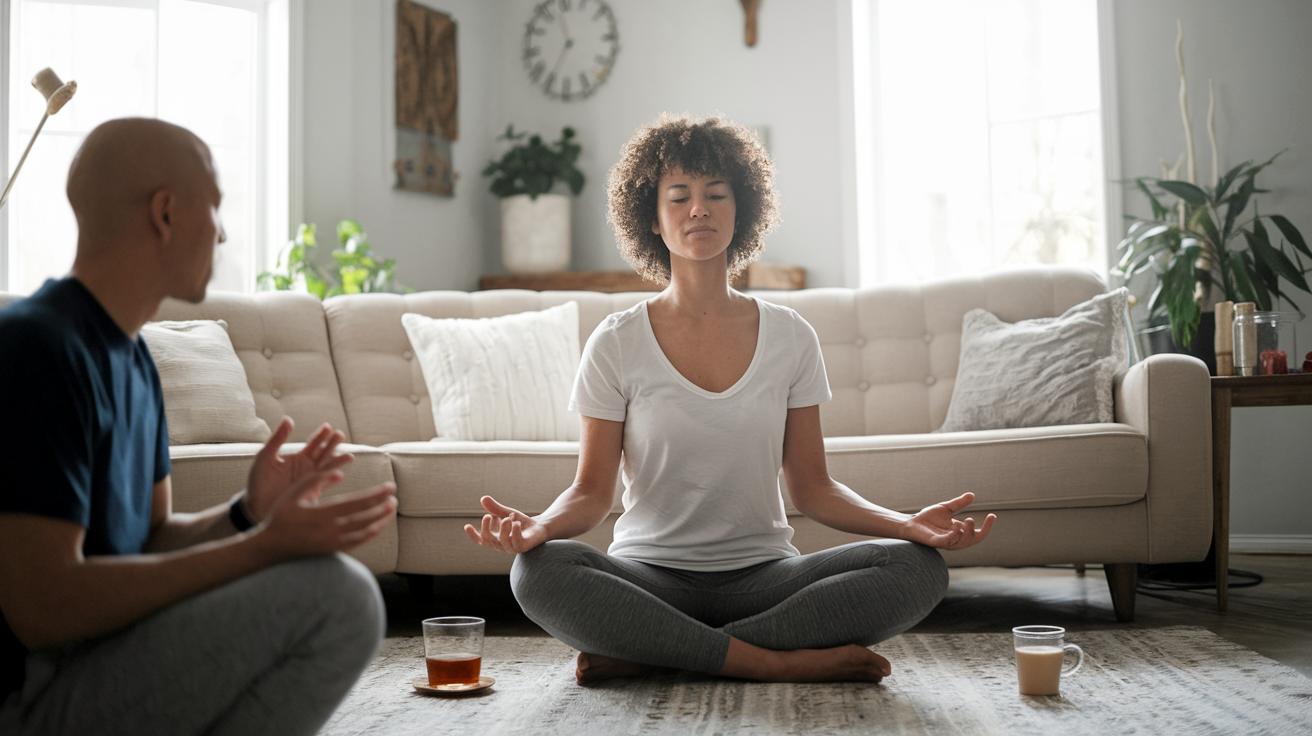
Wellness lifestyle coaching is all about making little positive shifts that really add up over time. Coaches help you learn simple ways to reduce stress that calm your mind and ease everyday tension. For instance, you might be guided through mindfulness exercises, like taking five deep, relaxing breaths during a hectic day, helping you step back from your worries. They also show you how to set up a gentle self-care routine, think meditation, a bit of stretching, or savoring a quiet cup of tea.
These experts bring innovative, preventative care ideas to the table, tweaking your daily habits before small issues become big ones. They might suggest a brief walk after meals or spending some time outside to lift your spirits and boost your health. And it’s not only about handling tough moments; it’s also about keeping steady practices that remind you how important self-care really is.
Coaches mix practical tips with kind encouragement to keep every step simple and doable. With their support, even the busiest schedule can include moments of calm and balance, clearing the way for lasting well-being and a life that feels healthier and more relaxed.
Nutritional & Botanical Strategies in Integrative Wellness

Integrative nutrition is all about eating whole, unprocessed foods along with some friendly guidance. It focuses on using fresh, organic ingredients and building eating habits that boost your energy. Imagine cooking a meal where every bite gives you a surge of vitality, kind of like starting a well-oiled engine on a cool morning.
Regenerative nutrition plans work like personal roadmaps for your diet. They guide you to include simple, wholesome foods that keep your body’s natural balance in check. Picture a plate with crisp leafy greens and lean proteins working together to give you steady energy throughout the day.
Nature also offers some smart support through botanical remedies. Herbs and natural extracts can work well with a nutrient-rich diet to help boost your immune system. These natural tips have been tested carefully to ensure they’re safe and effective, giving your body a little extra help to fight off everyday bugs.
By combining personalized nutrition plans, balanced eating, and nature’s own remedies, you build a strong foundation for overall well-being. This approach not only fuels your body but also helps keep your natural defenses up so you can enjoy a healthier, more vibrant life.
Evidence & Research in Integrative Health Systems

Recent studies reveal that only about 60% of regular treatments have solid scientific backing. This means we need to take a closer look at natural approaches like herbal remedies and practices that blend the mind and body. Clinical trials, those careful tests run by experts, help show if these natural treatments are both safe and really work. Imagine a study where a herbal extract is observed over time to see if it brings a sense of calm. That’s how science checks and confirms the benefits of natural remedies.
New precision diagnostic tools, which are like special tests to catch small changes in your body, are now in the spotlight. These tools help doctors design treatment plans that suit you perfectly by mixing modern methods with natural wisdom. Researchers are exploring everything from energy therapies to simple dietary adjustments, moving us toward wellness plans that truly fit individual needs.
Research in alternative treatments is steadily filling in the gaps in our understanding of natural healing. Ongoing clinical trials continue to examine herbal formulas and other mind-body strategies. For example, one study might look at a particular herbal mix and confirm its benefits through careful data checks. All these efforts give us a clearer picture of how science and nature can work together to create healthier outcomes.
Practitioner Profiles & Community Engagement in Integrative Health Ecosystems
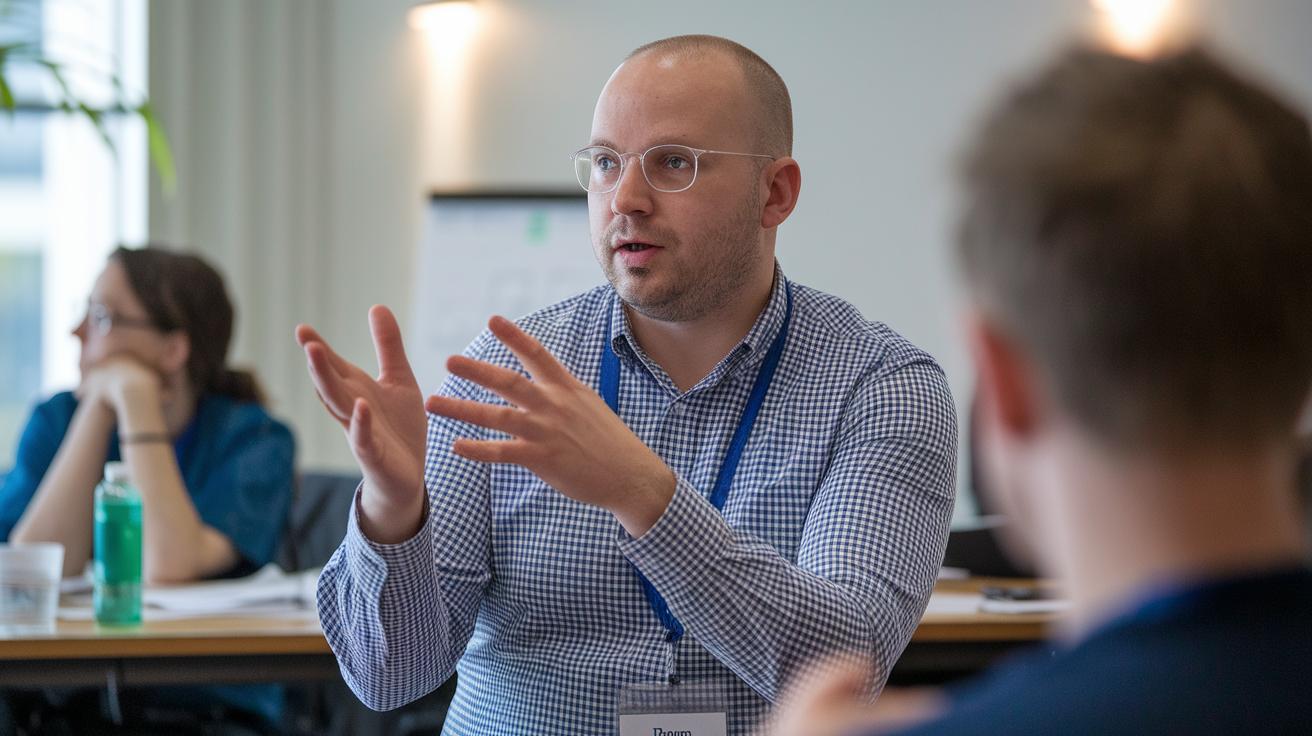
Integrative health flourishes when expert insights blend with community support. In many centers, dedicated health professionals share their personal stories. For example, a drama therapy alumna recently discussed her LGBTQ+ healing documentary. Her work shows how personal experiences can foster empathy and encourage community involvement.
Across academic programs, community clinics, and public projects, care networks are built by clinicians, researchers, and regular community members. Imagine a local workshop where a faculty member explains his research on psychedelic medicine (using substances like psilocybin in a controlled, therapeutic setting). He shows us how trying new methods can work together with traditional treatments, all backed by scientific evidence. This mix of expert insight and grassroots advocacy adds a rich layer to integrative health models and invites everyone to join in.
Community events also feature public talks, support groups, and interactive seminars designed to spark discussion and share practical ways to boost well-being. For instance, picture joining a community seminar where a trusted therapist explains how a simple mindfulness exercise brought unexpected relief during a challenging week. These events bring professionals and local residents together to swap ideas and strategies.
Local experts also host friendly Q&A sessions at community centers, offering clear, step-by-step explanations of integrative techniques. This approach empowers everyone to take control of their well-being in a supportive, community-focused setting.
Final Words
In the action, we saw how integrative care mixes conventional medicine with complementary therapies to offer a full picture of well-being. The post broke down topics like personalized consultations, lifestyle coaching, and nutrition plans in clear, everyday language. You got a taste of how integrative health & wellness can support both body and mind. Small, manageable changes, backed by science, can truly boost quality of life. Keep exploring these ideas and take simple steps toward a healthier, more balanced life.
FAQ
Frequently Asked Questions
Q: What is integrative health and wellness?
A: Integrative health and wellness means blending conventional medical treatments with complementary therapies. It creates a complete health plan that adjusts lifestyle habits and supports overall well-being.
Q: What is the difference between holistic health and integrative health?
A: Holistic health focuses on treating the entire person—body, mind, and spirit. Integrative health specifically mixes conventional medical care with alternative treatments to support overall health.
Q: Is a degree in integrative health worth it?
A: Earning a degree in integrative health builds a strong foundation in both clinical and complementary therapies. It equips professionals with the skills needed to offer complete wellness solutions in today’s health care settings.
Q: What is the difference between integrated health and integrative health?
A: Integrated health typically refers to incorporating complementary methods into standard care, while integrative health deliberately blends conventional and alternative therapies for a comprehensive, whole-person health approach.
Q: What are examples of integrative health and wellness programs in various regions?
A: Programs in Brookfield, Lewiston, Granger, Greensburg PA, Spokane, and throughout the Northwest offer services that combine traditional care with alternative therapies, customized to support individual wellness goals.
Q: How does integrative wellness support complete well-being?
A: Integrative wellness supports complete well-being by combining nutritional guidance, stress management, movement, and complementary therapies. This blend creates a personalized, evidence-based approach that helps balance physical and mental health.