Have you ever wondered if getting a truly good night’s sleep starts with the way you wind down? Some experts believe that our everyday sleep routines might be hurting our rest instead of helping it.
By setting up a calm evening routine and using simple sleep techniques, you can signal to your body that it’s time to relax. Try dimming the lights, putting distractions aside, and spending a few quiet moments focusing on your breath. These gentle habits can slow your busy thoughts and help you enjoy a deeper, sweeter sleep.
Integrating Mindful Sleep Habits with Sleep Hygiene Techniques

Mindful sleep habits mean being fully present as you wind down at the end of the day. It’s about sticking to a steady bedtime and setting up your room with dim lights and a calm feel. Sleep hygiene is all about keeping your space quiet, cutting out distractions, and avoiding activities that can wake you up before bed. For example, you might set an alarm to wake up at the same time every day and use your bedroom only for sleep. This kind of routine helps your body clock work better for a good night’s rest.
Research shows that mindfulness can slow a racing mind and lower stress before sleep. Experts like sleep psychologist Shelby Harris say that a simple focus on breath or a quick body scan can quiet your thoughts and ease worries about tomorrow. Sleep coach Jared Minkel also reminds us that mindfulness can help beat modern distractions like social media or work stress. These small, focused practices may make a big difference in how well you sleep.
Mixing mindful sleep habits with solid sleep hygiene creates a clear bedtime ritual that tells your body it’s time to relax. Deep breathing, gentle stretches, or a short guided meditation can all help signal that sleep time has arrived. This calm routine not only soothes your mind but also helps align your body clock, paving the way for better sleep and long-term well-being.
Crafting Intentional Nightly Routines to Support Mindful Sleep Habits

Late-night habits can really mess with your sleep. Think about it: scrolling on social media, sipping caffeinated drinks, or eating heavy, spicy, and sugary foods before bed can throw off your body’s natural wind-down routine. These choices boost your stress hormones and fuel those racing thoughts. Once you spot these sleep blockers, try swapping them out for gentler activities. Maybe instead of using your phone, you might enjoy a calm hobby. Sometimes, just turning off your devices can change everything.
A calming bedtime routine is the secret to a peaceful night's rest. Set aside a few minutes for light stretching, deep breathing, or a bit of quiet reading instead of diving into screens. This digital break helps lower your cortisol (stress hormone) levels and creates a soothing space for both your body and mind. When you make a habit of these simple, relaxing tasks, you train your body to know it’s time to wind down. For step-by-step ideas, you might check out guides on evening wellness routines. In truth, a thoughtful night ritual not only leads to better sleep but also benefits your overall well-being by easing the shift from day to night.
Meditative Practices to Enhance Mindful Sleep Habits

Meditative techniques can really help set a calm tone before bedtime. When you try out these practices, you give your mind a chance to settle, help your body loosen up, and make it easier to drift into a deep, restful sleep. They work like gentle exercises that ease you away from daily worries and into a peaceful state.
Here are a few methods to consider:
- Progressive Muscle Relaxation – You tense and then relax different muscle groups starting at your toes and moving upward. This helps your body let go of built-up tension.
- Gratitude Meditation – Take a moment to focus on a good memory from your day. It shifts your thoughts to something positive as you get ready for sleep.
- Visualization Meditation – Imagine a calming scene, like a quiet beach or a soft, green forest. This mental picture can feel like your personal safe space before sleeping.
- Soundscape Meditation – Listen to soothing sounds or gentle ambient music that helps distract you from any stress.
- Body Scan Meditation – Slowly move your focus from your head to your toes, noticing any tight spots and breathing into them to ease the tension.
- Loving-Kindness Meditation – Send kind and warm thoughts to yourself and others. This practice fills you with a sense of comfort and safety.
- Yoga Nidra – Follow guided instructions that lead you into a state of deep relaxation. It’s similar to sleep but keeps you gently aware.
It might help to try different techniques to see which one fits best with your sleep routine. Experiment a bit, and you’ll likely notice that a mix of these practices can really ease nighttime restlessness and improve your sleep quality.
Optimizing Your Sleep Environment to Support Mindful Sleep Habits

Designing a sleep-friendly space means crafting a bedroom that naturally invites rest. Keeping your room cool, around 60–67°F, helps release physical tension, and a dark, neat space cuts down on distractions. For example, blackout curtains and storing gadgets away signal to your mind that it’s time to unwind. A tidy room tells your body it's time for sleep too.
You can make your sleep area even better by adding soft, calming sounds. Gentle ambient noises like white noise or soothing guided tracks can help steer your thoughts away from stress. Imagine a white noise app providing a steady hum that covers up little disturbances, or natural sounds like a light drizzle or a quiet breeze adding to the serene mood. When you balance the temperature, lighting, and sound just right, you create an ideal haven for a night of deep, refreshing sleep.
Assessing and Tracking Your Mindful Sleep Habits for Better Sleep Quality

Keeping a sleep diary helps you notice when you go to bed, wake up, and wake up during the night. Writing these things down can show you clear patterns in your sleep and might reveal why some nights are rough. For instance, you might see that a late dinner or a stressful day is behind a restless night. This habit gives you a simple way to see how your sleep changes over time.
Using a notebook or a smartphone app can make it really easy to record your sleep routine. Try jotting down moments like when you start winding down or any small interruptions you notice overnight. Many people even rate their sleep each morning on a simple scale, this little detail can gradually help you improve your rest.
When you gather this information, you can try out easy changes to boost your sleep. For example, if you see you often wake up at 3 a.m., you might try a short body-scan meditation to relax your muscles. Adjusting your bedtime habits based on what you track sets you on the path to a calmer, more refreshing sleep experience.
Integrating Mindful Sleep Habits Throughout Your Day for Enhanced Nighttime Rest
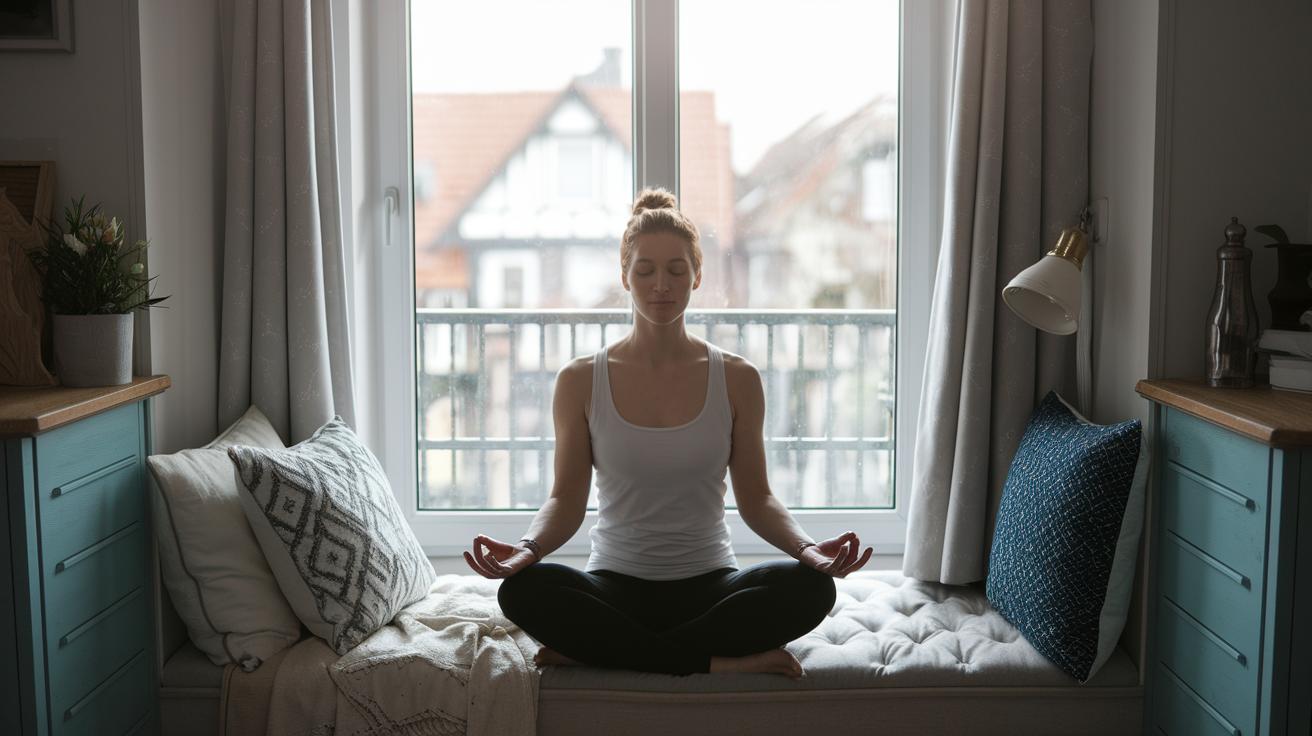
Starting your day with small mindful moments can truly set the tone for a peaceful night. Whether you spend a few minutes counting breaths or enjoying a brief meditation, these simple routines help you feel kind to yourself and ready to wind down later. It’s like giving your mind and body a gentle nudge to prepare for the calm that comes with sleep.
Taking a mid-day pause can make a big difference too. Think about stretching lightly, doing a quick check-in with your body, or even pausing for a moment of gratitude. These breaks help cut through stress and keep the tension at bay, which can be a real bonus when you’re trying to sleep better. If you're curious for more ideas, you might check out some beginner-friendly wellness routines that show you how a short mindful break can fit easily into your day for a sound night’s rest.
By keeping this awareness going throughout your day, you set yourself up for stronger, more refreshing sleep. Simple practices like a short guided meditation or gentle yoga can soothe your nervous system, making it easier to slip into a relaxing state when the day winds down. In truth, weaving these comforting habits into your daily routine supports a lifestyle that embraces deep, restorative sleep while quieting those racing thoughts before bedtime.
Final Words
In the action, we explored mindful sleep habits alongside sleep hygiene tips, meditation practices, and ways to optimize your sleep space. Each section offered clear steps to build a calm, restorative nighttime routine.
Short breaks, dedicated routines, and tracking techniques were all shared to help turn evening wind-down into a relaxing habit. With a focus on mindful sleep habits, a little effort can lead to peaceful, restorative nights and brighter mornings ahead.