Have you ever wondered if the health advice you get really fits your life? These days, wellness is all about you instead of a one-size-fits-all plan. Smart technology helps track your daily habits while regular check-ups give a clear picture of where you stand. With more people looking for advice that works with their routines, personalized wellness is changing the way we think about health care. In this post, we’ll explore how simple, everyday tips are paving the way for a healthier future.
How Personalized Wellness Trends Are Redefining Modern Health
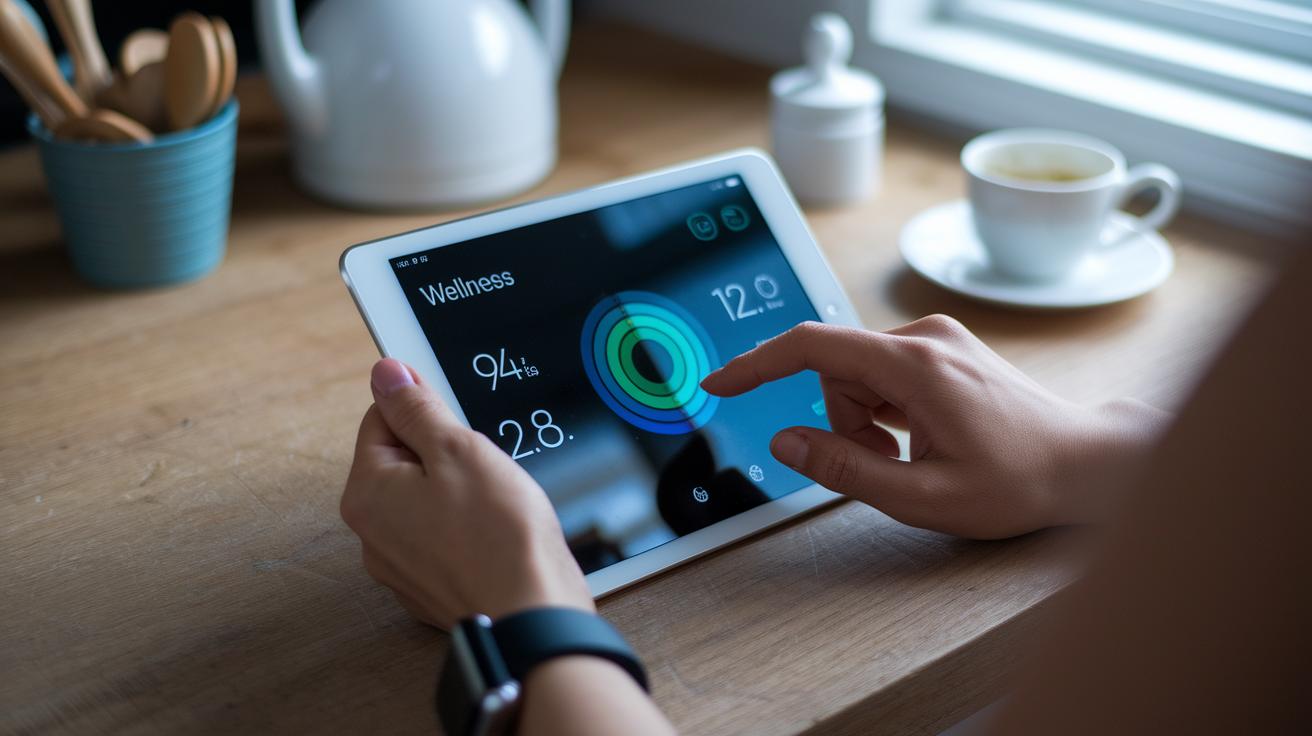
Personalized wellness is changing how we take care of ourselves. Instead of one-size-fits-all advice, people now get tips that fit their own needs and lifestyles. The health industry is huge, worth $6.3 trillion worldwide, with the United States making up $2.2 trillion. The overall wellness market is around $2 trillion and grows about 10% every year. A 2024 survey found that over 80% of Americans now put wellness at the top of their list, showing how much people want advice that fits into their daily routines.
Taking charge of your health early is more important than ever. Many new services mix smart technology with steady check-ups to give you advice that really fits you. For example, emerging platforms, like those shown in personalized health innovations, use live data to change and improve the suggestions based on your own numbers. This not only helps with current issues but also promotes small changes that keep you healthy in the long run.
Healthcare technology is growing fast, which means more focus on preventing problems before they start. Experts predict that wellness and tech in healthcare will grow about 12% each year until 2030. This push is about keeping you well rather than just fixing problems once they come up. It shows that both people and health experts are ready to build a system that listens to our needs and supports a longer, healthier life.
Personalized wellness trends: Bright Paths Ahead
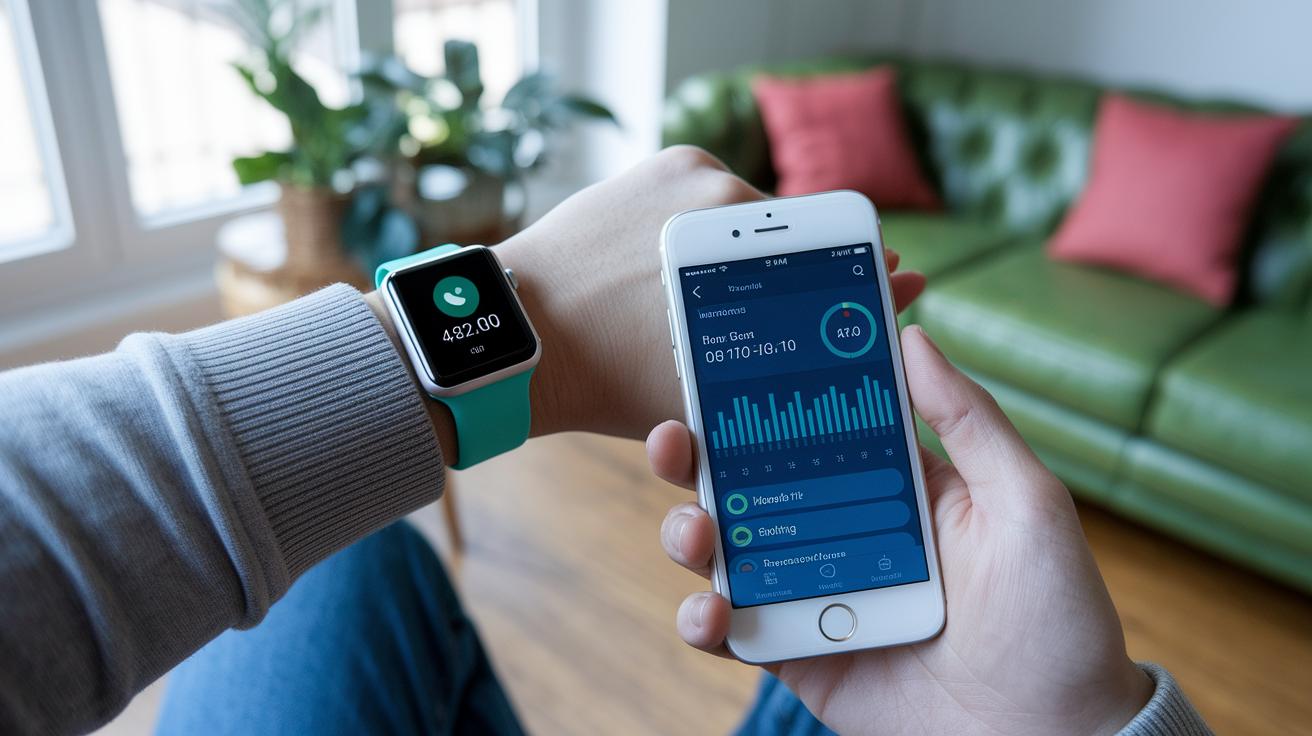
Digital innovation is changing the way we look after our health. New technology helps us get advice that fits our everyday lives, making it easier to keep track of progress and receive tips that feel just right for us. By connecting our devices and using smart programs (algorithms that learn from data), these tools support not only exercise but also nutrition, sleep, and even how we handle stress.
- AI-driven coaching and recommendations
- Wearable activity sensors for real-time feedback
- Interactive health platforms that link users with coaches
- Smart condition tracking, like monitoring heart rate variability (HRV) and blood sugar levels (glucose monitors)
- Mobile apps that bring diagnoses and telehealth together
These modern tools work as a team to create a care system that tunes in to your needs right away. Imagine checking your heart rate easily while your system sends you a custom alert if your blood sugar changes unexpectedly. This blend of connected devices means your health plan grows with you, offering clear and timely advice every step of the way. Whether you’re tweaking your diet or finding ways to relax, the mix of AI, sensors, and mobile health tools can give you a new sense of control and confidence over your well-being.
Personalized Wellness Trends in Nutrition: Advanced Dietary Customization
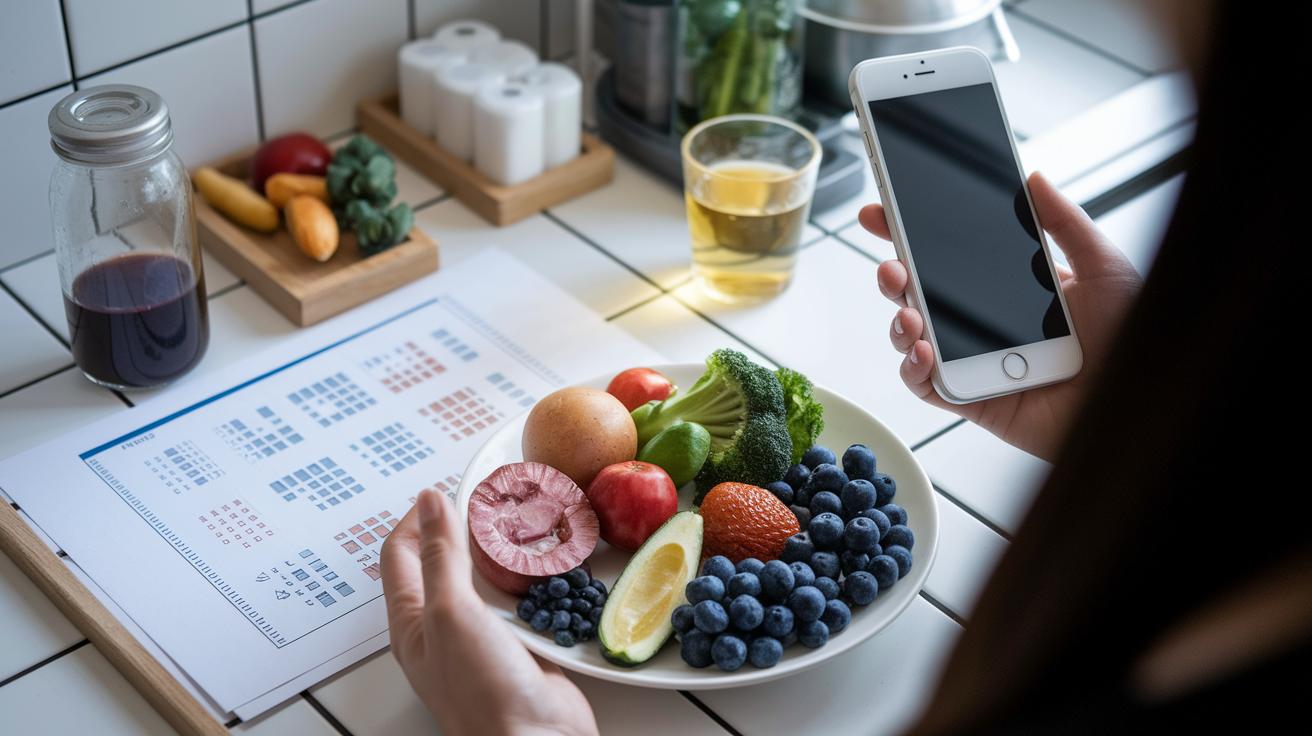
Your genes and metabolism are key to making your diet truly personal. Your genes can change the way you handle different foods, and metabolism (the process where your body turns food into energy) sets the pace for your body’s needs. When you combine these insights, nutrition moves from one-size-fits-all advice to real custom plans. For instance, if you have a fast metabolism, you might need meals packed with extra energy to keep you balanced.
Another cool approach is looking at your gut microbiome. This means checking out the tiny organisms living in your digestive system. Experts use this info to design meal plans that help your gut stay healthy. They consider how many good bacteria you have and how your body digests food, so the advice fits you just right.
DNA-based supplements also show how advanced dietary customization can be. These supplements are created using details from your genetic makeup to fill in your unique nutrition gaps. When picking these products, make sure they come with solid research and clinical backing so you know they work well with your body’s natural design.
Tailored Fitness: Personalized Wellness Trends in Exercise Regimes
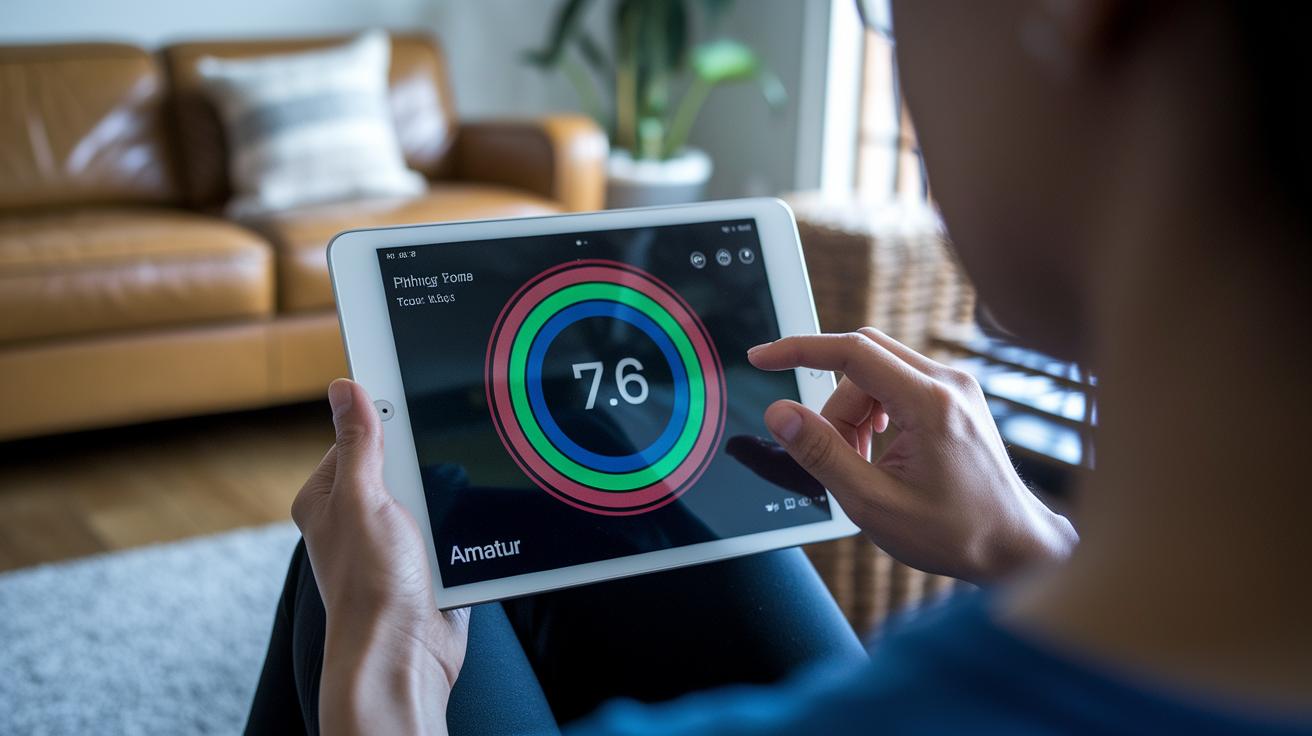
At-home fitness apps and online workout sessions are changing the game. More people are loving the ease of exercising right in their living rooms with digital tools that work around your schedule. These apps create workout plans that adjust with your progress, while live classes bring you a feeling of togetherness, no gym needed. It’s a bit like streaming your favorite show, except you finish feeling refreshed and energized.
We’re also seeing smart workout plans that use biometrics (data about how your body works) and AI (computer programs that learn with you) to fine-tune your exercises. Some tools even use sensors to check how your body moves, then tweak your exercises on the spot. Platforms like those featured in digital health innovations learn your habits and design sessions that fit exactly where you need them.
When you’re picking a digital fitness program, think about what works best for you. Look for tools offering tailor-made workout plans, live chat with trainers, and clear feedback on your progress. Ultimately, it’s all about setting up a routine that feels natural, fun, and right for your body.
Personalized Wellness Trends in Mental Health and Stress Relief
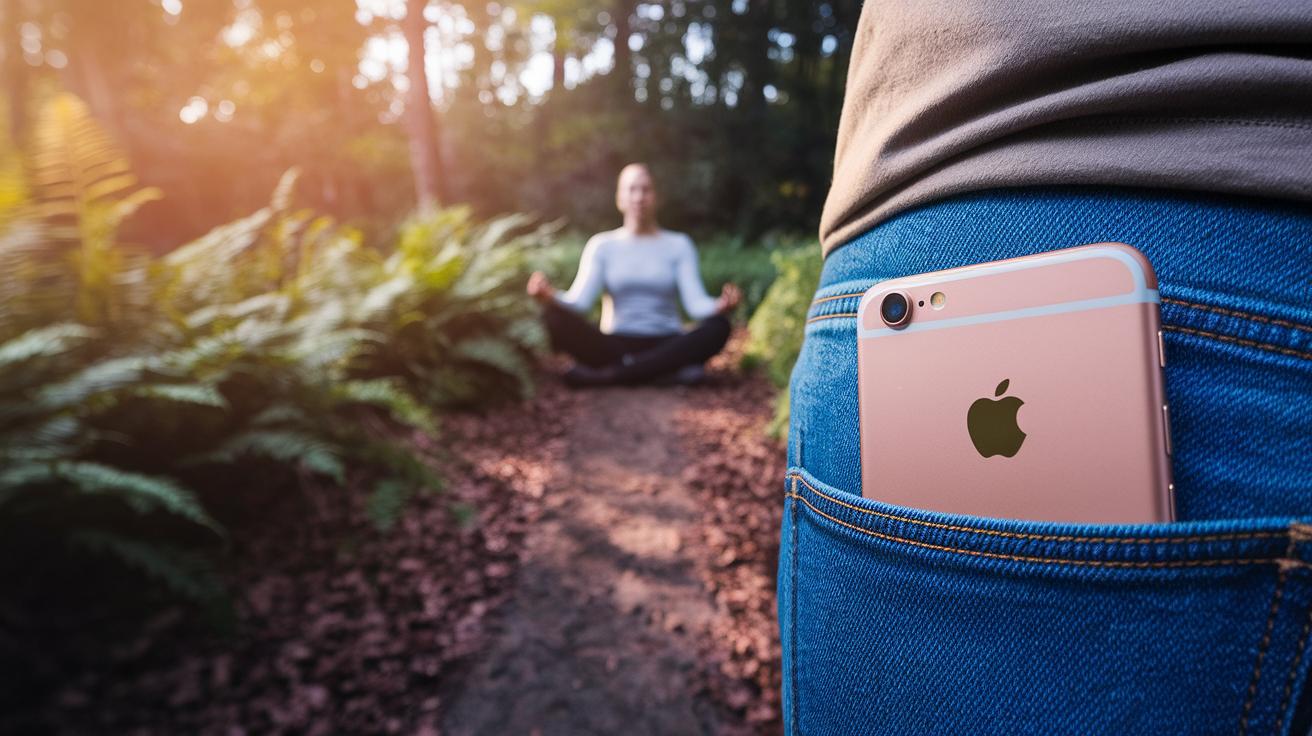
Taking care of our minds is no longer just about simple self-care. Today, people blend time-tested practices with modern, research-backed methods to tackle stress and burnout. Experts now suggest mixing traditional mindfulness (being fully present) with proven clinical techniques to bring targeted relief in a refreshing way.
Digital wellness is on the rise, too. Studies show that reducing screen time for just three weeks can lift your mood and lower stress. This kind of digital detox (taking a break from devices) is becoming a key part of daily routines, helping people find moments of calm in their busy lives.
Nature-based therapies are also gaining popularity. Imagine walking through a quiet forest while taking deep, guided breaths, that’s forest bathing, a practice that helps you reconnect with nature. There’s also sound therapy, which uses certain sounds to ease tension. Its market was valued at $2.26 billion in 2024 and is expected to double by 2034. Together with specially curated mindfulness routines for anxiety relief, these innovative methods create a personalized approach to mental health that truly meets your unique needs.
Data-Driven Preventive Care: Personalized Wellness Trends and Biofeedback
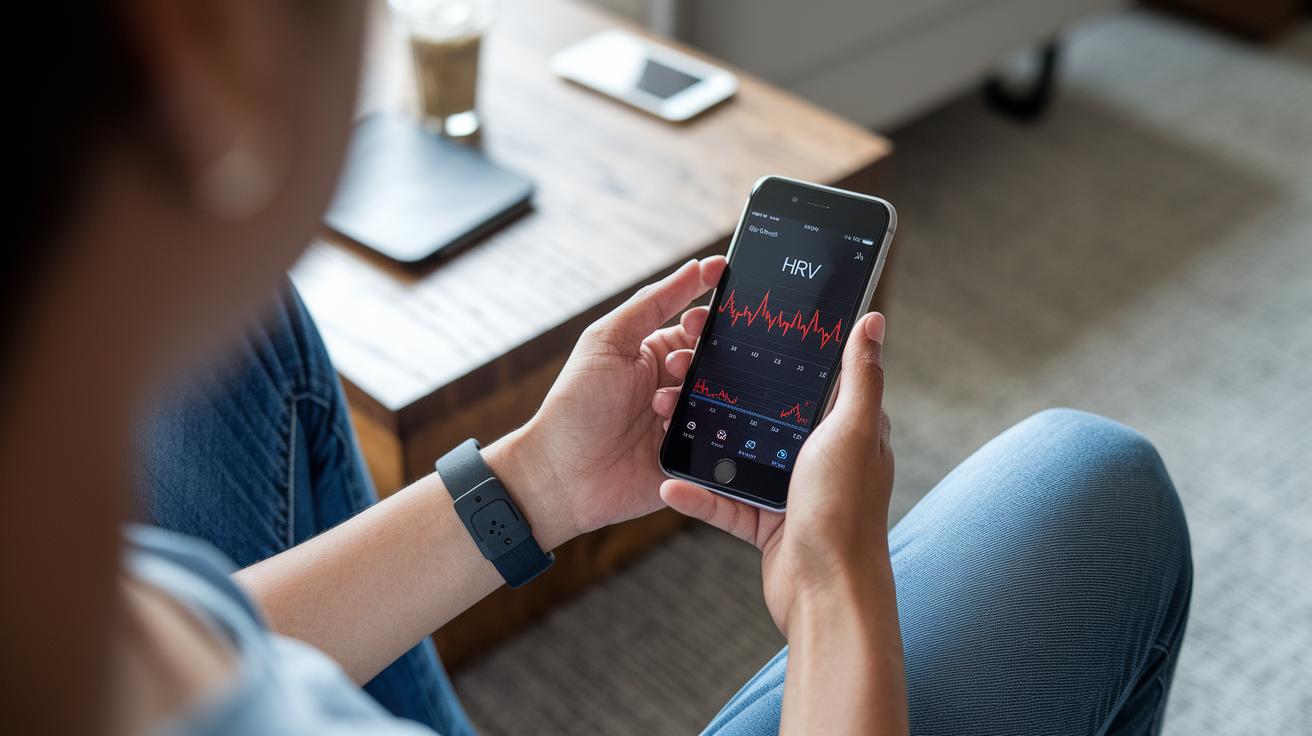
Biofeedback taps into sensor technology that turns tiny, immediate body signals into useful feedback. It works using feedback loops. For example, small changes in heart rate variability (the pause between beats) can hint at early imbalances.
| Technique | Description | Market Projection |
|---|---|---|
| Cold-plunge therapy | Contrast recovery method | $426 M by 2030 |
| Sound therapy | Auditory relaxation technique | $2.26 B in 2024; ×2 by 2034 |
| Sleep regularity tools | Apps and devices focusing on consistent sleep patterns | Linked to lower mortality risk |
| Preventive wellness tech | AI and sensors for early-warning health insights | 12% annual growth to 2030 |
Detailed technical checks show that these market estimates mirror the real impact of biofeedback on preventing health issues. For instance, just a 15-minute biofeedback session might record a 10% shift in heart rate variability. This small change clearly shows how the body adapts on the spot.
This fresh approach blends advanced numbers with practical preventive care. It highlights how smart biofeedback methods are reshaping personal wellness trends.
Final Words
In the action of embracing innovative strategies, this article shows how personalized wellness trends are reshaping modern health. It covered a shift from one-size-fits-all advice to proactive care, looking at smarter workout plans, tailored nutrition methods, and targeted stress relief strategies.
We took a close look at new tech like smart sensors and digital platforms that drive real change. The focus remains on maintaining a balanced lifestyle and making informed choices that lead to overall well-being. Stay positive and keep moving forward toward a healthier life.
FAQ
What are the wellness trends for 2025?
The wellness trends for 2025 highlight a shift toward digital, personalized approaches with smart health tech and proactive strategies that focus on preventive care and customized well-being experiences.
What are the wellness trends for 2026?
The wellness trends for 2026 are expected to build on previous innovations by further integrating AI, sensor-based insights, and personalized solutions, thus deepening the focus on tech-driven health management.
What characterized personalized wellness trends in 2022?
The personalized wellness trends in 2022 centered on individualized health solutions, including DNA-based nutrition and customized fitness plans, paving the way for today’s emphasis on tailor-made approaches.
What does McKinsey say about wellness trends for 2025?
McKinsey observes that wellness trends for 2025 will increasingly embrace digital health platforms and data-driven insights, with personalization and preventative care emerging as major themes.
What are Gen Z wellness trends?
Gen Z wellness trends focus on tech-based mental health tools, interactive fitness apps, and personalized digital care, reflecting their demand for accessible and evidence-backed health solutions.
What are some examples from the health and wellness industry?
Industry examples include AI-enabled personal coaching, wearable sensors for real-time feedback, and mobile apps that track health metrics, all designed to deliver personalized and proactive care.
What is the wellness industry?
The wellness industry covers sectors like fitness, nutrition, preventive care, and mental health, offering a broad array of products and services that emphasize a personalized, holistic approach to well-being.
What consumer health trends are expected for 2025?
Consumer health trends for 2025 point to a rise in digital health solutions, tailored nutrition plans, and proactive preventive strategies, all driven by greater technological integration and a focus on personalized care.