Ever feel like your workout routine has lost its spark? Cardio isn’t just about running in circles. It’s about fun, new ways to boost your heart and muscles.
Imagine taking a brisk walk that clears your mind or having a little dance session right in your living room. In this article, we share simple examples of cardio exercises that follow NHS guidelines (official health advice).
Even small changes can make a real difference. Get ready to add a bit of energy to your routine without needing fancy equipment. Enjoy exercise again, one step at a time.
Cardio Training Examples and NHS Guidelines

Cardio is all about using your big muscles in smooth, steady movements that boost your heart rate and help you get fitter. It makes your heart work better and builds important muscles. Think of it like a band where every instrument plays together perfectly. For example, a brisk walk not only lets you enjoy the fresh air but also gently introduces you to heart-healthy exercise.
According to NHS guidelines, adults should try to get at least 150 minutes a week of moderate cardio or 75 minutes of vigorous cardio. Moderate activities like a fast walk, a bit of leisure cycling, or hiking keep you steadily active. Vigorous workouts like running, spin classes, or playing sports give you that extra push. Cardio is key because it helps your heart muscles stay flexible and boosts blood flow, which can lower blood pressure and ease the strain on your heart.
| Intensity | Weekly Duration | Examples |
|---|---|---|
| Moderate | 150 minutes | Brisk walking, leisure cycling, hiking |
| Vigorous | 75 minutes | Running, spin classes, sports |
Try to plan 4 to 5 sessions each week with different intensities. This mix works various muscles while giving you enough time to rest, which helps prevent injuries. Start by alternating between easier and harder workouts, then adjust slowly as you learn what feels best for your body.
Cardio training examples: Revitalize Your Routine
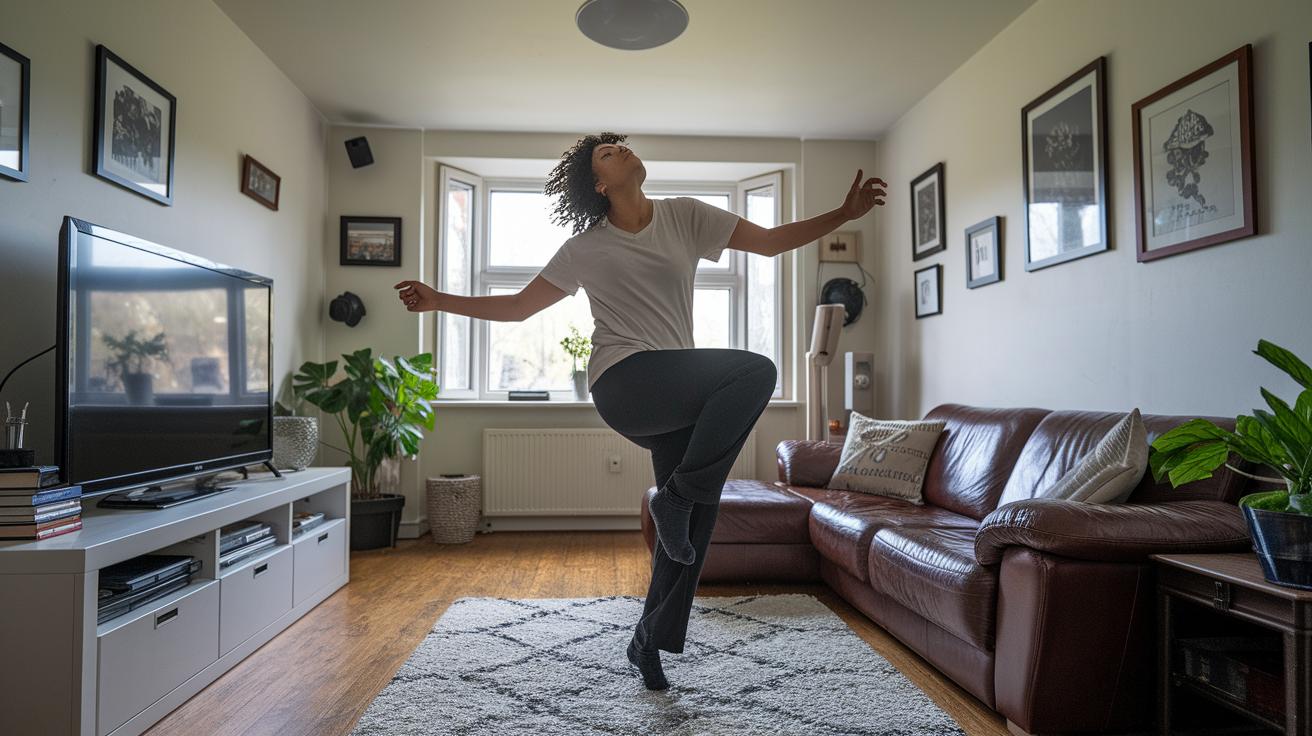
At home, you can bring new life to your day with simple cardio moves that need no extra equipment. Imagine taking a brisk walk around your neighborhood or turning on a favorite upbeat song and dancing freely in your living room. These activities are easy to start and don’t require any fancy tools, just your willingness to get moving.
You can also mix in easy bodyweight exercises like mountain climbers (an exercise where you quickly drive your knees toward your chest, like you're scaling a hill) and jumping jacks. Picture taking a short break and doing a set of jumping jacks, feeling that quick burst of energy and focus as your heart beats faster. These exercises not only work your heart but also give you a refreshing boost of endorphins.
For a more structured routine, try a simple HIIT format at home, this means doing 30 seconds of all-out effort (push yourself as hard as you can) followed by a minute to catch your breath. Using just a little space and your own determination, you can mix fast, intense movements with periods of recovery to really fire up your cardiovascular system.
Gym Interval Programming and Cardio Training Examples

Gym interval training is a great way to give your heart a boost while working different muscles. It mixes a steady pace with quick bursts of energy so you can work out according to how you feel. These planned routines help build endurance, stamina, and a stronger heart. Plus, machines like treadmills, ellipticals, and stationary bikes let you track your progress with a fitness app, so you see real changes in your strength and performance.
LISS Steady-State Workouts
LISS stands for low-intensity steady state. These workouts mean doing 30 to 60 minutes of steady exercise on machines such as treadmills, bikes, or ellipticals. Start with a 5 to 10-minute warm-up at low resistance (levels 1 to 3) to get your muscles ready, and finish with a cool-down to slowly lower your heart rate. This steady approach lets you build endurance without pushing yourself too hard.
HIIT Structured Routines
HIIT means high-intensity interval training. With HIIT, you mix short bursts of full effort with recovery breaks. A popular method is the 4×4 routine, four minutes of hard work followed by three minutes to rest. For example, you might do quick runs at a 5K pace with an extra push to target your anaerobic system, which boosts speed and strength.
Here are a few examples:
- Treadmill LISS – 45 minutes at 60% of your max heart rate.
- Elliptical HIIT – 6 cycles: 2 minutes at level 8, then 1 minute at level 3.
- Bike Circuit – 10-minute warm-up, followed by 4 cycles of 1-minute sprint and 2 minutes easy, then a 5-minute cool-down.
Mix these routines into your weekly workouts to keep things interesting while supporting your heart health. Adjust your intervals and intensity as needed to safely challenge yourself.
Strength-Integrated Cardio Training Examples for Endurance Drills and Stamina Circuits
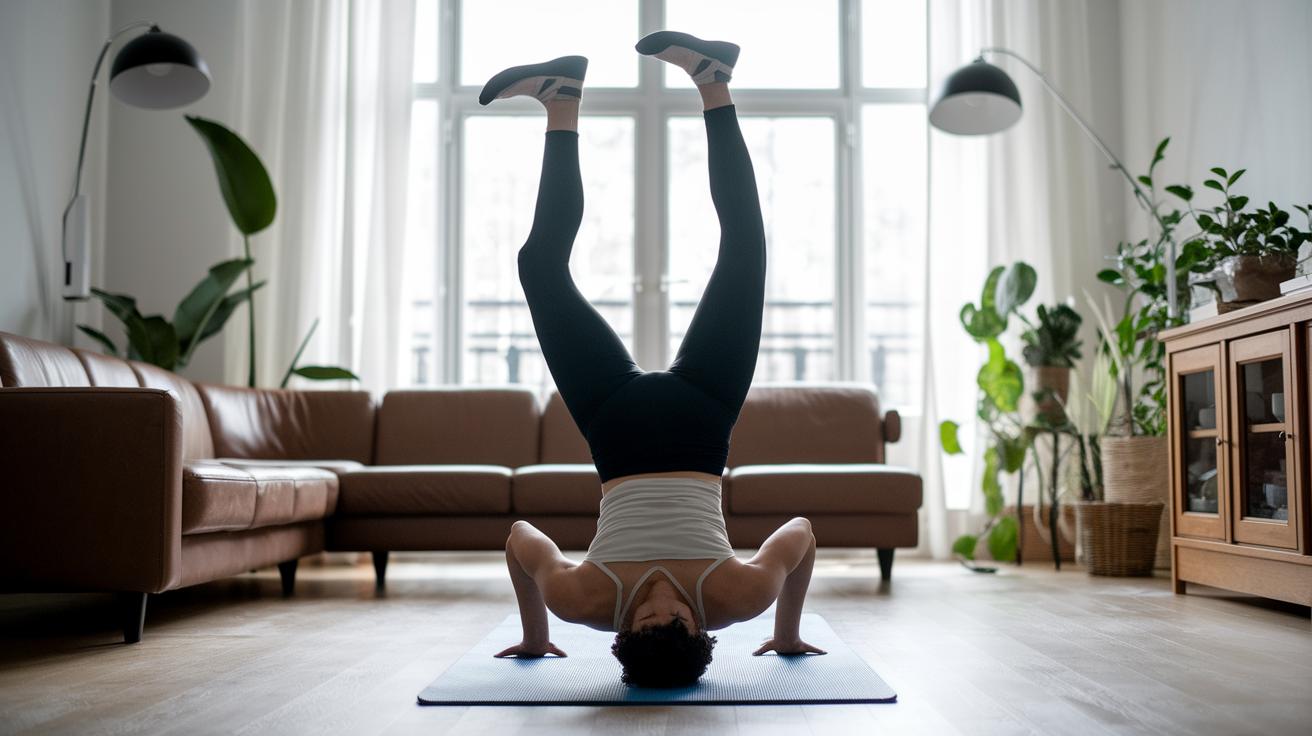
Mixing strength moves with cardio workouts can give you a fun, full-body workout. It’s like adding a little muscle-building bonus to your heart-pumping routine. For example, you might try Pilates-inspired moves such as mountain climbers, Russian twists, bicycle crunches, planks, and leg raises. These exercises help strengthen your core and lift your heart rate, making each session a double win for your body.
You could do a simple set by doing mountain climbers for 30 seconds, taking a quick rest, and then switching to bicycle crunches. This plan helps boost your stability while also working on your endurance. It really feels like you’re setting a strong base for both muscle and stamina with every move.
Another cool idea is to try bodyweight circuits. These workouts use only your body as resistance, so you don’t need any extra gear. Think of moves like push-ups, squats, and lunges arranged in a fluid sequence that keeps your heart ticking and builds lean muscles. It’s a bit like putting together your own healthy recipe, combine different ingredients (exercises) for a challenging yet enjoyable routine.
Adding these combined drills to your workout plan, ideally around 2 to 3 times a week, can really help improve your endurance and stamina gradually. Have you ever noticed how mixing a few strength exercises with heart-pumping movements keeps your workouts exciting while also building long-lasting fitness?
Outdoor Cardio Training Examples and Low-Impact Illustrations

Have you ever experienced the joy of outdoor cardio? Picture a light jog on a tree-lined path or a relaxed bike ride along a quiet road. These activities build up your endurance slowly and gently, giving your heart a boost without putting too much strain on your body.
Imagine spending a day on your bike or playing a round of golf with friends. Both are fun, low-intensity ways to enjoy nature. They give you a chance to stretch your legs and breathe in fresh air while keeping your body moving at a comfortable pace.
Then there’s brisk walking or exploring a scenic hiking trail. Think about walking in a peaceful park where the soft ground cushions your steps and a cool breeze makes it even more pleasant. These exercises are great for different fitness levels while helping you avoid the harsh impact of typical, high-intensity workouts.
And don’t forget about outdoor dancing or swimming laps. How fun would it be to dance under an open sky or glide through clear water with smooth strokes? These activities not only light up your workout routine but also ease pressure on your joints, making them a win-win for your body and mood.
Exercising outside does more than just get your heart pumping; it also brightens your day with natural light and fresh air. Embracing these gentle outdoor workouts helps you build up your stamina at your own comfortable pace, keeping both your body and your spirit feeling light. So why not step outside a little more each day?
Progressive Pulse Cardio Training Examples and Structured Schedules

Have you ever felt like your workout should match your mood? Progressive pulse techniques are a flexible way to build a strong heart by gently increasing your workout pace in bursts that you control. You start with an easy warm-up, then add short lifts in intensity based on how you’re feeling that day.
Think of it like this: you begin with a few minutes of light exercise. Then, you crank up your pace for a minute, maybe a brisk run, before easing back with a couple of minutes of walking. This method blends steady exercise with bursts of energy, much like mixing HIIT (High-Intensity Interval Training), LISS (Low-Intensity Steady State) workouts, or even low-impact outdoor routines.
Aiming for 4 to 5 workouts each week is a great plan to get the most out of these techniques. You can use a dedicated recovery phase after every high-energy burst or enjoy a longer cooldown in your moderate sessions. Research from the NIH reminds us that mixing up your cardio routines can boost heart muscle flexibility and help lower the risk of high blood pressure.
It's all about tuning into your body and making every session count, small changes can really add up over time.
Proper Execution and Safety Precautions for Cardio Training Examples

Begin your workout with a light warm-up. Spend 5–10 minutes moving at an easy pace to gradually wake up your muscles and raise your heart rate gently. When you're finished exercising, slow down gradually for a few minutes to let your heart rate ease and help relax your muscles. Think of it like a cool-down walk on a treadmill after a run, it tells your body it’s time to chill.
When you work out on cardio machines, such as the elliptical, try to keep your back straight and your core engaged. Hold the handlebars lightly. Using a smooth, heel-driven stride helps protect your joints and makes your workout more effective. Imagine gliding smoothly across the room, this focus on form keeps your body safe from unnecessary strain.
Keep an eye on your heart rate while you exercise, drink water often, and adjust the intensity so it matches your current fitness level. Taking rest days between workouts gives your body time to rebuild and grow stronger. By listening to your body and following these simple safety steps, you set up a plan that makes fitness fun, effective, and sustainable.
Final Words
In the action, our article explored NHS guidelines and diverse workout routines. We touched on equipment-free home sessions, gym interval programming with a mix of LISS and HIIT formats, and strength-integrated drills for core endurance. Each section offered practical tips on proper form, recommended recovery, and safe progression. Using cardio training examples, we showed how to mix different intensities to boost overall health. Keep moving forward with these simple strategies, and remember that every bit of activity brings you closer to a healthier life.
FAQ
Q: What are examples of cardio exercises?
A: Examples of cardio exercises include home-based moves like brisk walking, dancing, jumping jacks, and gym options like treadmill running or cycling. These activities work well for beginners, women, and anyone seeking aerobic benefits.
Q: What is cardio training?
A: Cardio training refers to exercises that raise your heart rate through rhythmic movement, such as walking, jogging, or cycling. This training helps improve heart health by using large muscle groups repeatedly.
Q: What is the 3-3-3 rule for cardio?
A: The 3-3-3 rule for cardio means performing three minutes of warm-up, three minutes at higher intensity, and three minutes of recovery. This pattern supports safe heart rate increases while building endurance.
Q: What is a good cardio workout routine?
A: A good cardio workout routine mixes steady-paced activities with bursts of high-intensity efforts. For instance, you can alternate between brisk walking, interval training, and low-impact moves to boost fitness efficiently.
Q: What are the benefits of cardio exercise?
A: Cardio exercise benefits include a stronger heart, improved stamina, reduced stress, and enhanced overall energy levels. Regular cardio workouts help maintain a healthy cardiovascular system and support daily activities.
Q: What is high-intensity interval training (HIIT)?
A: High-intensity interval training (HIIT) involves short bursts of intense activity followed by rest or low-intensity recovery. This method significantly increases heart rate and improves cardiovascular fitness quickly.
Q: What is aerobics?
A: Aerobics are rhythmic exercises that keep your body moving steadily, often to music, to raise your heart rate. This type of workout enhances cardiovascular endurance while offering a fun group activity.
Q: What is step aerobics?
A: Step aerobics is a form of exercise that uses a raised platform to perform choreographed movements. It combines stepping and aerobic moves to help improve heart rate, coordination, and overall fitness.
Q: What is Zumba?
A: Zumba is a dance-based fitness class combining upbeat music with easy-to-follow moves. It provides an enjoyable way to raise your heart rate, burn calories, and improve cardiovascular health through consistent movement.
Q: What is anaerobic exercise?
A: Anaerobic exercise consists of short, high-intensity activities that build strength and power without relying on oxygen for energy. These workouts supplement aerobic training by rapidly improving muscle performance.