Have you ever thought about mixing tried-and-true treatments with gentle, alternative techniques to help a child feel better? This is exactly what integrative pediatric therapy does. It’s like making a simple, healthy meal, adding trusted care with fresh, new ideas to suit each child's needs.
This approach goes further than basic treatment. It helps little ones learn new skills and overcome challenges naturally. In this post, we’ll look at how combining these methods can support growth and well-being, giving families new ways to support a child's journey to lasting health.
Holistic Principles of Integrative Pediatric Therapy

Integrative pediatric therapy blends the best of traditional care and alternative treatments to meet each child’s unique needs. It’s a bit like crafting a nutritious meal from a mix of wholesome ingredients. Different therapies, such as auditory therapy, craniosacral therapy (a gentle technique aimed at relieving tension in the body), or interactive metronome, come together with occupational, physical, and sensory integration therapies, along with speech, feeding, and behavior-based approaches. This mix not only covers all the bases but also helps a child grow by getting to the root of their challenges instead of just covering up the signs.
Imagine this: a child who once had trouble focusing now loves activities that boost their communication skills, much like a well-tuned instrument producing a perfect melody. This example shows that combining tailored techniques can really lift a child’s quality of life.
Backed by a dedicated 501(c)(3) non-profit, the program is all about long-lasting, science-based benefits rather than quick fixes. Families, teachers, and healthcare professionals join forces to support each child, creating a true team approach that fuels steady growth and lasting well-being. By blending medical knowledge with natural ways to support development, this approach to care sets a new standard for holistic child health.
This caring model goes past just managing symptoms. It sees every child’s wellness as a colorful mosaic of strengths and hidden potential, ready to shine.
Key Treatment Modalities in Integrative Pediatric Therapy

Integrative pediatric therapy brings together many different methods to help children with Autism Spectrum Disorder (a condition that affects communication and behavior) and other related challenges. Each type of therapy helps improve skills and boosts overall well-being, much like adding pieces to a puzzle to complete a picture.
• Applied Behavior Analysis (ABA)
This method uses rewards to encourage good behavior. Think of it like celebrating every small win with a high-five, which makes learning fun and helps keep kids motivated.
• Feeding Therapy
This approach helps children build healthy eating habits by addressing mealtime challenges with fun and playful strategies. Picture a child who used to avoid new foods now happily trying different textures and tastes.
• Occupational Therapy
This therapy focuses on everyday skills and movement coordination through playful exercises. It’s like learning through fun activities, imagine putting together a puzzle that also helps improve fine motor skills.
• Speech and Language Therapy
Using engaging language games to boost communication skills, this therapy feels like enjoying a story time that builds confidence and sparks delightful chats.
• Physical Therapy
Designed to strengthen muscles, physical therapy uses exercises that feel more like games than workouts. Sometimes, a quick run or a playful stretching session can turn exercise into a fun, little dance.
• Sensory Integration Therapy
This type of therapy helps children work through different sensory inputs by engaging in activities that stimulate touch, sight, and sound. It’s like giving them a gentle introduction to a world full of textures and colors.
• Craniosacral Therapy
A gentle method of bodywork, craniosacral therapy uses light touch to ease muscle tension and help the body relax, almost like feeling the soothing caress of a cool breeze on a warm day.
• Interactive Metronome
This therapy uses timed rhythmic activities to improve motor coordination and focus. Imagine a child joyfully tapping along in sync, turning exercise into a fun rhythmic challenge.
• Auditory Therapy
By using sound-based exercises, this technique boosts listening skills. It’s similar to tuning a favorite instrument so every note is clear and harmonious.
Benefits of Integrative Pediatric Therapy for Child Development
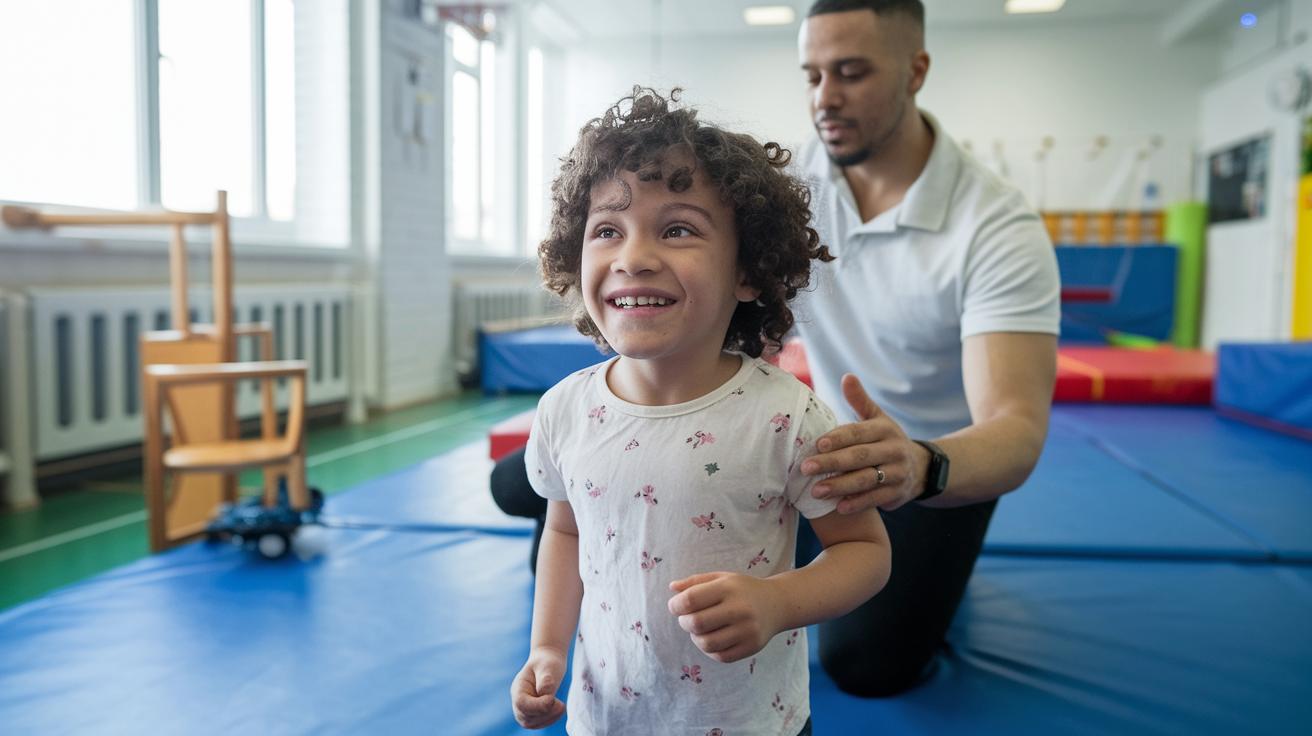
Integrative pediatric therapy gives your child a custom plan that helps boost growth and overall well-being. It looks at your little one’s unique needs, making everyday achievements feel like big wins. Imagine a child who once hesitated to join in play now laughing and enjoying group activities, it's all part of building that bright, confident future.
This approach brings everyone together, parents, caregivers, teachers, and therapists all share the same goal of helping your child thrive. They keep a close eye on progress and make sure that every part of your child’s world, from home to school, is supporting their growth. Plus, with flexible scheduling, fitting in therapy sessions becomes a lot easier, even with a busy family routine.
The results really speak for themselves: 285 patients have benefitted from integrative pediatric therapy, and 95% of families are happy with the outcomes. This isn’t just about improvements in behavior, speech, or movement, it's about building trust and a strong foundation that supports lasting change for your child.
Research Insights and Case Studies in Integrative Pediatric Therapy

New studies in integrative pediatric care are showing encouraging signs of change. Research and verified case studies suggest that focused treatments can help ease autism symptoms and boost a child's overall development. One case, for example, described a child who struggled with speaking. After going through therapies like speech therapy and sensory integration exercises (activities that help a child learn how to use their senses together), the child began to show clear progress. It feels like putting together a bright mosaic where every piece matters.
There’s a special library that gathers these case studies and published research on autism treatment. Each example shows how combining different therapies can create fresh chances for growth. Every month, webinars bring together clinicians, parents, and educators to chat about the latest findings. In one session, a researcher explained how a multi-disciplinary approach helped a child interact better with peers, kind of like watching seeds sprout into a thriving garden.
A caring group of experts from science, medicine, and other fields carefully reviews these results and helps shape future strategies. Their collective insights confirm that these treatments are on the right track. With 285 children already part of these programs, ongoing tracking reveals a strong trend of positive results.
A closer look at these examples shows that hands-on treatments and detailed follow-ups are key. Each case reminds us that when science meets compassion and teamwork, it lights up a child's path toward a brighter future.
Credentials and Multidisciplinary Teams in Integrative Pediatric Therapy
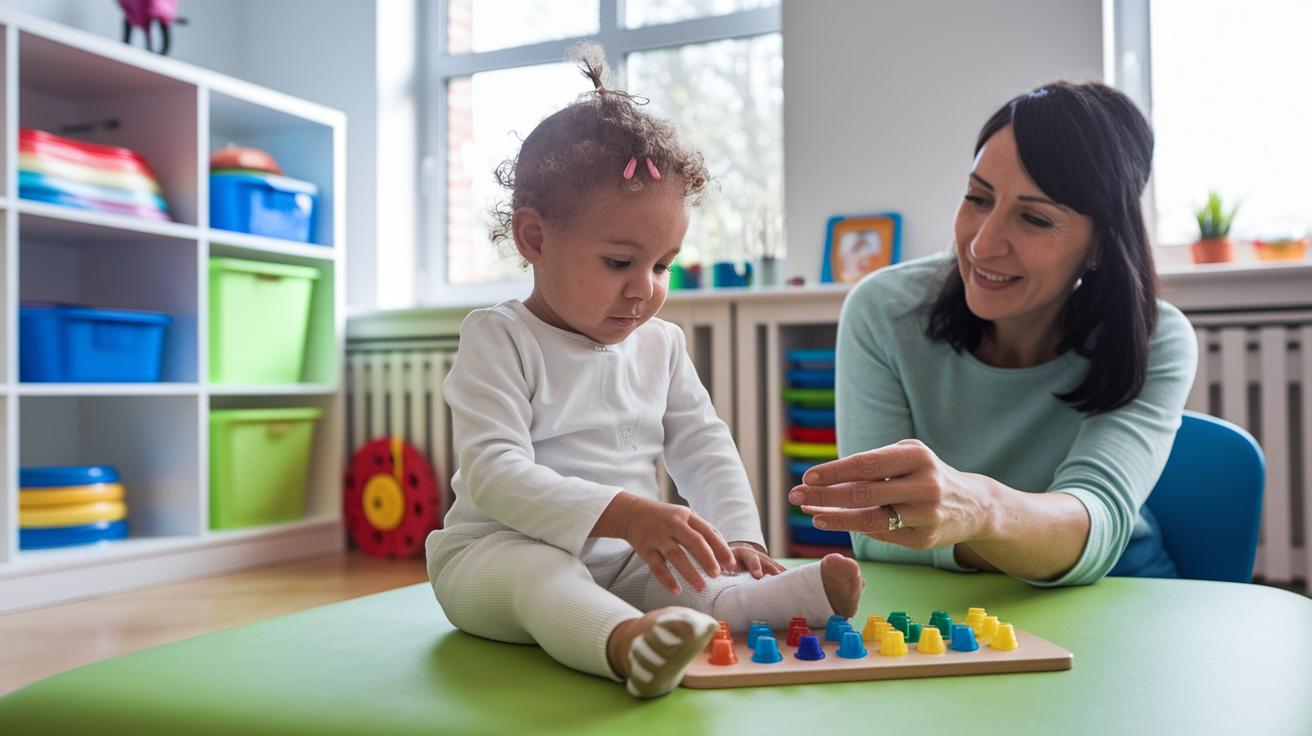
Integrative pediatric therapy works best when you have a caring team of trained, licensed experts. These professionals come from fields like ABA (a method that uses rewards to encourage positive behavior), feeding therapy, occupational therapy, speech and language therapy, and physical therapy (which helps with movement and strength). They design sessions that are both fun and hands-on, imagine a playful speech session where a child learns new words through a creative game, much like a friend sharing a neat story idea. Each therapist brings solid clinical expertise blended with kindness.
The program is guided by a strong leadership team. A Board of Directors sets the overall plan while advisory boards, professional, medical, and scientific, make sure every treatment plan is based on proven science and best practices. This clear, unified leadership helps the program adapt to new research and innovative techniques as they emerge.
Healing-together groups provide families with a cozy space to share experiences and support each other, almost like a close group of friends offering advice. Health coach training also strengthens the community by helping professionals stay updated with the latest child wellness strategies. All of these elements come together to create a friendly, coordinated care model that blends diverse therapies with genuine compassion.
Session Structure in Integrative Pediatric Therapy Programs

When families first sign up online, they fill out a questionnaire about their child's medical history, current health issues, and personal goals. A parent once shared, "When I filled out the form, I felt hopeful because every detail of my child's needs was considered." This first step lays the groundwork for a therapy plan that's made just for your child.
Once the details are in, a tailored care plan is created to match each child's unique needs. The sessions last between 30 and 60 minutes and are scheduled with family life in mind. Think of it like arranging meal times around a busy household, the goal is to make therapy fit into your everyday routine smoothly.
Families also have the choice of coming to the clinic or using the telehealth option. The telehealth sessions bring therapy right into your home with the ease of video calls, showing just how simple and comfortable focusing on care can be.
Regular check-ins and updates to the plan help ensure that the therapy grows along with your child, always matching their changing needs.
Service Locations and Options for Integrative Pediatric Therapy
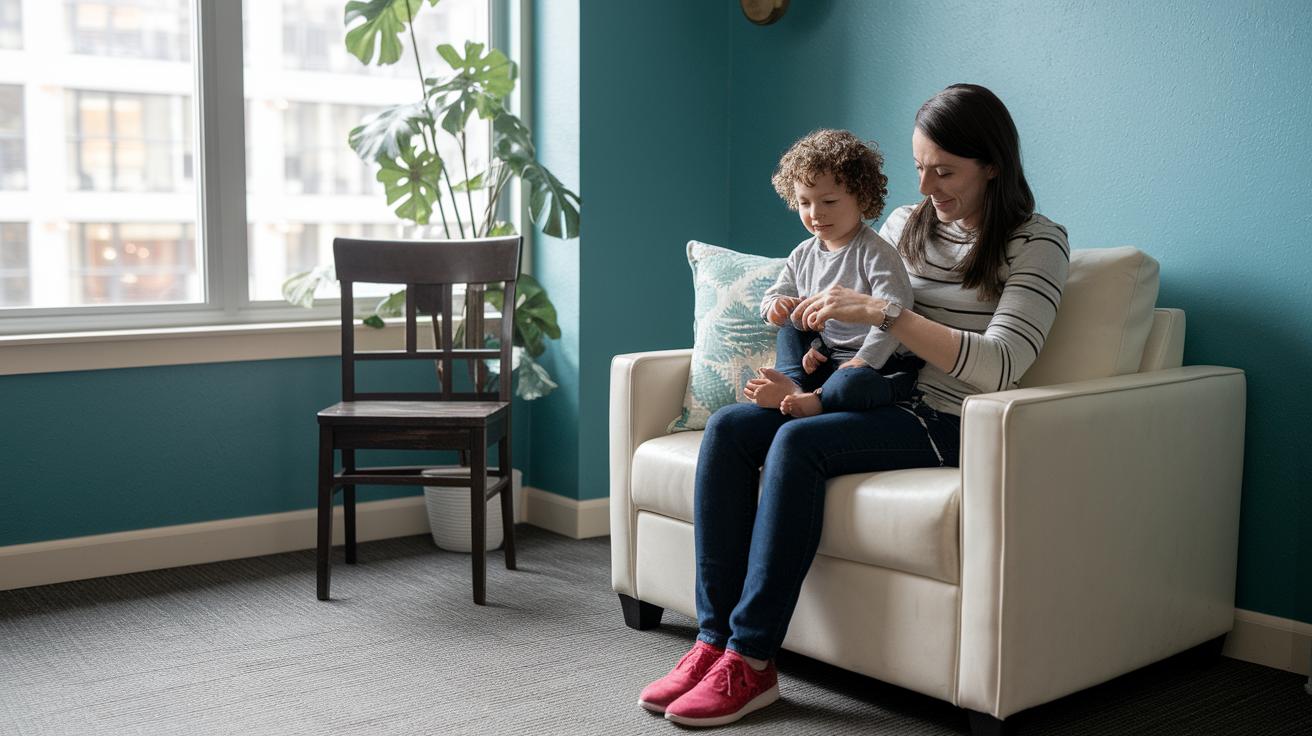
If you're looking for integrative pediatric therapy, your family has several easy choices. A group of centers in Dallas, Plano, Aurora, Royse City, and Garland offer a full range of treatments to help boost your child's health. At each location, caring and licensed professionals work with you and your child to make the sessions both fun and effective.
In Dallas and Plano, the centers mix standard treatments with gentle, complementary techniques. Imagine your child taking part in an active session in a space that feels just as comfortable as your living room. It really brings therapy to life.
The Aurora, Royse City, and Garland centers go a step further by creating spaces that fit your child's unique needs. They provide not only hands-on therapy but also a welcoming place for families to meet and share everyday wellness tips.
And if you can't make it to one of these centers, telehealth options are here for you. With just a video call, expert therapy comes right into your home. This means that even if you're in a more rural area, you can count on quality, science-backed care for your child.
Final Words
In the action, this post showed how integrative pediatric therapy blends conventional pediatric care with complementary therapies to offer meaningful support. We reviewed key treatment modalities like ABA, sensory integration, and more, along with the benefits of a flexible, family-focused approach. The discussion highlighted research-backed insights and practical steps from enrollment to personalized sessions. This method offers effective care that meets real needs. Keep embracing these ideas to create positive change and a healthier future for our children.
FAQ
What does integrative pediatric therapy involve?
The integrative pediatric therapy blends standard child health care with complementary treatments such as speech, physical, and occupational therapies. It focuses on overall development rather than just reducing symptoms.
Which regions offer integrative pediatric therapy services?
Providers operate in several areas including Dallas, Omaha, Elkhorn, Greeley, and more. Many centers also offer telehealth options to support families in remote or rural settings.
What treatments are commonly used in pediatric integrative care?
Common treatments include applied behavior analysis (ABA), feeding, occupational, physical, sensory integration, auditory, craniosacral therapies, and interactive metronome sessions to support development.
How do therapy centers involve families in their care approach?
Therapy centers work closely with families, educators, and clinicians. They offer flexible scheduling, online consultations, and regularly review progress to ensure each child’s care plan meets their unique needs.
What sets integrative pediatric therapy apart from traditional methods?
Integrative pediatric therapy moves beyond managing symptoms by combining evidence-based conventional and complementary methods, all while partnering with families, teachers, and healthcare experts for comprehensive child support.