Have you ever thought that a simple night-time habit could help clear your mind? Imagine turning off your phone and gadgets to give your brain a little break, like hitting a reset button before sleep.
In this conversation, I'll share some easy, calm steps to help lower stress and make your thoughts clearer. I remember the difference it made when I turned off my phone early, I felt more relaxed and ready for a fresh start the next day.
Let’s explore how a steady evening routine can bring you a sense of peace as you end your day.
Core Steps in an Evening Routine for Mental Clarity
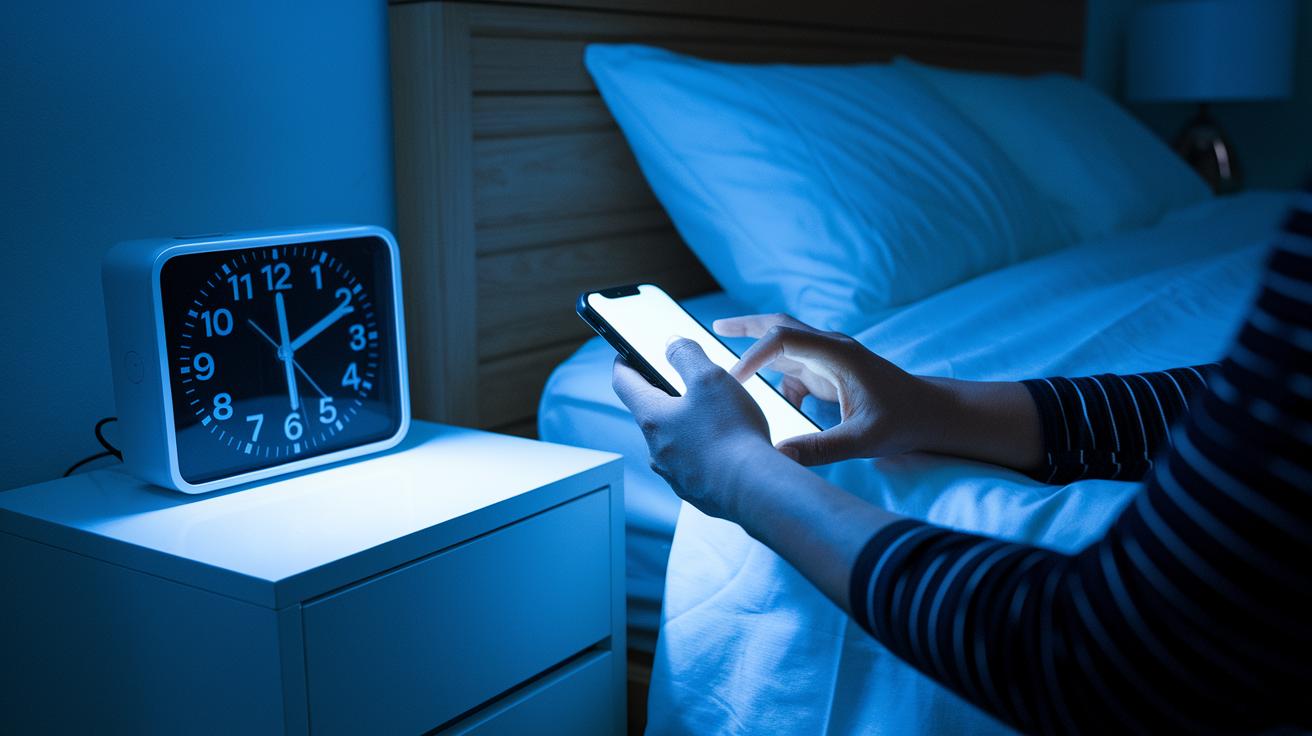
Every night, setting up a simple routine is like giving your brain a steady charge after a busy day. A good routine eases stress, clears your mind, and gets you ready for a focused tomorrow. It’s a bit like playing your favorite song just before bed, it gently calms you and paves the way for a fresh start. For example, I once turned off my phone 30 minutes early and felt a peaceful quiet replace all those anxious thoughts.
-
Set a fixed bedtime and wake-up time
Doing this helps keep your sleep cycle steady, like recharging your body’s battery. Even shifting your bedtime by 15 minutes at a time can make a big difference in syncing with your natural rhythm. -
Unplug devices 30 minutes before bed
Turning off your TV, phone, or computer stops blue light from keeping your brain active, letting your mind slowly wind down. -
Practice a short mindfulness or breathing exercise
Spend 5 to 10 minutes on a simple breathing or meditation exercise. Techniques like counting your breaths or paying close attention to your surroundings help lower stress and calm your mind. -
Journal gratitude or reflections
Take a few minutes to jot down three things you’re thankful for from the day, maybe a cozy cup of tea on a cool evening. This little act can help you finish your day on a positive note and clear any mental clutter. -
Prepare a calm bedroom environment
Dim the lights, set your room’s temperature just right, and create a quiet corner. Little changes like these can transform your space into a peaceful retreat for sleep.
Together, these steps shape a nightly ritual that not only helps your mind relax but also supports a stress-free sleep. Have you noticed how a small change can truly set the tone for the next day?
Establishing a Consistent Sleep Schedule for Mental Clarity

Sticking to the same sleep and wake times can make a big difference in how sharp and happy you feel. Studies tell us that 33–50% of adults struggle with sleep, so aiming for around 7–8 hours each night really helps clear your mind and boost overall well-being.
I like to keep a simple sleep diary. For example, I note down, “I went to bed at 10:15 p.m. and woke at 6:45 a.m.” This little habit can reveal trends in your sleep patterns and help you see what works best.
Setting a gentle reminder in the evening can signal your body that it’s time to start winding down. A quick note like, “Evening reminder, time to relax for the night,” gives your brain the cue it needs to prepare for sleep.
If you need to adjust your schedule, try shifting your bedtime by just 15 minutes at a time. This gradual change lets your body clock catch up without too much stress.
Here are three easy tips to enhance your evening routine:
- Use a nightly alarm to signal when it’s time to start winding down.
- Write a to-do list for the next day to ease any worries before bed.
- Create a calm sleep space by dimming your lights and reducing noise.
Incorporating Mindfulness and Gentle Movement for Mental Clarity

Got 10 minutes to clear your mind after a busy day? Try this simple unwind routine. Start by easing into two gentle yoga moves that help relax your muscles. First, stand tall and slowly bend from your hips into a soft forward fold. Feel the tension melt away from your back. Then, sit on the floor with your legs out straight and twist gently to the right and left, holding each side for about 20 seconds so you can feel the calm settling in.
Next, give progressive muscle relaxation a try. Begin with your toes, tighten them for 5 seconds and then release as you breathe out. Gradually move up through your calves, thighs, belly, arms, and even your face. This simple practice helps lower your heart rate and tells your body that it's time to relax.
Finish off your routine with a deep breathing exercise. Find a comfy position, either sitting or lying down, close your eyes, and slowly breathe in through your nose for 4 seconds. Hold your breath for a brief moment and then slowly exhale through your mouth for another 4 seconds. Keep this up for about 2 minutes. For more detailed help, check out the step-by-step guide on deep breathing exercises for emotional regulation at Healthandwealth101.com.
Doing these exercises right before bedtime or after your gentle yoga session can make your transition to sleep smoother and help you wake up feeling refreshed.
Evening Journaling Techniques for Mental Clarity

Nighttime gratitude journaling can boost your mood and ease stress. Even spending just 5 to 10 minutes writing before bed helps clear your mind and prepares you for sleep. It turns scattered thoughts into real reflections that bring a sense of calm.
Find a comfortable spot with your favorite notebook and pen, and try to set aside distractions. Focus on the little details that made your day special. You might try these three simple prompts to guide your writing:
- Write about someone whose action made your day better.
- Describe a moment that filled you with peace.
- Note one lesson you learned today that might help you tomorrow.
This quiet time can set the stage for a peaceful night’s sleep.
These prompts capture the people, moments, and insights that lighten your thoughts. As you write, let each word remind you of the small joys and kind exchanges of your day. This mindful practice slowly washes away worries, gently preparing you for rest. Over time, this ritual becomes like a friendly reset button, a moment for honest reflection that clears your mind. With regular practice, journaling at night not only improves your sleep but also builds a reserve of positivity and clarity for the coming day.
Digital Detox Strategies for Evening Mental Clarity

Our screens often give off blue light that can confuse your body and reduce melatonin (the hormone that helps you sleep). Research tells us that using night mode on devices cuts down on blue light and helps your natural sleep process. Night mode doesn’t mean just turning off your device, it shifts the display to dimmer, warmer tones that soothe your mind and body. I usually switch my phone to night mode after dinner, and that softer glow gently reminds me that it's time to relax.
Try setting up a special tech-free spot in your bedroom. Having this space sends a clear signal to your brain to unwind and get ready for sleep. It’s a little different from simply turning off screens 30 minutes before bed.
Here are some extra tips to boost your digital detox routine:
- Turn on night mode on all your devices in the evening.
- Create a tech-free area in your sleep space.
- Use warm, dim lighting, low-watt lamps work great for a calm atmosphere.
- Play soft ambient sounds or gentle music to cover any distracting noise.
| Strategy | Benefit |
|---|---|
| Night Mode Activation | Reduces blue light to help your body make more melatonin. |
| Tech-Free Zone | Signals your mind to relax and prepares you for sleep. |
| Warm, Dim Lighting | Creates a soothing environment that lets you wind down. |
Sensory Tools and Calming Rituals for Nightly Mental Clarity

Imagine turning your bedtime routine into a peaceful haven where every sense is gently cared for. One idea is to set up a soft playlist with calm tunes playing quietly in the background. A mix similar to “music for stress relief” can shift your attention away from worries and bring on a deep sense of relaxation.
You might also try an essential-oil diffuser. Just a few drops of lavender oil can fill your room with a light, soothing scent that helps quiet your busy mind and prepares you for sleep.
Another simple trick is using a dimmable lamp. As the light softens in the evening, it sends a gentle cue to your brain that it's time to wind down, reducing the bright, stimulating glare that can keep you awake. Keeping your room cool, around 60 to 67°F, also adds to the comfort, syncing your body with natural sleep rhythms.
| Tool | Benefit |
|---|---|
| Soft playlist | Gives you a gentle audio backdrop to calm your mind |
| Essential-oil diffuser | Fills your room with a natural, relaxing lavender scent |
| Dimmable lamp | Signals to your brain that it’s time to unwind |
| Controlled temperature | Keeps your room cool for a comfortable sleep |
So, try adding one or two of these simple rituals to your evening. Have you ever noticed how small changes can lead to a night filled with calm and rest? Enjoy creating your own peaceful nightly routine.
Final Words
In the action, a structured evening routine can change your whole night. Sticking to a fixed sleep schedule, unplugging devices, practicing mindfulness and gentle movement, writing down a few thoughts, and using sensory tools work hand in hand to ease stress and boost sleep quality.
These simple steps build a calming nightly ritual that helps clear your mind. Embrace your evening routine for mental clarity and wake up feeling refreshed and ready for a new day.
FAQ
Where can I find guided resources like PDFs or worksheets for establishing an evening routine for mental clarity?
The evening routine resources include downloadable PDFs and worksheets that offer step-by-step guidance. They provide practical examples and tips to help adults build calming, effective nighttime habits.
What should a bedtime routine for adults include?
A bedtime routine for adults should combine a set sleep schedule, 30-minute screen-free time, mindfulness or breathing exercises, reflective journaling, and a calm environment to reduce stress and boost mental clarity.
How can I create a safe and calming bedtime routine for my baby?
A baby’s bedtime routine can include gentle activities like a warm bath, quiet play, soft lullabies, and dim lighting that together create a soothing atmosphere ideal for drifting off to sleep.
What steps are included in a night routine list for better sleep?
A night routine list for better sleep involves setting a fixed bedtime, unplugging devices early, engaging in mindfulness exercises, doing brief journaling, and using calming sensory tools like soft music or aromatherapy.
What is the best night routine for students and those seeking success?
The best night routine for students and success blends structured sleep schedules, light mindfulness practices, brief exercise, and a quiet, distraction-free space that helps improve focus and reduce stress.
What constitutes the best evening routine for mental clarity?
The best evening routine for mental clarity combines a consistent sleep schedule, a device-free period before bed, mindfulness or breathing exercises, gratitude journaling, and a calm bedroom environment to recharge the mind.
What are the 3/2/1, 10 4 3 2 1, and 10 5 3 1 bedtime rules?
These bedtime rules lay out short, sequential steps to help wind down before sleep. They focus on progressively reducing physical and mental activities to ease the transition into a calm, prepared state for rest.