Have you ever noticed how one little spice might boost your health? For over 5,000 years, Indian herbs like turmeric, cumin, and coriander have been adding flavor and natural benefits to food. They help reduce swelling and support digestion (the process that breaks down food), offering much more than just taste. In your kitchen, these ancient herbs work quietly, turning every meal into a small act of self-care. In this post, we’ll show you how these old, trusted herbs can refresh your cooking and help you feel better.
Indian Herbs: Timeless Health Benefits
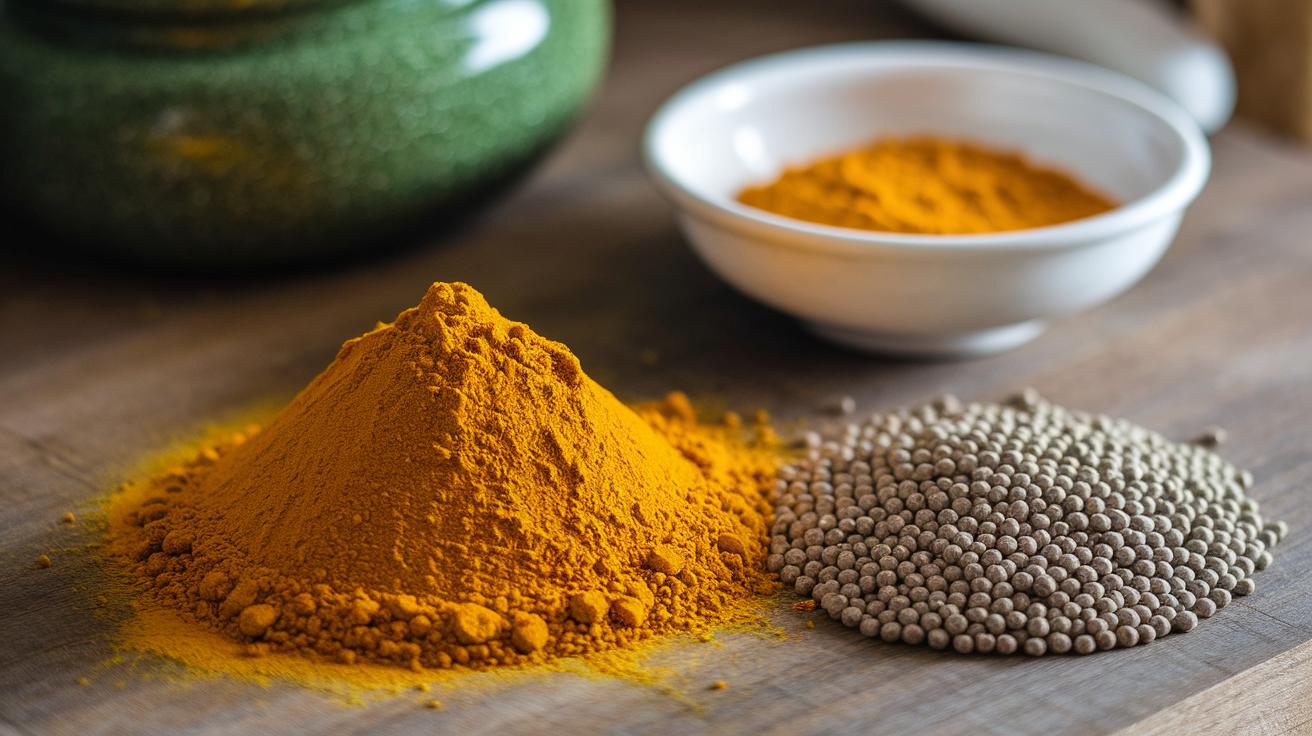
For over 5,000 years, Indian herbs have been a favorite in kitchens and medicine cabinets alike. There are more than 40 different types that have made a mark around the world. Turmeric, or Haldi, is a star among them. It’s known for its bright yellow color and its power to ease swelling (that’s its anti-inflammatory ability). When you’re cooking a family meal, try adding a teaspoon of turmeric with a pinch of black pepper. It not only deepens the flavor but also gives your meal a little health boost, like a quiet secret to making things better.
Coriander works in two forms: as dry seeds or fresh cilantro leaves. It brings bright, citrus-woody hints to your dishes, even if some folks think cilantro tastes a bit soapy. Cumin, which is also called Jira, is cherished for its earthy, smoky flavor that comes out when you gently fry its seeds in oil. Then there’s fenugreek, or Methi, with its slightly bitter, celery-like taste that adds a nice kick to curries and helps with digestion.
India’s long history of spice trading not only changed the way we cook but also tied these herbs to traditional healing. Think of it like your spice rack is filled with little bits of wisdom from the past, each sprinkle and stir tells a story of care and time. These herbs offer both delicious taste and natural support for your health, from calming your stomach to soothing inflammation. So, why not wander through your kitchen and let these age-old herbs bring a touch of their magic to every meal?
Indian Herbs Profiles: 8 Essential Botanical Varieties
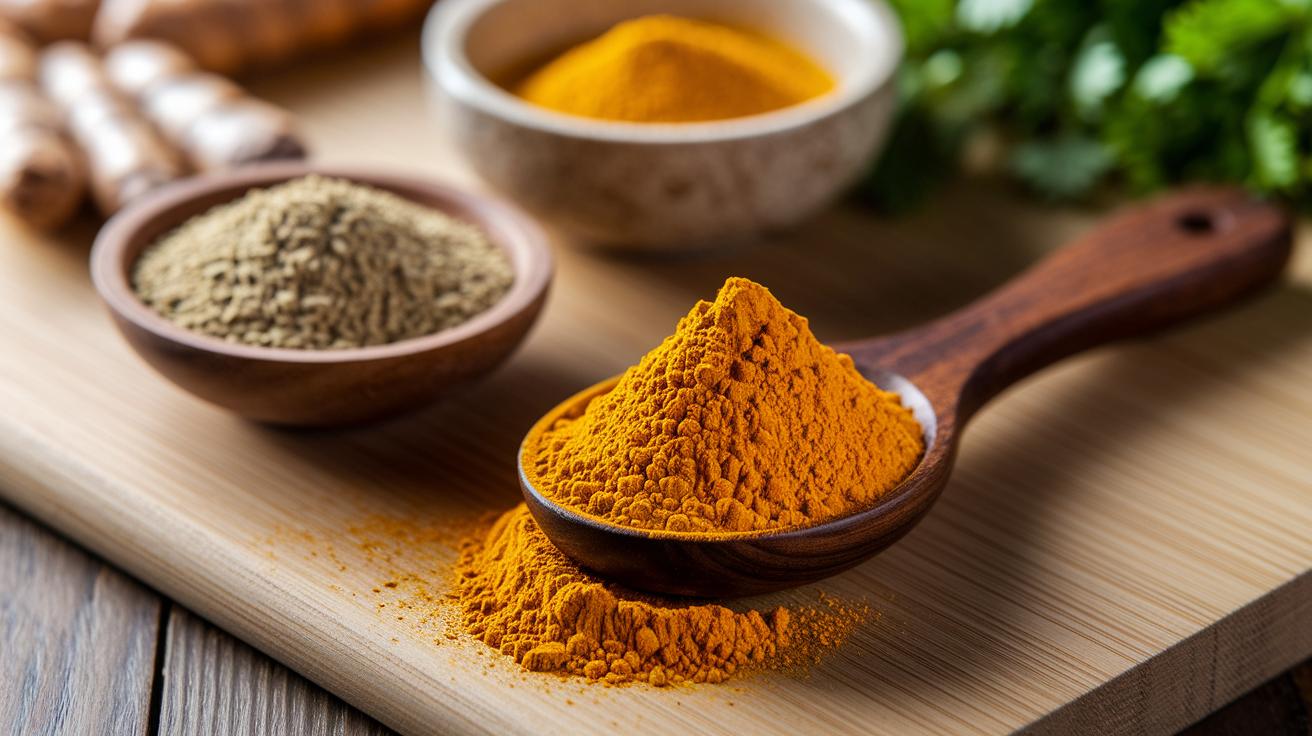
Turmeric (also known as Haldi) is famous for its warm, earthy taste and bright yellow color. A teaspoon is enough for a family of four, and when you add a pinch of black pepper, it helps your body take in curcumin (the key active ingredient). You might even try stirring a dash into warm milk for a comforting, subtly spiced drink.
Cumin, or Jira as it's called locally, releases a rich, smoky flavor when gently fried in oil. That small step lets the spice open up its full aroma, turning any dish into a delicious experience. Imagine the scent filling your kitchen like a tiny spark setting off a culinary celebration.
Coriander offers a double treat. Ground coriander seeds give a bright, citrus-woody kick that livens up savory meals, while fresh cilantro leaves add a distinctive touch, sometimes a bit soapy, that can really make a dish shine when balanced just right.
Fenugreek comes in two forms: tiny, wheat-like seeds and dried kasoori methi leaves. The seeds bring a mild sweetness, whereas the kasoori methi adds an earthy bitterness that rounds out curries and stews perfectly.
Asafoetida, known as Hing, has a strong, onion-like aroma even when used sparingly. It's a favorite in lentil dishes because it deepens the flavor without taking over the taste of the meal.
Cloves, or Lavang, are potent little buds, usually 4 to 10 whole ones, that offer a warm, aromatic spice. They’re best used in small amounts so as not to overpower more delicate flavors in your recipe.
Cardamom pods add another layer of taste. Green cardamom (using 2 to 6 pods) gives a mix of sweet and savory notes, while the smoked black variety offers a sharper, camphor-like twist to complete the aromatic blend.
Lastly, mustard seeds (Rai) pop in hot oil to release a nutty, sharp flavor that can brighten up countless Indian recipes, adding that extra burst of savory zest.
Medicinal Flora Benefits of Indian Herbs
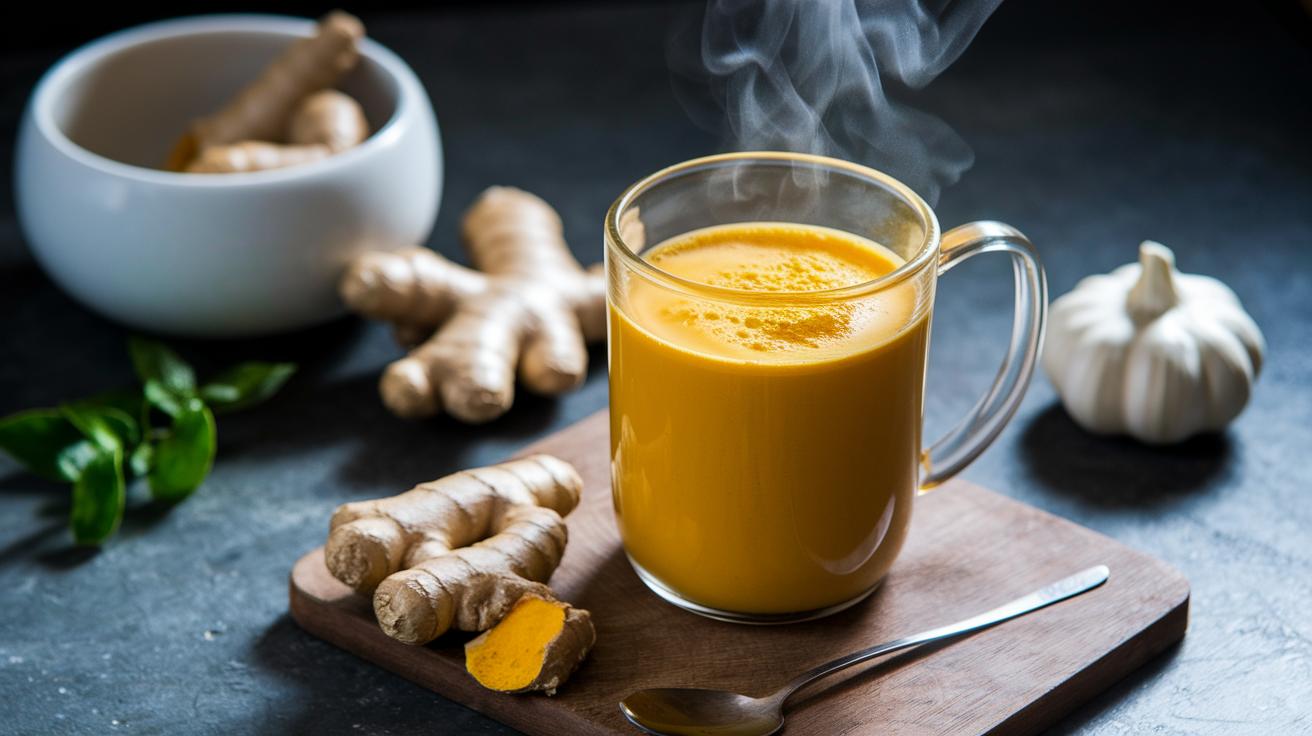
Turmeric shines among Indian herbs because it’s packed with curcumin, a natural substance that helps ease inflammation (swelling) and protects cells (antioxidant). Add a pinch of black pepper, which contains piperine, and you boost its absorption, turning every dash into extra wellness magic. Picture mixing a warm, spiced drink and enjoying its soothing, golden warmth throughout your day.
Ginger and garlic join the team to pack an extra punch. They’re known for their virus-fighting and immune-boosting powers. Using a small piece of ginger (about 1–2 inches) or one or two garlic cloves daily can help keep those common bugs at bay. Plus, they pack a burst of flavor, turning an ordinary meal into a tasty, healthful treat.
Fenugreek is another friendly herb that supports smooth digestion and helps balance blood sugar (the level of sugar in your blood). Just a dash of fenugreek brings a light, nutty flavor to your dish while keeping your body’s processes in check.
Then there’s nigella, often called Kalonji, which, despite its tiny form, offers mild antimicrobial benefits and can soothe mild respiratory discomfort. It’s a small, yet mighty addition to your spice collection.
Fennel, with its sweet scent, rounds out the group by aiding digestion and naturally freshening breath. A light sprinkle in a hearty soup or stew can leave you feeling comforted and refreshed, both in body and mind.
Culinary Uses of Indian Herbs: Spice-Infused Techniques
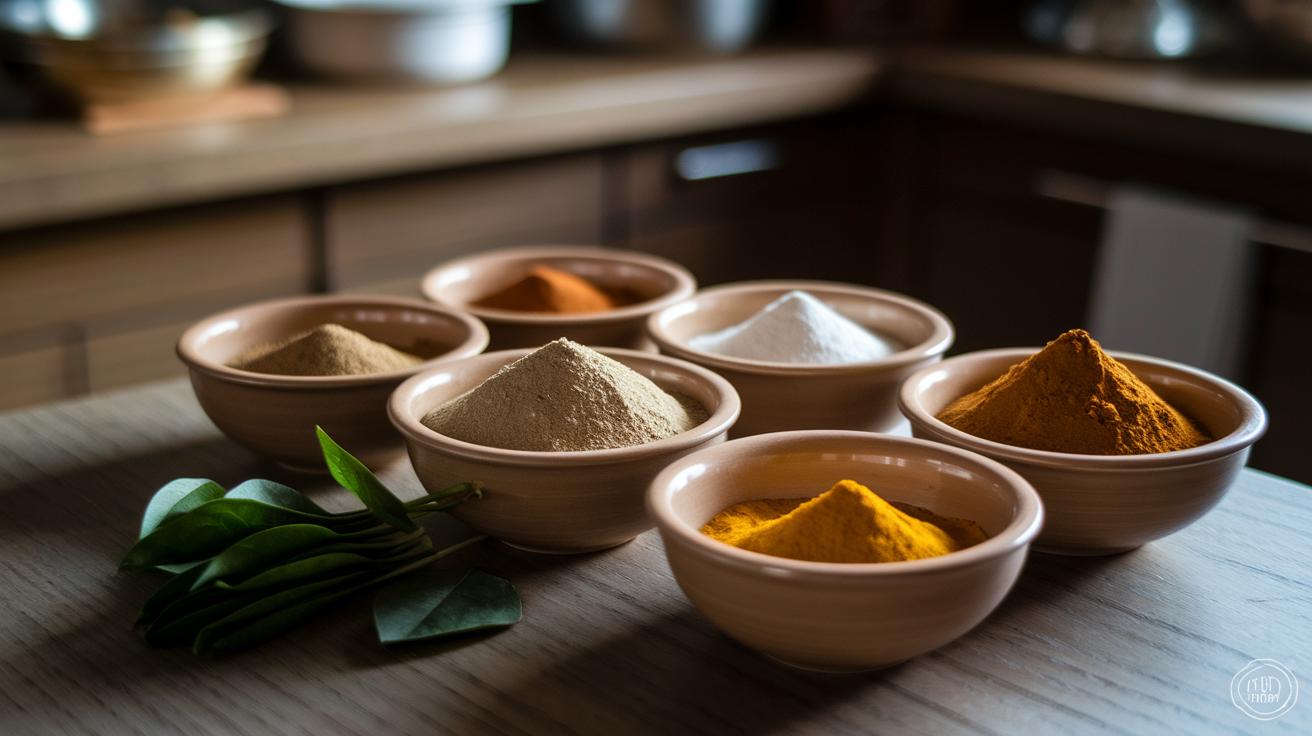
Spice blends are a simple way to turn a regular meal into a feast full of aroma. In Indian cooking, garam masala is a popular blend. It usually includes about 1–2 teaspoons of spices like pepper, cinnamon, nutmeg, cardamom, cumin, and coriander. Just a pinch can make your vegetable curry smell wonderfully warm and inviting.
Paanch phoran is another blend that brings delightful balance to your dishes. Made from mustard, black cumin, nigella, fenugreek, and fennel seeds, it adds a gentle crunch and a pleasing spice to lentils and stews.
Curry leaves are also a must-have in the kitchen. Using 6–8 fresh leaves in your chutney or marinade gives it a bright, citrus-like scent. Imagine the refreshing hint of curry leaves mixed with warm toasted spices in a quick sauté.
Here are some simple tips to get the most from your spices:
- Toast whole spices in a dry pan for 3–5 minutes until they give off a rich, nutty aroma.
- Bloom spices in oil for 1–2 minutes to release their natural flavors.
- Use a coffee mill to grind whole spices fresh, which helps maximize their flavor before adding them to your dish.
Trying these methods can turn every meal into a flavorful adventure, blending classic ingredients in ways that boost both taste and health.
Indian Herbs in Ayurveda: Time-Honored Remedies and Tonics
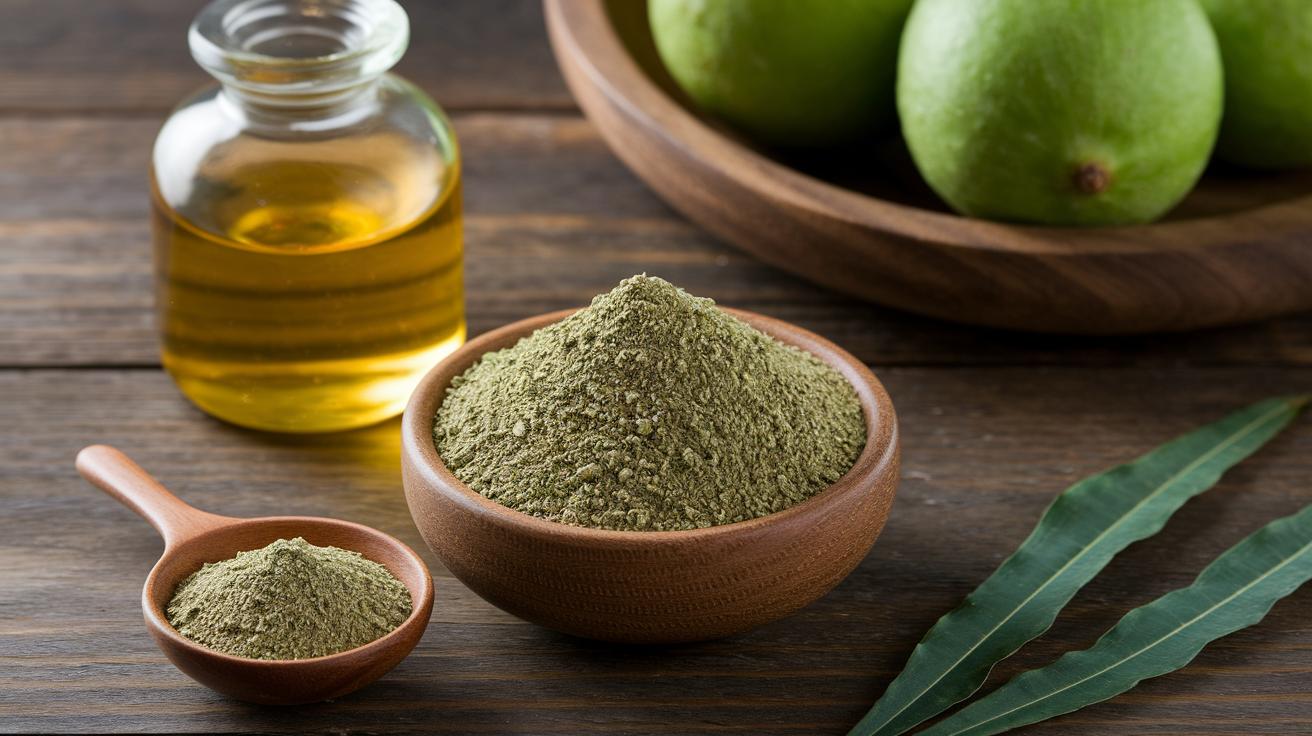
Ayurveda is filled with herbal wisdom that has been shared from one generation to the next. One well-loved remedy is Triphala. This blend of amla, haritaki, and bibhitaki helps smooth digestion and naturally detoxify the body. It gently cleanses and balances your system, almost like giving your whole body a refreshing reset.
Herbal hair oils using amla and neem are a common part of Ayurvedic self-care. These oils work wonders by nourishing your scalp and fighting dandruff while also strengthening your hair roots. The natural ingredients and light aroma leave your hair looking lively and full of life, making each application feel like a small act of self-love.
For skincare, a simple turmeric paste made with a bit of sandalwood is a go-to solution. When you apply this paste, it cools and soothes irritated skin, giving you a soft, natural glow. Turmeric is well-known for its anti-inflammatory benefits, making it a trusted choice for calming your skin.
Ayurvedic care is all about balance. Ginger, for example, is often added to help support Vata (one of the body’s energy types), while cooling herbs like mint are used for Pitta. On the other hand, warming spices are chosen to balance Kapha. This thoughtful approach helps keep your energy steady and your body in harmony.
You can explore more of these ancient practices and their benefits in discussions of native medicines at Healthandwealth101.com. These remedies go beyond simple treatments, they also help you understand and care for your body and mind. Embracing Ayurveda is like inviting a mindful balance into your everyday life, making each day a little richer and more vibrant.
Cultivating and Storing Indian Herbs at Home

Start by finding a sunny, quiet spot in your garden where your herbs can grow undisturbed. For plants like turmeric and ginger (rhizomes are the thickened underground stems), choose moist, loamy soil with a pH between 6 and 7. Mark your calendar for an 8–10 month wait, it's like watching a fruit slowly ripen, rewarding your patience.
Next, spring is the perfect season for planting coriander and mustard seeds. Scatter the seeds gently and thin them to about 6 inches apart. This little spacing gives each plant room to develop strong roots and a lovely aroma. Imagine neat rows of tiny green soldiers ready to boost the flavors in your cooking.
Fenugreek is another herb that's simple to grow. Just direct-sow its seeds and in 30–40 days you’ll have fresh, tasty greens to add to your dishes. It’s a quick win for your garden!
After you harvest, drying your herbs is key. Choose a bright, sunny spot for air-drying or use a low-heat oven to help preserve their natural oils. Once they’re completely dry, store them in dark, airtight containers. Think of it as tucking your herbs in for a long, restorative nap until you're ready to spice up your meals.
Usage and Safety Guidelines
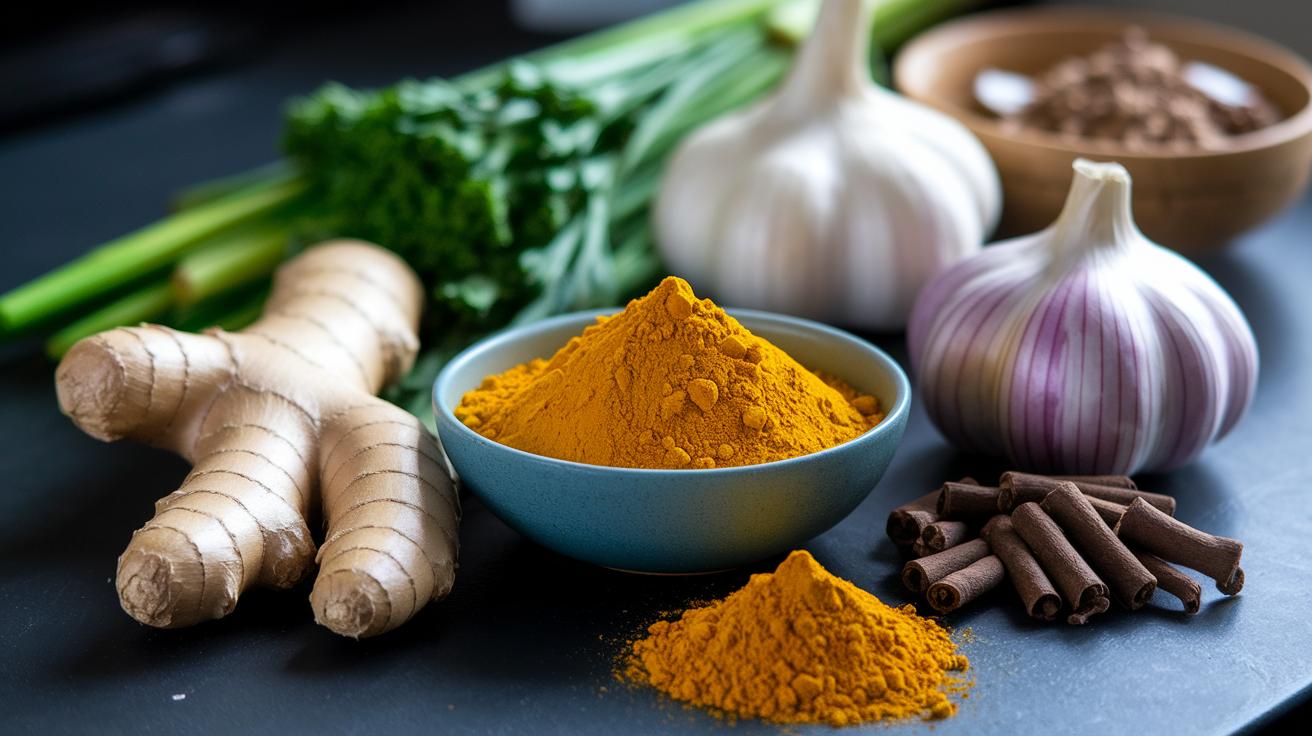
When using Indian herbs, be sure to follow safe practices. For example, mix 1–2 teaspoons of organic, bright orange turmeric into your warm drinks or meals each day.
For a little extra kick, add about a one-inch piece of fresh ginger or ½ teaspoon of ginger powder to your dishes. You can also boost both flavor and health by including 1–2 fresh garlic cloves. A small pinch of asafoetida brings a bold twist, and 4–10 whole cloves help keep the flavor balanced.
Remember, raw herbal supplements might interact with medications like blood thinners or antacids. If you’re unsure, it’s always a good idea to check with your healthcare provider.
A home cook might simply say, "I add just enough ginger to brighten my stew," keeping the recipe both bright and safe.
| Herb | Recommended Dosage | Usage Tip |
|---|---|---|
| Turmeric | 1–2 teaspoons daily | Mix into warm drinks or meals |
| Ginger | 1-inch fresh or ½ teaspoon powder | Add for extra kick and digestion support |
| Garlic | 1–2 fresh cloves | Enhance flavor and boost health |
| Asafoetida | A small pinch | Use sparingly due to its strong aroma |
| Cloves | 4–10 whole buds | Use to balance out flavors |
Final Words
In the action of discovering traditional spice wisdom, we've unveiled the rich roles and benefits of indian herbs. We explored their history, culinary charm, medicinal perks, and practical home tips. Each section offered a clear glimpse into how these botanicals infuse flavor and support well-being.
Taking simple steps, from careful dosing to mindful cultivation, can truly uplift your daily routine. Enjoy the burst of natural goodness and savor every moment of a healthier lifestyle.
FAQ
What is the Indian herbs list and where can I find a PDF version?
The Indian herbs list includes traditional botanicals like turmeric, cumin, coriander, and fenugreek used in cooking and healing. PDF versions often provide detailed descriptions of each herb’s benefits.
What does Indian herbs medicine and their benefits mean?
Indian herbs medicine refers to using natural botanicals in wellness routines. These herbs offer benefits like reduced inflammation, improved digestion, and overall support for healthy living.
What is the Indian Herbs veterinary products list?
The Indian Herbs veterinary products list highlights botanicals used in animal care. These traditional remedies often aid in digestion and help manage minor ailments in pets and livestock.
What are Indian herbs for hair?
Indian herbs for hair typically include botanicals such as amla and neem. These herbs help strengthen hair, control scalp issues, and promote a healthy, vibrant look naturally.
What do Indian Herbs Specialities refer to?
Indian Herbs Specialities denote the unique cultural and medicinal traits of these botanicals. They are celebrated for enhancing food flavor and providing natural, time-tested health benefits.
What does it mean to buy Indian herbs online?
Indian herbs online means that traditional botanicals are available through trusted e-commerce platforms. Buyers can easily access a range of herbs for culinary, medicinal, and general wellness purposes.
What is the most popular Indian herb?
The most popular Indian herb is turmeric. It is renowned for its vibrant color and strong anti-inflammatory and antioxidant properties, making it a kitchen and wellness staple.
What does the term “Indian herb” mean?
The term “Indian herb” refers to native botanicals used for culinary and medicinal purposes. These herbs hold a long cultural legacy and have been integral to traditional Indian practices for centuries.
What herbs are used in Indian food garnish?
Herbs used in Indian food garnish include cilantro, mint, and curry leaves. They add a fresh, aromatic quality that enhances both the visual appeal and flavor of dishes.
What are the top 10 herbs commonly used in Indian cooking?
The top 10 herbs often include turmeric, cumin, coriander, fenugreek, asafoetida, cloves, cardamom, mustard seeds, ginger, and garlic. Each herb brings distinct flavors and health benefits to meals.