Have you ever wondered which workout best energizes your body: cardio or weight training? Imagine your heart pumping steadily during a brisk walk while your muscles engage vigorously in weight training. Each exercise method offers its own advantages, from improving cardiovascular health to building stronger muscles and bones. In this post, we unpack the facts about both approaches by comparing calorie burn rates and the afterburn effect. Explore how selecting the right combination of exercises can transform your fitness journey and enhance your overall workout experience.
Overview of Cardio vs Weight Training: Key Differences and Benefits

Cardio is an aerobic workout that elevates your heart rate consistently over time, while weight training uses resistance through free weights, machines, bands, or even your body weight. Health authorities like the CDC and WHO advise adults to complete 150 minutes of moderate or 75 minutes of vigorous cardio every week, along with strength training for major muscle groups at least twice weekly with a minimum 48-hour rest between sessions. For example, a quick 30-minute brisk walk that keeps your heart rate up aligns with these recommendations for solid cardiovascular improvement.
Cardio quickly burns calories, offering around 8 to 12 calories per minute, and it enhances the health of your heart and lungs. One limitation is that relying solely on cardio may lead to muscle loss. On the other hand, weight training burns about 6 calories per minute and has the added benefit of increasing muscle mass, boosting your resting metabolic rate, and triggering an afterburn effect (EPOC) that can last for up to 48 hours. In addition, weight training supports stronger bones and better mental well-being. For instance, even a short session of lifting weights can continue to burn calories long after your workout is over.
| Aspect | Cardio | Weight Training |
|---|---|---|
| Calorie burn per minute | 8–12 kcal/min | ~6 kcal/min + afterburn |
| Afterburn (EPOC) | Short-lived effect | Up to 48 hours |
| Muscle preservation | Risk of loss | Enhances and builds muscle |
| Health benefits | Improves cardiovascular health | Boosts bone density and mental well-being |
Combining these two training styles enables you to pursue varied fitness objectives while maintaining a balanced routine. By integrating cardio with weight training, you benefit from both immediate calorie burning and sustainable muscle support, paving the way for lasting health improvements and enhanced overall function.
Cardiovascular Benefits in Cardio vs Weight Training

Recent research shows that regular aerobic workouts not only boost the heart's efficiency but also enhance the body's ability to use oxygen effectively. Moderate cardio sessions have been found to improve heart rate variability by up to 15 percent, a key sign of a strong cardiovascular system. For instance, steady brisk walking over time has been associated with a 25 percent lower risk of cardiovascular events, and individuals who completed a daily 30-minute brisk walk often experienced notable improvements in heart function.
- Boosts insulin sensitivity and helps regulate blood sugar levels
- Lowers blood pressure while reducing the chance of heart disease
- Assists in managing appetite and supports a calorie deficit for weight loss
- Increases the total energy burned throughout the day
- Enhances lung capacity and builds endurance for everyday activities
It is important to note that the calorie-burning benefits of cardio tend to diminish after the workout is finished. Moreover, relying solely on aerobic exercise may result in a decrease in muscle mass. That is why many athletes incorporate resistance training into their workouts to preserve muscle and ensure a balanced metabolism.
For example, after mixing short weight training intervals with her daily cardio routine, Maria noticed improved stamina and sustained muscle tone, which underscores the benefits of combining these two exercise approaches.
Strength Training Advantages in Cardio vs Weight Training

Resistance training challenges your muscles to grow, strengthens your bones, and lowers the mortality risk for older adults, which is vital for maintaining mobility and balance. Just as Sarah experienced improved stability after starting weight training, regular workouts help you stay independent and promote overall health.
Weight training not only increases your resting metabolism but also creates an afterburn effect known as EPOC that can keep you burning calories for up to 48 hours. This effect is enhanced by the release of important hormones like growth hormone and testosterone, which work together to boost fat metabolism.
Additionally, weight training offers benefits such as reduced stress, better sleep quality, and improved insulin sensitivity, lowering the chances of developing type 2 diabetes while supporting your immune system and mental wellness. For those planning their workouts, consider a session inspired by traditional strength training. Start with this intriguing observation: many people notice a significant lift in energy and mood when they begin a weight training routine, making everyday challenges easier to overcome.
Fat Burning Efficiency: Cardio vs Resistance Workouts

A dynamic workout that blends high-intensity cardio with resistance exercises can spark both immediate calorie burning and lasting metabolic benefits. One effective method is to alternate short, intense bursts, like a one-minute sprint immediately followed by a two-minute dumbbell routine, to rapidly boost your heart rate while setting up your muscles for extended fat oxidation. For instance, you might try a one-minute sprint paired with two minutes of kettlebell swings to capture both the quick energy burn and the sustained afterburn effects.
Circuit training, which interweaves both cardio and resistance modalities, keeps your energy levels high throughout the session. This strategy not only provides the immediate calorie burn of cardio but also harnesses the prolonged post-exercise oxygen consumption and enhanced fat-burning hormone production that come with resistance training. The table below highlights the key differences between these approaches:
| Modality | Calorie Burn | Afterburn Effect | Unique Advantage |
|---|---|---|---|
| Cardio | High during workout | Brief | Immediate energy expenditure |
| Resistance Training | Moderate during workout | Long-lasting (up to 48 hours) | Boosts fat-burning hormones |
Designing Balanced Programs: Cardio vs Weight Training Integration

Enhance your workout efficiency by mixing short, intense cardio bursts into your strength routines. For instance, after finishing a set of squats, move immediately into 30 seconds of jumping jacks, and following bench presses, try a quick jump rope session for the same duration to tone your muscles and boost your heart rate.
Customize your recovery periods and workout intensity based on your current fitness level. If you are new to exercise, modify the moves or allow for longer rest, while experienced athletes might lower the break time to increase the afterburn effect.
| Day | Workout |
|---|---|
| Monday | Strength training with 10-minute high-intensity intervals between sets |
| Wednesday | Full-body circuit that alternates compound exercises with short sprint intervals |
| Friday | Resistance training session interspersed with brief cardio bursts like burpees |
• Experiment with adjusting the order of exercises to match your energy levels
• Change the duration of intervals based on your progress
• Regularly assess your performance and fine-tune your workout plan
These blended routines offer a fresh alternative to standard workouts, supporting ongoing strength gains and improved endurance.
Sequencing in Cardio vs Weight Training Sessions: Power Up!
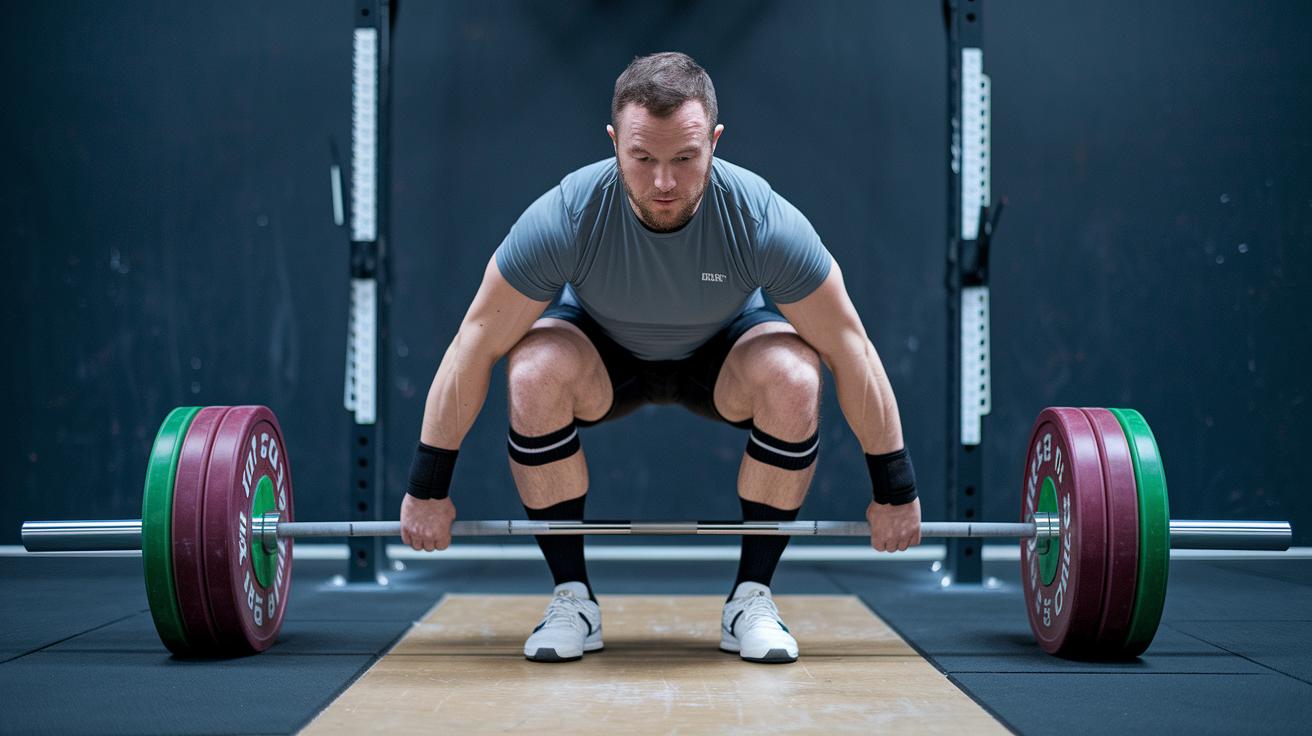
When building muscle, start your workout with weight training so you can harness your energy at its peak. Focus on compound exercises like squats and deadlifts to boost both power and muscle recruitment. For instance, begin with a set of deadlifts to access your full strength before moving on to any cardio activity. This method helps ensure that fatigue does not limit your ability to complete heavy resistance work.
If enhancing endurance is your primary objective, it is best to start with cardio, especially when training for races or events that demand stamina. Initiate your session with 20 to 30 minutes of steady-state or interval cardio to elevate your heart rate and prepare your cardiovascular system. Following up with strength training supports muscle mass retention throughout the workout.
For those aiming to improve both strength and endurance, consider alternating the order of exercises between sessions or separating them on different days. This balanced approach minimizes interference between workout types and promotes effective recovery, enabling steady improvements in both muscle power and aerobic capacity.
Sample Cardio vs Weight Training Plans for Specific Goals

If your goal is weight loss, consider a fitness routine that features three moderate-intensity cardio sessions of 30 minutes each along with two sessions of full-body strength training every week. During strength workouts, concentrate on compound lifts to burn calories and engage multiple muscles at once. After a brisk run, you can transition into exercises such as squats or lunges to keep your heart rate elevated and ensure a steady burn of fat.
For those looking to build muscle, a balanced schedule might include two high-intensity interval training (HIIT) sessions of about 20 minutes each paired with three dedicated resistance training days, focusing on pushing, pulling, and leg movements. Allow at least 48 hours for recovery between these sessions. Slowly increasing the weights and intensity can help stimulate muscle growth. Picture finishing a vigorous HIIT routine before moving on to a well-structured resistance circuit where each exercise builds on the previous effort, ultimately boosting both your muscle strength and size.
To improve endurance, opt for a routine that comprises four cardio sessions per week, mixing in long, steady-paced runs with intervals on a bicycle. Supplement these with two sessions that maintain your strength through core exercises and functional training. Imagine a cyclist who complements interval training with targeted core workouts, resulting in increased resilience on long rides. This balanced approach not only enhances your aerobic capacity but also promotes overall muscle conditioning for sustained performance.
Final Words
in the action, the article dissected the nuances of cardio vs weight training by examining aerobic benefits, metabolic boosts, and muscle growth dynamics.
It detailed how targeted routines impact calorie burn, afterburn effects, and overall health while emphasizing recovery and balanced programming.
Key comparisons highlighted the strengths of both modalities and laid out practical plans for weight loss, endurance, and muscle preservation.
Experiment with these insights to craft a routine that enhances your fitness journey and elevates your well-being.
FAQ
Which is better: cardio or weight training?
The comparison of cardio and weight training shows that both offer distinct benefits. Cardio enhances cardiovascular endurance and calorie burn, while weight training builds muscle, boosts metabolism, and improves strength.
How do cardio and weight training affect weight loss and belly fat reduction?
Evaluating cardio versus weight training for weight loss reveals that cardio burns calories rapidly while weight training preserves muscle mass and increases metabolic rate, which together aid in reducing overall and belly fat.
Are there special considerations for females regarding cardio versus weight training?
Analyzing cardio versus weights for females indicates that both can be beneficial. Cardio promotes heart health and endurance, whereas weight training enhances muscle tone and supports metabolism for overall well-being.
What are the benefits of cardio and strength training for those over 50 and overall longevity?
Reviewing cardio and strength training for older adults shows cardio improves cardiovascular function, and strength training maintains muscle mass and bone density, together enhancing longevity and quality of life.
How do cardio and weight training influence cholesterol levels?
Comparing cardio to weight training for cholesterol management demonstrates that cardio helps lower LDL levels and improves heart function, while weight training contributes by increasing muscle mass and overall metabolic efficiency.
What happens if I solely lift weights without doing any cardio?
Focusing exclusively on weight lifting may enhance muscle strength but can reduce cardiovascular endurance and overall calorie expenditure. Integrating cardio supports heart health and boosts energy balance.
Is 20 minutes of cardio enough after a weight training session?
Assessing a 20-minute cardio session after strength training indicates it can aid in recovery and calorie burn, yet overall fitness goals might require longer or additional cardio sessions throughout the week.
What is the 3-3-3 rule in the gym?
Understanding the 3-3-3 rule suggests splitting a workout into three segments—warm-up, main exercise, and cool-down—to ensure balanced training, though interpretations of the rule can vary by gym routine.
What is high-intensity interval training (HIIT)?
Recognizing HIIT involves alternating short bursts of intense activity with brief rest periods, effectively boosting cardiovascular endurance, calorie burn, and metabolic rate in a time-efficient manner.
What is Pilates?
Defining Pilates reveals it as a low-impact exercise emphasizing core strength, flexibility, and controlled movement, promoting better posture and muscle balance for a wide range of fitness levels.
What is LISS cardio?
Explaining LISS cardio shows it stands for Low-Intensity Steady State exercise, where a consistent moderate effort is maintained to efficiently burn fat and build endurance without high stress on the body.
What is aqua aerobics?
Describing aqua aerobics highlights that it involves performing exercise routines in water, combining resistance with low-impact movement to enhance cardiovascular health, strength, and joint comfort.
What is indoor cycling?
Outlining indoor cycling indicates that it is a high-intensity cardiovascular workout performed on stationary bikes, focusing on improving endurance, burning calories, and strengthening lower-body muscles.