Have you ever wondered if eating healthy is easier than it seems? Picture a plate loaded with colorful vegetables, lean proteins like chicken or beans, and a bit of healthy fat such as olive oil to keep your energy up all day.
In this post, we'll share simple meal ideas that help you whip up balanced dishes without emptying your wallet. You'll see how smart picks at the grocery store and a mix of natural, whole foods can turn every meal into a burst of flavor and vitality.
Ready to dig in and enjoy a tastier, healthier lifestyle? Let's get started!
Principles of Eating Healthy: Building Balanced Meals
Imagine your plate as a colorful mosaic made up of different foods that work together to give you energy and help your body run smoothly. A balanced meal brings in lean proteins (like chicken, fish, or beans, which help repair your muscles), whole foods such as crisp vegetables and sweet fruits, and healthy fats from foods like avocados or nuts. When you plan a meal, try to include foods that offer carbohydrates, proteins, and fats. For example, a plate filled with a variety of colors not only looks inviting but also keeps your energy up throughout the day.
Each food group has a special job. Lean proteins are there to help your muscles grow and heal. Whole grains like brown rice or quinoa offer steady energy, thanks to their fiber (the part of food that helps your digestion run smoothly). Fruits and vegetables pack vitamins and minerals, so aim to fill about half your plate with them. Healthy fats from nuts or avocados add a rich taste and help your body make the most of the nutrients you eat. This simple guide makes it easier to plan meals that are both tasty and good for you.
Balanced meals do more than just satisfy your hunger, they build the foundation for lasting health. When you regularly enjoy nutrient-packed meals, you’ll notice more steady energy throughout your day. Eating the right mix of foods can also help you manage your weight and may even reduce your risk of certain health issues. In short, planning balanced meals is a smart, everyday step toward feeling your best, turning each bite into a boost for your overall well-being.
Smart Grocery Shopping to Eat Healthy on Any Budget
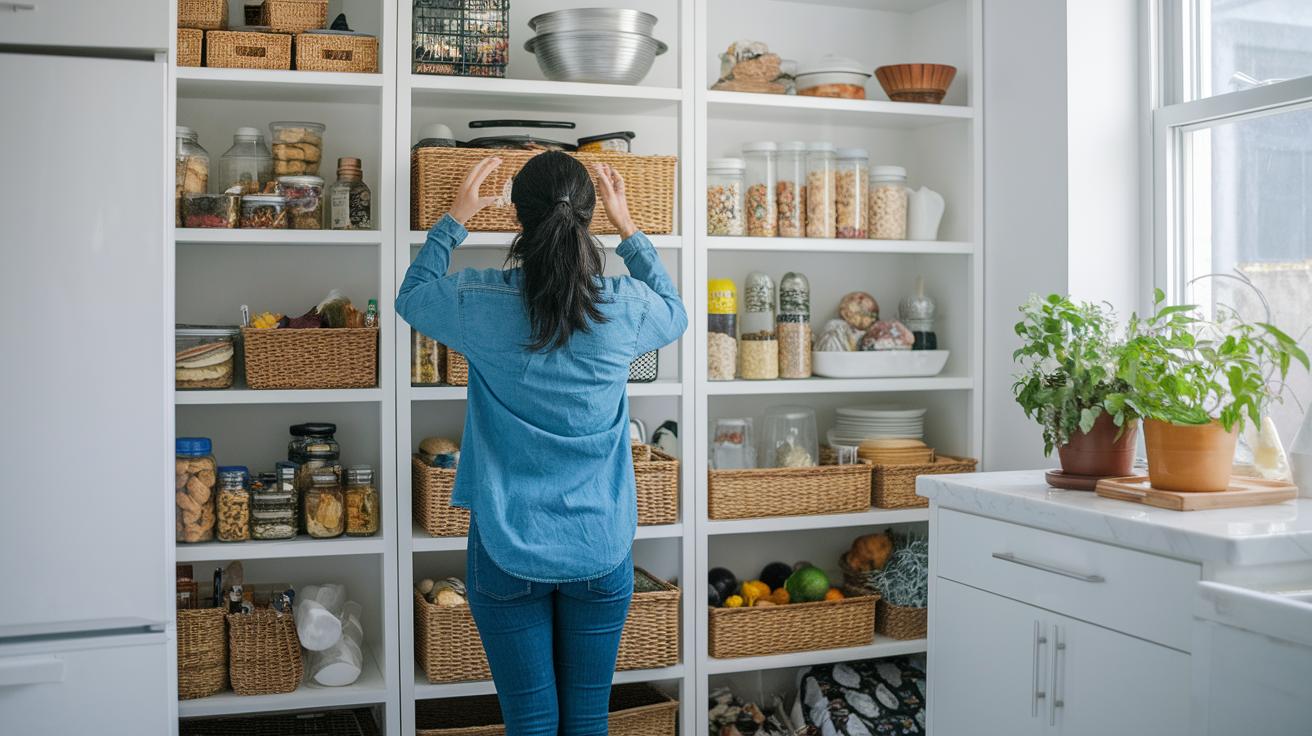
Planning your meals ahead of time can make eating well both easy and wallet-friendly. Take a few minutes to check what’s already in your pantry, fridge, and freezer. This simple step cuts down on waste and stops you from buying what you already have. Also, try having a healthy snack before you head out, it helps curb those spur-of-the-moment purchases that can mess up your budget. Need more ideas? Check out these tips for healthy eating that can change how you shop.
A well-organized shopping trip fills your kitchen with wholesome foods without breaking the bank. Try these practical tips as you plan your next grocery run:
- Look over your current supplies before making a shopping list.
- Grab a healthy snack to keep you satisfied while you shop.
- Write a detailed list organized by the sections of the store.
- Choose whole grains like 100% whole grain bread and pasta.
- Buy fruits and veggies that are in season and on sale, and freeze any extras.
- Compare unit prices to spot the best deals.
These simple habits lead to a smarter, budget-friendly way of eating that keeps your meals nutritious every day.
Meal Planning and Prep Strategies for Healthy Eating
Planning your meals for the week can really set the stage for healthy eating. When you take a little time to decide what you'll have for breakfast, lunch, and dinner, you're the one in control. It means you can watch your portions and choose ingredients that work well together. Plus, planning ahead helps you avoid rushed decisions that might lead to choices that aren’t as good for you. Have you ever tried mapping out your meals? It can turn a hectic day into something a bit more peaceful. For more tips, check out meal planning for healthy eating (https://healthandwealth101.com?p=286).
Using the right tools in the kitchen can also make meal prep fun and efficient. Grab some food containers, labels, and measuring cups to keep everything organized and fresh. Consider cooking proteins like chicken or tofu in a big batch or chopping up veggies in advance. These little steps can really cut down your cooking time on busy nights and keep your kitchen looking neat.
Try starting your week with a simple schedule. Maybe on Monday, cook a big pot of grains like brown rice or quinoa that you can use as a base for several meals. Then on Tuesday, grill some proteins to add heartiness to your dishes. By the time Wednesday rolls around, you can mix your precooked veggies and proteins to quickly assemble tasty and nutritious meals.
Quick, Wholesome Recipes to Help You Eat Healthy
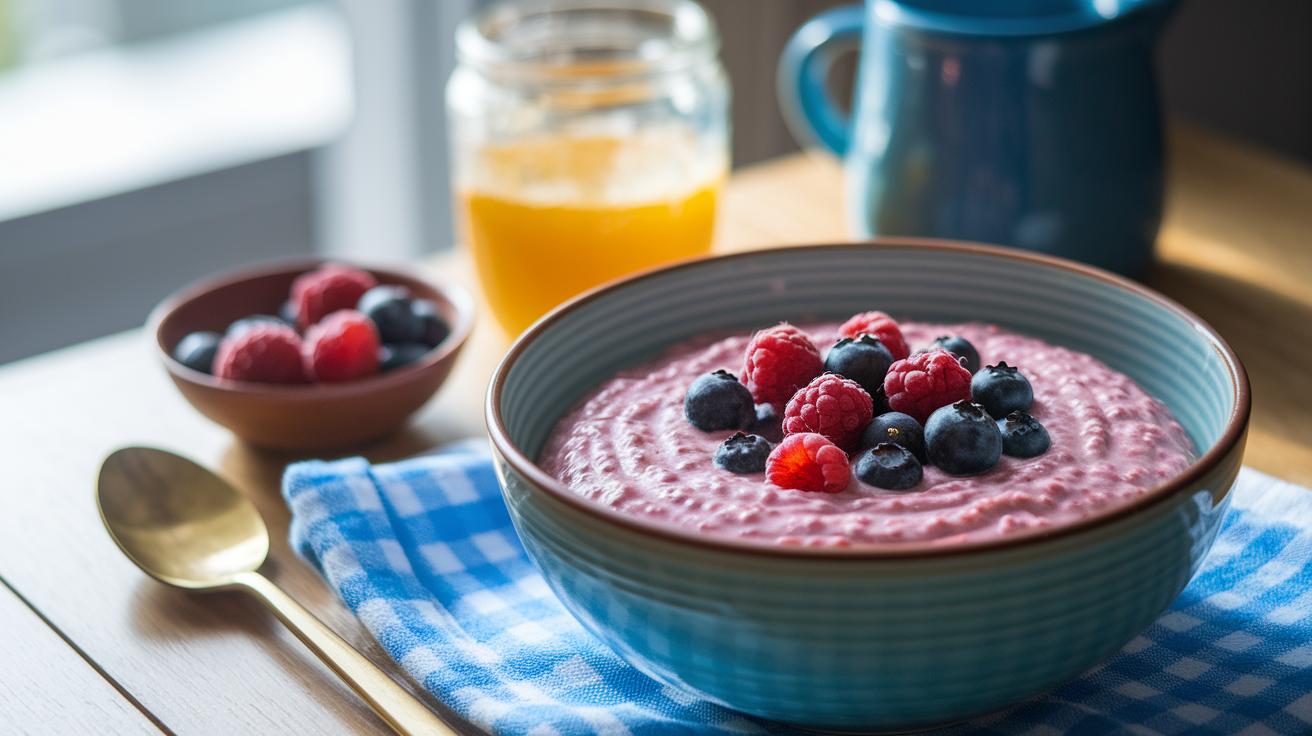
When you choose recipes that highlight fresh ingredients and simple steps, healthy cooking feels like a joy rather than a chore. Swapping out processed foods for whole, natural items not only helps cut down on too much salt, sugar, and unhealthy fats but also fills your meals with valuable nutrients like vitamins from leafy greens, antioxidants from berries, and healthy fats from nuts and seeds. Think about starting your day with a bowl of colorful berry oatmeal or brightening lunch with a tasty chicken stir-fry full of crisp veggies. These easy-to-make dishes celebrate natural flavors and help keep your body feeling balanced and energized all day long.
| Meal | Recipe | Key Ingredients | Prep Time |
|---|---|---|---|
| Breakfast | Berry Oatmeal | Oats, fresh berries, almond milk | 10 min |
| Lunch | Chicken Veggie Stir-Fry | Chicken, bell peppers, broccoli | 15 min |
| Lunch | Quinoa Salad | Quinoa, leafy greens, tomatoes | 20 min |
| Snack | Spinach Smoothie | Spinach, banana, almond butter | 5 min |
| Breakfast | Avocado Toast | Whole grain bread, avocado, lime | 7 min |
| Dessert | Greek Yogurt Parfait | Greek yogurt, honey, mixed berries | 8 min |
If you need to adjust these meal ideas to fit your own diet, small tweaks can make a big difference. For example, swapping out a high-carb grain for extra veggies in your stir-fry or salad can create a lighter dish. And if you’re short on time, cooking in batches means you can enjoy healthy leftovers later. For more ideas, you can look into clean eating breakfast recipes or clean eating lunch recipes to add a dash of creativity to your daily routine.
Portion Control and Smart Snacking for Healthy Eating
Figuring out serving sizes really changes the game when you want to know exactly how much you're eating. Instead of guessing, using a measuring cup or a food scale gives you a clear picture. For instance, rather than estimating a bowl of cereal, measure out 1 cup so you can stay in control. Doing this means you're less likely to eat too much and you'll enjoy steadier energy all day.
Simple tools can make managing portions feel easy and stress-free. Try using visual guides, like picturing a serving of meat as the size of a deck of cards, or divide your meals into small containers ahead of time. Even little steps, such as packing a snack bag with a measured handful of nuts, help you practice mindful eating every time you grab a bite.
When you're on the move, think about snacks that are both quick and balanced. Imagine enjoying a small apple with a few almonds, a single-serving yogurt, or a bag of baby carrots with hummus. These smart choices not only tame cravings but also give your body a steady burst of energy during busy moments.
Adjusting Your Healthy Eating Habits and Tracking Progress

When you plan your meals, think about what fits your body and lifestyle best. For example, if you enjoy a plant-based diet, you might opt for dishes full of beans, greens, and whole grains. Or, if you’d rather cut back on carbohydrates (foods like bread and pasta), try meals with lean proteins and plenty of non-starchy veggies. Tweak your recipes so they match your taste and help you reach your health goals.
Mindful eating means taking your time to enjoy every bite. It helps to keep a simple food journal where you write down what you eat, how you feel, and any changes in your digestion (how your body handles food). This small habit can reveal patterns, like eating too fast or skipping meals, and teaches you which foods let you feel your best.
Keeping track of a few simple details can really help fine-tune your diet. Jot down notes about your energy levels, any shifts in your weight or shape, and how alert or tired you feel after meals. These observations might show you when it’s time to add more fiber (found in fruits and veggies that aid digestion) or adjust your portions. Over time, you can see what foods boost your mood and which ones might leave you feeling sluggish.
Final Words
In the action of putting balanced meals into practice, the article shows clear steps for building a balanced diet plan. We covered planning meals, smart shopping, and practical tips for portion control and snacking that help lower stress and boost physical fitness.
By trying these straightforward methods, you can see measurable progress. Every tip reminds you how to eat healthy can improve your energy and overall quality of life. Keep testing new ideas and stay positive, you’ve got this.
FAQ
How to eat healthy book?
The phrase “how to eat healthy book” refers to a guide that explains making balanced meals, managing portions, and adopting practical tips to maintain a nutritious diet for energy and overall wellness.
How to eat healthy to lose weight?
The idea of eating healthy to lose weight means choosing balanced meals with lean proteins, whole grains, fruits, and vegetables to support weight loss while keeping energy levels steady throughout the day.
How to eat healthy food everyday, for beginners, and how do I start eating healthier?
The approach to eating healthy every day starts with simple steps like planning balanced meals, including all food groups, and making gradual changes to energy intake, perfect for beginners building lasting habits.
How to eat healthy on a budget?
The strategy for eating healthy on a budget involves planning meals ahead, checking your pantry first, and using smart shopping tips like comparing prices and choosing seasonal produce to stretch your dollars further.
What are the 20 benefits of healthy eating and overall healthy eating benefits?
The benefits of healthy eating include improved energy, balanced weight management, enhanced digestion, a stronger immune system, clearer skin, mental clarity, better heart health, and reduced chronic-disease risk, among other advantages.
How to eat healthy and gain weight?
The plan to eat healthy and gain weight focuses on including nutrient-rich, calorie-dense foods like lean proteins, whole grains, healthy fats, and fruits and vegetables to build muscle while increasing overall calorie intake.
What is the #1 healthiest food to eat?
The notion of the “#1 healthiest food” often points to nutrient-packed leafy greens, such as spinach or kale, because they deliver a concentrated source of vitamins, minerals, and fiber beneficial for overall well-being.
What are 10 ways to eat healthy?
Ten ways to eat healthy include creating balanced meals, planning weekly menus, practicing portion control, selecting whole foods, limiting added sugars, cooking at home, using smart shopping, incorporating lean proteins, staying hydrated, and enjoying a variety of fruits and vegetables.
What is the 5 2 1 0 rule?
The 5 2 1 0 rule advises consuming five servings of fruits and vegetables daily, limiting screen time to two hours, engaging in at least one hour of physical activity, and avoiding sugary drinks to promote overall health.