Have you ever wondered if ancient herbs might really make you feel better? Traditional Ayurvedic medicine offers natural ways to ease stress, help your digestion (the process by which your body breaks down food), and boost your immune system (your body’s defense against illness).
In this guide, we'll chat about easy herb remedies and share simple tips on how to use them safely. You'll get clear advice on how much to use, what benefits to expect, and any common side effects.
With this trusted information, you can confidently add these herbal helpers into your daily routine. It’s all about taking small steps toward a calmer, healthier life using time-tested wisdom.
ayurvedic medicine list: Elevate Your Well-being
This comprehensive guide to Ayurvedic remedies offers trustworthy info for both researchers and anyone who loves taking care of themselves. It breaks popular herbal treatments into everyday details like how much to take, what benefits to expect, and common side effects. This clear approach shows how natural herbs can help with things ranging from easing stress to boosting immunity.
This handy catalog makes it easy to weave ancient Ayurvedic wisdom into your daily routine. With simple notes on each herb, you can safely try them out and choose what works best for you. Whether you're looking for stress relief or better digestion, knowing each remedy's strengths can really enhance your wellness journey.
| Medicine Name | Category/Ailment | Primary Benefit | Typical Dosage | Common Side Effects |
|---|---|---|---|---|
| Ashwagandha | Stress Relief | Reduces stress and anxiety | 500 mg twice daily | Mild digestive upset |
| Tulsi | Immunity | Boosts immune function | 300-500 mg daily | Rare allergic reactions |
| Triphala | Digestion | Promotes gut health | 1 tsp at bedtime | Mild laxative effect |
| Turmeric | Inflammation | Anti-inflammatory, antioxidant | 500-1000 mg daily | Upset stomach |
| Neem | Skin Health | Clears skin issues | 250-500 mg daily | Bitter taste; possible stomach upset |
| Amla | Vitamin C | Supplies antioxidants | 500 mg daily | Rare digestive discomfort |
| Brahmi | Cognitive | Enhances memory and focus | 250-500 mg daily | Sleepiness in high doses |
| Shatavari | Women’s Health | Balances hormones | 500 mg twice daily | Mild gastrointestinal upset |
| Guggul | Cholesterol | Helps lower cholesterol | 25-50 mg daily | Headaches, rash |
| Giloy | Immunity | Strengthens immune system | 250-500 mg daily | Possible gastrointestinal upset |
| Haritaki | Detox | Aids in detoxification | 500 mg daily | Possible mild diarrhea |
| Gokshura | Urinary | Supports urinary tract health | 500 mg daily | Mild stomach upset |
For more details on natural solutions, check out herbal remedies.
Think of this master catalog as your launchpad for more research and personalized self-care. It can guide your journey while you work with experts to pick the best remedies for your unique needs.
Dosha-Specific Ayurvedic Medicine List for Vata, Pitta, and Kapha

Ayurveda shows us that our health is linked to our body’s natural energies, known as doshas. We all have a blend of Vata, Pitta, and Kapha, and these energies affect how we feel both physically and mentally. Using herbs that match your dosha can help you stay balanced and feel better overall.
Vata Remedies
• Ashwagandha: This herb can help ease stress and bring a sense of calm.
• Shatavari: It supports reproductive health and helps keep your mood steady.
• Gotu Kola: Known for enhancing blood flow and sharpening your thinking.
Pitta Remedies
• Guduchi: This herb works to cool your body and reduce swelling (inflammation).
• Neem: It refreshes your skin and clears out toxins.
• Amla: Packed with antioxidants, it helps maintain smooth digestion and keeps your tummy happy.
Kapha Remedies
• Guggul: This herb boosts metabolism and helps keep cholesterol levels in check.
• Trikatu: It aids digestion and can boost your energy levels when you need a pick-me-up.
• Black Pepper: It supports healthy digestion and improves circulation.
When choosing these remedies, it’s smart to figure out which dosha is most dominant in you. Chatting with a knowledgeable practitioner can help tailor these herbal choices to fit your body perfectly. This thoughtful approach ensures you’re using the herbs safely and effectively to support long-term balance and overall wellness.
Ayurvedic Medicine List Usage Guidelines and Dosage Instructions
When you’re using Ayurvedic medicines, it helps to pick the right type that fits your daily routine and health needs. These medicines come in many forms like powders, decoctions (herbal infusions), and capsules. For instance, you might mix a powder in warm water to make it easier on your stomach, while decoctions involve simmering herbs to draw out their goodness. Knowing these different forms can really help you get the benefits you want and keep your routine steady and supportive of overall wellness.
It’s also important to prepare your herbs carefully. Always measure out your herbs in small, controlled amounts and stick to traditional timing so your body can absorb the benefits properly. Start with a tiny dose to see how your body reacts, and then slowly increase your dose over time. Remember, a steady, small change can make a big difference.
| Medicine | Form | Dosage |
|---|---|---|
| Ashwagandha | Capsule | 500 mg twice daily |
| Triphala | Powder | 1 tsp at bedtime |
| Tulsi | Decoction | 300 mg once daily |
| Neem | Capsule | 250 mg daily |
| Turmeric | Powder | 500 mg daily |
Keep an eye on how you feel after taking these medicines. If you notice any unusual reactions, like a little upset stomach or a mild headache, it might be a sign to slow down or take a break. And if things really start to bother you, it’s a smart idea to pause and chat with a healthcare professional about possibly adjusting your dose or trying something else.
Ayurvedic Medicine List for Common Ailments and Disease Treatment Methods
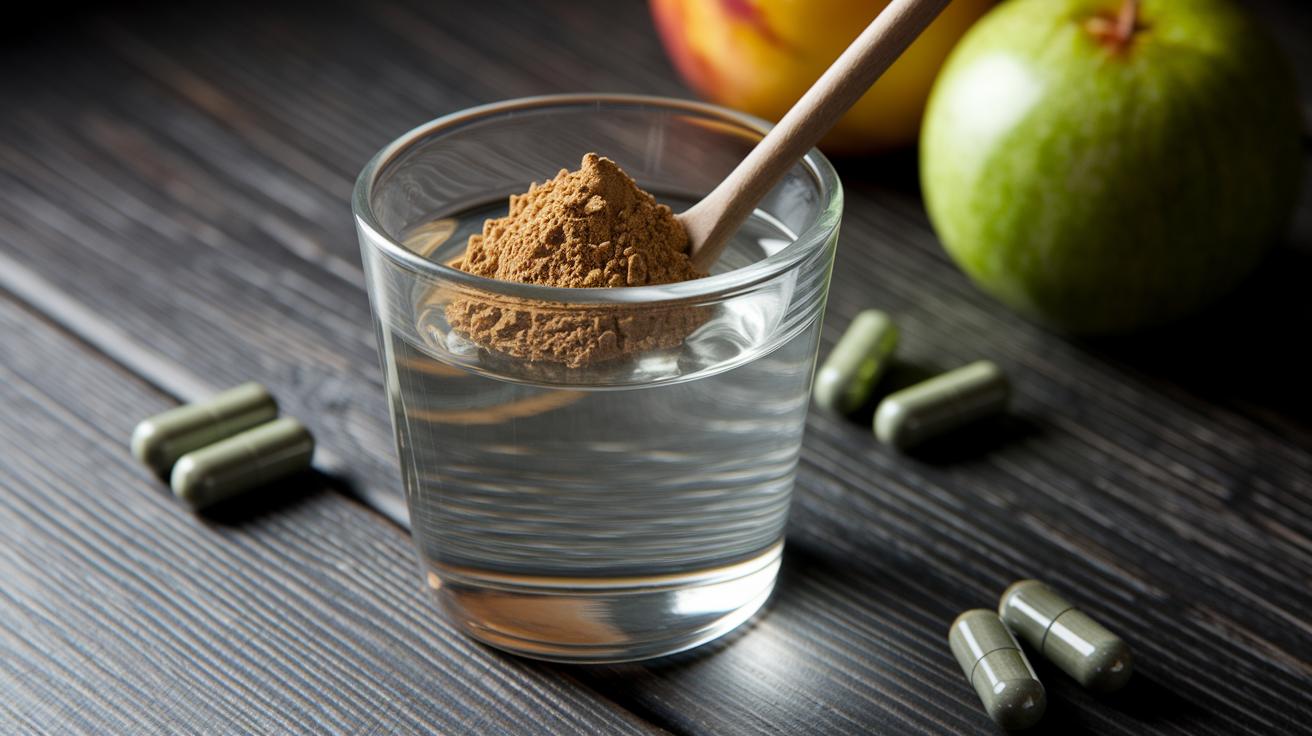
Ayurvedic treatments combine natural ingredients and age-old wisdom to help your body stay balanced. You can take these herbs as powders, capsules, or decoctions in the amounts listed below for a gentle routine.
• Gut Health – Triphala: Mix 1 teaspoon of Triphala powder into warm water at night to help with digestion and keep your bowel movements regular.
• Cholesterol – Guggul: A 25-50 mg capsule taken daily can help manage cholesterol levels.
• Joint Health – Boswellia: A capsule with 300-500 mg daily may ease joint discomfort and support smooth movement.
• Skin Health – Neem: Whether taken as a capsule or a decoction, 250-500 mg daily can soothe skin issues and brighten your complexion.
• Cognition – Brahmi: A daily capsule of 250-500 mg supports clear thinking and memory.
Ailment-Specific Guidelines
| Ailment | Herb | Dosage | Preparation and Form |
|---|---|---|---|
| Gut Health | Triphala | 1 teaspoon | Powder mixed into warm water at bedtime |
| Cholesterol | Guggul | 25-50 mg daily | Capsule |
| Joint Health | Boswellia | 300-500 mg daily | Capsule |
| Skin Health | Neem | 250-500 mg daily | Capsule or decoction |
| Cognition | Brahmi | 250-500 mg daily | Capsule |
Take these herbal remedies one step at a time while paying attention to how your body reacts. For example, try Triphala first: before bed, stir 1 teaspoon of the powder into warm water and sip it slowly. Adjust your routine gradually and chat with a trusted health expert if you have any questions.
Ayurvedic Medicine List: Natural Medicine Pricing and Product Range Overview
Have you ever noticed how different factors can change the price of Ayurvedic medicines? The type of medicine, the purity of its ingredients, and even the way it’s made all affect how much you pay. For example, powders, decoctions, and extracts each come with their own price differences because of variations in flavor, strength, and the cost to prepare them. Plus, if you’re choosing products from premium GMP brands (those that follow extra strict quality rules), expect to spend about 20% more. It really pays off to look for clear labels and honest pricing when making your choice.
| Preparation Type | Price Range | Recommended Source |
|---|---|---|
| Powders | $10–20 per 100 g | Local pharmacies |
| Decoctions | $15–25 per 200 ml | Vetted online retailers |
| Extracts | $20–40 per 60 capsules | Reputable herbal shops |
| Premium GMP Brands | ~20% higher | Certified suppliers |
| Bundles | Varies by product | Well-known online markets |
When you’re picking out Ayurvedic products, it’s smart to check for proper certifications and take note of the seller’s reputation. Reliable vendors provide clear details about their quality checks and how they source their ingredients. Look at product reviews and certifications to ensure you’re choosing an option that fits both your well-being goals and your budget.
Ayurvedic Medicine List: Panchakarma Treatment Guide and Protocols

Panchakarma is a natural detox process that helps clear out toxins and bring your body back into balance. Think of it as a gentle reset that prepares your body for deeper healing while boosting your overall well-being.
Imagine starting with a warm, cleansing routine that works in steps. First, there’s Vaman, which uses controlled vomiting to help clear toxins from the top part of your digestive system. Then comes Virechana. This step uses a natural purgation method to clean out waste from your intestines. Next is Basti, where medicated enemas help flush away impurities from the lower colon. After that, Nasya involves putting herbal oils into your nostrils to clear up sinuses and give your mind a fresh boost. Lastly, Raktamokshana uses a careful bloodletting process to purify your blood and restore balance in your energy.
Before these main treatments, most people go through two important pre-steps. Snehana is an oil treatment, either through massage or taking oil internally, that helps loosen up stubborn toxins. Right after, Swedana uses gentle heat or steam to open up your body’s channels, setting the stage for detox.
Once the cleansing is done, a blend of herbs and a special post-care diet kick in to support your recovery. These mild herbal supplements help your digestion, refill lost nutrients, and keep the balance steady for the long run.
Historical Remedy Insights: Evolution of the Ayurvedic Medicine List
For over 5,000 years, Ayurveda has been a trusted guide in natural healing. Key texts like the Charaka Samhita and Sushruta Samhita laid out the early recipes for wellness. These writings list more than 700 formulas and explain how to assess herbs using ideas like rasa (taste), guna (quality), virya (strength), vipaka (after-effects of digestion), and prabhava (special impact). This clear method helped healers choose the right herbs for the body’s needs.
Ancient practitioners also gathered plant wisdom from local tribal communities. They mixed these insights with their own knowledge to create a rich herbal guide that has been passed down through generations. This careful blend of tradition inspires today’s research in natural medicine.
- Around 1500 BC, oral traditions shared basic herbal remedies.
- The Charaka Samhita was compiled with detailed medicinal recipes.
- The Sushruta Samhita recorded both surgical techniques and herbal formulas.
- A systematic classification using rasa, guna, virya, vipaka, and prabhava was developed.
- Tribal plant knowledge was added to enrich the medicinal compendium.
Today, these ancient ideas help shape modern research by blending traditional Ayurvedic wisdom with current scientific insights. Isn’t it fascinating how age-old remedies continue to light the way for natural healing?
Final Words
In the action, we explored a detailed ayurvedic medicine list, covering herbal formulations, dosha-specific remedies, safe dosage guidelines, and cost comparisons.
Small sections shed light on preparation methods, common side effects, and historical insights that anchor these remedies in time-tested traditions.
Each part helped break down complex topics into clear, practical advice.
This thorough look offers a solid foundation for making informed choices as you embrace natural wellness with confidence.