Have you ever thought that the food you eat might lift your spirits and boost your energy? A balanced diet is more than a fad, it’s the fuel that powers your day. Imagine your body running like a well-tuned engine. When you enjoy fruits, vegetables, lean proteins, whole grains, and healthy fats, every part of you gets exactly what it needs. This mix of nutrients supports your body’s natural repair, keeps you moving, and even sharpens your mind.
Read on to see how these simple changes can transform your overall well-being.
What defines a balanced diet for healthy eating success
A balanced diet is like a roadmap for fueling your body with the right mix of foods. It brings together fruits, veggies, proteins, grains, dairy, and healthy fats to give you the nourishment you need. When you choose whole, natural foods, you're supporting your muscles, repairs, and all the little tasks your body performs every day. Ideally, most of your calories should come from nutrient-rich sources like vibrant vegetables and whole grains, where you keep the good parts intact.
Keeping your calorie balance is key since calories power every move, from a simple walk to deep thinking or even breathing. By mostly choosing nutrient-packed foods, you give your body the energy it needs to keep moving and thriving. Let’s break down the main food groups and see what each brings to the table:
- Fruits: They offer vitamins, fiber, and a natural touch of sweetness.
- Vegetables: They pack in antioxidants and essential nutrients.
- Grains: They provide steady energy and important fiber.
- Proteins: They help build and repair your muscles and tissues.
- Fats: They support hormone balance and help your cells function properly.
It’s a good idea to talk with a dietitian who can help you fine-tune your plan to fit your personal needs. One expert even said, "Personalized guidance is key to forming a solid wholesome nutrition plan that fits your unique needs." For more healthy eating tips, be sure to explore practical strategies that work for you.
Breaking down macronutrient roles in a balanced healthy eating plan
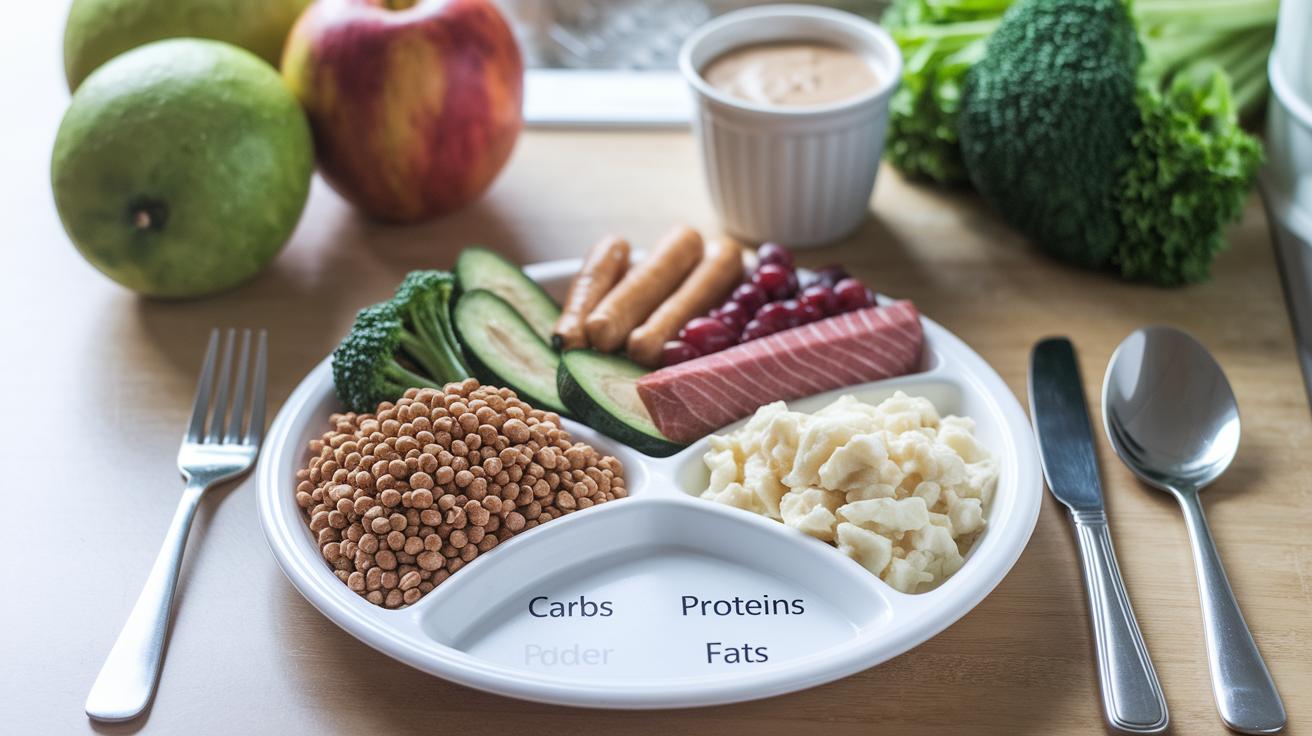
Think of your body like a well-tuned machine, it needs the right fuel to run at its best. When you plan your meals, mixing carbs, proteins, and fats in the right way is key to keeping your energy up and your body strong. Carbs from whole grains offer steady energy and a good dose of fiber, while proteins from meats, beans, nuts, and soy help repair tissues and keep your muscles in shape. Meanwhile, healthy fats from unsaturated oils, nuts, and avocados support hormone balance and smooth cell function. Balancing these elements creates a solid meal plan that not only fuels you throughout the day but also makes your body run smoothly.
| Nutrient | Primary Role | Key Sources |
|---|---|---|
| Carbs | Fuel your body with energy and fiber | Whole grains, brown rice, oats |
| Proteins | Repair muscles and tissues | Meats, beans, nuts, soy products |
| Fats | Keep hormones balanced and cells healthy | Unsaturated oils, nuts, avocados |
When you plan your day’s meals with these nutrients in mind, it’s easier to adjust your portions according to your energy needs, whether you're whipping up dinner at home or grabbing a quick bite. Experiment with different foods and serving sizes to find the right mix, and you might be surprised at how good it feels to take charge of your health.
Leveraging fresh produce advantages and home-cooked meal benefits for healthy eating
Fresh fruits and veggies give your body a big boost, unlike processed snacks. By picking fresh produce, you choose foods that help keep sickness, tiredness, and low energy away. Seasonal fruits and vegetables taste better and usually carry more vitamins and minerals. Cooking at home keeps these important nutrients intact and cuts down on the extra additives often found in store meals. Imagine slicing a crisp apple on a cool morning and feeling great knowing you’re feeding your body with nature’s best.
- Early Spring: Enjoy crisp peas with a natural touch of sweetness.
- Late Spring: Relish strawberries that burst with flavor and vitamins.
- Early Summer: Try cherries to add a pop of color and a quick nutrient boost.
- Mid Summer: Enjoy juicy tomatoes that are full of antioxidants (substances that help protect your cells).
- Early Fall: Savor apples that bring plenty of fiber and essential nutrients.
- Mid Fall: Dive into pumpkins, rich in vitamins for a fresh fall feel.
- Winter: Bite into citrus fruits that give you a healthy helping of vitamin C.
Home cooking not only reduces processed foods but also saves money. Changing your menu to use seasonal produce brings fresh flavors and a balanced mix of nutrients to your meals. When you cook at home, you protect vitamins and minerals from damage by high heat or long storage, making sure every bite is full of nature’s goodness.
Balanced Diet Healthy Eating: Boost Your Vitality
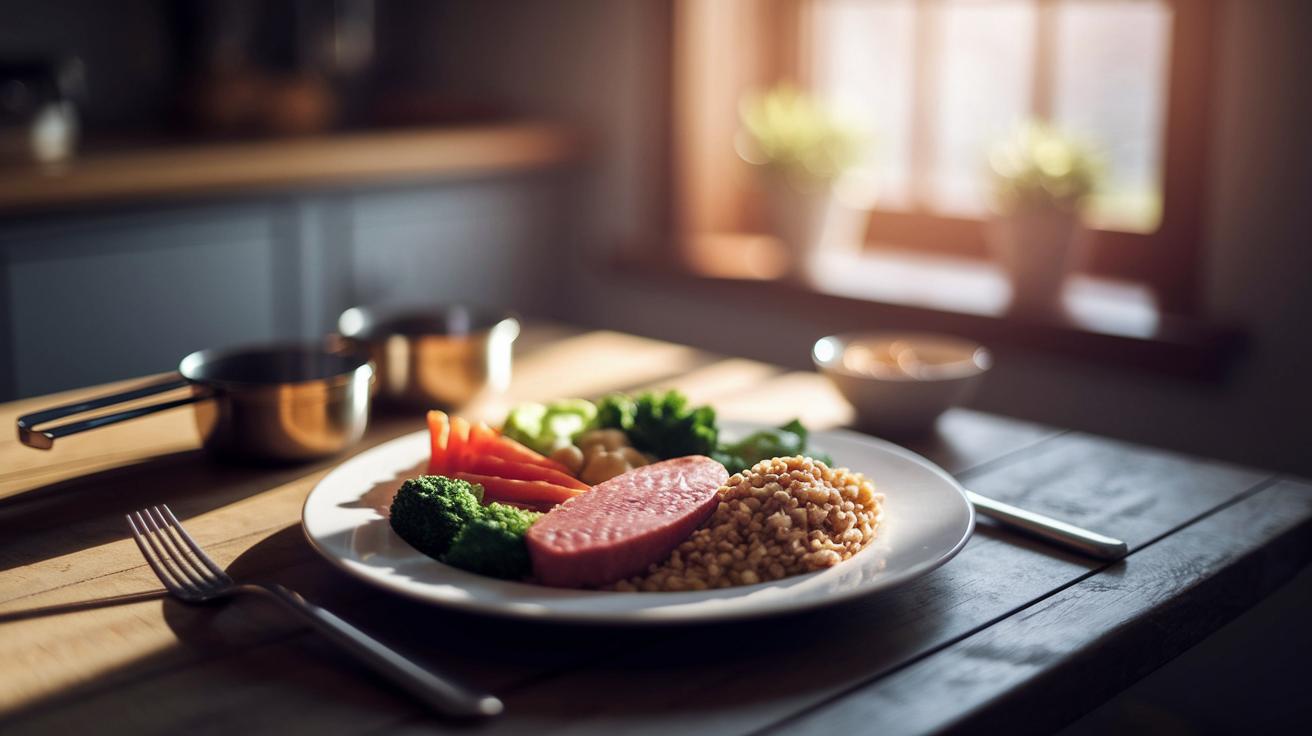
A balanced meal plan helps you feel energized and keeps your portions just right. Imagine half your plate filled with colorful veggies, a quarter with lean protein, and the remaining quarter with grains, a friendly reminder of how to keep things balanced. This clear picture makes it easier to stick with a nourishing plan that supports steady energy and healthy weight.
Having a routine meal structure can really change how you eat. When you set regular meal times and use simple tools like measuring cups or scales, you're crafting a meal blueprint that fits your lifestyle perfectly. Even small changes, like using a smaller plate or taking a moment to really savor each bite, can make a big difference in how you feel after eating.
Here are a few tips to help you along the way:
Remember, it's okay to make adjustments over time. Experiment with these ideas, and if you need a bit more guidance, talking to a professional can help ensure your plan continues to work well for you.
Quick nutrient-packed recipes and grocery planning for balanced diet healthy eating
Life can get really busy, and quick recipes can be a real lifesaver. When you prepare meals at home, you avoid too many processed foods while keeping great taste and plenty of vitamins intact. Home cooking not only saves you money compared to takeout but also preserves the natural benefits of your food. With a few handy recipes, you can create dishes that boost your energy even on hectic days.
Here are some ideas to try:
- Overnight oats
- Stir-fry bowls
- Sheet-pan dinners
- Mason-jar salads
- Protein-packed smoothies
- One-pot soups
| Ingredient List | Prep Time | Key Nutrient |
|---|---|---|
| Oats, berries, almond milk | 5 minutes | Fiber and antioxidants |
| Mixed vegetables, tofu, soy sauce | 15 minutes | Protein and vitamins |
| Chicken, bell peppers, quinoa | 20 minutes | Lean protein and fiber |
| Legumes, spinach, tomatoes | 10 minutes | Iron and energy |
Smart grocery shopping can make a big difference in your healthy eating routine. Start by putting together a shopping list filled with a mix of fruits, vegetables, lean proteins, whole grains, and healthy fats. Not sure where to begin? You might want to explore meal planning tips for healthy eating. And tools like a recipe nutrition calculator can help you adjust ingredients and portion sizes as needed. With these recipes and a thoughtful grocery plan, you can save time, cut costs, and enjoy meals that are both quick and nutritious.
Balanced Diet Healthy Eating: Boost Your Vitality
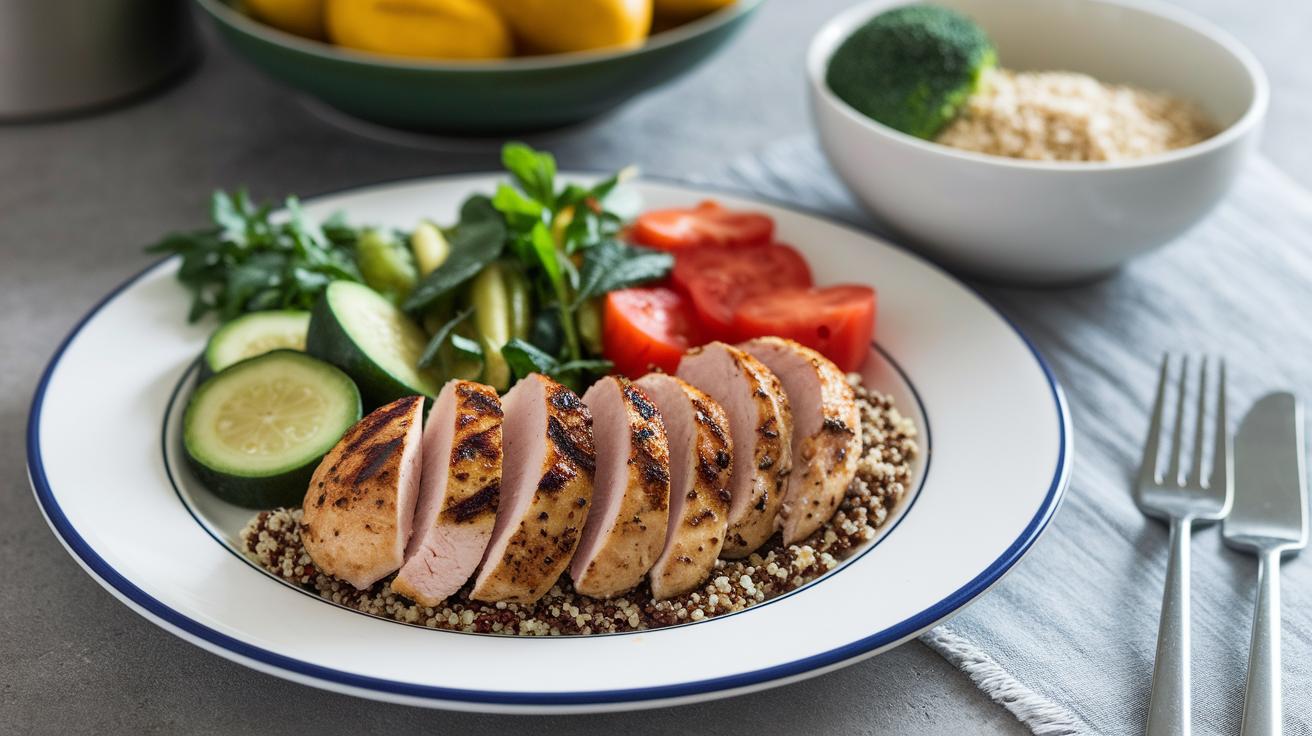
The classic balanced plate isn’t stuck in stone, you can tweak your portions and meal timing to match your health goals. If you’re looking to manage your weight, load up your plate with lean proteins like grilled chicken, lots of colorful veggies, and a small serving of whole grains. Think of a fresh salad tossed with a light drizzle of olive oil. After a workout, treat yourself to a meal that helps your muscles recover by including a bit more protein and some good carbohydrates in about a 3:1 ratio, like a lean steak paired with quinoa and steamed broccoli.
A light post-workout snack, such as a shake made with whey protein (a type of protein derived from milk) and fresh fruit, can really aid your recovery. And for breakfast, try something that’s rich in fiber and fermented foods, imagine a bowl of yogurt mixed with berries and a sprinkle of flaxseed, to support your gut health. Mix things up with seasonal and culturally inspired recipes to keep your meals fresh and exciting. For a bit of extra help, you might consider using a healthy eating grocery list and tracking your progress with a free nutrition tracking app.
Final Words
In the action, we explored what makes a balanced diet for healthy eating work. We looked at key nutrition groups, how macros play a role, and the perks of eating fresh produce and home-cooked meals. Practical tips like visual portion guides and quick, nutrient-packed recipes were shared to help simplify meal planning. Following a balanced diet healthy eating path can boost physical fitness, manage stress, and support everyday well-being. Every small change helps build a healthier tomorrow.
FAQ
What defines a balanced diet for a healthy diet?
A balanced diet means including a mix of fruits, vegetables, grains, proteins, and healthy fats. This eating plan supports energy, body repair, and overall wellness by delivering essential nutrients.
What should be on a balanced diet food list?
A balanced diet food list features colorful fruits, fresh vegetables, whole grains, lean proteins from animals or plants, low‐fat dairy or alternatives, and healthy fats like nuts and avocados to keep you nourished.
What are healthy foods to eat every day?
Healthy everyday foods are crisp vegetables, fresh fruits, whole grains, lean proteins like fish or tofu, and modest dairy or healthy oils, which work together to boost energy and support overall well-being.
How can I use a balanced diet chart or follow a 7-day healthy eating plan?
A balanced diet chart offers a visual breakdown of food groups per meal, while a 7-day eating plan provides daily meal ideas. Both simplify meal planning and help maintain consistent nutrition.
What are the 7 essential components of a balanced diet?
The seven essential components include fruits, vegetables, grains, proteins, dairy, healthy fats, and water. Each element provides key vitamins, minerals, energy, and hydration for proper body function.
What is considered the #1 healthiest food to eat?
The #1 healthiest food is often considered leafy greens because they are packed with vitamins, minerals, and antioxidants that promote overall health and support body functions.
What are 5 examples of balanced diet meals?
Five balanced meal examples are a fruit and yogurt breakfast, a veggie salad with lean protein, whole grain pasta with mixed vegetables, a stir-fry with tofu and brown rice, and a snack pairing nuts with fresh fruit.