Do you ever feel like stress is just too much? Imagine taking a few quiet minutes to let your racing thoughts slow down and bring a little brightness back to your day. Mindfulness meditation is like a reset for your mind, it calms your body, clears your thoughts, and helps you focus better. Even a short session can help lower your stress and improve your sleep, almost like you’re slowly building up a strong mental muscle. In this article, we’ll look at how this simple practice can bring joy and inner strength, making the little challenges of everyday life a bit easier to manage.
Key Benefits You Gain from Mindfulness Meditation
Mindfulness meditation can help lower stress and ease anxious thoughts, giving your mood a little boost. Many people find that just a few minutes a day helps them sleep better and sharpen their focus. Try closing your eyes and taking slow, deep breaths. Notice how a sense of calm takes over as your heart rate steadies. It’s like building a mental muscle that makes facing everyday challenges a bit easier, similar to how lifting weights gradually builds physical strength. Plus, it can make you feel better about yourself and help reduce those moments of overwhelm.
Starting mindfulness meditation is really simple. You don’t need a special room or fancy equipment, a quiet space for a few minutes is enough. Whether you’re at home on a break or in a busy office, taking a moment for mindful breathing can clear away mental clutter and boost your overall well-being. Even a short session can leave you feeling more centered, relaxed, and ready to tackle the day’s challenges.
Mental Health Perks of Mindfulness Meditation
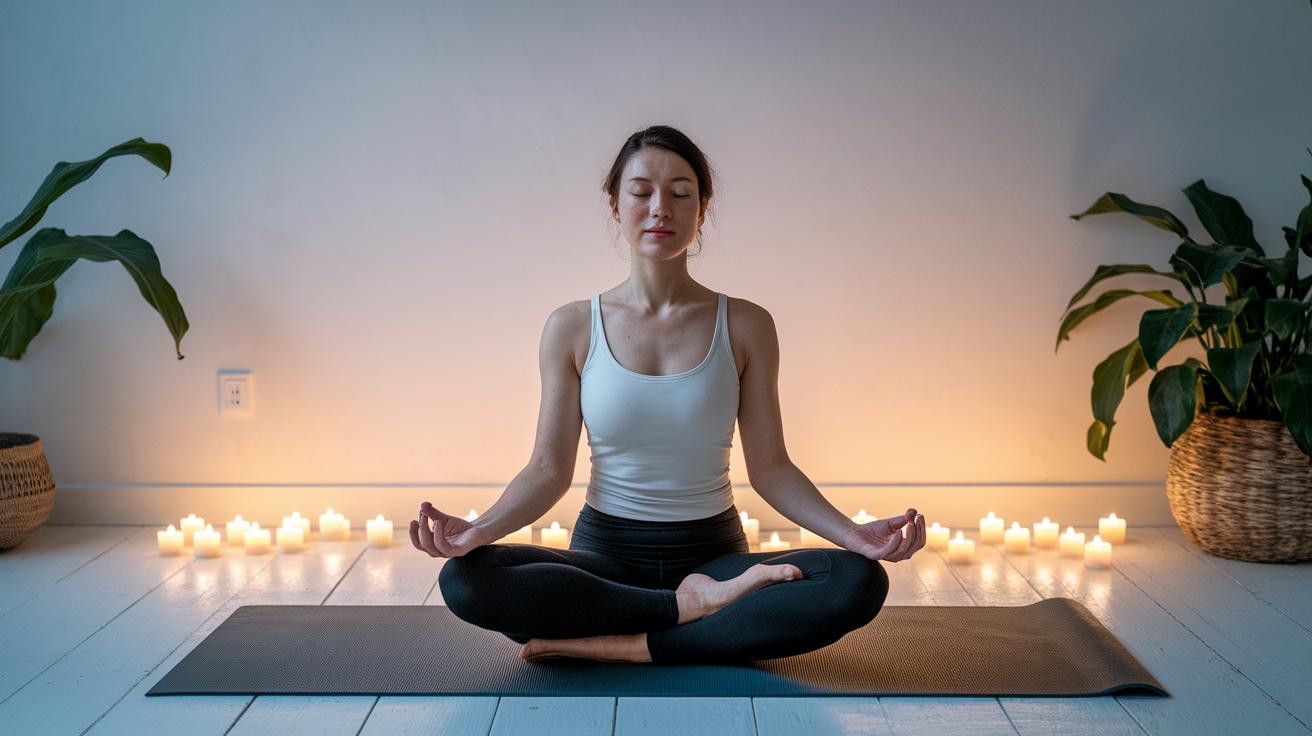
Meditation acts like a reset button for your overworked mind. Research shows that even a few minutes each day can ease your anxiety and cut down on stress, giving your mood a welcome boost. Think of it as a mini-vacation for your head, a chance to clear the clutter and regain balance. This calmness builds a strong base for managing everyday challenges with a steadier mindset.
- It lowers cortisol levels (a stress hormone) and helps you react more calmly to pressure.
- It eases anxiety and reduces that nagging, persistent worry.
- It steadies your mood and keeps your emotions in check.
- It heightens your self-awareness, helping you build a positive self-image.
- It fosters a sense of compassion, both for yourself and those around you, if you're curious, check out this link on self compassion meditation for more insights.
Over time, mindfulness builds a kind of emotional resilience that lets you handle stress better. When you practice regularly, even the small stresses of daily life start to lose their sting. This habit not only lifts your outlook but also nurtures gentle self-kindness that spills over into warm, supportive interactions with others. Imagine having a quiet, reliable tool in your pocket that you can turn to whenever things get tough, a practice that steadily builds inner strength and clarity, making you feel more grounded, confident, and ready for whatever life may bring.
Benefits of Mindfulness Meditation Spark Joy
Recent research shows that mindfulness meditation can really boost your sleep. Back in 2014, one study found that meditation helped people sleep longer and eased their insomnia. Even a few minutes of quiet time each day can calm a busy mind, making it simpler to fall asleep and enjoy a deeper rest.
Imagine winding down with a short meditation session before bed. It can gently shift your mind from dealing with daily stress to embracing a peaceful mood. You might even pair this practice with some calming mindfulness music (https://fitandglossy.com?p=991) to set the stage for a restorative night's sleep.
But that’s not all, it also does wonders for your body. Regular meditation can lessen aches by making pain feel less sharp and by easing muscle tension. It can help lower blood pressure (that is, reduce the load on your heart) much like a gentle cool-down after exercise.
A brief session after a long day can work like a natural remedy, soothing tired muscles and giving you a lighter, refreshed feeling. Taking just a moment to pause and breathe deeply not only calms your body but also recharges your energy for the next challenge. Every mindful moment helps keep you balanced and ready for what comes next.
Research-Backed Outcomes of Mindfulness Meditation
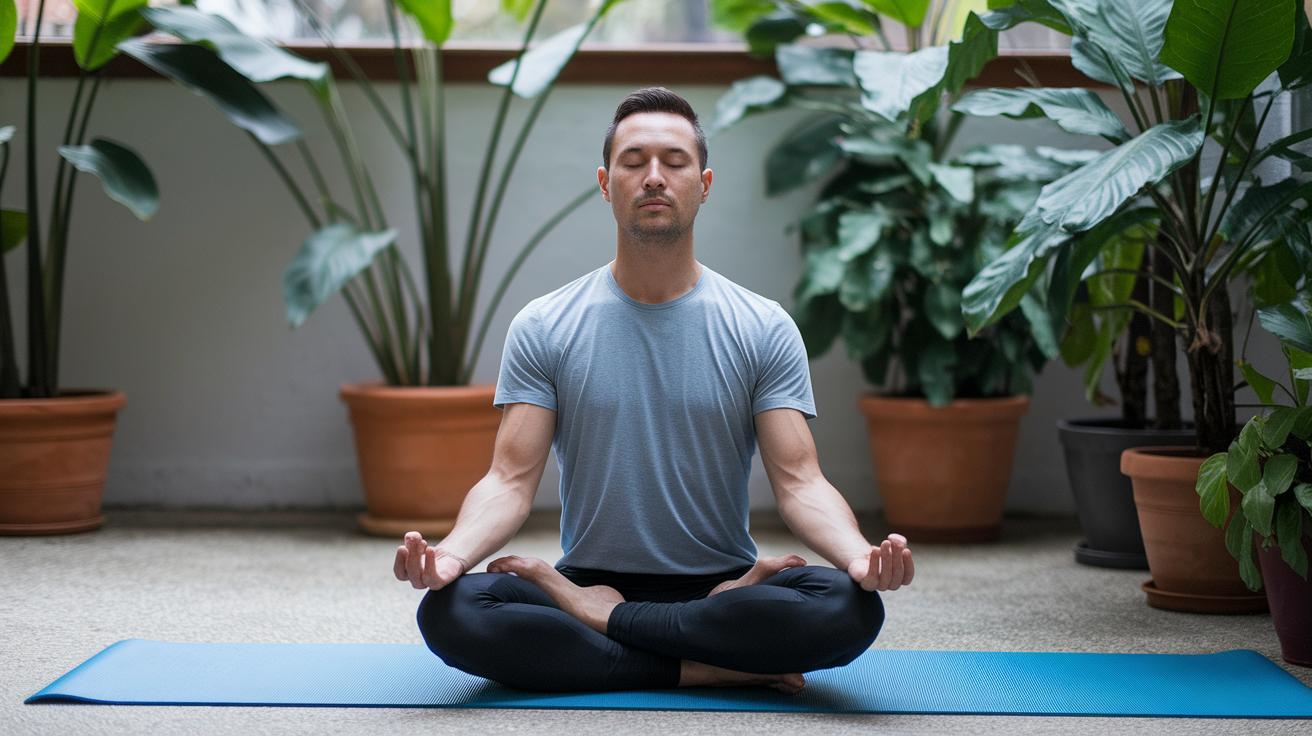
Recent studies show that mindfulness meditation can help clear your mind and boost overall brain function. Think of it like exercising your brain: just as lifting weights strengthens your muscles, focusing your mind regularly builds your concentration and mental stamina.
Research has found that meditating can ease insomnia and help you sleep longer. For example, a well-known study in 2014 discovered that people who practiced mindfulness experienced fewer troubles with sleep and felt more rested. Have you ever noticed how getting a good night’s sleep can change your whole day?
Other studies suggest that meditation helps keep your mind sharp as you age, making it a simple way to fight off memory loss. When you make meditation a daily habit, you could see real changes in how well you sleep and how clearly you think.
| Study / Year | Benefit Area | Key Finding |
|---|---|---|
| Mindfulness-Based Sleep Study (2014) | Sleep / Insomnia | Increased sleep duration; ↓ insomnia severity |
| Focused Attention Research | Concentration | Enhanced attention span; improved cognitive endurance |
| Memory Preservation Studies | Age-Related Memory | Improved mental clarity; potential mitigation of memory decline |
Mindfulness Meditation Techniques for Effective Practice
Mindfulness meditation gives you a few easy ways to calm your mind and feel better. Even a short, daily session can help clear your thoughts and lower stress. You can start with simple exercises that help you focus your attention, coordinate your breathing, or relax your body part by part. For a clear step-by-step guide, check out our instructions on how to do mindfulness meditation.
Focused Attention Meditation
This method is all about zeroing in on one simple thing, like the feel of your breath or a gentle sound. By sticking to one point, you build mental strength and push away distracting thoughts. Try sitting quietly and noticing how your chest slowly rises and falls with each breath. It’s a bit like practicing a musical instrument, steady work helps you improve over time.
Mindful Breathing Exercises
Mindful breathing means paying close attention to every inhale and exhale. Begin by counting your breaths as you slowly draw air into your lungs using diaphragmatic breathing (that’s when you use the main muscle for breathing). Feel the cool air when you breathe in and the warm air as you breathe out. This practice keeps you tied to the present moment and helps smooth out your stressful feelings.
Body Scan Relaxation
In this exercise, you gently move your focus from one part of your body to another to let go of tension. Start at your toes and slowly move up, noticing any tight spots along the way. For example, take a moment to relax your calves, then your thighs, and continue until you reach your head. This step-by-step process helps you find and ease muscle tension, leading to deep relaxation.
Integrating Mindfulness Meditation into Daily Life

Ever feel swamped at work or during study sessions? One easy way to help is by taking small mindful breaks throughout your day. For instance, one employee set up a routine at a small firm: a quiet two-minute breathing break at 10:30 AM in a cozy office corner and another similar pause after lunch. One student even shared that spending a few minutes in a calm library nook, with a quick guided visualization before a tough class, helped clear their mind. Isn’t it amazing how a brief pause can reset your focus?
Here’s a simple tip: before a long meeting or study period, take a one-minute break and picture a peaceful scene in your mind. Imagine standing in a gentle rain where each drop washes away your stress, it’s like giving your brain a mini-refresh.
Making these mindful breaks part of your daily routine can create real, measurable benefits. Try fitting them into your schedule, and you might notice a difference in your energy and concentration.
| Time | Micro-Practice |
|---|---|
| 9:00 AM | 1-minute deep breathing when you arrive |
| 12:00 PM | 1-minute mindful pause before lunch |
| 3:00 PM | 1-minute guided visualization in a quiet spot |
Getting Started with Mindfulness Meditation: Beginner Tips
Start small with just five minutes each day. When you make it a daily routine, your mind slowly learns to settle into this calming practice. Try picking a regular time, like first thing in the morning or right before bedtime, to focus on your breathing. Think of it as a warm-up for your mind that sets the stage for deeper awareness.
Find a quiet, comfy spot where distractions fade away. In the beginning, using a guided meditation app or recording can really help. These tools lead you gently through each step, whether you're focusing on your breath or imagining a peaceful scene. If you prefer a step-by-step guide, check out this beginner resource to keep things simple and clear.
After each session, jot down a few quick notes about how you feel. Write down your mood before and after meditating to notice even small changes. This simple habit boosts your self-awareness and makes the whole practice feel more rewarding as you go along.
Final Words
In the action, we explored how short mindfulness sessions can ease stress and boost mood. The guide offered clear steps, from mindful breathing exercises to body scan relaxation, that you can fit into everyday routines. Each section showed how even a few minutes can lead to better sleep, enhanced focus, and improved emotional balance. Keep trying these simple techniques and enjoy the calm and clarity. Experience firsthand the benefits of mindfulness meditation and see the positive ripple effects in your overall well-being.
FAQ
What are the key benefits of mindfulness meditation?
The key benefits of mindfulness meditation include reduced stress, improved sleep, enhanced focus, and better emotional balance. Lists often highlight anywhere from 5 to 20 advantages showing benefits for both mind and body.
How do mindfulness meditation practices benefit mental health?
Mindfulness meditation benefits mental health by lowering anxiety, boosting mood stability, and fostering a positive self-image. It also cultivates self-compassion and emotional resilience for everyday challenges.
What are the 3 C’s of mindfulness?
The 3 C’s refer to concentration, clarity, and connection. They emphasize focused attention, clear thinking, and being aware of your inner state and surroundings during practice.
What are the 5 R’s of mindfulness?
The 5 R’s are Recognize, Relate, React, Reason, and Respond. They guide you to notice thoughts and feelings without judgment, helping improve emotional balance and healthier responses.
How does mindfulness help students?
Mindfulness helps students by reducing exam stress, enhancing concentration, and promoting better engagement in class. This practice supports a calm mind that can handle study pressures effectively.
What outcomes do research studies link to mindfulness meditation?
Research shows mindfulness meditation improves sleep quality, decreases insomnia severity, sharpens focus, and lowers stress hormone levels—providing strong evidence of its physical and psychological benefits.
What might be some disadvantages of mindfulness practice?
Some disadvantages include initial frustration or distraction when learning to quiet the mind. These challenges are common early on and usually ease with consistent practice and proper support.
What insights does a benefits of mindfulness PDF provide?
A benefits of mindfulness PDF typically compiles clear research findings and simple guidance on reducing stress, enhancing mood, and improving sleep, making it a practical resource for beginners and enthusiasts alike.