Have you ever thought about how your meals might help you feel better? Organic foods come with fewer chemicals and lots of natural vitamins, which can make your day a little easier on your body.
Research shows that people who eat organic have lower levels of pesticides in their systems. This helps keep their body's natural defenses strong.
Today, we’re talking about how choosing organic can give you lasting energy and support your overall well-being. Stay with me, and let’s see how every organic bite can be a step toward a healthier life.
Health Benefits of Organic Food: Reduced Toxins & Immune Support
Organic foods are grown naturally without man-made chemicals like synthetic pesticides, fertilizers, GMOs (genetically modified organisms), or antibiotics. This means your meal stays closer to nature while keeping unwanted chemicals at bay. Studies even show that people who choose organic foods often have fewer traces of pesticides in their bodies. Imagine biting into a crisp apple that not only tastes rich and wholesome but also gives your body a natural boost.
Organic fruits and vegetables tend to pack more good stuff. They often offer extra antioxidants, vitamin C, iron, magnesium, and phosphorus while having lower amounts of harmful metals such as cadmium. Antioxidants, which help protect your body by fighting free radicals, play a big role in keeping both kids and adults healthy. When you eat cleaner, nutrient-rich food, you’re helping your body work better and stay strong.
Key health benefits include:
- Minimized pesticide intake
- Higher antioxidant levels
- Better vitamin and mineral content
- GMO-free assurance
- Lower exposure to heavy metals
Eating organic is a smart choice if you want a purer diet and more energy. Every bite of naturally grown food adds a little boost to your immune system. So, by choosing organic options, you’re not just feeding your body with better nutrients; you’re also stepping toward a lifestyle that values real, chemical-free eating.
Nutritional Advantages of Organic Food vs. Conventional Produce

Organic fruits and veggies are packed with more nutrients because they grow without harsh chemicals. Instead, farmers use natural ways like compost and rotating crops to make the soil rich. This means the foods get more vitamins and minerals while also keeping heavy metals low. Studies found that organic options can offer up to 30% more antioxidants, 19% extra vitamin C (think of organic spinach), 25% more phytonutrients (like those in organic tomatoes), and half the cadmium compared to regular produce.
| Nutrient | Organic Level | Conventional Level |
|---|---|---|
| Antioxidants | 30% higher | Baseline |
| Vitamin C | 19% more | Baseline |
| Phytonutrients | 25% more | Baseline |
| Cadmium | 50% lower | Baseline |
These numbers back up the idea that growing food naturally not only boosts its nutrition but also helps keep unwanted substances at bay.
Environmental Gains of Organic Agriculture
Organic farming helps our planet by using natural methods instead of harsh chemicals. For example, many farms switch up their crops every season, a practice called crop rotation (planting different crops in sequence to keep soil healthy). They also use natural bug fighters, known as biological pest control, which means letting helpful insects and animals keep pests at bay. And instead of chemical fertilizers, they add compost to give the soil the good nutrients it needs.
These methods mean less pollution in our water and soil. When farms avoid synthetic chemicals, fewer pesticide traces end up in nearby streams and fields. This creates cleaner water and healthier land where birds, bees, and small animals can flourish. Imagine stepping outside and hearing the buzz of bees and the cheerful chirps of birds, it feels like nature at its best!
Organic agriculture also plays a big role in conserving resources. Healthier soil can hold more water, lowering the chances of runoff and soil erosion. This natural water balance not only supports the crops but also keeps the earth strong and resilient. In short, by choosing natural practices, organic farms help nature and people thrive together.
The Role of Certification and Labeling in Organic Food
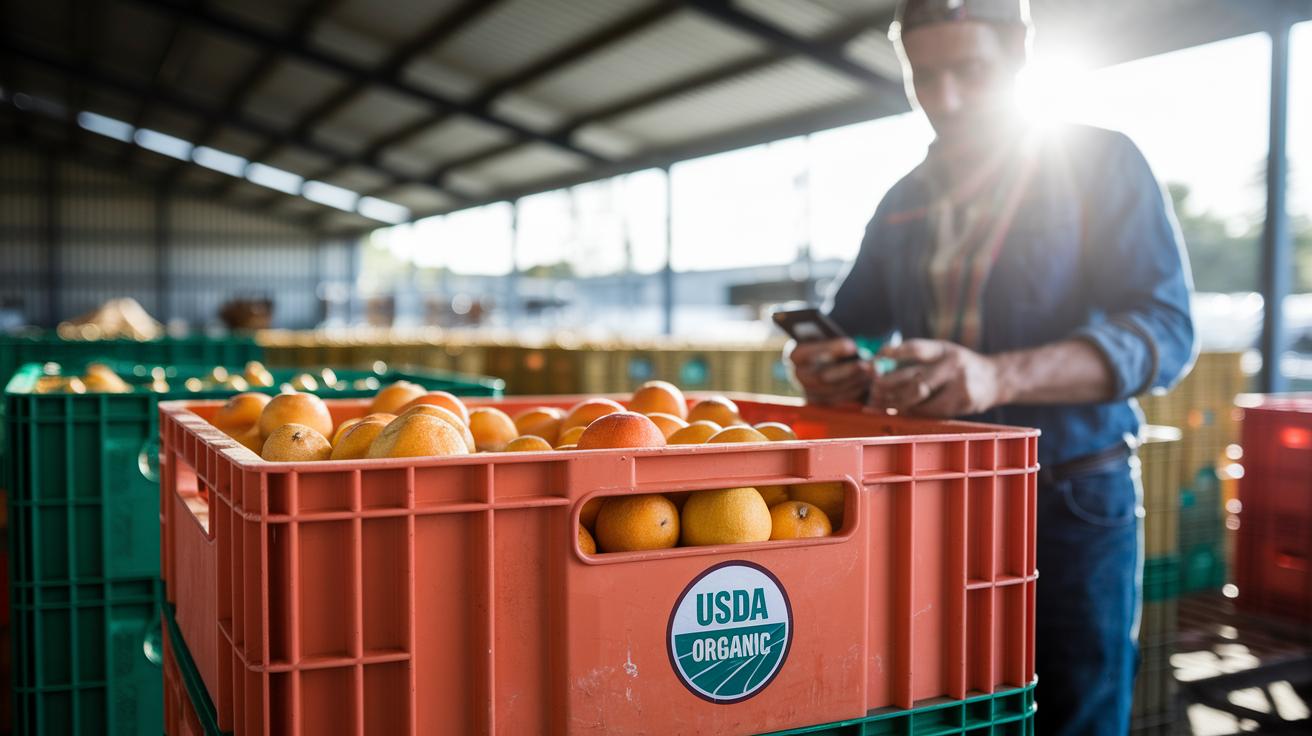
USDA organic labels are more than just stickers, they let you know that every step, from planting to shipping, follows very strict rules. This means no synthetic pesticides, no genetically modified ingredients, and no irradiated substances are used. Many farmers even keep detailed plans showing how each product gets all the way to your table. Think of it like a promise: a certified organic orange has been grown with care and without the chemicals we often worry about.
It’s easy to mix up labels that say "natural" with food that’s truly organic. That’s why certification is so important, it helps build trust in eco-friendly foods. When you’re shopping, don’t just skim over words like "natural" or "pure." Real organic products show clear, verified markers that back up every claim.
By taking a closer look at these labels, you can avoid being misled by fancy packaging. Choose items with genuine certification. This small step not only leads to a cleaner diet but also supports farming practices that favor non-GMO and fully chemical-free foods.
Cost, Accessibility, and Consumer Choices in Organic Food
Organic food often costs 10–40% more than regular options. This extra cost comes from higher production expenses and more careful growing methods. You might wonder if it's worth spending more for food grown without harmful chemicals, especially when you're on a budget. Many people believe that paying a little extra makes them feel better about what they eat.
One easy tip is to check out your local farmers' market. There, you can often find lower prices, support local growers, and cut down on your carbon footprint. Plus, you get to chat with the farmers about their growing methods, which builds trust in your food choices. Even if organic options seem pricey at first, small tweaks like buying seasonal produce or local items can help you include organic foods in your regular shopping routine.
Sometimes, the choices available around you play a big part too. In some places, organic options might be hard to find and more expensive. But if you explore local alternatives and plan your meals with what's in season, you'll make healthier choices that also benefit your wallet.
Practical Tips for Adding Organic Foods to Your Diet

When you want to add more organic foods to your meals, start with everyday essentials like fruits, veggies, dairy, and eggs. These familiar items can help you enjoy the natural goodness of organic eating. For instance, imagine starting your morning by cracking open a fresh organic egg, it adds that extra wholesome touch you might be looking for.
-
Start simple with organic staples
Think about beginning your day with a bowl filled with organic berries and a bit of organic yogurt. It’s an easy way to boost your energy naturally. -
Visit local farms and shop seasonally
Try spending a Saturday morning at your local market. Picking seasonal produce not only tastes fresher but also supports farmers in your community. -
Give your produce a gentle wash
A quick soak in a simple vinegar-water mix can be like a mini spa treatment for your veggies. It helps remove any residues while keeping their flavors bright. -
Choose pasture-raised meats
If you enjoy meat, pick pasture-raised options. They often have a cleaner nutritional profile and a rich, natural taste that makes your meals even more satisfying. -
Add organic whole grains and legumes
Whether it’s a handful of organic quinoa or some beans, these ingredients bring balance and energy to your meals, much like the satisfying feeling after a healthy snack.
Planning meals with these tips in mind can be fun and simple. Imagine a roasted vegetable bowl mixed with organic grains or a hearty salad bursting with seasonal produce. Every small change adds up, guiding you towards a healthier, cleaner diet that feels both natural and enjoyable.
Final Words
In the action, we explored how choosing organic food can benefit overall health by reducing toxins and boosting immunity. The post highlighted nutritional advantages, environmental gains, and clear labeling that builds trust. Remember these five key health benefits:
- Minimized pesticide intake
- Higher antioxidant levels
- Improved vitamin and mineral content
- GMO‐free assurance
- Lower heavy metal exposure
These insights empower a smarter, healthier lifestyle. Embrace the benefits of organic food and feel positive about making choices that support both your well-being and the planet.
FAQ
What are the key benefits of organic food?
The key benefits of organic food include minimized pesticide intake, higher antioxidant levels, improved vitamins and minerals, GMO-free assurance, and reduced heavy metal exposure.
How does organic food benefit the environment?
Organic food benefits the environment by reducing chemical runoff, supporting soil health, and promoting biodiversity. It minimizes pollution and helps conserve precious water resources.
What are the potential disadvantages or dangers of organic food?
Some potential drawbacks of organic food are higher costs, limited availability, and occasional nutritional differences. These factors can affect affordability and ease of access compared to conventional options.
Is it really worth buying organic food?
Buying organic food can be worth it if you value reduced chemical exposure, better nutrient profiles, and eco-friendly practices. The decision depends on your budget, local availability, and health priorities.
What happens to your body if you only eat organic food?
Eating only organic food may lower your pesticide exposure and boost antioxidants, which can support your immune system. However, a balanced diet is essential to meet all your nutritional needs.