Ever wondered if science might be smart enough to beat disease? Biotechnology is showing us it can. New tools like gene editing (a way to make precise changes in our DNA) and clever AI in labs are leading the charge. For example, treatments for conditions such as sickle cell anemia (a blood disorder) are now safer and much more targeted. Fresh ideas are also paving the way for renewable medicines and improved vaccines. In this post, we chat about how these advances are changing healthcare and industry, hinting at a future where treatment feels more personal and works better for everyone.
Major Breakthroughs Driving Biotechnology Research Today

Biotechnology is bursting with new ideas that are changing both medicine and industry. One exciting development is CRISPR-Cas9 treatment for sickle cell anemia. This method uses special tools to edit genes and is set to enter clinical trials in 2024. It’s amazing to see how precise science is getting with patient care.
Another breakthrough is DeepVariant AI, a clever system that quickly spots tiny genetic changes. Imagine a lab where an AI finds small mutations in minutes, this fast detection helps doctors create treatments that fit each patient better.
In the United States, about 700 companies are busy crafting new ways to help the body heal itself. They’re developing supports that encourage tissue growth and cell-based therapies for issues like osteoarthritis and heart disease. These fresh ideas not only boost the field of regenerative medicine but also pave the way for safer, more effective care.
There’s also exciting progress in vaccine development. Self-amplifying RNA platforms let vaccines work well with much smaller doses. This means lower costs and more people can get the care they need, especially in places with fewer resources.
Industrial biotechnology is stepping up too. Scientists are creating biodegradable plastics and renewable biofuels that reduce our reliance on fossil fuels and help the environment. Robotic systems are also speeding up early drug testing and cutting discovery costs. One expert even said, "Imagine making a vaccine in weeks instead of months because of automation." These innovative strides are taking bold ideas and turning them into everyday solutions.
| Breakthrough | Impact |
|---|---|
| CRISPR-Cas9 Therapies | Safer and more precise treatment of genetic conditions |
| DeepVariant AI | Quick detection of genetic variations for personalized care |
| Automated Robotics | Lower drug discovery costs and faster testing processes |
CRISPR Gene Editing Revolution in Biotechnology Research
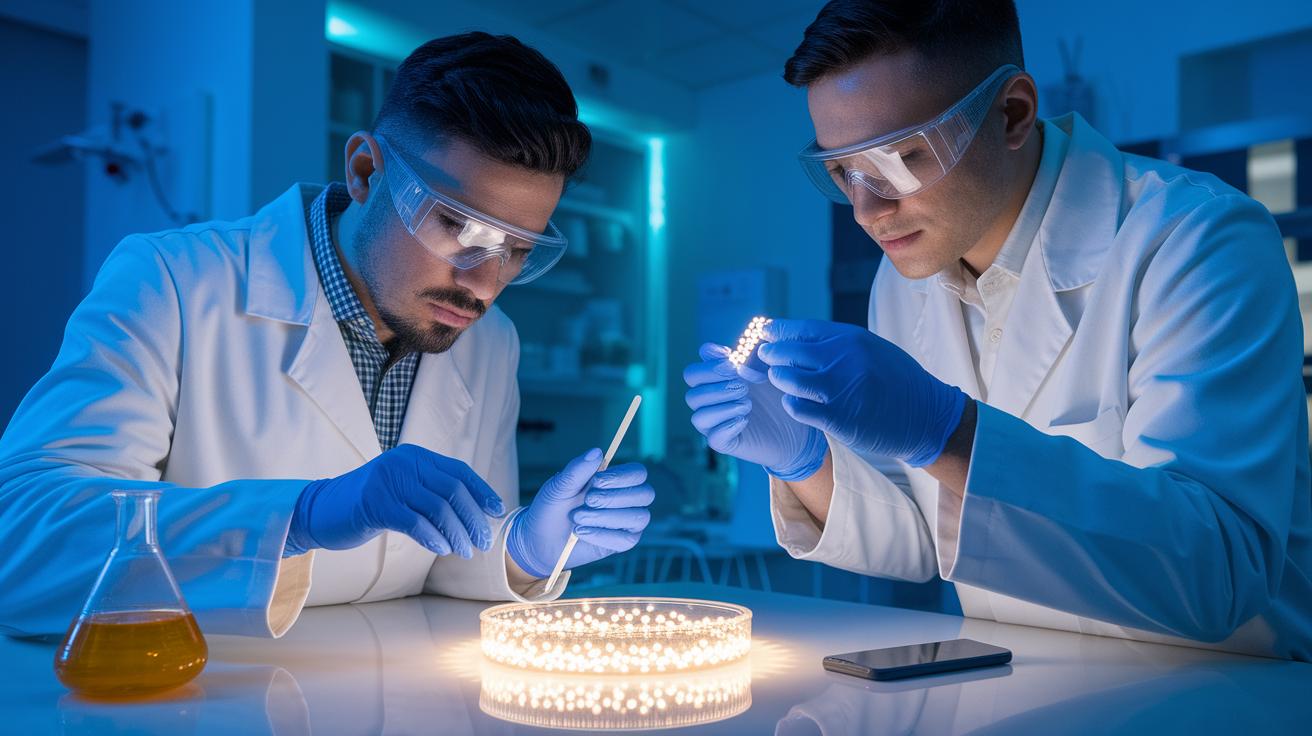
CRISPR gene editing is breaking new ground with better lipid nanoparticle delivery systems. Think of these tiny particles as carefully addressed packages that deliver gene editing tools straight to their target. This approach makes treatments safer and more precise, which is especially important for handling genetic disorders.
Big companies like Thermo Fisher Scientific and Merck KGaA/MilliporeSigma are now fine-tuning their processes. They’re reducing errors and boosting the reliability of CRISPR methods. This smoother workflow is a key step toward making these innovative techniques a regular part of clinical care.
Thanks to these technical advances, CRISPR therapies, such as those aimed at sickle cell anemia, are moving closer to everyday use in clinics. With improved delivery and optimized procedures, CRISPR treatments have the strong potential to become safe, precise, and accessible for everyone.
Innovative Synthetic Biology and Molecular Engineering Milestones
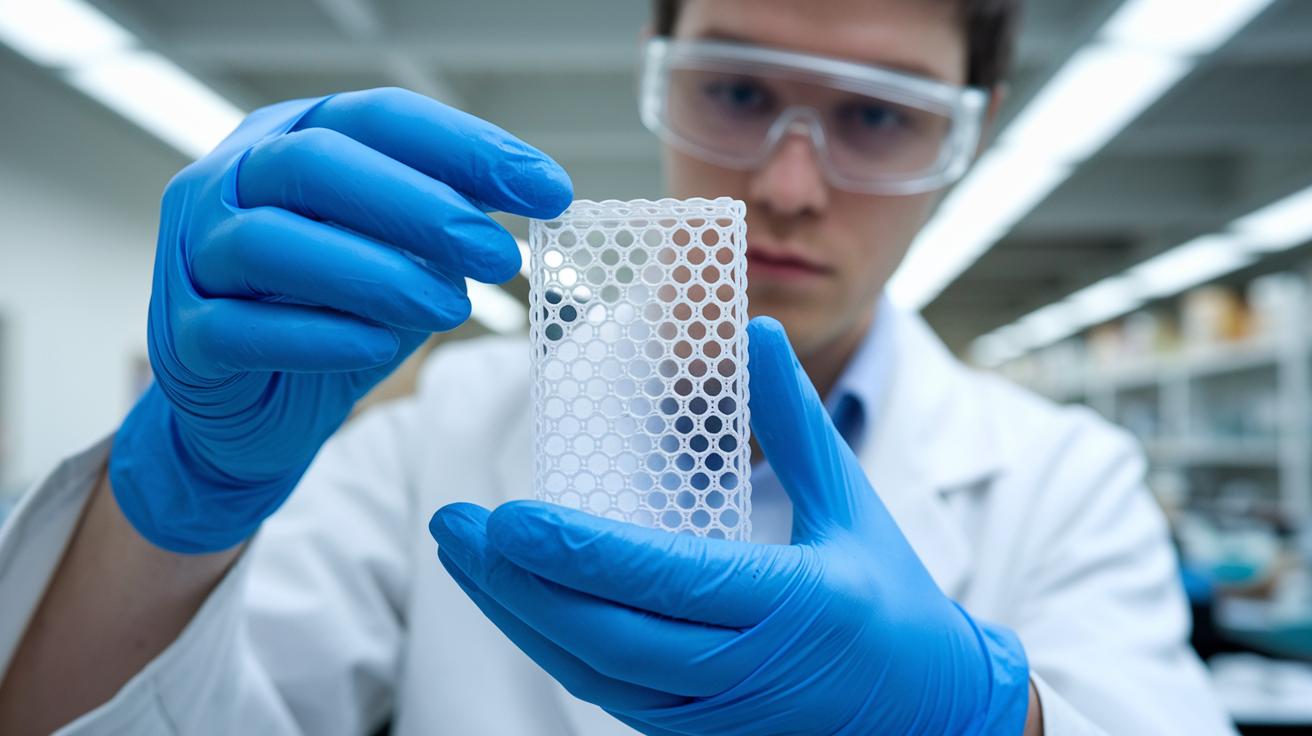
Scientists are shaking up regenerative medicine with creative methods that mix biology and engineering challenges. They’re using a process called directed evolution (think of it as nature’s trial-and-error) to push protein engineering to new heights. It’s a bit like a chef testing different recipes until the perfect one clicks. For example, a breakthrough happened when researchers mimicked nature’s own evolution to create proteins that perform tasks no lab had seen before.
At the same time, experts are designing new types of biocompatible scaffolds and hydrogels that help tissues grow. Picture a soft sponge gently holding cells so they can form healthy tissues, that’s the magic behind these advances. With more than 700 U.S. companies investing in cell-based therapies, there’s a clear drive to build smarter materials that speed up healing.
Recent progress in enzyme design and molecular cloning techniques is opening doors to complex genome assemblies. These achievements are setting new markers for what’s possible in regenerative medicine, enzyme optimization, and biomanufacturing. Each new step not only improves our current abilities but also lights the way to more precise and effective treatments.
Advances in Genomic Sequencing and Bioinformatics Discoveries
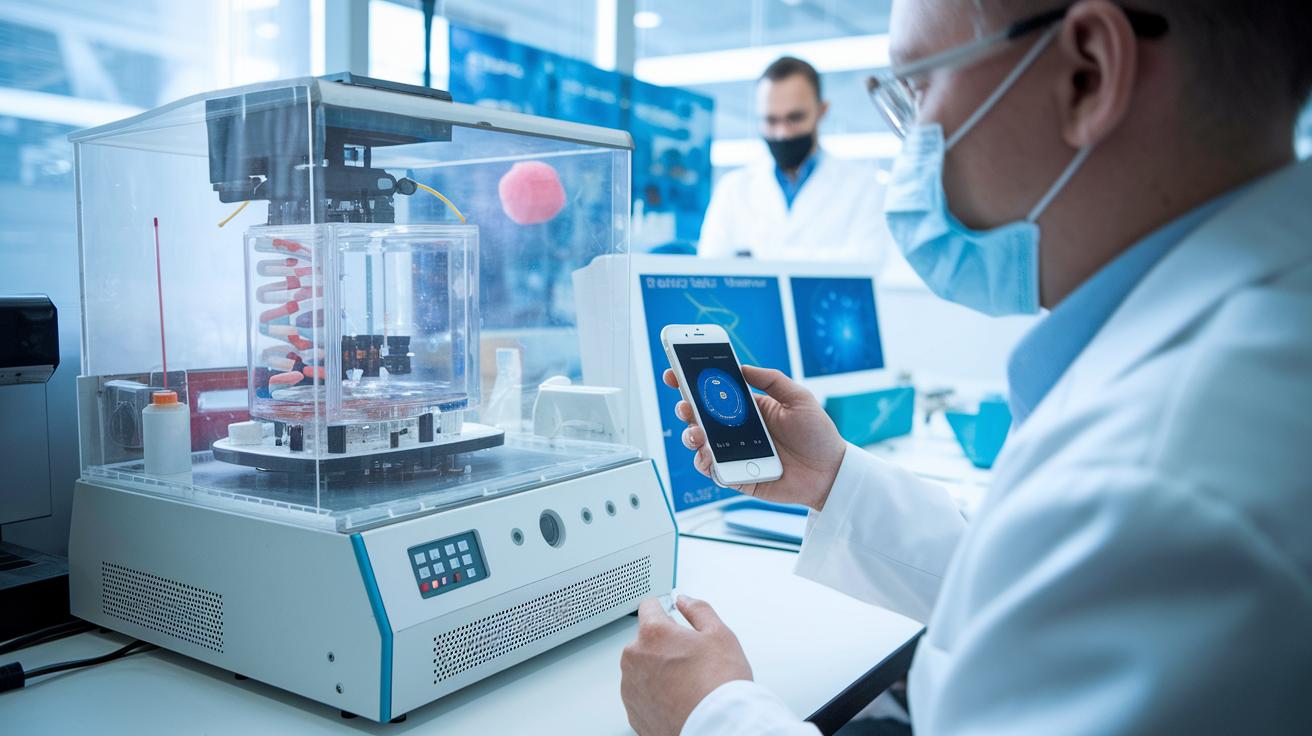
Recent breakthroughs in gene research come from new ways to read DNA and smart computer tools that make the work faster. AI systems like DeepVariant check thousands of DNA sequences in just minutes, quickly spotting tiny changes that once took a long time to find. It’s like turning a tedious chore into a simple, quick task. This speed-up is changing how doctors diagnose illnesses and create personalized treatments.
New sequencers can process samples 50% faster, letting labs work through more tests in less time. This quick turnaround is really important because faster results mean quicker treatment decisions. In fact, these speed improvements are opening up fresh possibilities in the world of genomic medicine.
Scientists are also mixing together different kinds of data, like information from genes, proteins, and other small parts of our bodies, to get a full picture of our health. Think of it like putting together a puzzle where every piece adds a bit more insight. This complete view helps researchers understand even the most complex conditions better than before.
Computer models are stepping up too, using simulations to mimic how our bodies work. These models let scientists predict how a change in our genes might impact us. All these advances are making gene research more precise, paving the way for treatments that can be tailored to each person.
Regenerative Medicine and Stem Cell Research Breakthroughs

Scientists are making exciting strides in regenerative medicine by reprogramming cells and using clever new tools. They take mature cells, old cells, really, and change them into new types, almost like switching a key in a lock. For instance, skin cells have been converted into cells that work like heart cells, leading to real improvements in heart function in early tests.
They also use supportive frameworks called scaffolds. Think of these as tiny buildings where cells gather, grow, and even form blood vessels. The result is tissue that closely mimics natural organs. For more details, you could check out the section on cellular therapies.
Another awesome technique involves hydrogel matrices for 3D cell culture. These gels act like a nutrient-rich soil, giving cells an environment where they can interact much like they would in the body. Early tests in treating joint issues and heart problems have shown that this method can boost joint movement and heart performance.
Emerging Trends: AI, Automation, and Sustainable Bioprocessing in Biotechnology Research
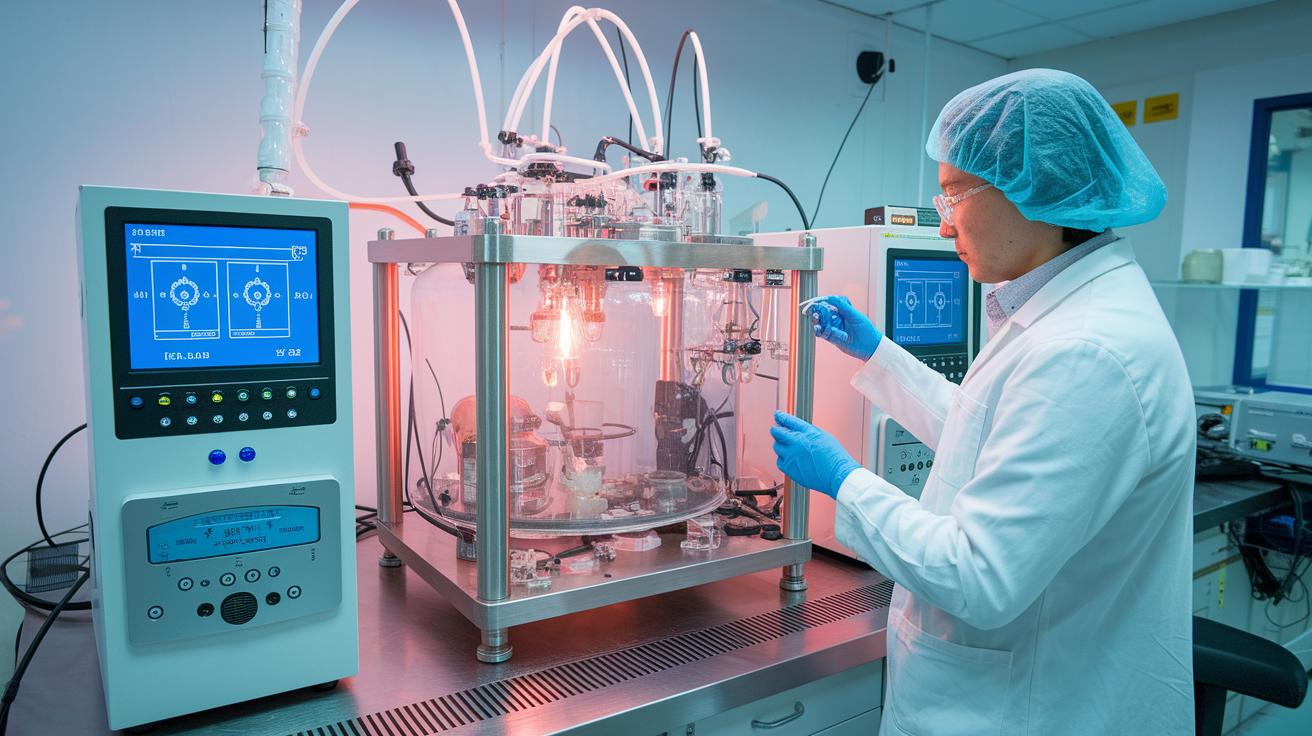
AI-powered systems are now stepping in to tweak experiment conditions in real time. In one study, smart sensors automatically adjusted the temperature and pH during a test, which cut the overall assay time by almost one-third compared to the old manual methods. This shift helped improve reproducibility by around 30%, making experiments more reliable.
New green tech in bioprocessing is also making waves. For example, using AI for monitoring microbial fermentation has boosted the consistency of biodegradable material production by up to 25%. One lab likened the system to a chef who perfects a recipe, with each tweak, the quality gets better and more consistent.
Key innovations driving these breakthroughs include:
- AI-powered changes that keep experiments running at their best
- Real-time monitoring that enhances consistency
- Improved fermentation processes for steadier, eco-friendly outputs
These advances show how blending smart control systems with sustainable practices can lead to clear performance gains, setting a new standard beyond traditional robotic methods.
| Innovation | Performance Improvement |
|---|---|
| Dynamic AI Adjustments | 30% faster assays |
| Enhanced Fermentation | 25% improved consistency |
Clinical Translation: Immunotherapy, Gene Therapy, and Vaccine Development Breakthroughs
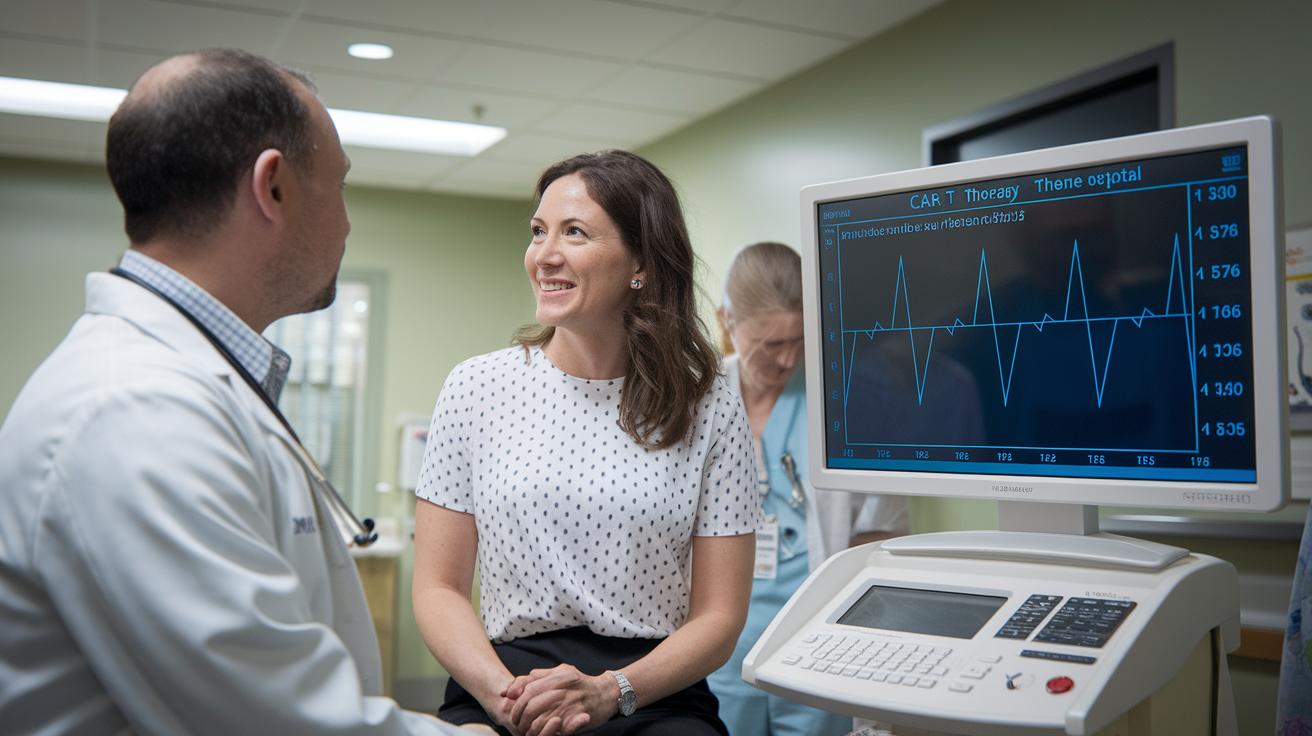
Recent breakthroughs are changing the way treatments move from research labs to real patient care. Doctors and researchers are now using CAR-T therapies and checkpoint inhibitors to fight a wider range of cancers. New trials show that these treatments can boost the immune system and come with fewer side effects than older options. One doctor even said it feels like giving the body a precise boost to fight disease.
mRNA vaccine platforms, which shone during the COVID-19 crisis, are sparking new ideas for tackling other illnesses. These vaccines teach your cells to make proteins that trigger a safe and strong immune response. It’s much like your body rehearsing its defense strategy before facing a real threat.
Another exciting development is self-amplifying RNA formulations. They require about 60% less dose to work, lowering the risk of side effects while still being very effective. At the same time, key gene therapy trials have reached phase III, a major step in proving that these treatments work for genetic disorders. Researchers are also adapting these advances to help during pandemics, making it possible to respond quickly when health emergencies strike.
All these milestones show how fast biotechnology is moving. These innovations aren’t just exciting lab findings, they’re becoming the everyday tools doctors use to fight diseases and improve our health.
Funding Strategies and Collaborative Models Transforming Biotechnology Research
A recent survey by Deloitte shows that nearly 75% of global life sciences leaders feel hopeful about breakthroughs in biotechnology. They believe strong growth and smart financial moves are key to these advances. Venture capital deals, for example, are a lot like planting seeds in rich soil, each round helps a new idea grow into a groundbreaking technology.
Biotech accelerators and incubators are adding extra momentum by giving startups hands-on help, expert advice, and plenty of resources. These programs make it easier and faster for new treatments and technologies to take shape. Meanwhile, global partnerships between public and private groups are uniting different kinds of expertise. Think of it like a well-tuned orchestra, where every instrument plays its part to solve big, complex challenges.
All of these elements together speed up discoveries and pave the way for the future of biotechnology. Creative funding models and worldwide collaboration are turning lab ideas into real-life solutions more quickly than ever before.
Ethical and Regulatory Considerations in Cutting‐Edge Biotechnology Research
Biotechnology is making amazing breakthroughs that can really change our lives. But with these advances come big ethical questions. For instance, when scientists work on germline editing (changing genes that pass on to future generations), they often talk about the long-term effects. This makes everyone think hard about what is right and our responsibility to the future.
New biosafety rules now give a clear guide on how to do experiments safely. These rules help protect both the researchers and patients while still letting discoveries move forward. At the same time, fast-tracked regulations are being set up to bring promising treatments from the lab to clinics more quickly.
Government groups and private companies are also teaming up. They work together to set standards and carefully watch over new developments. Their collaboration makes sure that new technology is tested well and that ethical and safety concerns stay on the radar.
This changing world of rules and ethics helps guide biotechnology research in a safe and responsible way. Experts continually update policies to make sure that every new discovery is balanced with its social and moral impact. These steady discussions help keep our research safe for all.
Final Words
In the action, we saw stunning shifts from CRISPR gene editing to AI-powered lab automation, showcasing fresh insights into biotechnology research breakthroughs. The post covered advances in clinical translations, synthetic biology, and genomic sequencing along with exciting funding and ethics updates. The review painted a complete picture of current trends driving progress in health care and sustainability. It leaves us feeling hopeful about a future where every discovery inspires safer, healthier living and sparks fresh ideas in biomedical research.
FAQ
What are some key breakthroughs and recent discoveries in biotechnology research?
The key breakthroughs in biotechnology research include advances in CRISPR gene editing, innovative synthetic biology, enhanced genomic sequencing, and AI-driven automation that together transform diagnostics, therapies, and sustainability in the field.
What are some advancements in biotechnology?
Recent advancements focus on refined gene therapies, regenerative medicine using stem cells, eco-friendly bioprocessing, and AI-powered lab automation, each driving greater efficiency and more effective treatments for various conditions.
What is a promising research topic in biotechnology?
A promising research topic involves integrating CRISPR gene editing with regenerative medicine, combining precise genome modifications with cell-based therapies to potentially treat a range of genetic disorders and chronic diseases.
What are the top 5 biotech stocks to buy today?
The top biotech stocks can vary, but investors should focus on companies showing strong R&D pipelines, regulatory milestones, and solid financial performance, as these factors often indicate long-term growth potential in the biotech sector.
Where can I find detailed reports on recent advances in biotechnology?
Detailed reports on biotechnology advances can be found in industry journals, technology reviews, and research institutions’ publications, offering comprehensive insights into breakthroughs and the evolving landscape of biotech research.