Ever thought a quick workout could be surprisingly effective? Cardio HIIT training (that’s high-intensity interval training) shows that even brief bursts of hard work can raise your heart rate and burn calories long after you’ve finished. These short sessions work your muscles well, so you don’t have to sit in the gym for hours. Imagine it like sharpening a pencil a little at a time, a bit of effort each time builds lasting strength and endurance. Ready to push yourself and see what these fast workouts can do for you?
Cardio HIIT Training: Boost Your Performance

Twenty-minute HIIT workouts really pack a punch. These quick bursts of effort can burn anywhere from 150 to 400 calories in one go, depending on your weight and the type of workout you choose. Imagine a fast-paced session that leaves you buzzing with energy and keeps your body burning calories long after you're done, that's the afterburn effect in action.
Regular 20-minute sessions give steady benefits for your heart and help you burn calories consistently. It’s like sharpening a pencil a little each day instead of waiting too long between sharpenings. Most experts suggest that doing HIIT no more than three times a week is a smart way to keep your body challenged while still giving it time to rest.
Here’s why these quick, high-energy workouts work so well:
- They boost your endurance by giving your heart short, hard bursts of work.
- They kick-start the afterburn (excess post-exercise oxygen consumption), meaning your body keeps burning energy even when you're resting.
- They work several muscle groups in one focused burst, helping improve overall fitness without long hours in the gym.
Have you ever walked away from a short, intense workout feeling accomplished? With cardio HIIT training, you can quickly boost your stamina and burn fat effectively, especially when you balance your steps with good rest and thoughtful recovery.
Top Cardio HIIT Training Exercises for Maximum Calorie Burn

Get ready to boost your heart rate and work several muscle groups at once with these quick, lively exercises. They’re perfect for a high intensity session that burns calories. Think of each move as a fun mini challenge that tests your speed and stamina. For example, when you do high knees, picture yourself chasing an ice cream truck on a hot summer day.
- Jumping Jacks – Stand up straight with your feet together. Jump and lift your arms high, then come back to the start.
- Squat Jumps – Start in a squat position, then powerfully jump upward while keeping a steady form.
- High Plank Hold – Get into a push-up position so your body forms a straight line. Hold this for 30 seconds to really work your core.
- High Knees – Run in place and lift your knees as high as you can. It’s like racing your own shadow.
- Mountain Climbers – Begin in a plank position, then quickly bring one knee toward your chest, switching between legs.
- Reverse Lunges – Step back into a lunge while keeping your upper body upright, which makes both legs work hard.
- Burpees – Combine a squat, a push-up, and a jump in one move. This full-body exercise will definitely spike your heart rate.
- Plank Shoulder Taps – While in a plank, slowly tap your opposite shoulder with each hand to challenge your balance.
- Speed Skaters – Jump from side to side as if you're gliding on ice, using your legs to push off strongly.
- Squat Jacks – While in a squat, jump to spread your legs wide, then bring them back together, keeping your core engaged.
Structuring Cardio HIIT Training Sessions: Timing and Frequency
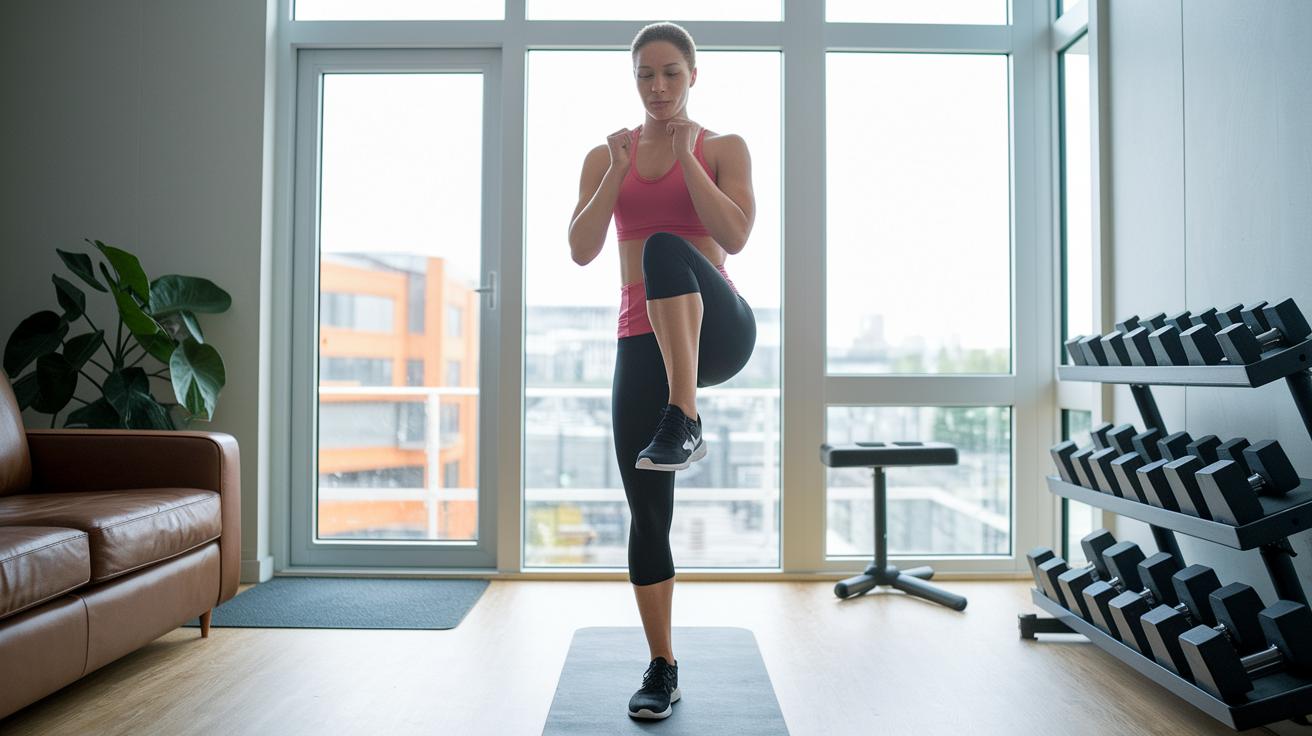
A clever HIIT (that’s high-intensity interval training) plan mixes quick bursts of hard work with short breaks. You can set up a 20-minute session by starting with 30 seconds of jogging in place to get your heart pumping. Then switch to moves like burpees or high knees for another 30 seconds, followed by a 15-second rest. This on-and-off pattern keeps your heart busy and helps boost your metabolism (the way your body burns energy).
Think of each session as a mini obstacle course. Limiting your intense workouts to three times a week lets your muscles and heart get the rest they need while still reaping the benefits of those quick, heart-pumping intervals. Picture it like laying out a series of small, energetic challenges instead of one long, tiring block of exercise.
For example, start with 30 seconds of jogging, like a warm-up before a game. Then, switch between strength and cardio moves with the 30 seconds on, 15 seconds off routine. This setup not only helps you build stamina but also kick-starts your fat-burning process, so you keep burning calories even after your workout is over.
Beginner’s Home-Based Cardio HIIT Training Plan
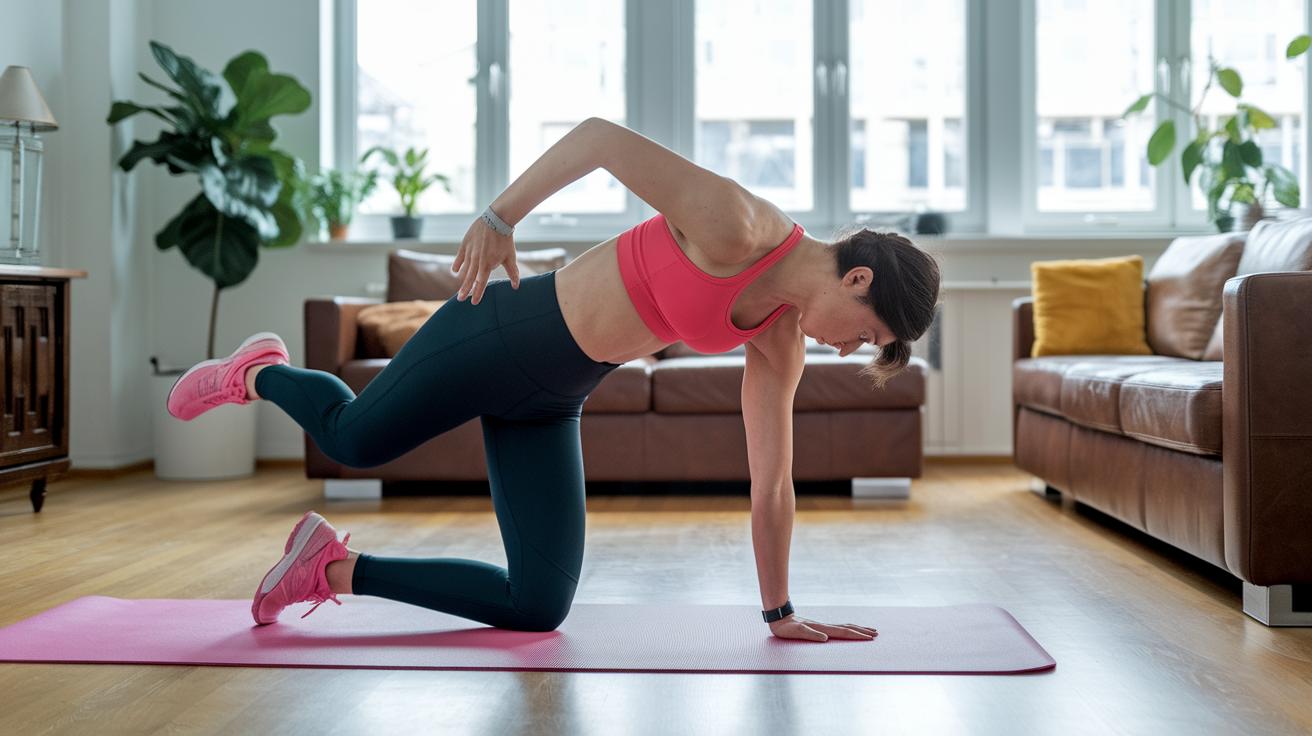
Try this quick 10-minute routine that gets your heart pumping right in your living room. Do each exercise for 30 seconds and take a 15-second break before moving on. Repeat the sequence until you reach the full 10 minutes.
Here's a simple plan to get started:
- Marching high knees – Lift your knees steadily, as if you're stepping over small puddles.
- Knee-supported plank hold – Drop your knees to the floor and hold your body in a straight line from your head to your hips.
- Standing punches – Alternate quick punches in the air, keeping your heart active and your movements light.
- Side steps – Move quickly from side to side, almost like you're playfully dodging a gentle rain.
This workout doesn’t need any equipment, so it's perfect for a small space at home. Feel free to adjust the speed or intensity, if you need to slow down during the knee-supported plank, go ahead. Enjoy these burst cardio drills as a fun, easy way to energize your day!
Nutrition and Recovery Strategies for Cardio HIIT Training
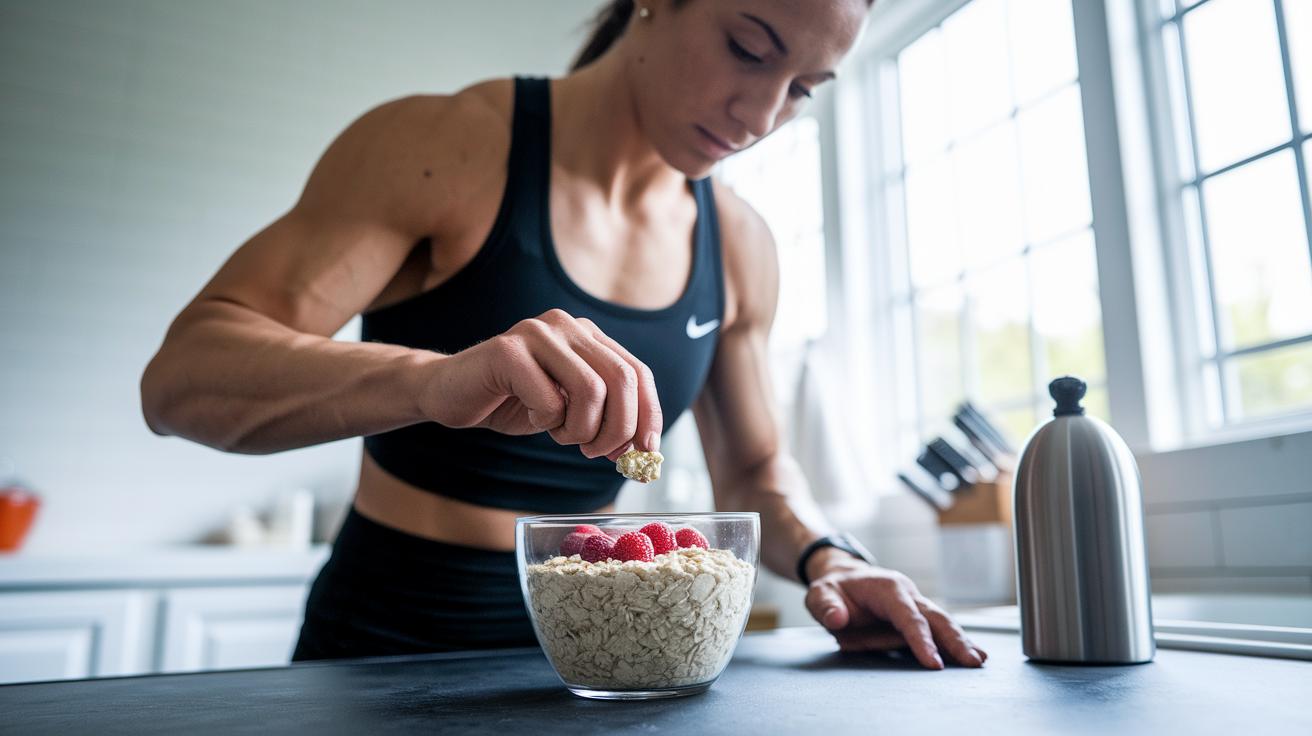
Before you start your workout, it's important to fuel up. Try having a small snack that includes quick energy sugars and a bit of lean protein. For example, a bowl of oatmeal with some fruit can give your muscles the boost they need. This little pre-workout bite helps you get ready to enjoy each high-intensity interval session.
After your workout, remember to drink plenty of fluids. Water or an electrolyte drink works great to replace what you've lost while sweating. Not long after you finish, have a meal that includes lean protein and the right balance of carbohydrates. Foods like eggs, grilled chicken, or other good sources of protein (check out this link for more ideas) can help rebuild muscle and keep your energy level steady.
Also, timing matters. Try to grab a recovery snack within 30 to 60 minutes after your HIIT session. Adding a brief stretch or some deep breathing exercises during your cool-down can help relax your muscles and get you ready for your next burst of activity.
Safe Modifications in Cardio HIIT Training for All Fitness Levels

Before you get started, it’s a good idea to warm up with simple, easy stretches like arm circles and leg swings. Think of it like warming up your car on a chilly morning, it helps loosen your muscles and protects your joints, reducing the chance of injury.
If you find high-impact moves like jumping drills a bit too intense, try some easy modifications. Instead of a high-impact burpee, use a version where you step back instead of jumping. Picture yourself carefully stepping around a small puddle on a rainy day. This small change can ease the pressure on your joints while still giving your heart a good workout.
Here are some safe changes to keep in mind:
- Swap jumps for stepping motions to lessen the impact on your knees.
- Tighten your tummy muscles during each move to keep a strong core.
- Always keep your back straight during lunges and squats to stay aligned.
- Start slow and gently build up your pace as you get stronger.
- End your session with cool-down stretches to relax your muscles and help your body recover.
Remember, every exercise can be tweaked to match your fitness level. Have you ever noticed how a simple adjustment can make things feel so much better? Taking your time and paying attention to your form lets everyone get a good challenge while staying safe during each cardio HIIT workout.
Final Words
In the action, our guide on cardio hiit training showed how short, high-intensity sessions boost endurance and burn calories. The post broke down key exercises, session timing, and a simple beginner plan. It also offered smart tips on nutrition and safe modifications anyone can follow. Small, regular workouts can lead to big changes in energy, heart health, and overall well-being. Keep moving, mix up your routine, and remember: every session counts.
FAQ
What is a cardio HIIT workout?
The cardio HIIT workout is a training method that mixes short bursts of high-intensity exercises with brief recovery periods. It boosts endurance and burns calories through targeted, dynamic intervals.
Do cardio HIIT workouts work?
The cardio HIIT workouts work by alternating intense movements with recovery breaks, boosting the afterburn effect. This approach improves heart health and enhances calorie burn when performed consistently.
What is an effective cardio HIIT training plan for beginners?
The effective cardio HIIT training plan for beginners includes short routines, like a 10-minute session with 30-second work periods and 15-second rests. It uses simple moves such as modified high knees and plank holds to build stamina.
Can I perform cardio HIIT training at home?
The at-home cardio HIIT training is designed for small spaces and requires no equipment. It features basic exercises like jumping jacks and squat jumps, making the session accessible and effective.
What should a HIIT exercises list include?
The HIIT exercises list includes moves such as jumping jacks, burpees, mountain climbers, and various circuit drills. These moves engage multiple muscle groups while keeping your heart rate high throughout the session.
How do I determine if 20 minutes of HIIT cardio is enough?
The 20-minute HIIT cardio session is sufficient for a quick, effective workout. It burns a good range of calories, boosts cardiovascular fitness, and fits well into a busy schedule when done a few times each week.
What is the best HIIT cardio workout for fat loss?
The best HIIT cardio workout for fat loss blends high-intensity intervals with short rests to maximize calorie burn and boost metabolism. Key moves include sprint intervals and bodyweight drills that effectively target fat reduction.