Have you ever thought you could boost your energy without even leaving your living room? Home cardio workouts get your heart pumping, help you burn calories, and build stamina. Simple moves like jumping jacks and high knees add fun to your routine and give you a burst of feel-good endorphins. In this post, we'll share easy ways to set your goals, mix gentle moves with quicker bursts, and create a plan that really powers up your day.
Home Cardio Training: Benefits and Key Principles

Working out at home is an easy way to get your heart beating faster, boost your breathing, and build your stamina. It feels great knowing that regular sessions help improve oxygen flow, giving you more energy and alertness. Plus, those feel-good endorphins make you smile after each workout. Over time, keeping up with aerobic exercises can naturally lead to burning extra calories and shedding some fat.
When you decide to exercise at home, it's important to set clear goals for how long you work out, how often you do it, and how hard you push yourself. For example, you could aim for 30 minutes of exercise three to five times a week, mixing easy moves with some bursts of high energy. Think of it like this: start small, then gradually challenge yourself as you build confidence.
Simple moves like jumping jacks, high knees, and burpees do more than just make your heart race, they also help strengthen your core for better posture and balance. This method turns bodyweight exercises into a powerful routine that keeps you fit and ready for whatever the day brings without leaving your home.
Cardio Training at Home: Spark Your Energy
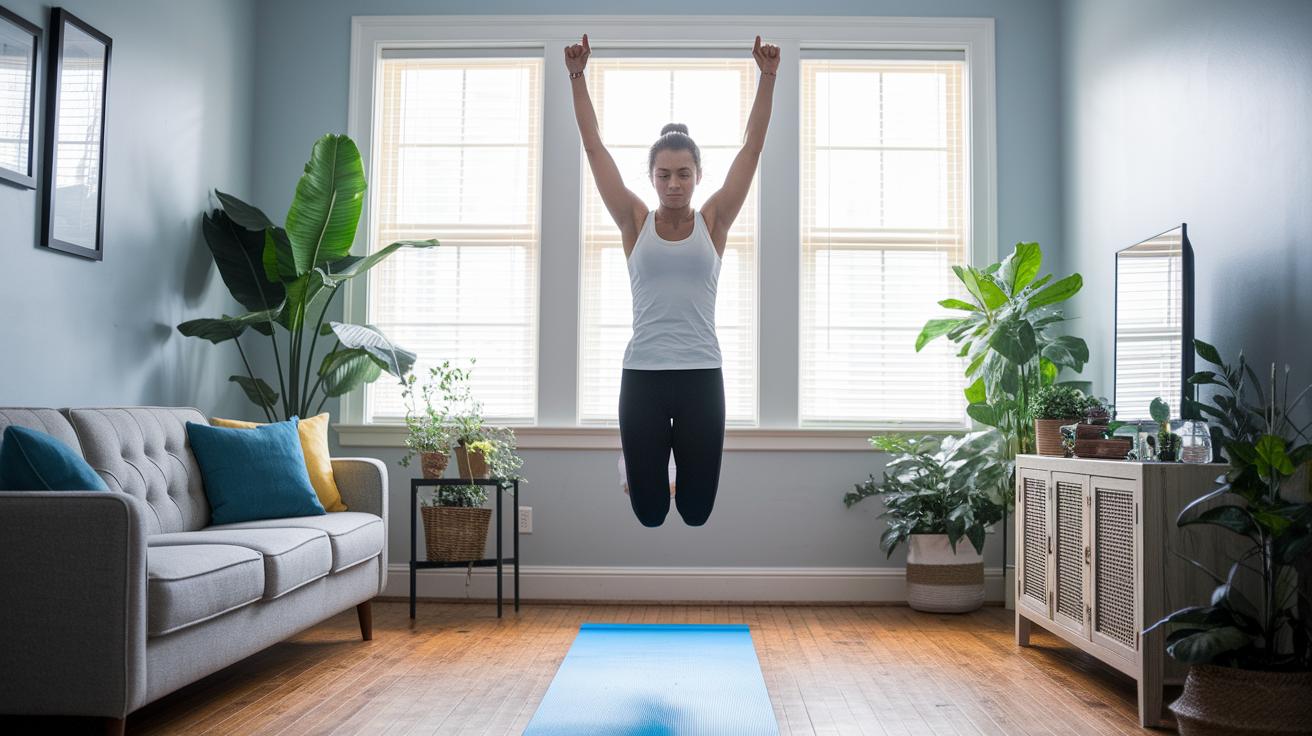
Imagine a quick workout that raises your heart rate and kick-starts your metabolism, all from your living room, with no gym equipment needed. This home-friendly circuit uses your own body to build strength, torch calories, and boost endurance in a small space. You work each move for about 30 to 45 seconds, taking short breaks in between. It’s a fun way to target different muscles and get your blood pumping.
Here are five moves to jumpstart your fat-burning circuit:
- Jumping Jacks: A simple, classic move that gets your heart beating fast while working your arms and legs.
- High Knees: Lift your knees high and pump your arms to keep the energy flowing and boost your oxygen intake.
- Mountain Climbers: Engage your core as you quickly move your legs, helping to tone your abs and speed up your heart rate.
- Burpees: A powerful move that mixes strength with cardio, building stamina and burning calories at the same time.
- Jump Squats: Strengthen your legs and ignite calorie burn with this dynamic lower-body move.
These fun, quick sessions can be easily adjusted to match your fitness level. Try lining up the moves in a circuit and notice how even short bursts of activity can lead to a more energized and healthier lifestyle.
Interval Cardio Training at Home: From Beginner to Advanced

Imagine mixing short bursts of hard work with brief rests. That's what interval workouts do. They kick your metabolism into gear and help burn calories fast. You can change the routine to match your goals. For endurance, try working for 30 seconds and then taking a 15-second break. Looking to boost your stamina? Extend your burst to 45 seconds while keeping the 15-second rest. And if you want to focus on strength, aim for 8–15 reps of a move and rest for 20–30 seconds between sets. Start easy and slowly work your way up to tougher routines.
Beginner-Friendly Interval Series
Kick off your workout with a simple 4-round routine using gentle moves like marching in place and doing butt kicks. Work for 30 seconds, then take a 15-second break. Think of this as a warm-up that slowly gets your body ready. For example, start with a 30-second march in place and feel the gradual increase in your heartbeat before moving on to more lively exercises.
Advanced Interval Training Program
When you’re ready for a bigger challenge, try a 6-round high-intensity routine. Use exercises like tuck jumps and mountain climber cross. Work hard for 45 seconds, then rest for 15 seconds. This high-intensity style quickly raises your heart rate, helping you reach maximum energy fast. Picture giving a full-throttle push during a tuck jump and feeling your core and legs engage intensely. Alternating between these two styles creates a varied and effective home workout that grows with your fitness journey.
Strength-Aerobic Cardio Blends for Total Body Conditioning
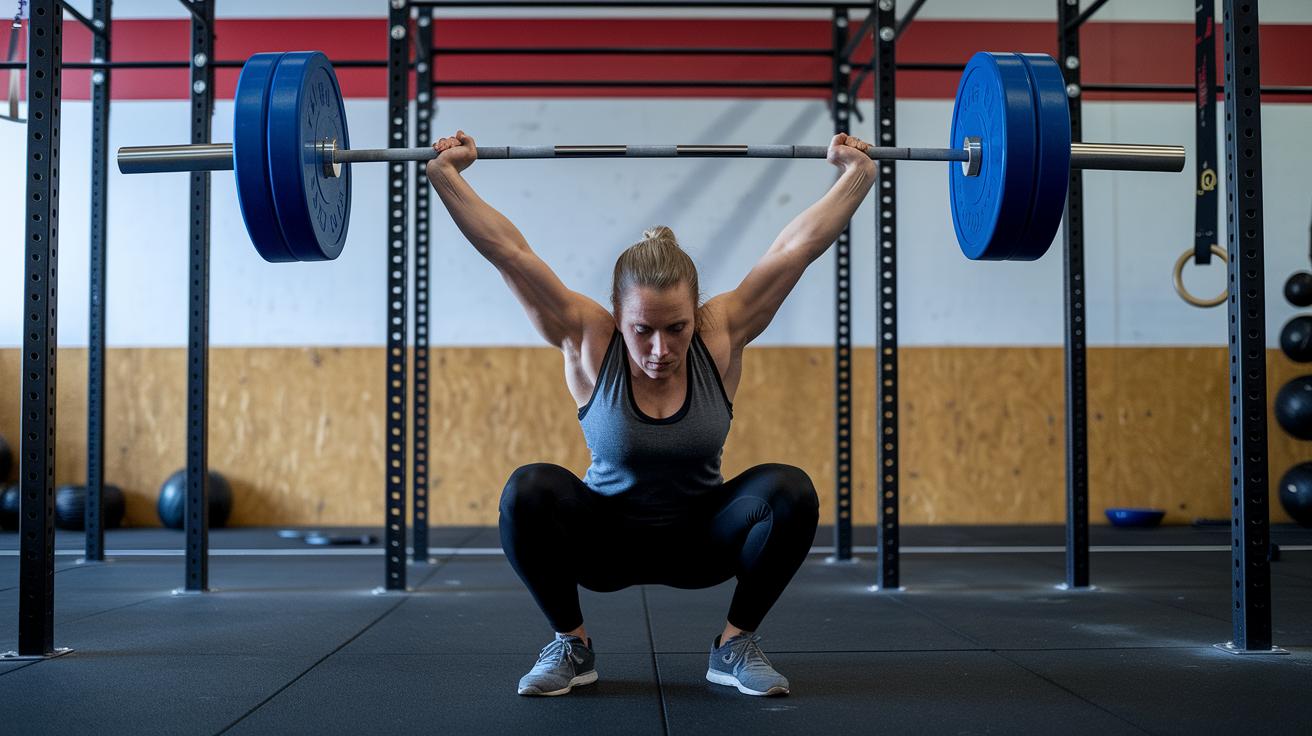
Compound moves such as Squat to Press, Lunge with Twist, and Push-Up to Knee Drive mix strength and cardio. Think about finishing a set of Squat to Press and feeling that burst of energy as your legs, shoulders, and core work together. It’s like getting both muscle work and a heart boost all at once.
Try adding moves like the Mountain Climber Cross to really work your core and a Single-Leg Push Up to build upper-body balance. Picture yourself doing a Mountain Climber Cross, your heart begins to race and your abs feel the challenge in a practical way. This mix keeps your body active while helping you build endurance and shape your muscles.
For a workout that blends strength and endurance, aim for 8 to 15 reps per move and do 3 to 4 sets based on your goal. Every rep matters with this plan, which boosts your heart and muscles without extra equipment. When you perform each move with care, you build lasting strength that leaves you feeling energized and ready for the next round.
Low-Impact and High-Intensity Home Cardio Options

Before you begin, take five minutes to warm up using gentle, moving stretches. Find a flat, clear area where your feet and joints feel supported. Keep a bottle of water and a towel handy. For example, you might start by marching slowly in place while swinging your arms gently to get your heart pumping.
Pacing is key. If you’re just starting out, set a comfortable pace and take longer breaks. More experienced movers can mix 20- to 30-second bursts of faster activity with short rests. Always listen to your body and slow down when you need to. For instance, try 20 seconds of brisk shadowboxing followed by 40 seconds of easy walking, then gradually cut down on your rest time.
Mix it up with these alternative moves for extra variety and challenge:
| Move | Description |
|---|---|
| Modified Skater Jumps | Step side-to-side with a small hop to keep stress off your joints. |
| Shadow Boxing | A light, controlled boxing routine focused on proper punches and steady footwork. |
| Plank Jacks | While holding a plank, jump your feet apart and back together to boost core and cardio strength. |
Keep checking your form and take extra breaks if you need them.
30-Minute Home Cardio Plan: Step-by-Step Routine
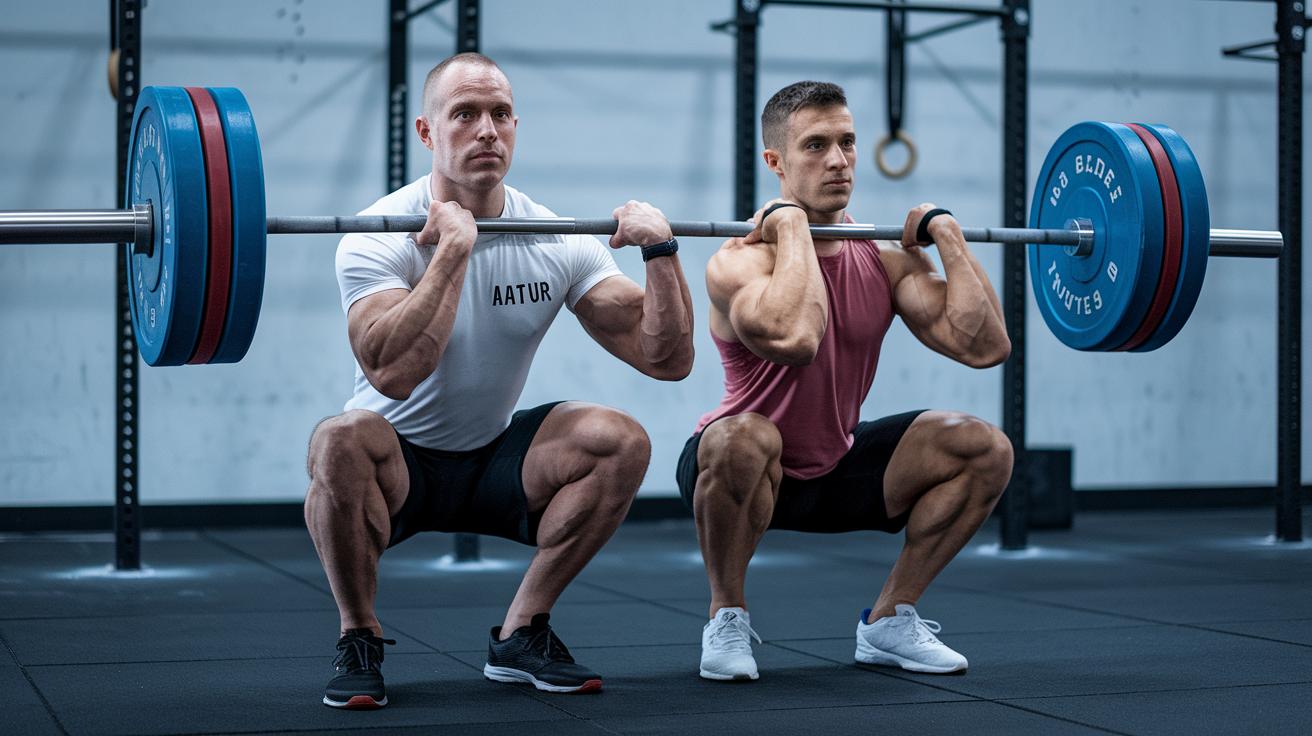
Set your timer for 30 minutes and get ready for a burst of coach-designed moves that mix things up while revving your metabolism. It’s simple: choose your goal, endurance, stamina, or strength, and tweak the duration. For example, if you’re working on endurance, try 30 seconds per move; for more stamina, go for 45 seconds; and if strength is your focus, aim for 8–15 reps per exercise.
Let's walk through the sequence:
- Touchdown Squat – Stand with your feet hip-width apart. Think of lowering yourself in a smooth squat and then pushing up quickly.
- Mountain Climber Cross – Get into a high plank and bring your knee toward the opposite elbow. This move fires up your midsection.
- Jump Lunge – Start in a split stance and switch legs in mid-air. Picture a light, side-to-side leap that really tests your balance.
- Single-Leg Push Up – Use one foot for support while you bend your elbows to do a push-up, helping to build upper-body balance.
- Skaters – Leap laterally, shifting from one side to the other with a smooth, graceful motion.
- Burpee Push-Up – Combine a full plank-to-stand move with a push-up for a full-body workout.
Complete 5 to 6 rounds of this routine, taking a 1-minute break between rounds. Not only will this workout burn calories, but it also keeps your muscles moving and your heart happy.
Cardio Training at Home: Proper Form and Injury Prevention
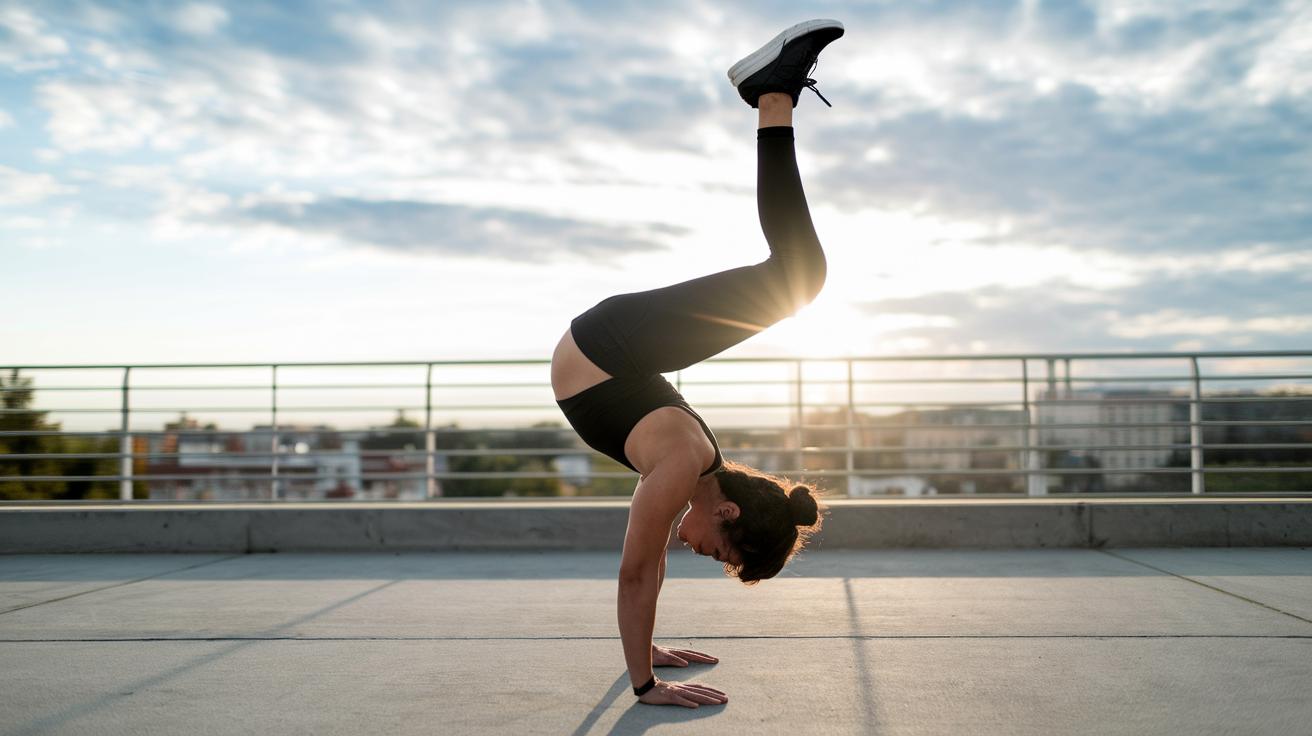
Start your workout with a 5–10 minute warm-up. Swing your legs and move your arms slowly to wake up your muscles. Imagine gentle arm circles that ease your shoulders and clear your mind.
Focus on your body’s cues during each move. When you do squats, keep your knees tracking over your toes so your joints stay safe. In planks, maintain a straight back to protect your spine. And when you jump, try to land softly to lessen the impact. These small details help you avoid common mistakes like rounding your back, locking your joints, or over-striding, which can cause injuries.
If you feel any joint discomfort, try making your moves easier by reducing the range or slowing down a bit. Once you’re done, cool down with stretches that ease your quads, hamstrings, and calves. Taking these simple steps can really help you stay safe and enjoy your training.
Staying Motivated for Consistent Home Cardio Training

When you’re working out at home, start by setting clear, simple goals so you can really see your progress. Write down each workout, like the number of sessions you’ve done and any improvements you feel. It’s a bit like keeping a diary that reminds you of how far you’ve come. If you need fresh ideas on how to note your goals, check out workout motivation at https://healthandwealth101.com?p=1687.
- Try switching up your routine every week. Changing the order of exercises can keep things exciting and make your workout feel new.
- Listen to an upbeat playlist or follow along with video demos that inspire you to keep moving.
- Carve out your workout time like it’s a must-attend meeting. Treat it as an unmissable part of your day.
- Celebrate your progress, even the little wins. A simple pat on the back for showing up every day can work wonders for your confidence.
Mixing up your routine and using different strategies can make your home cardio sessions both enjoyable and effective. Enjoy each step of your journey, and remember, every little bit of progress matters.
Final Words
In the action, we explored a variety of ways to boost heart health and burn calories with cardio training at home. We broke down basic moves, equipment-free circuits, and interval sessions that you can adjust whether you're just starting or ready for a challenge. The guide also shared tips on combining strength work and protecting joints during workouts, plus practical ways to keep energy high and motivation steady. Remember, a little effort each day goes a long way toward a healthier, happier life. Enjoy your workouts and keep moving forward!
FAQ
What cardio training exercises can you do at home without equipment?
Cardio training without equipment includes moves like jumping jacks, mountain climbers, and burpees. These exercises raise your heart rate and burn calories effectively using only your body weight.
What beginner-friendly home cardio workouts are ideal for starting out?
Beginner-friendly workouts use low-impact moves such as marching in place and gentle step touches. These help you build endurance gradually while learning proper form and safely increasing your workout intensity.
What are the best cardio exercises at home for weight loss?
Home cardio workouts like circuit training and HIIT sessions with moves such as jump squats and burpees boost calorie burn. These exercises blend aerobic and strength benefits to help support weight loss effectively.
What does the 3 3 3 rule in cardio refer to?
The 3 3 3 rule in cardio means performing three distinct exercises for three rounds, with each exercise lasting three minutes. This simple structure adds variety while maintaining steady intensity throughout your workout.
How can home cardio workouts compare to gym cardio workouts?
Home cardio workouts can match gym workouts by using bodyweight exercises and simple circuits that elevate your heart rate. They offer a flexible, equipment-free method that delivers similar benefits to traditional gym routines.
Is doing 20 minutes of cardio every day sufficient?
A 20-minute daily cardio session can boost heart health and energy levels. While it may maintain your fitness, upping duration or intensity can further improve your endurance and overall well-being.
What are different forms of cardio such as aerobics, burpees, and HIIT?
Cardio forms range from structured aerobics with rhythmic steps to burpees that work the whole body. High-intensity interval training (HIIT) alternates intense bursts with recovery, and anaerobic exercises focus on short, powerful movements.