Do you ever wonder if your usual cardio workout is really boosting your energy? Treadmill workouts can be a fun way to change things up. Start with a slow warm-up and then add some quick bursts of speed. Each change in pace helps wake up your muscles and gets your heart pumping.
This article will share simple ideas to switch up your treadmill routine. With a few tweaks, you can meet your heart rate goals and add some fresh energy to your workout. Give it a try and see how little changes can make a big difference.
Getting Started with Cardio Training on the Treadmill

Start your workout with a simple 5-minute warm-up. Set the treadmill to a 1% incline and choose a pace that feels right, 3 mph if you're new, or 4 mph if you have a bit of experience. This gentle start wakes up your muscles and steadily gets your heart going, much like stepping into a cool, calming stream that gradually sets you in motion.
Next, check your treadmill settings to make sure everything feels comfortable. Keep it steady and avoid any sudden speed or incline jumps to help prevent strain. Stick to a smooth, consistent pace instead of rushing into a hard run. It’s all about easing in, like a relaxed chat with a friend.
After warming up, take a moment to calculate your maximum heart rate using the simple formula: 220 minus your age. For example, if you're 40, your max heart rate is roughly 180 beats per minute (bpm). Try to keep your heart rate near your target zone for about 20 minutes, and remember to check your pulse occasionally with the treadmill’s sensors or your fitness tracker.
For beginners, a smart treadmill cardio routine includes careful pacing and gradual increases. Listen to your body, if something doesn't feel right, adjust your speed or the incline. This mindful approach helps you build a safe and effective workout routine that respects your limits while encouraging progress.
Designing Treadmill Cardio Routines: HIIT and Interval Strategies

Start your workout with a mix of hills and quick speed bursts. Treadmills are awesome because they let you combine high-intensity efforts with lighter recovery periods. Switching between faster speeds and steeper inclines not only challenges your muscles but also boosts your heart health through interval training. A solid HIIT routine on the treadmill can spark EPOC (excess post-exercise oxygen consumption, which means your body keeps burning calories after you finish) to keep you burning long after your session ends.
Imagine yourself alternating between strong sprints and gentle recovery phases. This pattern quickly raises your heart rate, burns calories, and helps avoid the boredom of a constant pace. It’s like giving your body a fun, ever-changing challenge, keeping you on your toes and engaged throughout.
Here's a simple session to try:
- Warm-Up: 3 minutes at 3.5 mph with a 1% incline
- Sprint Phase: 30 seconds at 8 mph, keeping a 1% incline
- Recovery Phase: 1 minute at 4 mph, still at a 1% incline
- Repeat the sprint and recovery phases for 8 rounds
- Cool-Down: 5 minutes at 3 mph, 1% incline
Every part of this routine is meant to push you a little while still giving your body a chance to catch its breath. As you build strength and stamina, don’t be afraid to adjust the speeds and inclines. Think of it like tweaking a favorite recipe until it’s just right, soon enough, you’ll feel refreshed, powerful, and ready to take on your next challenge.
cardio training treadmill: Energize Your Cardio Workouts
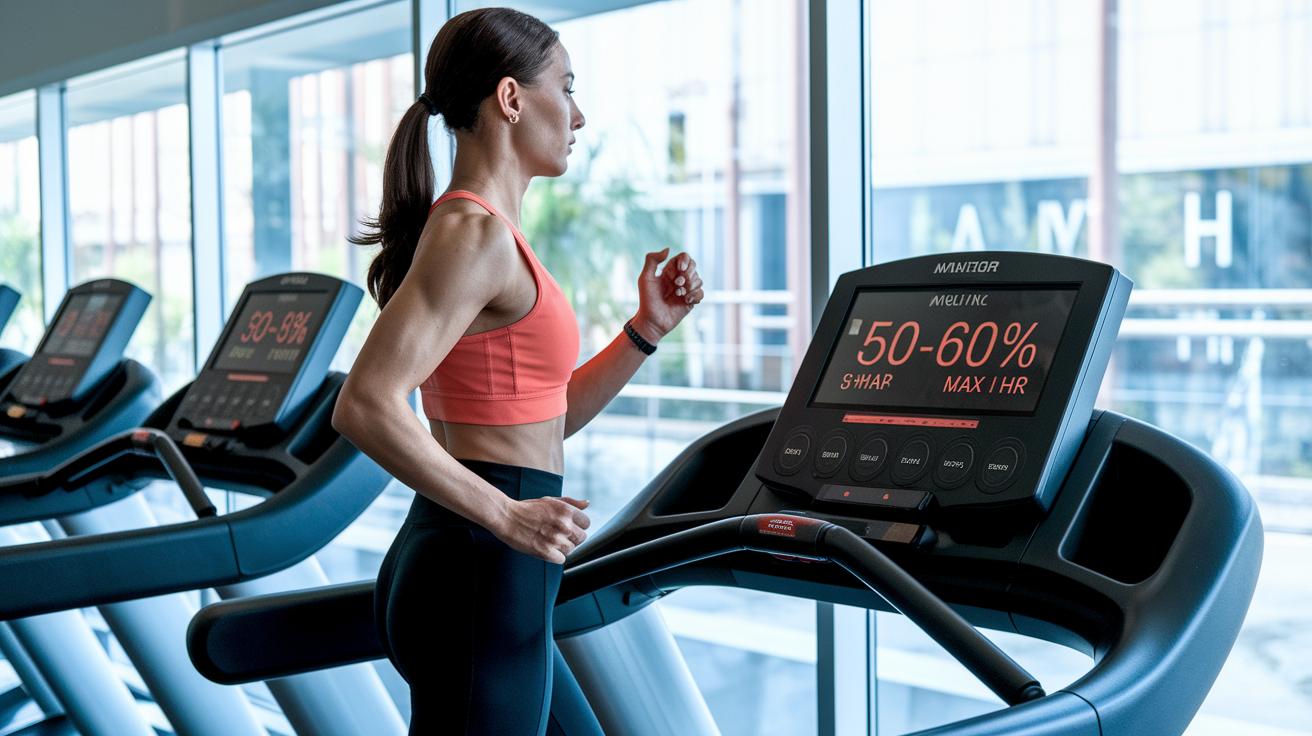
Start your workout with a simple tip, aim for 50 to 60 percent of your maximum heart rate. This puts you in a great fat-burning zone. Begin with a brisk warm-up and then set your treadmill speed between 4 and 6 mph. A slight incline of 1 to 2 percent gives your workout an extra boost while still feeling comfortable.
Curious about how many calories you burn? Here’s an easy way to figure it out: multiply your weight (in pounds) by the distance (in miles) and then by 0.53. For example, if you weigh 150 pounds and jog a mile, you get a neat estimate of your calorie burn. It’s just a quick math trick that makes your workout more measurable.
For a fresh challenge, try the 12-3-30 routine. This means setting the treadmill at a 12 percent incline, walking at 3 mph, and keeping at it for 30 minutes. It ramps up the intensity just enough to keep your heart in the fat-burning zone without making things too overwhelming. Think of it as adding a pinch of spice to your regular workout.
Here’s a quick summary:
| Target | Detail |
|---|---|
| Heart Rate | 50–60% of your maximum |
| Speed | 4–6 mph |
| Incline | 1–2% (or 12% for the challenge) |
| Duration | 30 minutes or as fits your schedule |
Feel free to experiment with these settings based on how you feel. Listen to your body and tweak the pace or incline as needed. Enjoy your workout and have fun making small changes that lead to big results!
Tracking Progress with Treadmill Pulse and Heart Rate Charts

Tracking your pulse during a treadmill workout is a simple way to steer your exercise in the right direction. You can check your heart rate using the sensors built into the belt or a chest strap. This helps you stay in the target heart rate zones that match your workout goals. Aim for 50–60% of your maximum heart rate, and you’re in the fat-burn zone. Move up to 60–70% for a cardio boost, and reach 70–85% for an extra challenge in the peak zone.
Keeping an eye on your pulse helps you exercise safely while showing you clear signs of progress. Have you ever noticed how a small change, like increasing your pace or raising the incline a bit, can add a spark to your routine? This gradual approach works like a friendly guide, slowly boosting both your endurance and strength.
It’s also smart to check your resting heart rate, which usually ranges from 60 to 100 beats per minute. A lower resting rate might signal that your fitness is improving. Paying attention to these numbers really makes a difference when you’re planning your workouts. Below is a clear chart that shows how age influences your maximum heart rate and the matching exercise zones:
| Age | Max HR (bpm) | Fat-Burn Zone (50–60%) | Cardio Zone (60–70%) | Peak Zone (70–85%) |
|---|---|---|---|---|
| 20 | 200 | 100–120 | 120–140 | 140–170 |
| 40 | 180 | 90–108 | 108–126 | 126–153 |
| 60 | 160 | 80–96 | 96–112 | 112–136 |
cardio training treadmill: Energize Your Cardio Workouts

Before you hit the treadmill, make sure to check with your doctor if you have any heart issues. Ease into your workout with a gentle 5-minute warm-up to get your muscles ready, just like stretching before a morning walk.
During your session, try to keep your heart rate between 70% and 85% of your maximum (that’s the highest number of beats per minute your heart can handle). This sweet spot helps you get the best out of your intervals.
Keep your body aligned by standing tall and landing with a mid-foot strike to reduce pressure on your joints. Imagine the cool freshness of a morning run with every smooth and controlled step.
Don’t forget to stay hydrated, sip about 5-7 oz of water every 15 minutes. Also, take a little time each month to care for your treadmill by lubricating the belt and checking the settings to keep it running great.
Here are the key tips in one place:
- Check with your doctor first if you have heart issues.
- Warm up for 5 minutes before you pick up the pace.
- Aim to keep your heart rate between 70–85% of its max.
- Stand tall and use a mid-foot strike while running.
- Drink 5–7 oz of water every 15 minutes.
- Lubricate the belt and check the settings monthly.
Choosing the Right Cardio Training Treadmill: Feature Comparison
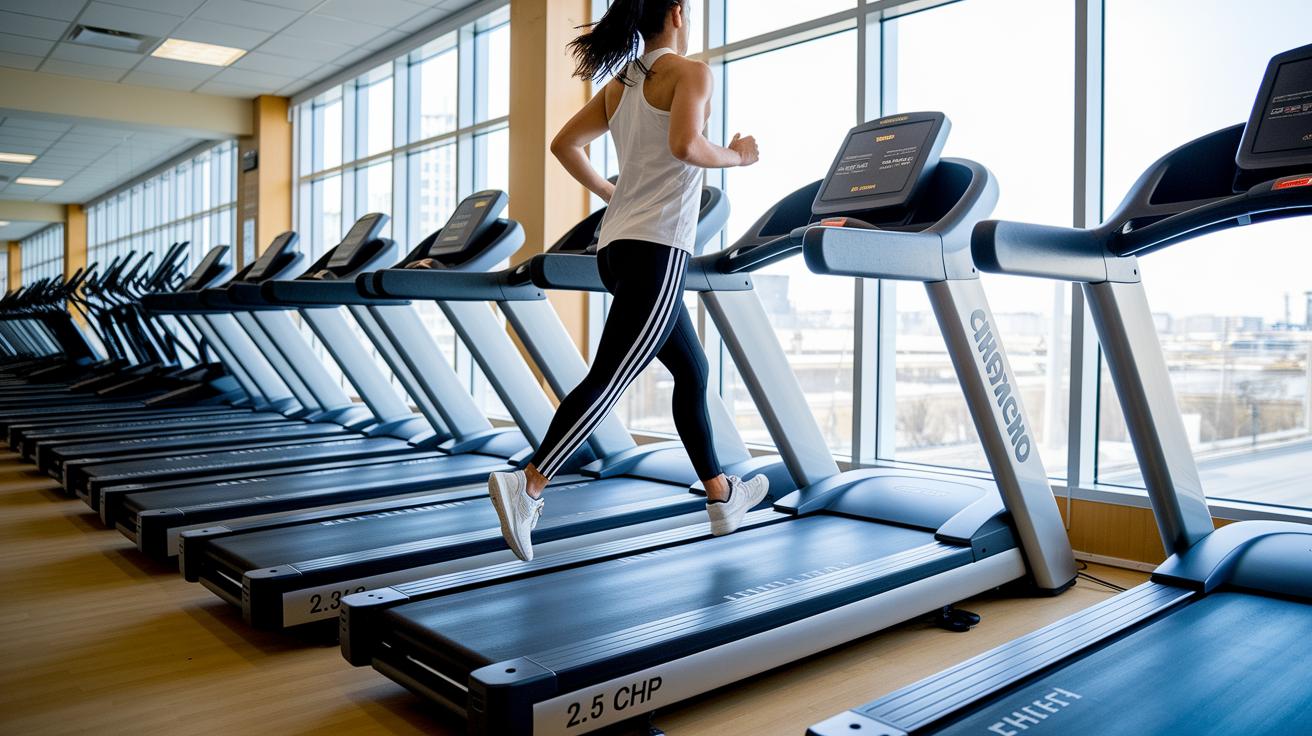
When you're looking for a treadmill for your cardio workout, start by checking out the belt size. A belt that's at least 20″×60″ gives you plenty of room so you can stride smoothly. Think of it like a wide, open running lane where every step feels relaxed and easy.
Next, make sure you check the motor power. A treadmill with 2.5 CHP or more can handle lots of use and let you switch easily between a brisk walk and a fast run. It’s a bit like driving a car that’s built for both city streets and open highways.
Also, consider the incline range. A treadmill that goes from 0 to 12 percent lets you move from flat surfaces to a hill workout. Plus, with good cushioning technology, the machine helps protect your joints, so it feels a bit like running on a gentle, bouncy surface.
Don’t forget about the price and space needs. If you’re on a tight budget, models under $1,000 like the Horizon T101 offer reliable performance. For those who want more features, premium options like the NordicTrack X22i or ProForm Pro 2000 might be the way to go. Many of these machines also come with foldable frames, which is perfect if you have a smaller space.
| Feature | Recommendation |
|---|---|
| Belt Size | 20″×60″ or larger |
| Motor Power | 2.5 CHP or more |
| Incline Range | 0–12% |
| Additional Options | Cushioning tech & foldable frame |
| Budget | Under $1,000; Premium: NordicTrack X22i, ProForm Pro 2000 |
Maximizing Cardiovascular Gains in Treadmill Cardio Training

Begin by slowly increasing your treadmill’s speed and incline. This approach gently challenges your body over time. Think of it like tightening a screw, a little more each session until everything fits just right. For instance, after five minutes at a comfy pace, raise the speed by 0.5 mph and add a slight incline, then fine-tune these settings in later workouts.
Next, add a steady workout, often called LISS (Low-Intensity Steady State), into your weekly routine. Try to work out for 30 to 60 minutes at about 55–65% of your maximum heart rate (the fastest your heart beats during exercise). This relaxed pace, when balanced with higher-intensity days, boosts endurance and helps lower the chance of injury.
Mix these steady sessions with interval workouts to build a balanced plan. Aim for three to five treadmill workouts each week. For example:
| Workout Type | Frequency |
|---|---|
| Steady-State LISS | 2 days (30–60 minutes each) |
| Interval Training | 2 days (alternating intense bursts with recovery) |
Finally, keep track of your progress with a fitness tracker to monitor your heart rate and workout intensity. As you gain strength and endurance, adjust your speed and incline to keep challenging your cardiovascular system.
Final Words
In the action, we've unpacked all you need to kick off your treadmill routine, starting with machine setup, proper pacing, and safe form basics. We walked through designing HIIT intervals, setting up a fat-burning program, and tracking heart rate zones for smarter sessions. Each tip works to boost your endurance and overall health using a cardio training treadmill. Keep experimenting with intervals and steady-state days, knowing every step brings you closer to a more active, healthier life. Enjoy the ride and progress gradually!
FAQ
What are the benefits of cardio training on a treadmill?
Cardio training on a treadmill improves heart health, burns calories, and builds endurance. It provides a safe, controlled workout that suits various fitness levels and goals.
How does the 12-3-30 treadmill workout work and is it effective?
The 12-3-30 workout uses a 12% incline at 3 mph for 30 minutes. It promotes fat burning by keeping your heart rate in a targeted zone, making it a practical option for weight loss.
What treadmill workouts support weight loss?
Treadmill workouts for weight loss combine steady-paced walking or jogging with interval challenges. These sessions help keep your heart rate in a fat-burning zone, maximizing calorie burn and overall fitness.
What treadmill cardio workouts are best for beginners?
Beginner treadmill workouts should start with a short warm-up, followed by low-speed walking with a slight incline to build endurance. Gradually increasing the intensity helps maintain a safe, effective exercise routine.
What features define the best cardio training treadmills for home use?
The best home treadmills offer strong motors, clear display screens, adjustable inclines, and compact designs. Comparing models like NordicTrack and Peloton helps you balance performance with cost and space.
How is heart rate managed on treadmills by age?
Heart rate on treadmills is managed by calculating your maximum heart rate as 220 minus your age. Then, working at 50–85% of that value ensures safe and effective exercise intensity.
What is a good treadmill cardio workout like the 5-4-3-2-1 workout?
The 5-4-3-2-1 treadmill workout alternates interval bursts with recovery periods. This session design boosts cardiovascular fitness and calorie burn by mixing high-intensity segments with rest.
How can I find a NordicTrack repair technician near me?
NordicTrack offers support through its website and customer service hotline, where you can locate a certified repair technician in your area for maintenance and repairs.
Which treadmill workout is considered the best?
The best treadmill workouts combine proper warm-up, steady-state exercise, and interval bursts. This mix improves cardiovascular health, promotes calorie burn, and adapts well to different fitness levels.