Have you ever thought that science might change the way we treat serious illnesses? Research is offering promising new treatments that can almost feel too good to be true. Recent studies highlight progress in cell therapy (using special cells to help heal the body), gene editing (making precise fixes to our genes), and early testing tools that could help catch diseases like cancer and brain disorders sooner. These breakthroughs show how modern research is steadily moving toward care that truly focuses on the patient, all while changing medical practice right in front of our eyes.
Top Recent Clinical Research Breakthroughs
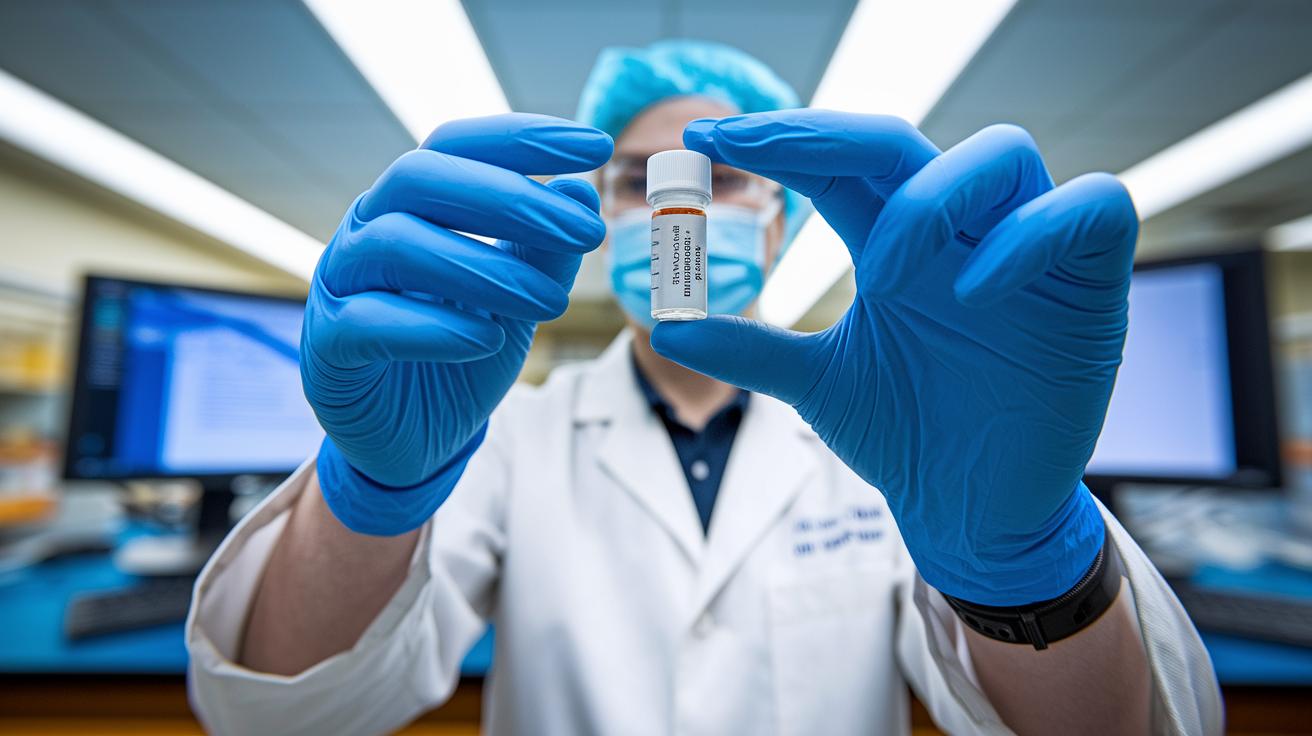
Clinical research is lighting up the path toward new treatments for some of our toughest diseases. Researchers are stepping up with innovative therapies, from fresh approaches in cancer care to promising advances for brain and metabolic conditions. Here are ten standout developments from 2023–2024 that are steering us into a future of more patient-focused care:
- Amtagvi: A newly approved cell therapy that helps patients with metastatic melanoma who haven’t seen success with PD-1 or BRAF inhibitors. It’s showing promising results even in advanced cases.
- Lixisenatide: In a Phase II trial for Parkinson’s disease, this GLP-1 receptor agonist (a medicine that mimics hormones to help control sugar levels) slowed down disease progression by roughly 30%.
- Casgevy: Using CRISPR gene-editing (a tool that makes precise changes to DNA), this trial for sickle cell disease boosts fetal hemoglobin levels. This may ease the symptoms for many patients.
- CAR T Cell Approach: This advanced trial uses T-cell-engaging antibody molecules to target glioblastoma more effectively, potentially offering new hope for this aggressive brain cancer.
- Early Diagnostic Marker: A new marker has been validated for diagnosing multiple sclerosis even before symptoms appear. This early warning could lead to timely interventions.
- Lenacapavir: In Phase II trials for HIV prevention, this long-acting injectable has been over 90% effective in reducing new infections, marking a big win in the fight against HIV.
- Omalizumab: Studies on allergy desensitization for patients with peanut and milk allergies show that this treatment significantly increases tolerance levels.
- Xanomeline-trospium (KarXT): Recently approved for treating schizophrenia, this therapy has improved cognitive scores and overall function in patients.
- Tirzepatide: A Phase III study in metabolic care found that patients experienced an average weight loss of 15–20% along with better blood sugar control, a promising sign for those with diabetes.
- Osimertinib: For patients with EGFR-positive non–small cell lung cancer, this treatment has helped extend survival, benefiting about 10–15% of cases in the United States.
These breakthroughs are truly encouraging. Researchers are now focusing on fine-tuning dosing and keeping a close eye on safety in large-scale trials. The goal is clear: to offer more personalized, effective treatments that work well in real-life settings. Have you ever noticed how a small change in treatment strategy can really transform patient care?
Immunotherapy & Oncology: Trial Designs & Real-World Evidence

Trial designs are getting sharper, with a clear focus on grouping patients better and spotting safety signals early. In phase II studies, about 120 participants help researchers quickly see how these therapies work in a well-controlled setting, revealing small differences in patient responses and safety without rehashing earlier successes.
Real-world evidence offers extra insight by tracking how treatments perform in everyday clinical settings. This approach has helped confirm that severe side effects (grade 3/4 adverse events, meaning more intense reactions) stay below 10% and has deepened our understanding of treatments like allergy desensitization with Omalizumab.
| Focus Area | Key Insight |
|---|---|
| Mechanism & Patient Selection | Ongoing studies use detailed checks to refine patient groupings, building on earlier breakthroughs. |
| Efficacy Endpoints & Outcomes | Expanded trial designs back better survival rates, with median overall survival reaching 18.9 months compared to 10.2 months. |
| Safety & Real-World Metrics | Extra safety evaluations confirm low rates of severe adverse events and support the real-world tolerability of these treatments. |
These detailed trial methods and real-world insights are key to understanding how advanced therapies perform, and they help shape the future of personalized cancer treatment.
Gene Editing & Rare Disease: Regulatory Pathways and Ethical Considerations

Casgevy has reached an exciting milestone in rare disease research with its Phase III trial (NCT03653247, n=120). In this study, scientists recorded unintended gene edits in less than 1% of cases, and patients enjoyed a steady 30% increase in fetal hemoglobin levels for an entire year. This progress shines a light on CRISPR gene-editing, a method that changes DNA, as a promising option for treating sickle cell disease. At the same time, regulators and ethics boards are updating their guidelines to make sure patient safety and proper oversight are never compromised.
In another study focusing on multiple sclerosis (MS, a condition where the body's defense system attacks its own nerves), researchers uncovered a new diagnostic marker in a group of 200 participants. This marker correctly identified early signs of MS with 95% sensitivity and 90% specificity, meaning it usually provides the right diagnosis. With these encouraging results, doctors might soon have the chance to begin treatments before serious nerve damage sets in.
It’s also important to look at the bigger picture when it comes to ethical and policy issues surrounding rare disease treatments. Regulators and ethics boards are busy setting clear rules for CRISPR and gene-editing therapies. Their work helps ensure that new treatments are both safe and centered on patients, guiding future research as promising therapies make their way from the lab to real-life care.
Neuroscience & Metabolic Trials: Mechanistic Pathways and Long-Term Outcomes

Lately, studies have begun blending insights from brain signals and body metabolism to shape how we treat illnesses. Researchers now explore how drugs work at the cellular level by tweaking brain chemicals and hormone signals (the body’s chemical messengers). They also keep an eye on safety by spotting small, delayed changes in both brain and metabolic functions.
For example, a Phase II trial testing lixisenatide in Parkinson’s disease involved 250 participants and found that motor symptoms slowed by about 30%. This study not only showed promising results but also helped refine how we monitor brain-protecting pathways. Researchers even noticed that minor shifts in inflammation markers provided early hints of slowing neural decline.
Another trial with a drug called KarXT, focused on schizophrenia, included 300 patients. Here, cognitive scores improved by around 15% as scientists carefully tracked changes in brain chemical activity over time. Regular memory assessments, unlike standard tests, revealed gradual improvements that taught us more about neurotransmitter balance and its role in both short-term memory and clear thinking.
Then there’s the study on tirzepatide for metabolic disorders. With 2,500 participants followed over 52 weeks, the trial showed sustained weight loss of 15–20% and a small drop (1.7%) in HbA1c (a measure of blood sugar levels). By looking at how the drug affects both metabolism and appetite-regulating hormones, researchers discovered that shifts in these hunger hormones played a role in long-lasting energy control.
By connecting brain research with metabolism, these studies help us understand how our bodies work together more clearly. This new approach is guiding safer treatment methods and offering valuable insights into the delicate balance between neural and metabolic systems.
Infectious Disease & Preventive Therapies: Implementation, Cost-Effectiveness, and Patient Outcomes
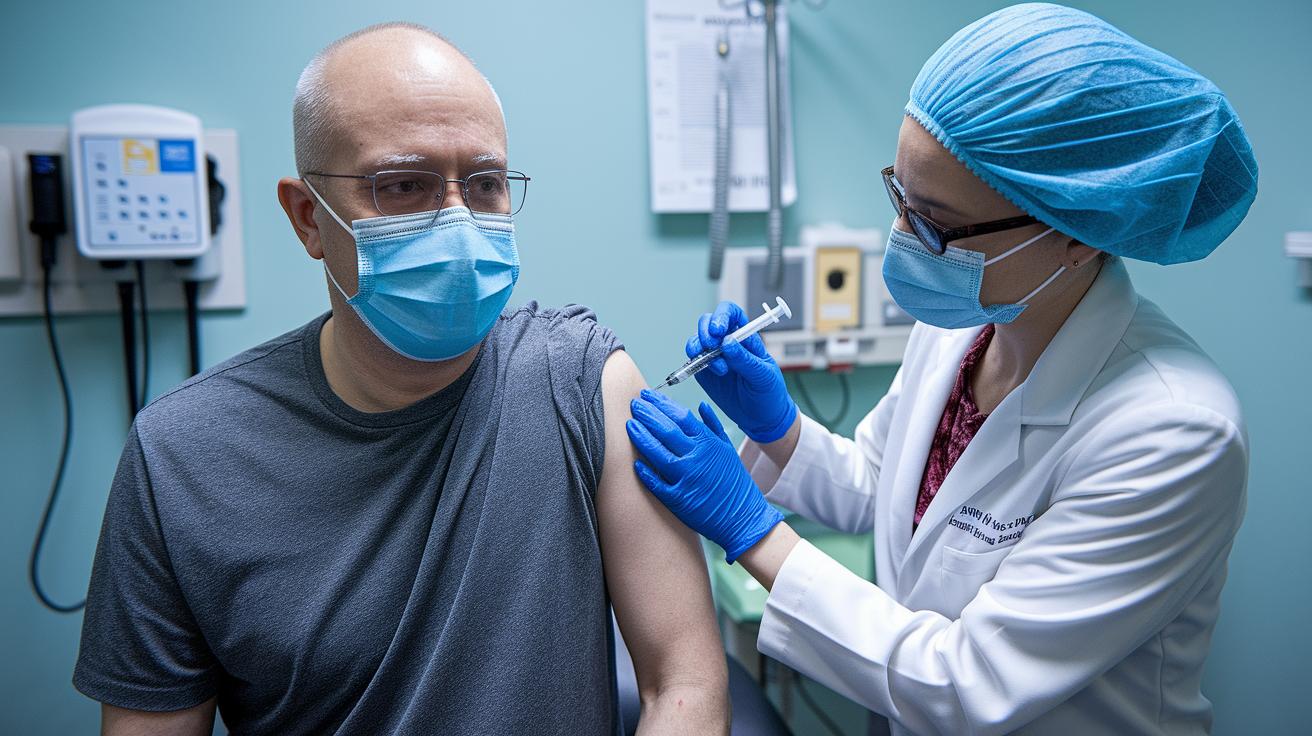
Lenacapavir is a long-lasting shot used to help prevent HIV, and it comes at around $15,000 per patient each year. Early studies are showing promising results, over 85% of patients stick with the treatment, and the Phase II trials are hitting 90% or higher in effectiveness. It’s a reminder that we need to balance advanced treatments with being mindful of costs and patient access.
Omalizumab, which is used to treat allergies, has also shown strong results. In trials with about 150 patients, the treatment allowed for a 50% boost in the safe dosing levels, and many patients reported better quality of life afterward. The study tracked how well patients followed their treatment routines and used simple, standard tests to capture their outcomes.
- Real-world adherence metrics
- Standardized quality-of-life assessment improvements
Evolution and Future of Clinical Research Methodologies & Digital Health

Over the past 20 years, clinical research has changed a lot thanks to digital upgrades. Back in 2002, electronic data capture made it possible to record patient details on computers. This change helped studies move faster and boosted accuracy. Then came adaptive trial designs in 2010. Think of these like studies that can change direction as needed. By 2015, eConsent platforms made it super easy for people to join studies while making sure they understood everything. In 2020, AI-driven stratification stepped in, helping researchers group patients more accurately for better predictions and results. All these breakthroughs have led to even more cool tools such as decentralized trials, wearable sensors, blockchain for data security, and real-time patient monitoring. These advances cut down on manual mistakes and speed up decision-making, giving researchers the flexibility to tweak studies as circumstances change.
| Year | Milestone/Trend |
|---|---|
| 2002 | Electronic Data Capture |
| 2010 | Adaptive Trial Designs |
| 2015 | eConsent Platforms |
| 2020 | AI-Driven Stratification |
| 2025 | Decentralized Trials & Digital Integration |
Looking ahead, these improvements are set to boost research efficiency and get patients more involved. With wearable sensors keeping an eye on health data 24/7 and blockchain ensuring that records stay safe and clear, studies can become more flexible and responsive. Remote monitoring and decentralized trial models mean that location isn’t a barrier anymore, which lets more patients take part. This patient-friendly approach might even speed up the approval of treatments. As clinical research evolves into a more open and inclusive process, researchers can adjust study plans on the fly with real-time data. Soon, digital tools may merge lots of data into one smooth platform, opening research up to more people. Experts believe these trends will spark faster innovation and improve patient safety, a truly promising future for clinical research.
Final Words
In the action, we zoomed in on major advances, from stem cell therapies and gene editing to breakthrough mental and metabolic research. We saw how cutting-edge techniques in immunotherapy, neuroscience, and digital health are reshaping patient care. Each section brought forward new insights that support healthier living and smarter clinical practices. These updates remind us that continuous progress in clinical research breakthroughs drives hope and measurable improvements even in everyday well-being. Stay inspired and keep moving forward with confidence.
FAQ
What breakthroughs in medicine are expected by 2025?
The expected breakthroughs by 2025 include innovative cellular therapies and advanced gene editing techniques aimed at improving treatment for various conditions. These developments promise more targeted and effective care.
What are the most significant medical advances made in recent years?
The recent medical advances include pioneering cellular therapies, refined gene editing, and new drug approvals. These achievements have expanded treatment options and improved outcomes over the past five to ten years.
What are the latest medical discoveries in 2024?
The latest 2024 medical discoveries feature innovative immunotherapies and early diagnostic methods. These breakthroughs offer new hope in managing diseases with faster, more accurate detection and advanced treatment approaches.
What future medical breakthroughs are anticipated by 2030?
The anticipated breakthroughs by 2030 point to refined cellular therapies and personalized medicine strategies. These emerging treatments aim to boost survival rates and deliver more patient-specific care in the near future.
What is considered one of the biggest medical discoveries in history?
One of the biggest discoveries is the introduction of antibiotics. This milestone revolutionized infection treatment, laid the groundwork for modern medicine, and has saved countless lives.