Have you ever thought about how new health discoveries might brighten your tomorrow? Recent progress in gene editing, AI diagnostics (using smart computer tools to spot health problems), and even quantum computers for drug research is making that idea real. These advances bring hope for better treatments and a healthier life. Today, we’re diving into CRISPR therapies (a way to fix genes), detailed single-cell studies (examining one cell at a time), and new regenerative methods that are changing medical care. Every new finding helps pave the way to better health for everyone.
Emerging Health Research Breakthroughs: 2025 Overview
New and exciting advances are lighting the way for a healthier tomorrow. This year has seen major milestones like the FDA giving the green light to the first CRISPR-Cas9 treatment, along with several trials targeting genetic disorders. Researchers are also boosting their AI projects by cleaning up data, which helps create better and more accurate diagnostic tools. Meanwhile, fresh ideas in molecular editing are leading to new types of chemical structures that go beyond the old methods. And then there’s the first quantum computer made just for drug discovery, promising simulations that are faster and more precise.
There's more good news on the horizon. Big breakthroughs in single-cell analysis, currently worth around $4.34 billion, are showing strong growth potential. Regenerative treatments, such as corneal stem cell transplants, have even helped patients regain vision years after the procedure. In reproductive medicine, innovations like artificial ovaries are offering new hope for fertility issues that affect millions. Plus, new immunotherapies, including CAR T-cell treatments, are now showing promise in helping patients with glioblastoma live longer, alongside fresh gene therapy methods like Bridge RNAs and otoferlin interventions.
- CRISPR therapeutics
- AI-enhanced medical research
- Novel molecular editing
- Quantum computing in drug simulations
- Single-cell analysis
- Regenerative stem cell therapies
- Artificial ovary development
- CAR T-cell and gene therapies
CRISPR Therapeutics in Emerging Health Research Breakthroughs

Scientists are now using CRISPR gene editing with new delivery methods that put the editing tools right into a patient’s tissues. They use tiny carriers, either virus-based (tools made from harmless viruses) or non-viral, to make small cuts in the DNA and fix genetic mistakes. Right now, studies are at various stages, from early safety tests (Phase I) to more advanced evaluations (Phase III) that help us learn about safety, proper dosage, and long-term effects. For example, in a recent Phase II trial, more than 75% of liver cells had their genetic defect corrected with a new lipid nanoparticle delivery system.
- CRISPR projects are checking how well these lipid nanoparticle carriers work to target liver cells for fixing metabolic issues.
- Several clinical studies focus on detailed results from Phase II trials to measure exactly how well gene corrections work in blood disorders.
- New trials are also testing in vivo treatments, such as gene editing in the eye, and they track improvements using smart imaging techniques.
Researchers are also using molecular editing tools to create new chemical frameworks that speed up the discovery of small-molecule drugs. This helps scientists design medicines that target specific cell pathways, opening up fresh options for personalized healthcare.
AI, Machine Learning, and Quantum Computing in Emerging Health Research Breakthroughs

AI is making it easier for researchers to study health by cleaning and checking clinical data. New systems work like a helpful friend, ensuring every number in a lab report is reliable, just like making sure you have the right ingredients when you cook. This means doctors and scientists get clearer insights for better patient care, all thanks to teamwork between data experts and lab specialists.
Quantum computing is stepping in to handle really tricky molecular simulations. Imagine trying to explore a huge map with many roads all at once, that’s how these simulations work. With the first quantum computer set up for healthcare, scientists can now test drug ideas faster and more precisely. This breakthrough speeds up the journey from experiments in the lab to actual treatments that help people.
Machine learning is another powerful tool in this mix. It goes through heaps of health data, picking up small clues that predict patient outcomes. Think of it like a personal weather report for your body; subtle signs hint when you might need a little extra care. By catching these signals early, healthcare moves from reacting to problems to preventing them, making treatments more personal and effective.
Omniomics and Single-Cell Analysis: Emerging Health Research Breakthroughs in Precision Medicine
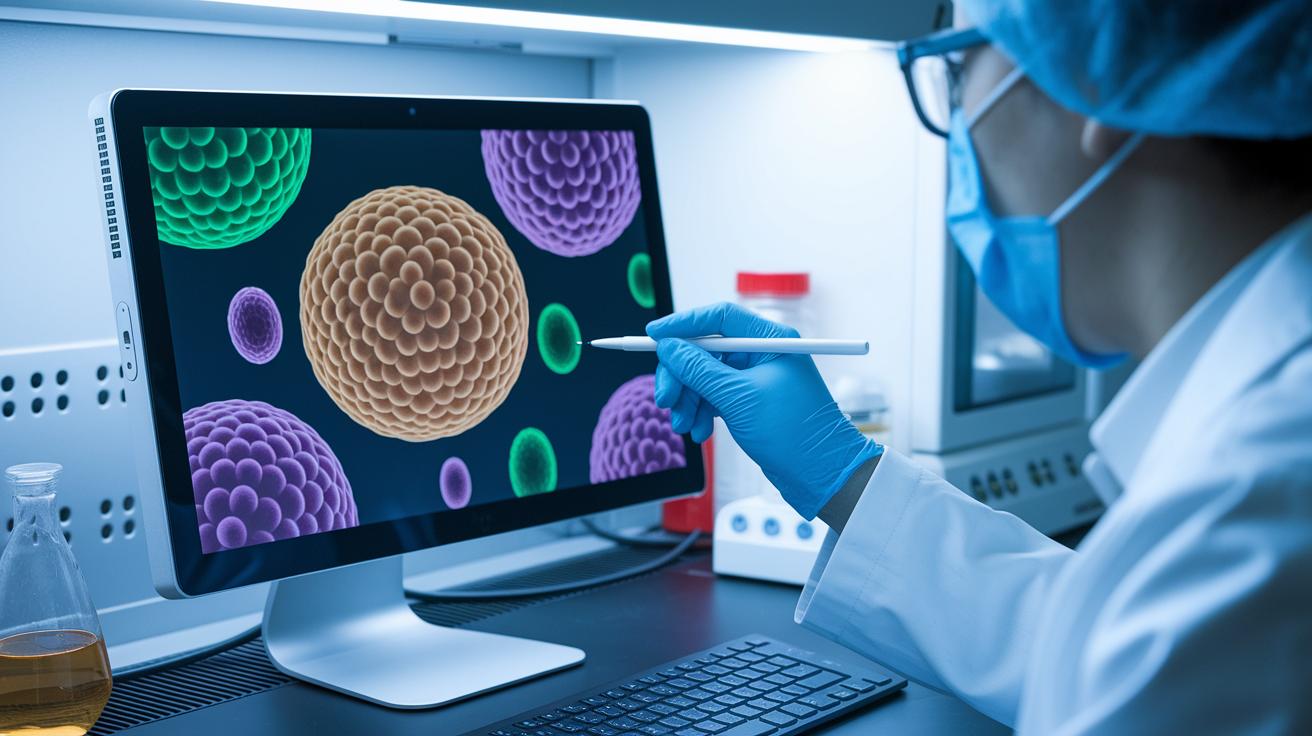
Single-cell profiling is changing how we understand health by letting scientists look at each cell one at a time. This careful look can catch early signs of illness that older methods might miss. In fact, the market for this technology was valued at $4.34 billion in 2023 and is expected to grow by 18.7 percent through 2030. It’s like reading every single page of a giant book to spot tiny clues.
Omniomics brings another layer by blending various types of biological information. This means all the little details come together to help tailor treatments just for you. Imagine putting together a puzzle where every piece improves the picture of your health.
The mix of omniomics and single-cell analysis is opening up a smoother road to precise, fast diagnoses. This progress promises more accurate tests and a boost in patient care, setting the stage for the next era of digital medicine.
These breakthroughs spark hope for better healthcare and inspire researchers to push for even more innovative solutions. It’s amazing how a small shift in approach can make such a big difference.
| Single-Cell Modality | Clinical Application | Brief Description |
|---|---|---|
| Flow Cytometry | Cancer Diagnosis | Sorts and counts cells by detecting special labels. |
| Single-Cell RNA Sequencing | Genetic Disorder Screening | Checks how genes are working in each cell. |
| Mass Cytometry | Immune Profiling | Measures how proteins show up in cells to understand immune responses. |
The combination of these methods is lighting the way toward better precision medicine, promising faster insights and improved treatments. It’s a reminder that innovative ideas today can shape the health solutions of tomorrow.
Regenerative Medicine Breakthroughs: Stem Cell Therapies in Emerging Health Research Breakthroughs

Scientists have made impressive progress using corneal epithelial sheet transplants made from iPS-derived cells. In one case, four patients aged 39 to 72 regained clear vision, and they have enjoyed these benefits for 4 to 5 years. Just imagine the joy of seeing clearly again, this shows how lasting regenerative treatments can be.
Now, researchers are taking similar stem cell methods to other areas like the heart, cartilage, and nerves. They are exploring ways to help damaged tissues work normally once more. The clear, positive results from the cornea treatments give us tangible examples of what advanced regenerative therapies can achieve.
Next-Generation Gene Therapies as Emerging Health Research Breakthroughs
Gene platforms are changing how we treat genetic and sensory problems. New advances in molecular medicine are digging deep into the DNA to fix mistakes right at the source. These approaches aim to tackle rare diseases by addressing their root causes. This means that conditions once thought to be permanent might become easier to handle. Scientists are also testing fresh techniques that build on older methods like CRISPR (a tool used to edit genes) while working with the body’s natural repair systems.
- Bridge RNAs help fix single-gene mutations more precisely when CRISPR isn’t enough.
- Otoferlin gene therapy brought back hearing in a young child by repairing the ear’s communication pathways.
These breakthroughs aren’t just successes in the lab, they’re paving the way for better patient care. Early studies are speeding up the journey from research to real treatments. Researchers are taking careful steps to learn how these therapies work, with the goal of reducing risks and boosting long-term benefits. This progress not only lifts hopes for people with rare genetic and sensory issues but also sets a new standard in today’s health research. With ongoing studies and growing clinical evidence, these next-generation gene therapies might soon be a regular part of treatment for many.
Immunotherapy Developments in Emerging Health Research Breakthroughs
Glioblastoma is a very tough type of brain cancer. On average, people diagnosed with it may only have about 15 to 18 months to live. Now, researchers are exploring a new method using special immune cells called CAR T-cells (engineered cells that help fight cancer). These cells were first used to treat blood cancers, but scientists are now trying to make them work against solid tumors like glioblastoma. Early trial results show that some patients are enjoying longer periods without the cancer growing. One study even mentioned, "Sometimes a small breakthrough can change the outlook," which has lifted the hopes of both patients and doctors.
Expanding these CAR T-cell treatments to target solid tumors is sparking fresh excitement in the field of precision oncology (a way to tailor treatments to each patient’s specific cancer). The early results are encouraging, suggesting that these therapies might slow tumor growth and help keep the cancer at bay for longer. Researchers are carefully adjusting these treatments for different types of tumors, learning each step of the way how to make them work best for every patient. This effort is not just pushing the limits of current cancer research, it’s also opening doors to innovative and personalized treatment options that many find hopeful.
Reproductive Medicine Innovations in Emerging Health Research Breakthroughs
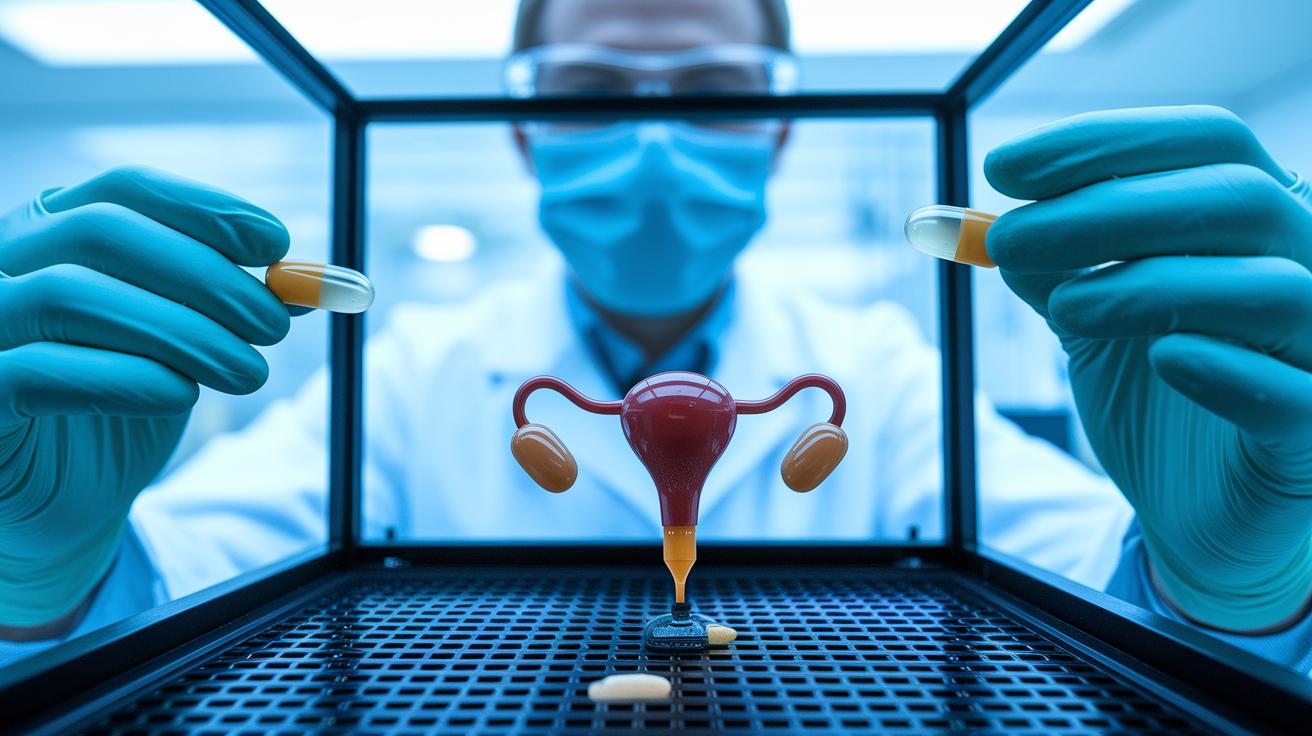
Scientists are working on new artificial ovary models to help about 13.4% of women aged 15 to 49 who face fertility challenges because of PCOS (a condition where the ovaries have many small cysts), endometriosis (when tissue similar to the womb lining grows in the wrong place), or the effects of chemotherapy. Imagine setting up a small, nurturing greenhouse where delicate seeds can grow safely, that's the idea behind these lab-made environments.
Early lab studies are trying out smart techniques that use special support structures and gentle capsules to protect tiny egg cells. Think of it like building a cozy little nest for each cell until it’s ready to do its job. Early signs are promising, and researchers are excited by how these safe spaces might help the cells grow better.
There are still challenges in turning this lab success into a real treatment. Scientists need to make sure that these new methods are safe over time, that the cells get the right nutrients, and that natural hormone cycles are properly mimicked. Researchers remain hopeful that once these hurdles are overcome, this breakthrough could truly transform fertility care for many women.
Breakthrough Clinical Trials Shaping Emerging Health Research Breakthroughs
Late-stage clinical trials are fast-tracking new drug discoveries that could help address long-standing health challenges. Researchers are carefully checking these treatments to make sure they’re safe and effective, paving the way for approval and everyday use.
| Drug | Indication | Mechanism | Trial Phase |
|---|---|---|---|
| Lenacapavir | HIV Prevention | Long-acting capsid inhibitor | Phase III |
| Omalizumab Injection | Food Allergy Prevention | Monoclonal antibody that binds IgE | Phase III |
| Xanomeline-trospium (KarXT) | Schizophrenia | Modulates neurotransmitter activity | Phase III |
| Tirzepatide | Weight Loss/Diabetes Management | Dual GLP-1/GIP receptor agonist | Phase III |
| Osimertinib | EGFR-positive NSCLC | Targeted EGFR inhibitor | Phase III |
Each study shows great promise. The drugs being tested could change treatment plans in real ways, giving patients more precise and effective care. With these final evaluations wrapping up, it won’t be long before these new therapies become a regular part of how we manage health and fight disease.
Final Words
In the action, we explored key areas like CRISPR therapies, AI and quantum computing, and regenerative medicine. Our overview also touched on breakthroughs in single-cell analysis, next-generation gene therapies, immunotherapy, reproductive innovations, and clinical trials.
By highlighting these topics, the blog post shows how emerging health research breakthroughs are reshaping treatments and helping us live healthier lives. Every bit of progress makes a difference and keeps hope alive.
FAQ
What do medical breakthroughs expected by 2025, 2030, and the next 10 years mean for health research?
The concept of future breakthroughs means that innovative therapies—such as advanced gene editing, AI-guided diagnostics, and regenerative techniques—are set to reshape treatment options by 2025 and extend into the next decade.
What do the latest medical discoveries and articles from 2024 reveal about new research?
The latest 2024 discoveries reveal progress in CRISPR therapies, AI-driven research, and quantum computing for drug development. These findings underscore a fast-growing trend toward more precise and personalized healthcare solutions.
How do historical breakthroughs and advances from the last 5 years inform current medical research?
Lessons from historical breakthroughs, combined with recent advances in gene therapies and immunotherapy, demonstrate a foundation for today’s innovations. They highlight how past successes drive ongoing improvements in treating various conditions.