Pregnancy and early motherhood are feats of biology that place enormous nutritional demands on a woman’s body. Nature will always funnel vitamins, minerals, fat, and protein toward the growing baby first—often at the expense of the mother’s own reserves. That is why chronic deficiencies tend to surface during this season of life. The solution isn’t fad dieting or expensive supplements, but a return to nutrient-dense, whole foods that replenish what the baby borrows. From collagen-rich broths to pasture-raised eggs, here are nine evidence-backed foods and practices that will help moms stay strong, energized, and resilient throughout pregnancy, breastfeeding, and beyond.
1. Sip on Collagen-Rich Broth Daily
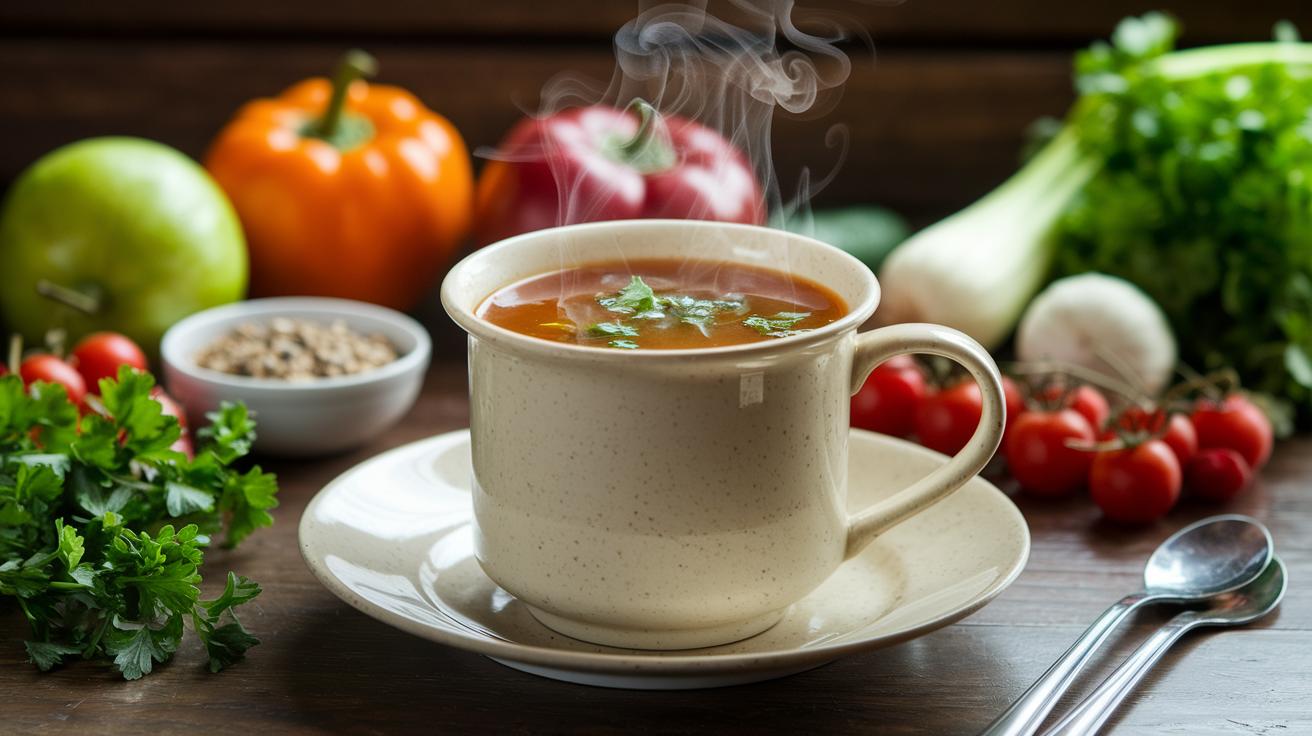
A slow-simmered, gelatinous broth made from pasture-raised bones delivers collagen, glycine, proline, and easily absorbed minerals like calcium and magnesium. These compounds support tissue repair, keep joints supple under the extra pregnancy weight, and strengthen a baby’s rapidly forming bones and cartilage. Add vegetables, herbs, and a splash of apple-cider vinegar to draw even more nutrients from the bones. Aim for one warm mug in the morning and another in the evening; it’s hydrating, easy on queasy stomachs, and a comforting ritual that doubles as natural electrolyte replacement.
2. Embrace Nose-to-Tail Eating
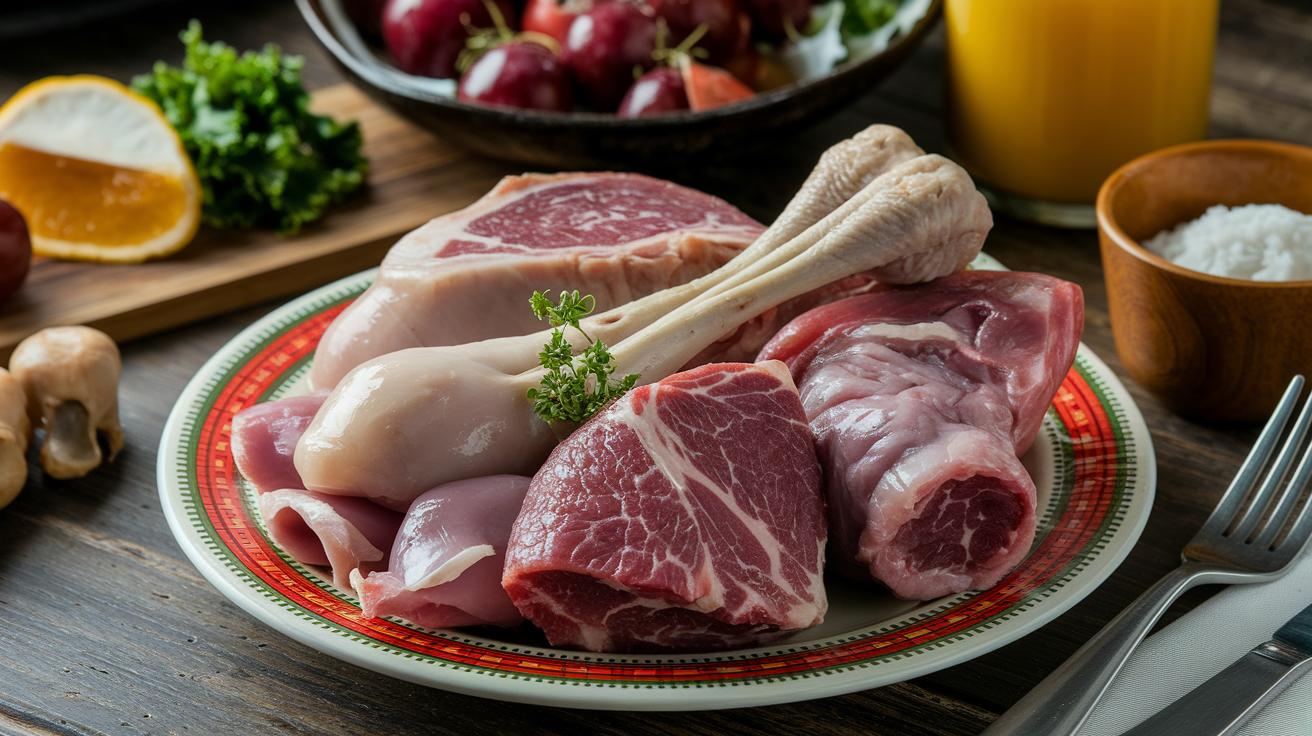
Modern diets focus on muscle meat, but ancestral cultures prized the whole animal for a reason. Skin, tendons, marrow, and organ meats are loaded with vitamins A, D, K2, and essential fatty acids that regulate fetal development and post-partum hormone balance. Try adding ox-tail to stews, tossing chicken feet into stock, or blending heart and kidney into ground beef. This balanced amino-acid profile prevents the depletion of glycine, an amino acid critical for collagen formation and healthy uterine expansion.
3. Prioritize Fatty Wild Fish
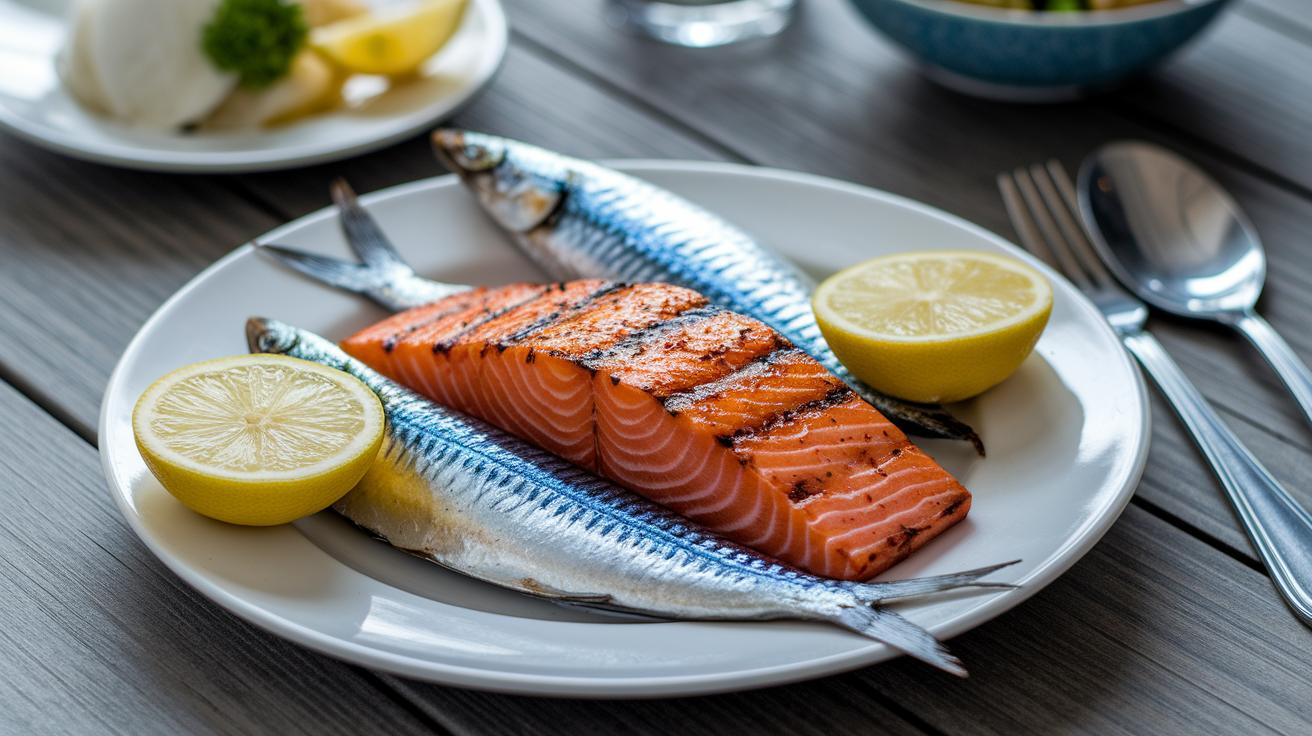
Wild-caught salmon, sardines, and mackerel supply DHA and EPA, omega-3 fats vital for building a baby’s brain, retina, and nervous system. They also reduce maternal inflammation and lower the risk of postpartum depression. Aim for two to three palm-sized servings per week. Canned sardines are a budget-friendly option that come with edible bones, delivering an extra calcium boost. Always choose low-mercury species and, if grilling or baking, keep the skin on for an additional dose of collagen peptides.
4. Grass-Finished Red Meat & Quality Dairy
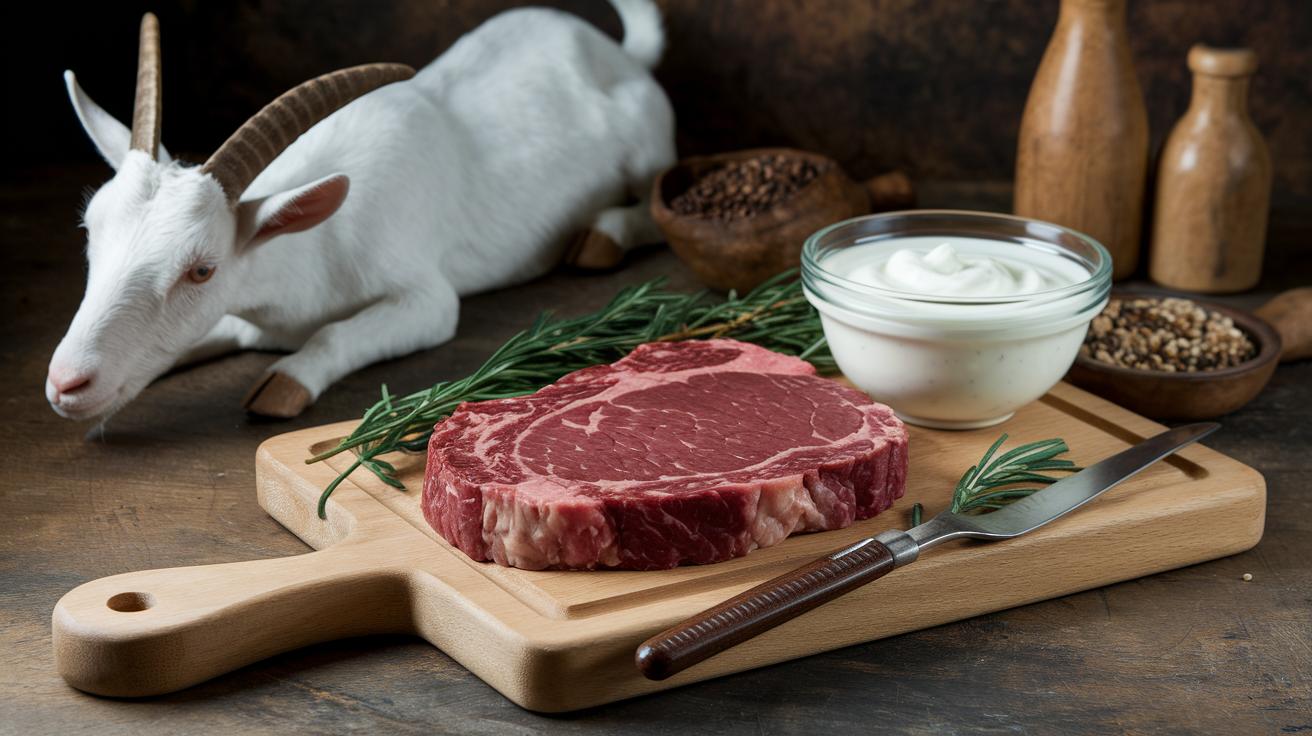
Iron needs nearly double during pregnancy, and heme iron from grass-finished beef or bison is the most absorbable form. Pair it with a side of goat yogurt or kefir for vitamin B12, probiotics, and extra calcium. Together, they stabilize blood sugar, curb cravings, and build the blood volume surge that supports the placenta. Opt for slow roasts, pot-roasts, or ground beef mixed with herbs to maximize tenderness and digestibility.
5. Vitamin-C Citrus & Energy-Rich Carbs
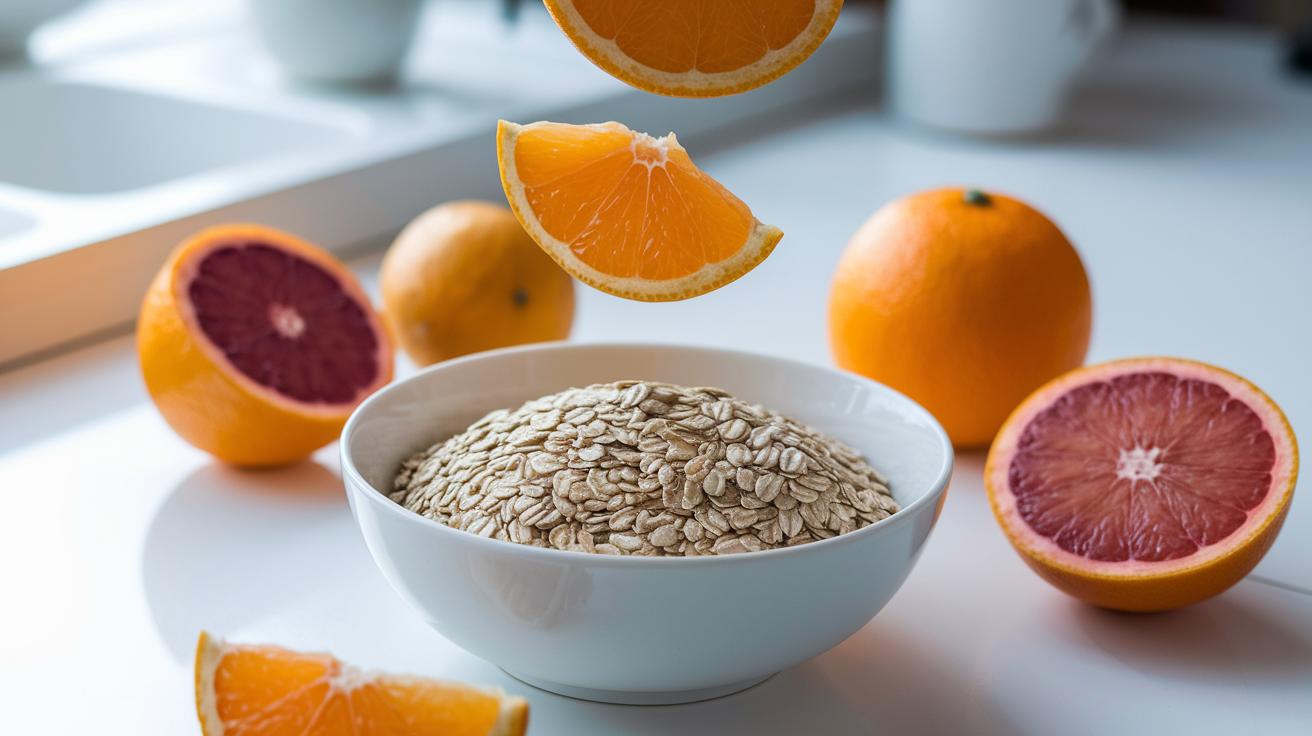
Fresh oranges, grapefruits, and lemons are packed with vitamin C, a co-factor for collagen synthesis and iron absorption. Combine them with soaked white rice, baked potatoes, or sprouted oats to provide sustained glucose, the primary fuel for both mom and baby. Soaking and sprouting reduce phytic acid, unlocking magnesium and zinc while making carbs gentler on sensitive digestive tracts. Toss citrus segments over a breakfast bowl of warm sprouted oats for a synergistic nutrient kick.
6. Liver in Small but Mighty Doses
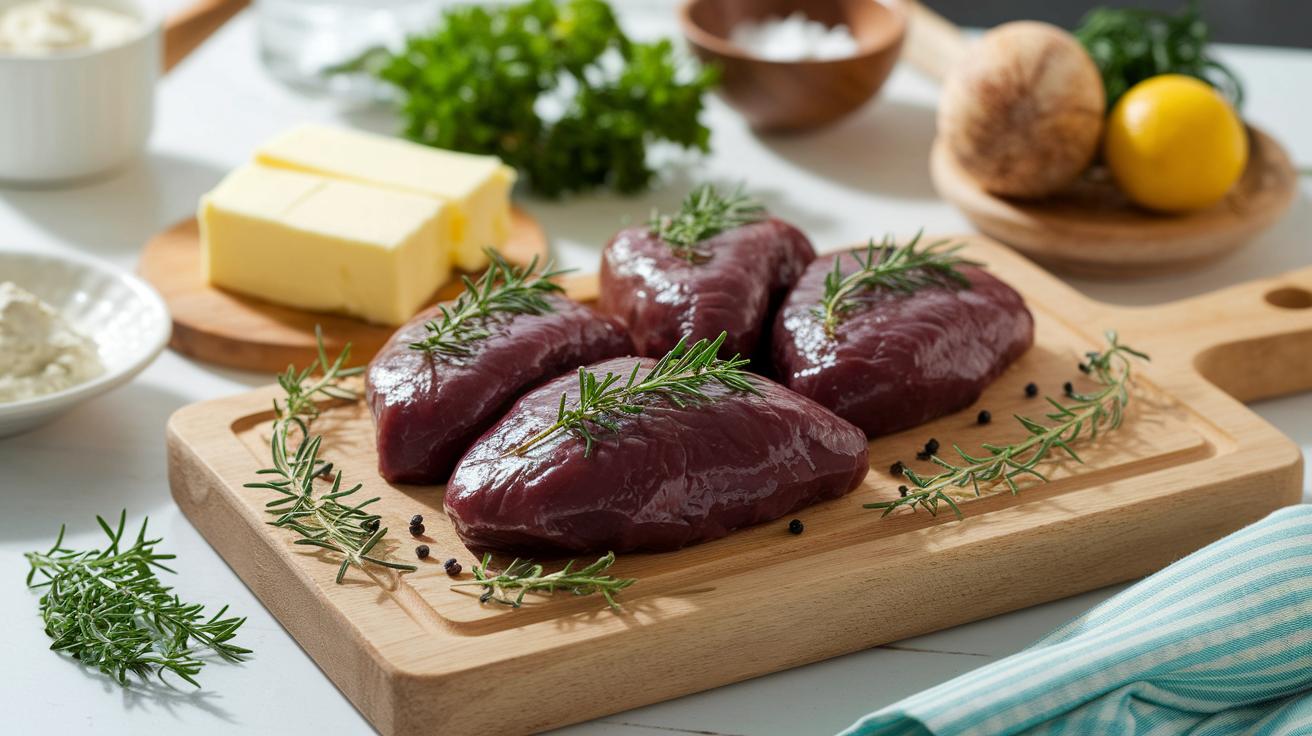
Chicken or beef liver is nature’s multivitamin, rich in retinol, folate, choline, and copper. Consumed one to three times per week in two-ounce servings, it prevents anemia, supports neurodevelopment, and replenishes the fat-soluble vitamins drained during breastfeeding. If the taste is intense, blend frozen liver into meatballs or create pâté with herbs and grass-fed butter. Avoid mega-portions; moderate amounts deliver all the benefits without risking vitamin A excess.
7. Magnesium Oils & Mineralized Water

Blood volume, amniotic fluid, and breast milk together can siphon off potassium, sodium, and magnesium stores. Spritzing magnesium oil onto calves and feet before bed promotes deeper sleep and eases leg cramps. Pair this with mineralized water, either naturally carbonated spring water or tap water enhanced with a pinch of sea salt and trace-mineral drops. Adequate electrolyte intake stabilizes heart rhythm, regulates blood pressure, and supports fetal heartbeat development.
8. Immune-Boosting Herbs & Oils

Warm chamomile, nettle, or raspberry-leaf teas calm digestion, soothe nerves, and, in the case of raspberry leaf, tone the uterus for more efficient contractions. Black seed oil adds thymoquinone, an antioxidant shown to modulate immune responses and guard against seasonal bugs when antibiotics are off-limits. One teaspoon of the oil stirred into a morning smoothie or drizzled over hummus delivers a pungent, peppery kick along with robust antimicrobial benefits.
9. Sunlight, Stews, Ice Cream & Eggs, The Finishing Touches
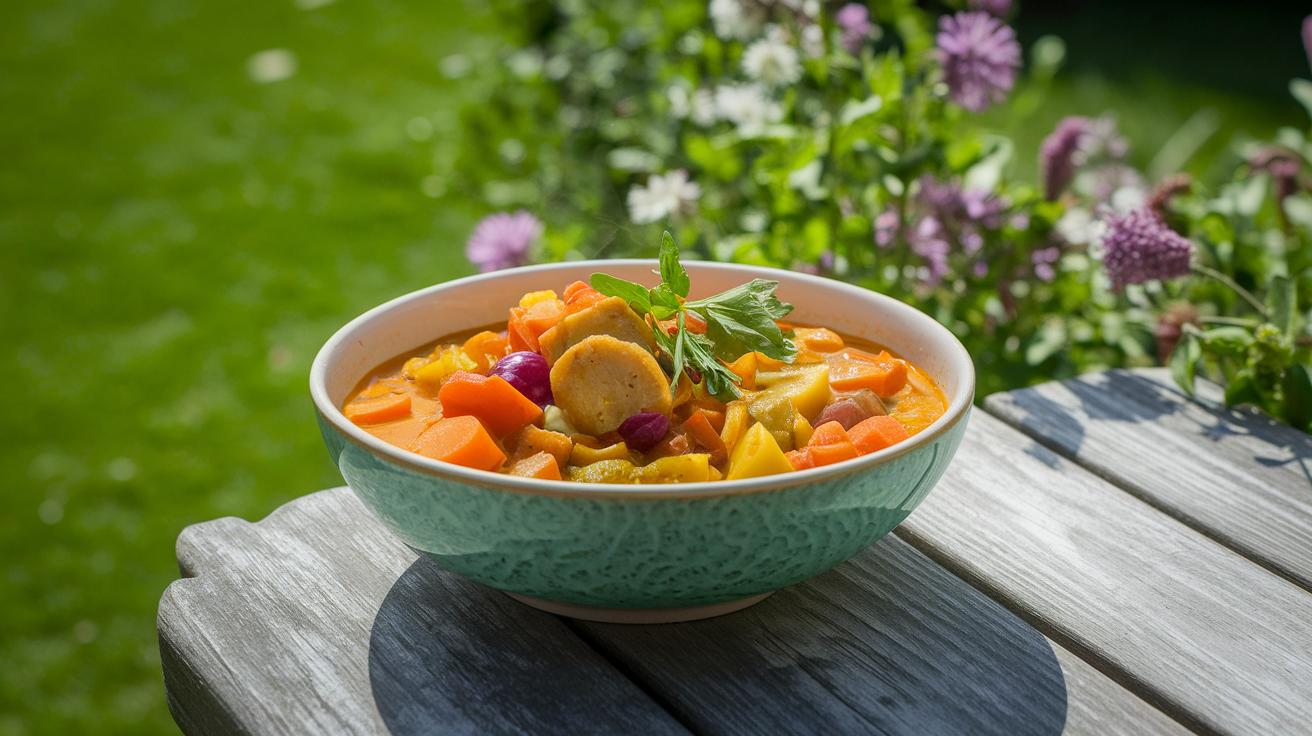
Ten minutes of midday sunshine prompts the skin to make vitamin D, bolstering calcium absorption and mood. Nourishing stews combine meat, vegetables, and broth into one easily digestible pot, ideal for moms too tired to prep multiple dishes. An occasional scoop of real, egg-based ice cream satisfies cravings while providing fat-soluble vitamins. Finally, pasture-raised eggs supply choline, selenium, and lutein that sharpen baby’s eyesight and protect mom’s liver, a delicious reminder that simple, whole foods still reign supreme.