Have you ever thought about swapping your morning cereal for a bowl of oatmeal because it might help your heart? Lots of people believe only doctors have the key to lowering cholesterol, but sometimes a small change in your diet can really make a difference. Eating whole, fiber-rich foods can naturally support your heart. Imagine a warm bowl of vegetable soup, where every spoonful helps lower your LDL (the "bad" cholesterol) one bite at a time.
How healthy eating lowers cholesterol effectively
Eating well can really help your body manage cholesterol naturally. It means choosing whole foods and keeping your portions balanced. Cholesterol is important for building cells, but too much LDL (the "bad" cholesterol) can put extra stress on your heart. When you cook at home, you decide how much sugar, salt, or unhealthy fats go into your food. Imagine cozying up with a warm bowl of vegetable soup, where every ingredient works together to support your heart.
A great way to start is by boosting your fiber intake. Getting 21–38 grams of fiber each day can make a big difference because soluble fiber helps bind cholesterol so it leaves your body. For instance, kick off your morning with a hearty bowl of oatmeal topped with fresh berries. This simple change not only helps lower cholesterol but also supports overall heart health.
Switching from extreme diets to enjoying whole, real foods is a smart move. Cooking your own meals lets you choose ingredients that are good for both your taste buds and your heart. These healthy eating changes are like little steps toward caring for yourself, one bite at a time.
Integrating fiber-enhanced nutrition for cholesterol control
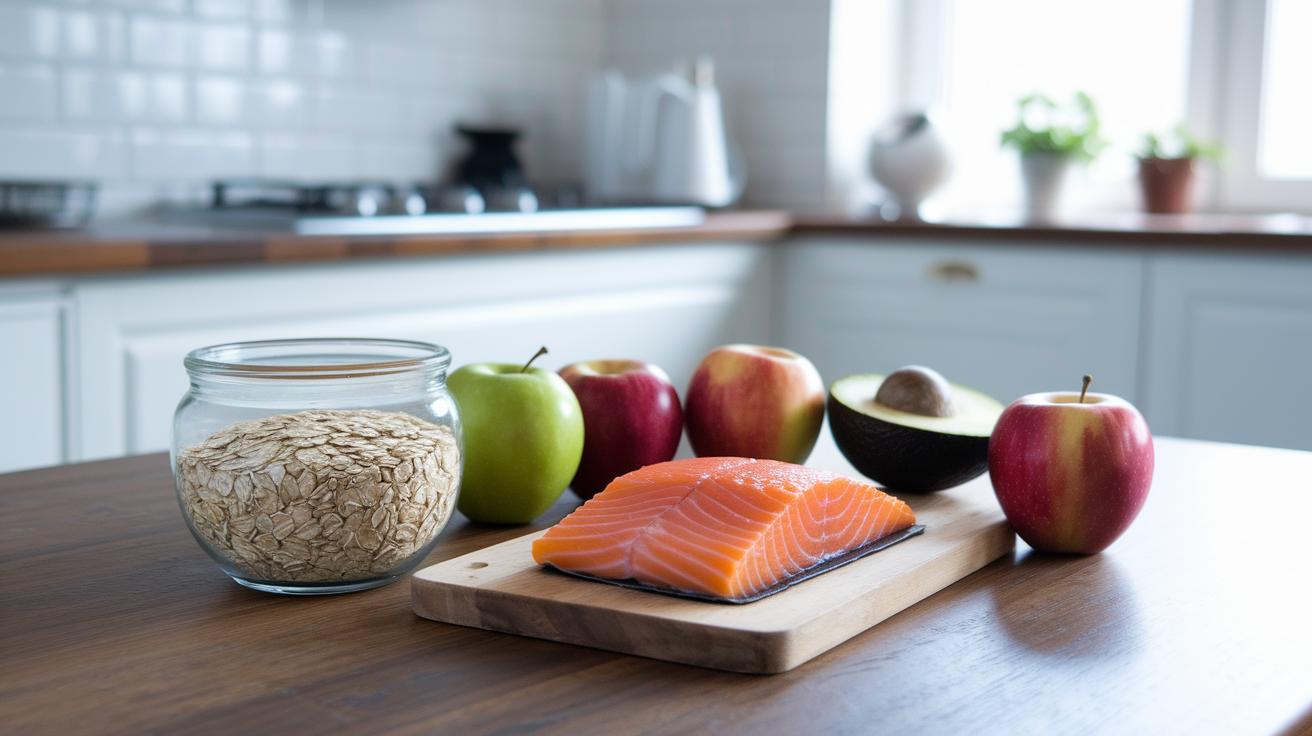
Soluble fiber helps your body get rid of extra cholesterol by attaching to it in your digestive tract. When you eat more fiber-rich foods, you can lower LDL, the “bad” cholesterol. It turns out most adults only eat about half of the recommended 21 to 38 grams of fiber per day. Nearly doubling that amount may bring down your LDL levels significantly.
It’s easy to boost your fiber intake. For example, mix oats into your breakfast cereal or stir some barley into a savory soup. Little changes like these can really improve your heart health.
Here are seven great sources of soluble fiber to consider adding to your day:
- Oats
- Barley
- Beans (like black or kidney beans)
- Apples
- Oranges
- Chia seeds
- Eggplant
For a fun twist, try tossing chopped eggplant into a hearty salad at lunch for an extra fiber kick. These simple tweaks can help you create a heart-friendly diet filled with whole grains and fewer saturated fats.
Choosing heart-friendly fats for cholesterol balance
Switching out saturated fats for heart-friendly fats can really help your cholesterol. Monounsaturated fats, for example, boost your good cholesterol (HDL) and lower the bad kind (LDL). Polyunsaturated fats, like omega-3s, work to lessen triglycerides and calm down blood vessel inflammation. Imagine drizzling olive oil on a crisp salad or snacking on a small handful of walnuts on a sunny day.
Below is a quick reference table showing four great sources of healthy fats, what type they are, and how they help:
| Food Source | Fat Type | Benefit |
|---|---|---|
| Olive oil | Monounsaturated | Lowers LDL |
| Walnuts | Polyunsaturated (Omega-3) | Reduces triglycerides |
| Avocado | Monounsaturated | Raises HDL |
| Salmon | Polyunsaturated (Omega-3) | Anti-inflammatory |
Picture enjoying a fresh avocado spread on whole-grain toast or preparing a quick salmon dinner in less than half an hour. These simple swaps let you replace unhealthy fats with better alternatives that support your heart health. Give these options a try in your everyday meals and see the difference they make for your body and heart.
Plant-powered meals and lean proteins for cholesterol reduction
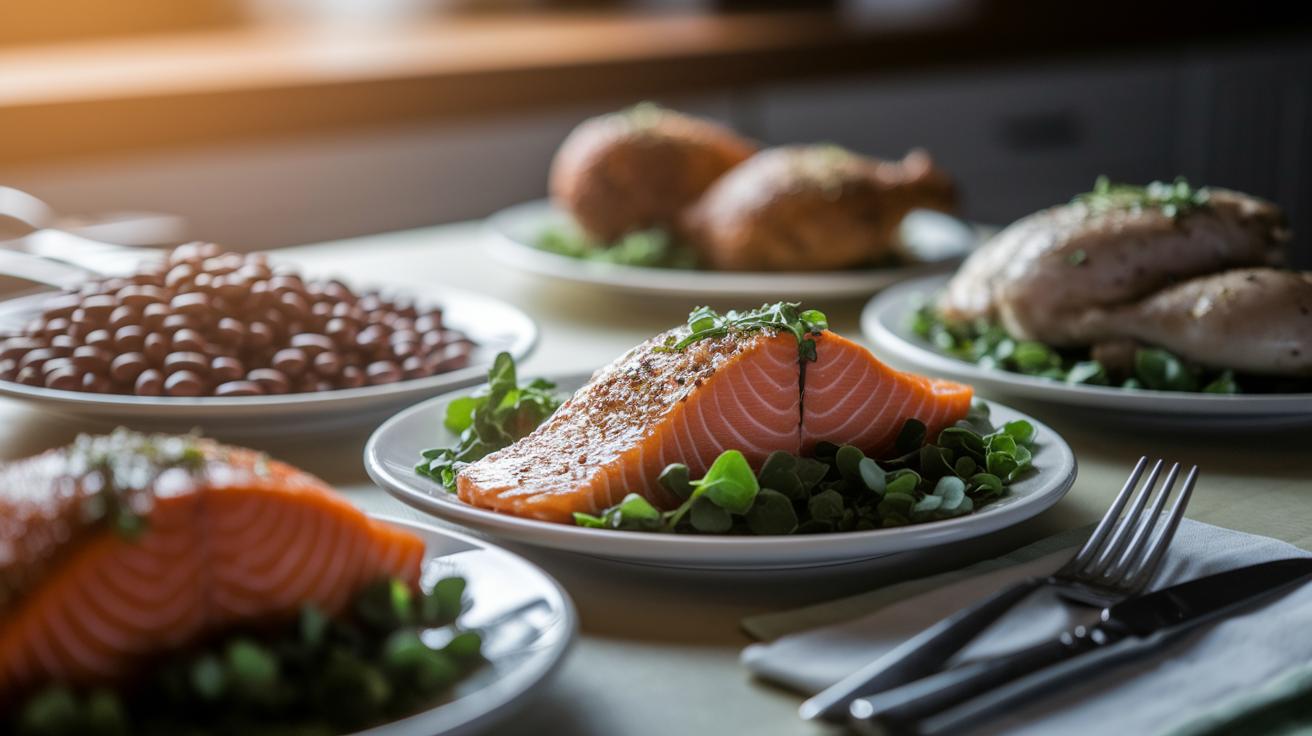
Building your menu around plant sterols and lean proteins is a smart way to manage your cholesterol. Beans and other legumes not only offer loads of fiber, they also naturally block some cholesterol from being absorbed. Think about adding a warm bean chili or a hearty lentil soup to your week, where every spoonful helps support your heart.
When it comes to lean proteins, skinless poultry and fatty fish are a win-win. They help build muscle without loading on extra saturated fats. For example, grilling a salmon fillet or baking skinless chicken breasts creates a tasty, protein-packed meal with heart-friendly fats. And of course, beans make a great protein alternative, mixing up textures and flavors in a delightful way.
Cooking at home gives you full control over your ingredients. By following meal plans inspired by DASH or the Mediterranean diet, you can easily combine lean proteins with fresh veggies and whole grains. Imagine planning a week where one day features a filling bean-based salad, another day spotlights a fish dish with steamed greens, and yet another offers a lean chicken stir-fry.
For a step-by-step guide on setting up your weekly menu with beans, fish, and poultry, check out this detailed guide on meal planning for healthy eating. It’s a fun way to enjoy balanced, nutrient-rich meals that naturally help lower cholesterol while keeping your taste buds happy.
Mindful portion control and meal timing for cholesterol management
Keeping an eye on how much you eat is a simple way to control your calories and cut down on saturated fat (the kind that can raise your cholesterol). Using a smaller plate can help you naturally serve smaller portions. For example, measuring your food ahead of time makes it easier to avoid overeating and sets you up for healthier habits.
Try following basic serving guidelines, like having less than one cup of cooked whole grains, about three ounces of lean protein, and filling half your plate with fruits and vegetables. These easy steps can make it simple to keep your portions in check all day. Plus, planning your meals at regular times can reduce the urge to snack without thinking, which helps keep your cholesterol steady. Have you ever noticed how a little planning can lead to big benefits for both your heart and overall health?
Easy heart-healthy recipes to lower cholesterol
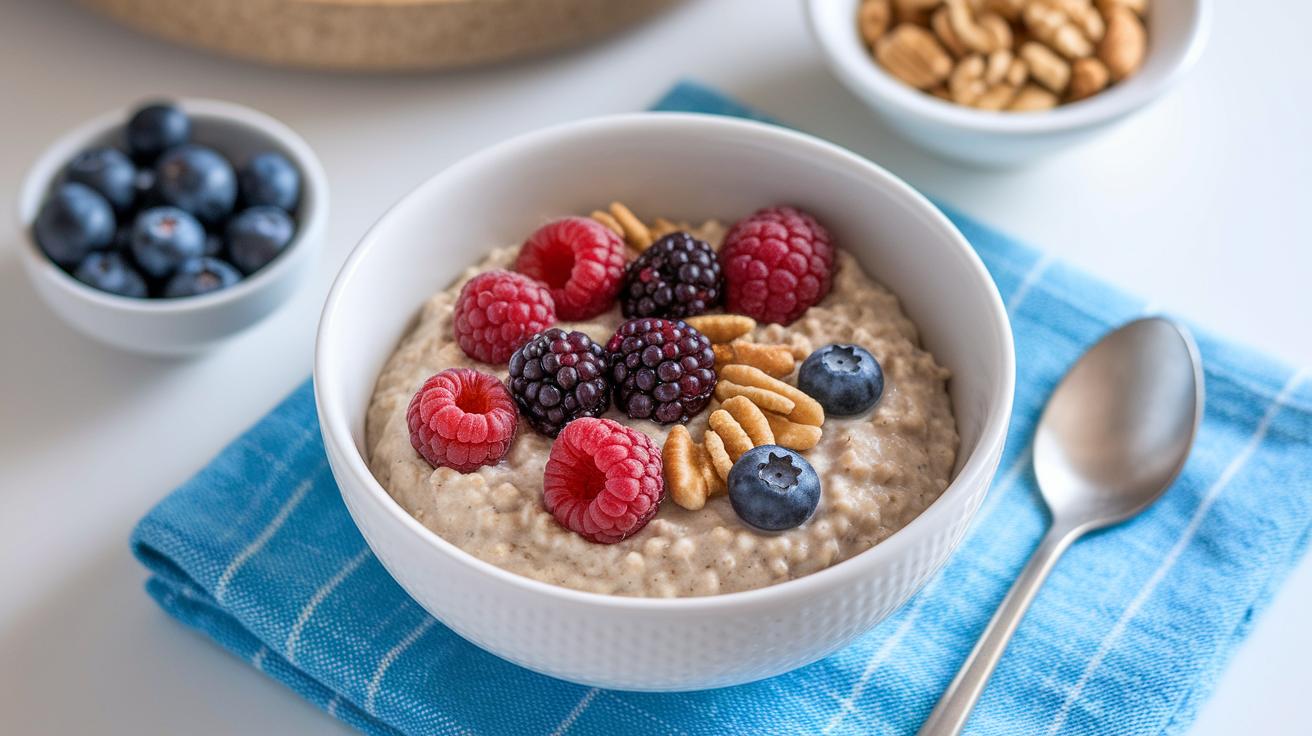
Looking for quick, tasty ideas to keep your heart happy? These simple recipes take less than 30 minutes to make, giving your day a burst of flavor while helping you manage cholesterol levels.
Imagine starting your morning with a warm bowl of oatmeal topped with berries and nuts. Not only does it taste great, but it also adds extra soluble fiber (the type of fiber that helps remove extra cholesterol). It’s a gentle way to kick off your day.
Next, think about your snacks. Instead of reaching for a processed treat, swap it for fresh options that offer good fats and fiber. Try crisp apple slices with a smear of almond butter or enjoy a mix of nuts with crunchy veggie sticks. It’s an easy change that shows your heart some care.
At dinner, lean proteins and vibrant veggies shine. Picture a plate of grilled salmon with a peppery arugula salad. Salmon brings omega-3 fatty acids (special fats that help reduce inflammation) to the table, while a side of steamed vegetables keeps things light. Or, warm up with a hearty lentil and veggie stew where slow-cooked legumes add both taste and fiber.
For a cool, refreshing treat, why not try a Greek yogurt parfait mixed with flaxseed? It packs a protein punch and feels like a little indulgence without piling on extra calories. Curious about more quick ideas or ingredient swaps? There are plenty of simple tips to make healthy eating fun.
Here are five quick heart-smart recipe ideas:
- Berry-Nut Oatmeal Bowl
- Greek Yogurt Parfait with Flaxseed
- Apple-Almond Butter Snack
- Grilled Salmon and Arugula Salad
- Lentil & Veggie Stew
Implementing DASH and Mediterranean plans for cholesterol reduction
The DASH diet is all about lowering your "bad" cholesterol. In just eight weeks, you could see a roughly 6% drop in LDL by keeping your sodium intake under 2,300 mg a day and enjoying plenty of potassium-packed foods. Imagine a plate filled with lean proteins, crisp veggies, and hearty whole grains that help your body balance salt while still tasting good. It even suggests cutting back on red meat and refined sugars, so you end up with lots of fruits, veggies, and healthy fats.
On the flip side, the Mediterranean diet can cut your risk of heart events by nearly 30%. This plan loves olive oil, fish, nuts, and a rainbow of fruits and vegetables. Picture drizzling olive oil over a fresh salad or savoring a nicely grilled piece of fish , it’s a tasty way to boost your heart’s health while still enjoying every bite.
Both diets share a focus on balanced nutrition that supports heart strength. They highlight whole grains and lean proteins and advise limiting processed foods, red meats, and added sugars. Simple swaps like choosing a whole fruit over a sugary snack or using herbs and spices instead of salt can turn everyday meals into heart-healthy delights.
These approaches even mix well together. You could enjoy Mediterranean meals a few times a week and try DASH-inspired dishes on other days. This way, your diet stays varied, flavorful, and great for keeping your heart in top shape.
Final Words
In the action, this article explored practical steps to lower cholesterol through balanced, mindful meals. We looked at using fiber-rich foods, smart cooking techniques, and heart-friendly fats like olive oil and salmon. Simple recipe ideas and portion control methods can help you enjoy healthy eating to lower cholesterol while keeping your overall wellness in sight. Embracing these easy adjustments sets you on a positive path toward better heart health.
FAQ
How can I lower cholesterol quickly in 7 to 30 days?
Lowering cholesterol quickly means switching to whole foods, cutting down on saturated fats, and adding fiber-rich foods like oats and beans to your meals while also fitting in daily physical activity.
What are some foods that help lower cholesterol, including super foods?
Foods that help lower cholesterol include fiber-rich options like oats, barley, beans, apples, oranges, and eggplant, along with heart-friendly fats from nuts, olive oil, and fatty fish.
Which foods should I avoid to keep my cholesterol in check?
Avoid foods high in saturated and trans fats such as fried foods, processed meats, and full-fat dairy products, as these can raise cholesterol levels and risk for heart issues.
What natural methods quickly lower or cleanse cholesterol from my body?
Natural methods include boosting soluble fiber intake, choosing lean proteins and heart-friendly fats, and preparing meals at home to control salt, sugar, and unhealthy fat consumption.
What low-cholesterol meals can I enjoy when my cholesterol is high?
Low-cholesterol meals feature heart-smart options like oatmeal with berries, grilled salmon salads, lentil stews, and fresh veggie plates, all made with minimal added fats and controlled portions.
What is the best diet for lowering cholesterol overall?
The best diets for lowering cholesterol are DASH and Mediterranean styles, emphasizing fruits, vegetables, whole grains, lean proteins, healthy fats, and plenty of fiber to support overall heart health.