Have you ever wondered if nature might help cool a burning fever? When your body heats up to fight off germs, a calming herbal tea or a cool cloth on your skin can offer a gentle, natural boost. Think of it like wrapping yourself in a soft, cool blanket when you feel overwhelmed.
Instead of always relying on modern medicine, these time-tested herbs can help ease discomfort and support recovery. In this guide, we'll share simple ways to use age-old remedies to help you feel better naturally.
Complete Guide to Herbal Remedies for Fever Relief
When you have a fever, it's your body's way of fighting off germs. Although it helps defend you, the fever can make you feel pretty uncomfortable. Many people find relief with herbal remedies because these natural options help soothe your body while it heals. One of the simplest things you can do is drink plenty of fluids. Sip on water, light broths, diluted fruit juices, or herbal teas all day long. Think of it like filling up your car's tank, without enough fuel, nothing runs as smoothly.
Another easy tip is to keep your body cool. A cool compress on your forehead, neck, or wrists can help lower your temperature gently. Just make sure the water is cool rather than ice-cold, so you don’t give your system a shock. Imagine a soft breeze on a warm day, that’s the kind of relief you’re after.
Taking a lukewarm bath is another great idea. Soaking in water that isn’t too hot lets your body gradually release heat without causing any shivers. It's like dipping your feet into a calm, soothing stream after a long walk.
Don’t forget about what you wear, either. Choosing light, airy clothes can help keep you comfortable by preventing extra heat from building up. Dressing in layers is smart, too; you can always add or remove something based on how you feel.
All of these steps work well with herbal remedies like those detailed at https://healthandwealth101.com?p=233. When you combine proper hydration, gentle cooling, and comfy clothing, you create a caring environment that helps your body recover naturally.
Fever-Reducing Herbs and Their Unique Benefits
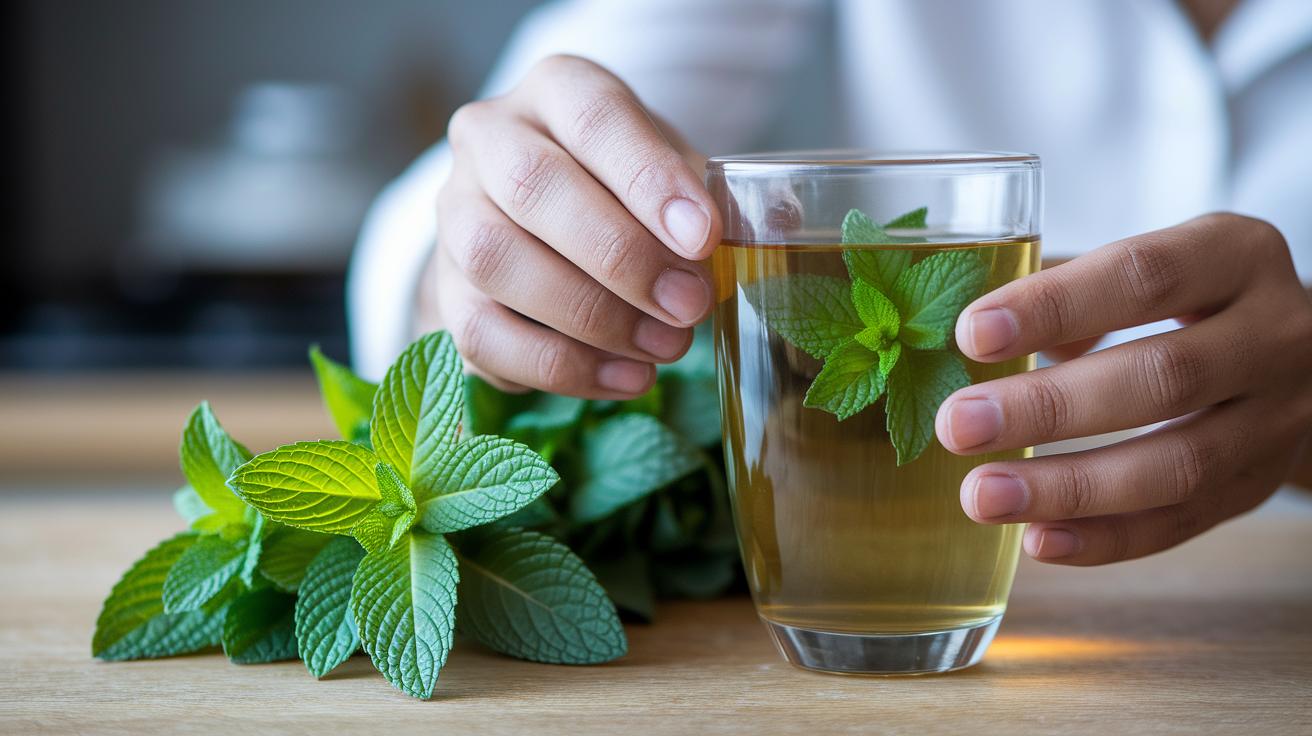
Peppermint tea gives you a cool, refreshing tingle, much like a gentle breeze on a warm day. It naturally cools your skin and the inner lining of your nose, making you feel as if cool air is softly brushing your face on a bright afternoon.
Chamomile, on the other hand, is great for calming your body and mind, especially when fever interrupts your sleep. A warm cup of chamomile tea can help ease you into a gentle, restful night, much like slipping into a quiet, comfy room after a long day.
Ginger is known for its calming warmth that can help reduce inflammation (when parts of your body become swollen or irritated) and lower a raised temperature. Think of it as a mild, soothing heat that relaxes tight muscles without being too strong.
Garlic might also lend a hand with its natural antiviral properties (helping your body combat viruses). While home remedies often don’t list exact amounts, adding garlic to your meals might support your body in warding off unwanted infections.
You can also try diluted essential oils like eucalyptus, lavender, or rosemary. When you apply these gently on your skin, they can cool and soothe, while also reducing inflammation. Just be sure to test a small spot first to check for any skin sensitivity.
Each of these natural remedies offers its own special way to help your body feel better. They provide simple, plant-based options to ease fever symptoms and support your journey to wellness. For more natural anti-inflammatory ideas, explore additional herb choices.
Crafting DIY Herbal Infusions and Teas for Fever Relief
First, warm up some water until it’s gently boiling. Carefully pour the steaming water into your favorite teapot and toss in a handful of fresh peppermint leaves, a few soft chamomile flowers, or even some thin slices of ginger. Let these natural ingredients sit for 10 to 15 minutes so they can share all their soothing flavors with the water. It’s like giving your body a warm, gentle hug when you’re not feeling your best.
Once the herbs have steeped nicely, strain the tea into a cup to get rid of any leftover bits. This way, you’re left with a smooth, comforting drink that’s easy to sip. Enjoy little sips throughout your day, knowing that each cup not only keeps you hydrated but also helps ease that uncomfortable feeling of fever. Imagine it as a small break that helps calm your body with every taste.
For the best results, try mixing this herbal tea into your daily routine alongside other fluids like clear broths or diluted fruit juices. This balance helps keep your body’s fluids in check and gives an extra boost to your comfort when you’re under the weather. It’s a simple way to feel cared for with every sip.
Here’s a simple step-by-step guide:
- Boil water and pour it into a teapot.
- Add your chosen herbs, be it peppermint, chamomile, or ginger, in a loose, measured amount.
- Let the herbs steep for 10 to 15 minutes.
- Strain the mixture into your cup.
- Sip slowly throughout the day, alternating your tea with clear broths or diluted fruit juices.
Dosage Guidelines and Safety Practices for Herbal Fever Treatment
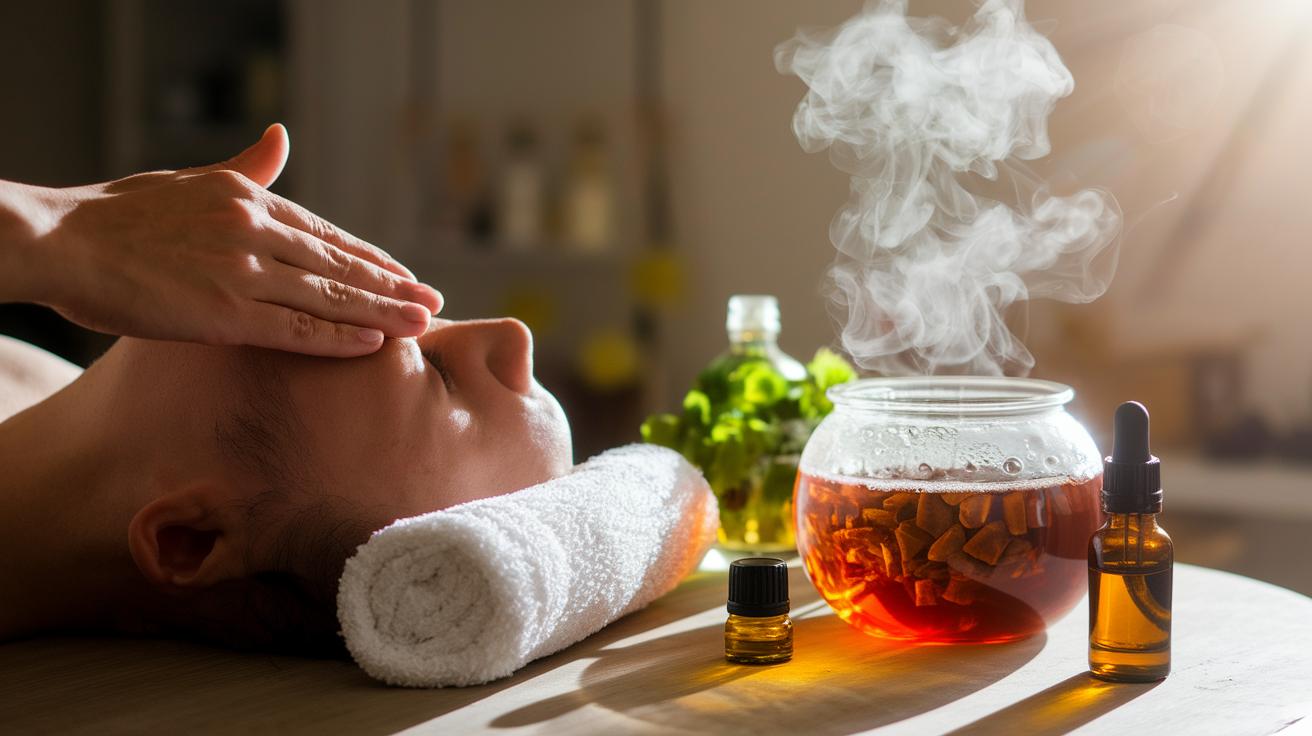
Herbal remedies can help manage a fever naturally, but you might not always find clear instructions on how much to use. It’s a good idea to check with an herbalist or your doctor to figure out the right amount for you. For example, when you make herbal tea, use a small, steady amount of fresh or dried herbs, kind of like adding a pinch of spice to your favorite soup. Start small and adjust as needed.
Essential oils need to be handled with care. Before you apply them on your skin, mix them into a carrier oil so they only make up about 2–3% of the mix. Try a small patch test first to see how your skin reacts. Also, use a lukewarm compress instead of a cold one to avoid making you shiver or causing sudden temperature changes that could worsen your discomfort.
It’s important to follow advice about how often to use these remedies. Don’t depend only on herbal fever reducers without watching how your body reacts. Side effects can happen if the dose isn’t right for your health. These safety steps let you use natural remedies while keeping risks low.
- Adjust dosages carefully and stay safe.
Fever-Reducing Herbs and Their Unique Benefits
Herbal remedies have been a go-to for easing fever symptoms for a long time, and new research is showing us just how they work. Take ginger, for example, a warming spice that can actually help cool your body and calm swelling (inflammation). In one study, people who sipped on ginger tea noticed a gentle drop in body heat, and they didn’t experience any harsh side effects.
Chamomile is another herb that’s been in the spotlight lately. Early research suggests that chamomile might ease inflammation and help you drift off into a more peaceful sleep on those restless nights. It’s neat to see traditional remedies getting a scientific nod.
Then there are peppermint and eucalyptus oils. Lab tests hint that when these oils are applied to the skin, they can give a temporary cooling sensation and might even help ease mild congestion. Still, experts say more research is needed to be sure about these benefits.
And remember, antibiotics won’t work on viral fevers. Garlic, which many people add to their herbal routines, is known for its antiviral properties. However, blending these natural remedies with prescription medications can sometimes cause interactions, so it’s always a smart move to check with your healthcare provider if you’re mixing treatments.
When to Consult a Professional During Herbal Fever Management
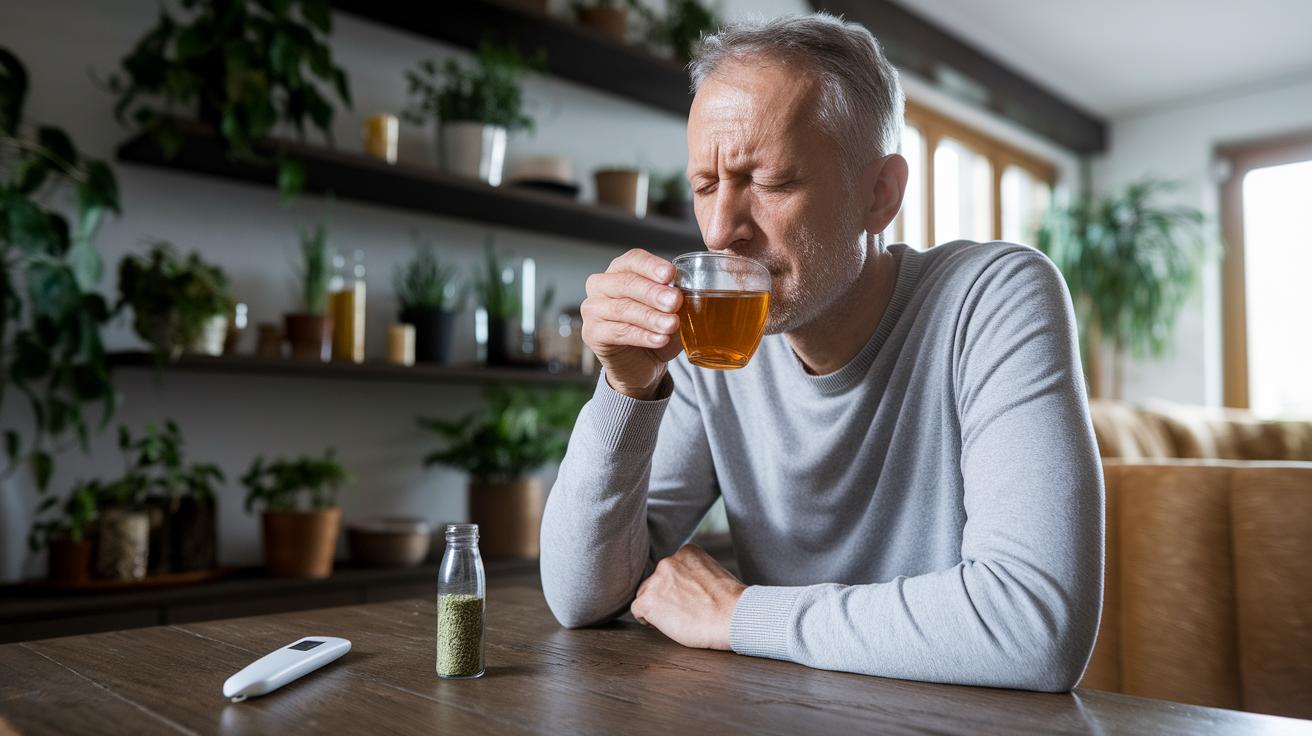
When you’re using herbs to ease a fever, they can really help, but it’s important to know when to see a doctor. If your fever goes on for more than three days or your temperature climbs above 103°F, you should consider getting a medical check. This is especially true if you’re over 65 or have a weak immune system (which means your body might struggle to fight off infections).
If you start having a really bad headache, notice a rash, or have trouble breathing, these are signs that you need help right away. Any unusual pain or a big change from your normal fever should not be ignored. Even if you’re using natural methods to feel better, if your symptoms continue or worsen, it’s best to get a healthcare provider’s advice.
Always remember: your health comes first.
Final Words
In the action of caring for a fever, we covered everything from hydration and cool compresses to preparing simple herbal blends. We learned how herbs like peppermint and chamomile can help ease discomfort by gently cooling and soothing the body. Step-by-step DIY herbal infusion tips and safe usage reminders were shared too. Remember, always use herbal remedies for fever alongside proper care, and if symptoms persist, seek professional advice. This thoughtful mix of nature and science helps support healthier days ahead.
FAQ
How to get rid of a fever in 24 hours?
Getting rid of a fever quickly means staying well-hydrated, using cool compresses, taking a lukewarm bath, and sipping herbal teas like peppermint, chamomile, or ginger to ease discomfort while monitoring symptoms.
How to reduce fever at home for a child?
Reducing a child’s fever at home involves keeping them hydrated with water or diluted herbal teas, applying a gentle cool compress, and using trusted home remedies carefully while watching for any signs that require a doctor’s advice.
How to reduce fever at home for adults?
For adults, fever reduction at home starts with drinking plenty of fluids, wearing light clothing, using cool compresses, and enjoying a warm herbal infusion like peppermint or ginger tea to support the body’s natural response.
What is the best herbal remedy for fever?
The best herbal remedy for fever depends on individual needs, but peppermint tea offers a cooling effect, while ginger and chamomile provide soothing benefits that may help reduce fever symptoms when prepared as a warm infusion.