Have you ever thought about why so many people turn to natural remedies? For centuries, people have trusted herbs like chamomile and turmeric to help keep their bodies balanced. These simple plant treatments have been used all over the world to strengthen the immune system (the body’s defense against sickness), ease stress, and support overall health. Today, we’re going to look at how these herbs work and why they remain a popular choice. Let's explore together how herbal cures can make your everyday life a little brighter.
Understanding Herbal Remedies
Herbal remedies are treatments made from plants that help support good health and balance in the body. They come from traditions that go back many centuries and have been part of health practices around the world. Many cultures have used these natural cures to boost the immune system, help with digestion, and keep overall well-being in check. Today, these remedies continue to evolve. If you're curious about how they're used now, check out Natural Wellness (https://factcheckx.com?p=1202) for more info.
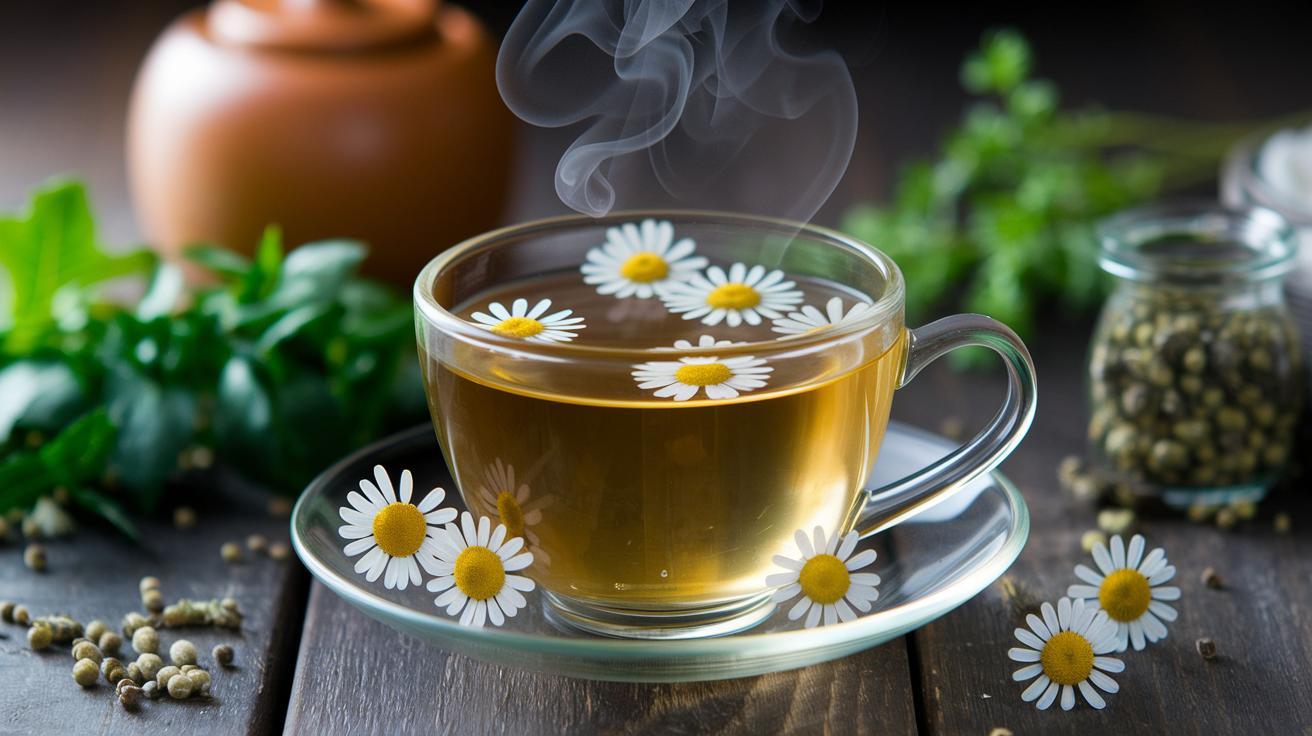
Herbs like echinacea and elderberry are known for giving the immune system a boost and helping to ward off colds. They can also ease stress. Imagine ending a long day with a warm cup of chamomile tea; the gentle warmth in your hands on a cool evening can feel incredibly soothing. It really is a simple ritual that brings comfort.
Other popular herbs, such as turmeric and ginger, are widely used to reduce inflammation (swelling) and support digestion. Herbs like ginseng and ginkgo biloba are great for sharpening mental clarity and increasing energy. Meanwhile, valerian and St. John’s wort are often chosen for their calming effects and for helping to keep moods steady. These herbal remedies come in many forms, from everyday teas to concentrated supplements, each offering its own unique benefits depending on what your body needs.
It’s important to use herbal remedies safely. The rules for herbs aren’t as strict as those for regular medicines, which means product quality and dosage can vary widely. It’s wise to chat with a health care professional before starting any new herbal treatment, especially if you're already on other medications or managing long-term health conditions. Being aware of any potential interactions can help you make the best choices for your well-being.
Top Herbal Remedies and Their Primary Uses
Herbs have been trusted for ages to support everyday health. Recent studies show that these natural remedies really do work. The table below lists nine popular herbs along with the main benefits they offer.
| Herb | Primary Use |
|---|---|
| Echinacea | Helps prevent colds and boosts the immune system |
| Ginseng | Improves energy and mental clarity |
| Ginkgo biloba | Supports memory (derived from the maidenhair tree) |
| Elderberry (Sambucus nigra) | Relieves cold and flu symptoms |
| St. John’s wort | Helps manage mood and anxiety |
| Turmeric | Reduces inflammation thanks to curcumin |
| Ginger | Eases digestion and helps with nausea |
| Valerian | Aids in falling asleep |
| Chamomile | Offers a calming effect for stress and sleep |
When you’re starting out with herbs, try adding one or two that fit your personal needs. For example, if you’re looking to relax after a long, busy day, chamomile might be just what you need. Picture yourself sipping a warm cup of chamomile tea that gently eases your stress. This guide gives you a simple look at how each herb can help without overwhelming you with too much detail.
Herbal Preparation Methods and Dosage Forms
Herbal remedies come in many forms, each designed to bring out the natural goodness of plants. There are three main ways to make them: infusions, decoctions, and tinctures. An infusion is like making a calming chamomile tea, just steep leaves or flowers in hot water. Decoctions, however, require a bit more effort as you simmer tougher parts like roots or bark to draw out their deeper benefits. Tinctures use alcohol to pull out powerful compounds, giving you a concentrated solution perfect for small, precise doses.
-
Herbal Infusion (Tea): Pick fresh or dried leaves, pour boiling water over them, let it sit for 5-10 minutes, then strain. The result is a light and aromatic cup ready to enjoy.
-
Decoction (Root Simmer): Gather chopped roots or bark, mix them with cold water, bring the mixture to a gentle simmer, and cook for 15-30 minutes. Strain afterwards to capture the bold flavors and benefits.
-
Tincture (Alcohol Extraction): Place your chosen herb in a glass jar, cover it with alcohol, seal the jar tightly, and store it in a cool, dark place for 3-6 weeks, shaking it occasionally. Strain the liquid to create a concentrated extract.
Each method brings its own strengths and guidelines. Infusions are gentle and best enjoyed fresh, decoctions offer a stronger flavor and effect, and tinctures are very potent, needing only a few drops for each use.
Safety and Dosage Guidelines in Herbal Remedies

Herbal remedies can bring natural benefits, but they need careful use. They might mix with your prescription meds or other supplements, which can lead to side effects you don’t want. Not every herb is right for everyone, and your allergies or health problems might change how an herb works for you. It's best to talk with a health professional before adding herbs to your routine. That way, you can safely enjoy nature’s gifts.
When trying a new herbal remedy, start with a small amount. Keep a simple daily journal to note any changes in how you feel. Follow the low doses suggested by research and slowly adjust as your body gets used to it. Give yourself time to adapt before taking more. Keeping track of how you respond can help you decide if you need to check in with a professional for a more personalized plan.
Some studies have found that herbs like nettle and butterbur can help ease seasonal allergies by reducing symptoms caused by environmental triggers. These studies have led to clearer guidelines on how much to use for natural relief. If you deal with seasonal allergies, these herbs might be a good extra tool in your wellness toolkit, but always check with a professional to see what works best for you.
herbal remedies: Boost Your Natural Wellbeing
Adding a daily herbal ritual to your routine can give you fresh energy and help keep your body balanced. Enjoying a warm cup of herbal tea or a natural tonic offers a little moment of calm that lifts your mood and energy.
How about starting your morning with a simple tonic made from turmeric and ginger? This warm, spicy drink helps boost your metabolism and reduce swelling (inflammation). Imagine feeling the gentle warmth spread through you as you get ready for the day.
At midday, take a break with a cup of digestive or energy tea made from herbs like dandelion, milk thistle, or nettle. These herbs help clean your liver (an important part of your body that filters toxins) and clear your mind. Picture yourself pausing for a refreshing moment. And if you need extra liver support, you might want to check out Natural Detox Remedies.
In the evening, unwind with a calming blend of chamomile or valerian tea. Picture the soft glow of twilight as you sip your tea, letting go of stress and inviting a peaceful, restful sleep.
Take a moment to track how each part of your routine makes you feel. Write down your thoughts after each cup, and adjust the timing or mix of herbs until you find what works best for you.
Traditional vs. Scientific Perspectives on Herbal Remedies
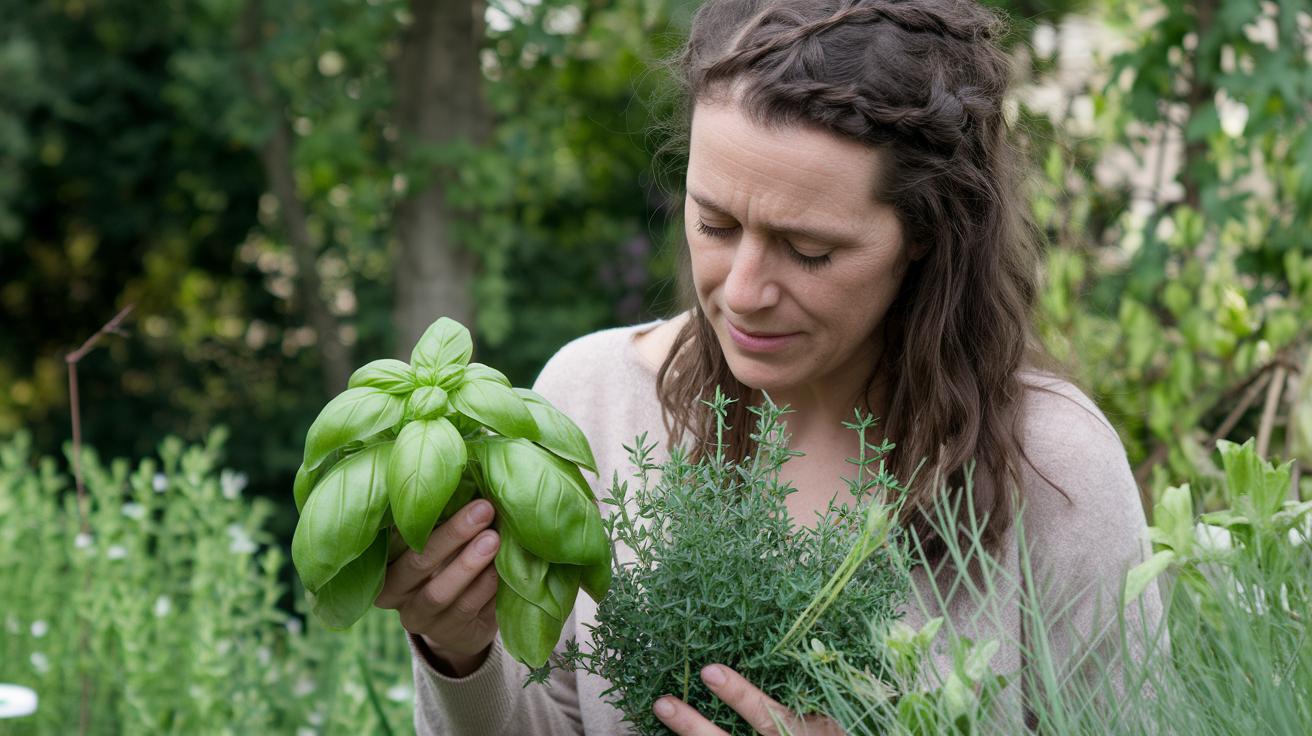
Herbal remedies have been part of our history for ages. Folks once trusted nature and its bounty, using simple teas and poultices to ease everyday discomforts. This old-school way shapes many of today's natural health ideas, and it still influences our views on how nature can help us feel better.
Traditional Herb Therapy
Traditional herb therapy comes from age-old remedy books and the shared wisdom of community healers. People relied on seasonal herbs and nature’s timing to find relief from minor aches and pains. For example, they would brew a warm infusion to calm a sore body or apply a herb poultice to ease a stiff joint. It’s a simple, time-tested way of believing that nature offers what we need to feel balanced and well.
Clinical Herb Studies
Today, science is catching up with these ancient ideas. Researchers are now looking at herbs like turmeric and echinacea using modern tests. They found that curcumin, a key part of turmeric, can lower inflammation (swelling and redness), while echinacea might boost your immune system. Studies on valerian also suggest it could help improve sleep quality. By following detailed research protocols, like those in guides to natural herbal remedies, experts are finding real support for these old claims.
Integrative herbal therapy blends traditional methods with new scientific insights. Many health practitioners now mix botanical remedies with standard medical care, offering a balanced way to benefit from both nature’s treasures and proven science.
Sourcing and Selecting Quality Herbal Remedies
When you're shopping for herbal remedies, it really helps to check the product standards. Look for herbs that carry an organic label, which means they were grown without harsh chemicals. Many reliable brands also use third-party lab tests to catch any contaminants so you can feel safe with your purchase. Consistency is important, think of it like buying a plant that always shows off its bright color and fresh smell, proving that the supplier truly cares about quality. That way, you can trust that you're getting real, pure herbal ingredients.
Understanding the difference between wild-crafted and cultivated herbs is worth your time. Wild-crafted herbs are gathered from nature, so they might have a richer mix of natural compounds, even though their look and smell might not always be the same. On the other hand, cultivated herbs are grown under controlled conditions, which usually means each batch is very similar. A simple tip is to read the botanical ingredient list. It lets you check that the herbs look and smell as you’d expect from nature. And if something seems off, don’t be shy to ask about the supplier’s methods, you deserve to shop with confidence.
If you’re thinking about growing your own native herbs, start with a small effort. Pick plants that naturally grow in your area and are low-maintenance. Start with a few easy-to-grow options and enjoy how their natural scent deepens your connection to the outdoors, all while building your personal collection of herbs.
Final Words
In the action, we explored herbal remedies as a time-tested part of global wellness. We covered their history, key benefits like stress relief and immune support, and practical tips for daily use. We also looked at preparing herbs safely and choosing quality products. All these insights invite us to blend tradition with modern wellness choices. Embracing herbal remedies can spark positive changes in your daily routine and boost your overall well-being. Enjoy the simple steps that lead to a healthier lifestyle!
FAQ
What can a herbal remedies book provide?
A herbal remedies book provides information on natural plant-based treatments, including historical background, preparation techniques, and real-world tips to support everyday well-being.
What do herbal remedies lists typically include?
Herbal remedies lists include common herbs paired with their traditional benefits, such as immune support, mood balance, and digestive aid, serving as a quick reference for natural wellness.
What do herbal remedies recipes involve?
Herbal remedies recipes offer step-by-step instructions for preparing natural treatments like teas, tinctures, or decoctions that use plant ingredients to promote overall health.
What is the Healing with Herbal Remedies Book about?
The Healing with Herbal Remedies Book details how natural herbal treatments can be used to boost health, offering insights into preparation methods, historical practices, and practical applications.
What does the most powerful healing herb mean?
The most powerful healing herb is subjective, but turmeric is often highlighted for its strong anti-inflammatory and immune-boosting properties based on longstanding tradition and modern research.
What is the use of herbal remedies?
Herbal remedies are used to support the body naturally, addressing issues like inflammation, stress, and digestion while offering a plant-based complement to conventional approaches.
What is the best herb to take daily?
The best herb for daily use depends on personal needs; for routine support, many choose chamomile for its calming effects or ginger for its digestive benefits.
What is the meaning of herbal remedies?
Herbal remedies refer to treatments derived from plants that have been used throughout history to help maintain health and relieve minor ailments naturally.