Have you ever noticed how a warm cup of herbal tea can help calm your allergy symptoms? For many, allergies feel like an overactive alarm that sets off sneezes, itchy eyes, and that heavy feeling in your chest when you’re around pollen or pet hair. Herbal tea uses everyday herbs as a gentle helper to soothe your body. In this post, we explain how this natural remedy can ease your discomfort during allergy season and offer a fresh way to feel better. Could one simple teacup be just what you need?
Herbal Tea for Allergy Relief: How It Soothes Symptoms
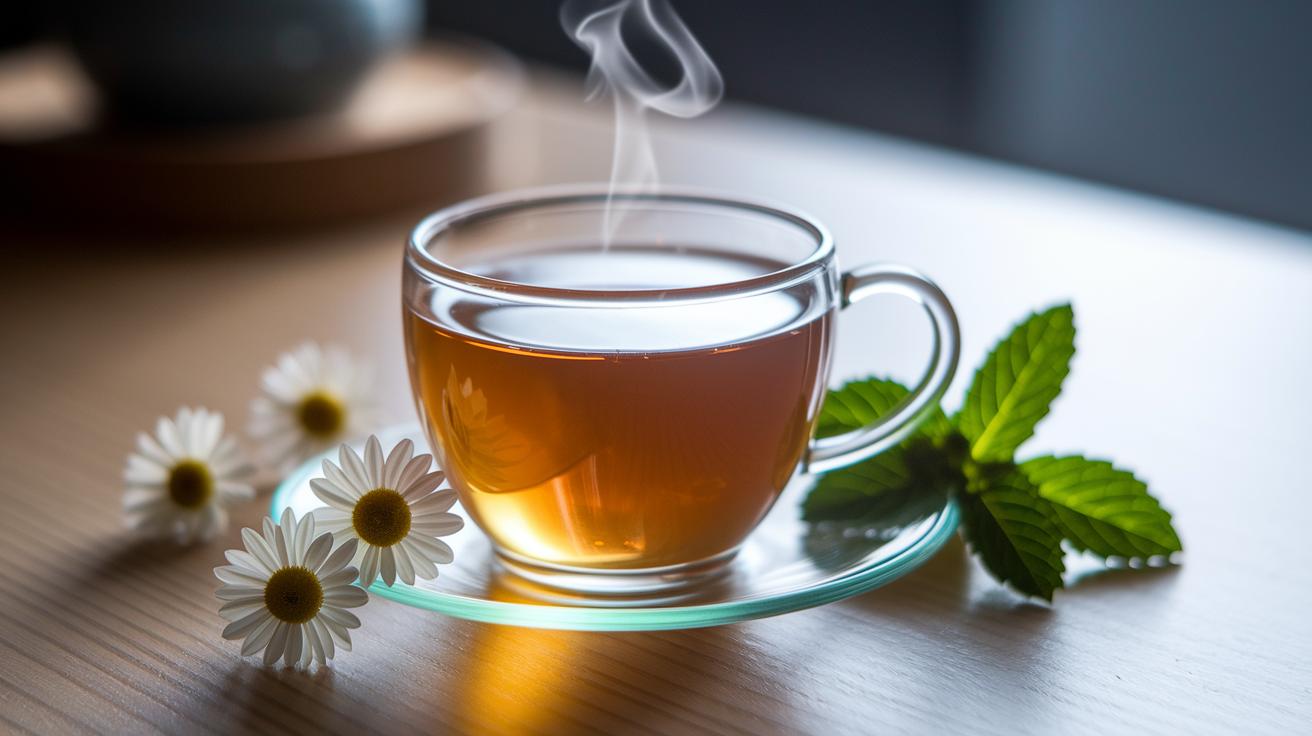
Allergies occur when your body overreacts to tiny things like pollen, pet fur, or dust as if they were harmful invaders. This reaction leads to sneezing, a runny nose, itchy eyes, and congestion, almost like a nervous guard sounding an alarm at every little disturbance.
Herbal tea is a natural helper here. It contains ingredients that work a bit like an antihistamine (a medicine that stops the release of histamine, the chemical that causes allergy symptoms). These natural compounds help reduce swelling and ease the irritation in your nose. Imagine it as giving your body a gentle reminder to relax when it gets too worked up.
When you brew herbal tea, the hot water draws out all the beneficial parts of the herbs, making every sip a concentrated dose of relief. Drinking two to three cups a day during allergy season can provide steady support to keep those symptoms at bay. Next, as you let the tea steep, you’re turning simple herbs into a soothing drink that helps calm your body when allergies strike.
Have you ever noticed how a warm cup of herbal tea can feel like a soft, cooling breeze on a stuffy day? Give it a try and see if it helps you find a bit more ease during allergy season.
Key Botanicals for Histamine Balance in Herbal Tea
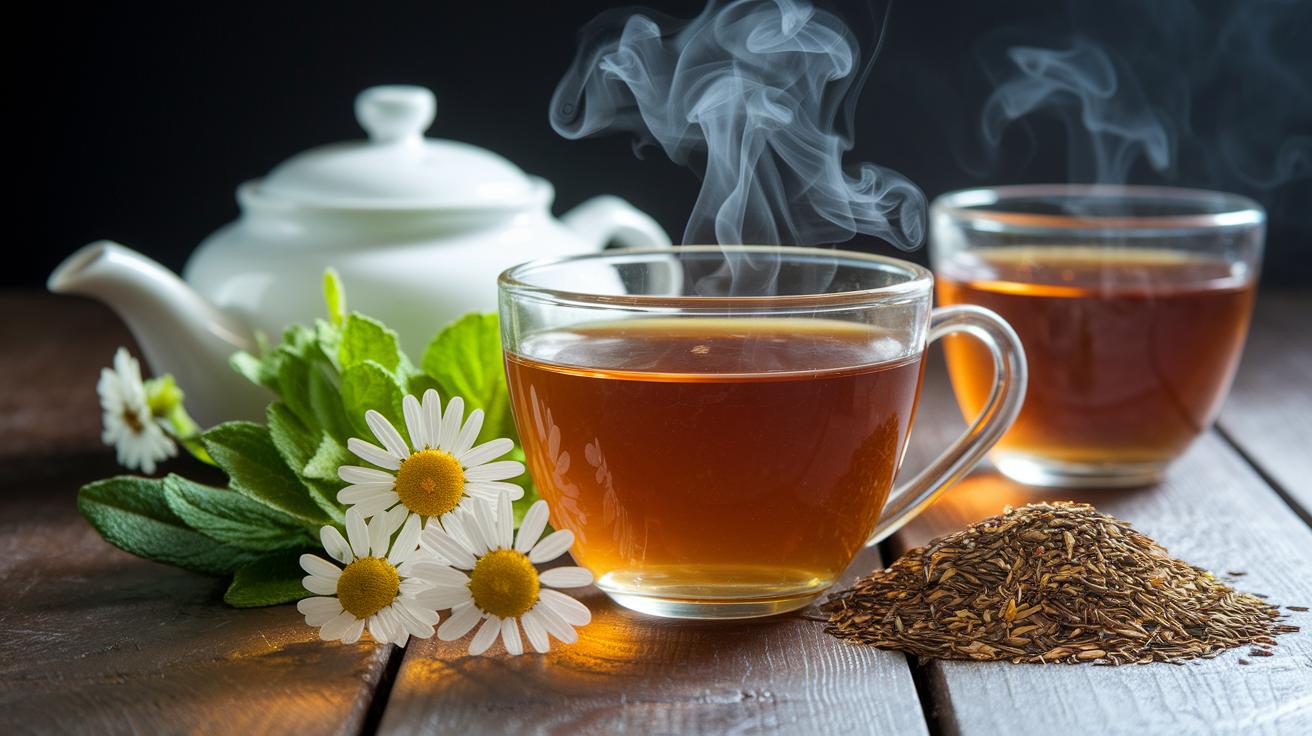
Chamomile is a mild herb that has apigenin, a natural compound known for soothing irritated membranes and easing sneezing. It works like a gentle sedative for your nasal passages during allergy flare-ups. Have you ever felt the calm of a quiet cup of chamomile tea on a hectic day?
Rooibos is full of quercetin, a natural antihistamine that helps keep mast cells (the cells that release histamine when you have an allergic reaction) stable. Think of rooibos as a protective shield that helps balance your body’s response to allergens and soothes inflamed nasal passages.
Peppermint shines with its menthol, which acts as a powerful decongestant. It cools and comforts irritated nasal tissues, helping to clear any blockages. Imagine a gentle, icy breeze flowing through your sinuses, that’s the refreshing relief peppermint brings with every sip.
Ginger contains gingerols that work to block inflammatory compounds causing itchy eyes and swelling. It acts like a natural anti-inflammatory, offering a warm yet effective remedy to calm your symptoms. Picture ginger as that spark of spice that helps quiet down irritation and brings comfort when you need it most.
Top Allergy-Relieving Herbal Tea Blends
-
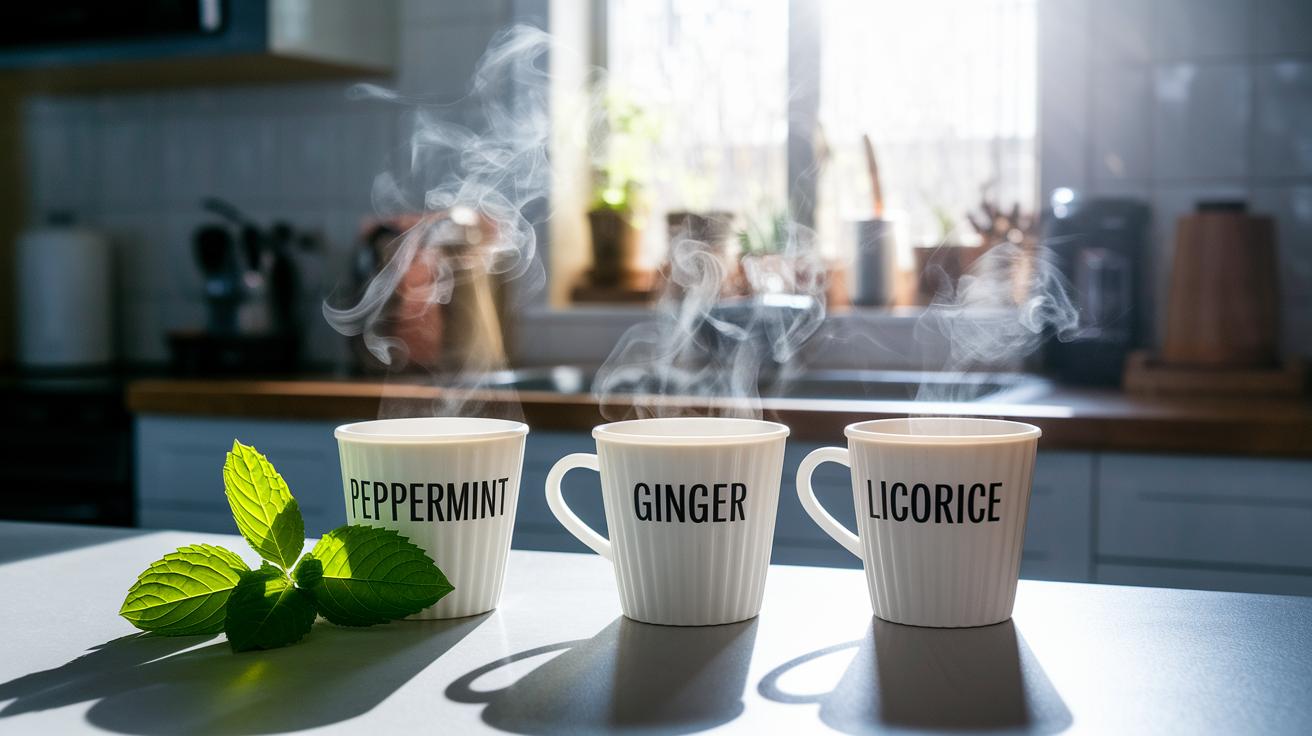
Peppermint Tea: This soothing tea helps clear congestion by relaxing the muscles around your airways. It uses menthol (a cooling substance) to ease a runny nose and open up blocked passages. Think of it like a cool breeze that naturally refreshes you during allergy season.
-
Ginger Tea: Ginger tea is a warm, spicy option that helps with itchy eyes and a swollen nose. It contains gingerols (natural compounds that calm inflammation), which work like a gentle remedy to soothe irritated tissues and ease allergy symptoms.
-
Stinging Nettle Tea: This tea acts as a natural antihistamine, helping to block the signals in your body that trigger sneezing and watery eyes. Its active plant compounds make it a kind, botanical choice if you're after a natural way to ease allergy discomfort.
-
Butterbur Tea: Butterbur tea offers relief without the sleepiness that some allergy meds may cause. Its key ingredient, petasin (a natural anti-inflammatory), helps calm your symptoms by reducing inflammation while keeping you alert.
-
Yerba Mate Tea: Packed with antioxidants, yerba mate tea helps support your body's natural defenses. Its blend of polyphenols (compounds that protect your cells) and a bit of natural caffeine assists in easing nasal congestion while giving you a subtle energy boost, ideal for allergy days.
-
Green Tea (Japanese Benifuki): This special green tea is high in catechins like EGCG (compounds known to fight inflammation), which help clear your chest and nasal passages. Its refreshing brew supports healthy breathing and aids in reducing internal inflammation.
-
Licorice Tea: Licorice tea soothes a scratchy throat and may help reduce blocked sinuses with glycyrrhizic acid (a soothing natural ingredient). Its calming properties offer a gentle way to support your overall respiratory comfort.
Brewing Tips for Effective Herbal Tea Infusions
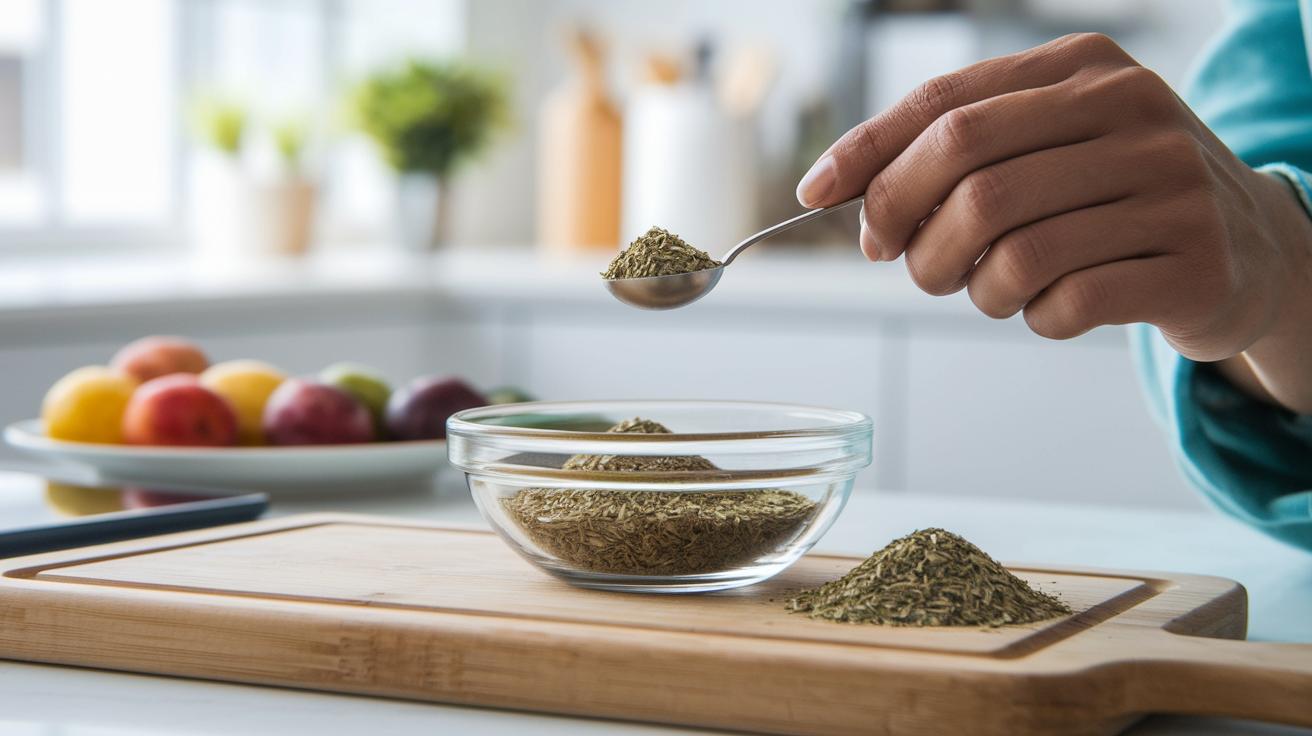
Step 1: Measure Quality Herbs
Start by choosing your herbs with care. Use about 1 to 2 teaspoons of dried herb for each 8 ounces of water. This precise mix makes sure every cup has the perfect burst of natural goodness. It's a bit like adding just the right amount of spice to your dinner, balanced and satisfying.
Step 2: Control Water Temperature
Getting your water temperature right is key. Heat your water to between 200 and 212°F so it can gently pull out all the good flavors and helpful properties (like antioxidants) from the herbs. When the water is just right, it sets the stage for a calm, soothing cup of tea.
Step 3: Steep for Optimal Time
Let your herbs work their magic by giving them time to breathe. Steep your tea for about 5 to 10 minutes to fully mix the plant’s benefits into the water. This timing helps release natural relief for symptoms like congestion. Sometimes, just a few extra minutes can make your brew richer and more potent.
Step 4: Optional Add-Ins for Potency
A little extra can sometimes boost your tea even further. For blends with turmeric, add a pinch of black pepper to help your body absorb its benefits better. Or, if you're using a delicate, caffeine-free tea like rooibos, try a cold-brew method to keep its gentle flavors intact. This approach offers you a refreshing, wholesome drink without heating things up too much.
Usage Guidelines and Dosage for Herbal Tea in Allergy Management

Herbal tea can be a gentle friend during allergy season, offering natural help when you need it most. Try having 2 to 3 cups a day to keep those soothing benefits coming steadily. In the morning, a warm cup can clear up nasal congestion and set a bright tone for the day. Around midday, a cup might ease sneezing and calm itchy eyes so you can feel comfortable at work or home. Then, in the evening, a relaxing cup can help soothe any lingering inflammation and even prepare you for a good night's sleep. Spreading your tea throughout the day works like a soft, natural nudge that fits right in with your body's natural rhythm when allergens are in the air.
| Cups per Day | Timing | Targeted Symptom |
|---|---|---|
| 1 | Morning | Helps clear nasal congestion |
| 1 | Midday | Reduces sneezing and itchy eyes |
| 1 | Evening | Eases inflammation and aids sleep |
Safety and Precautions for Herbal Tea Use in Allergies
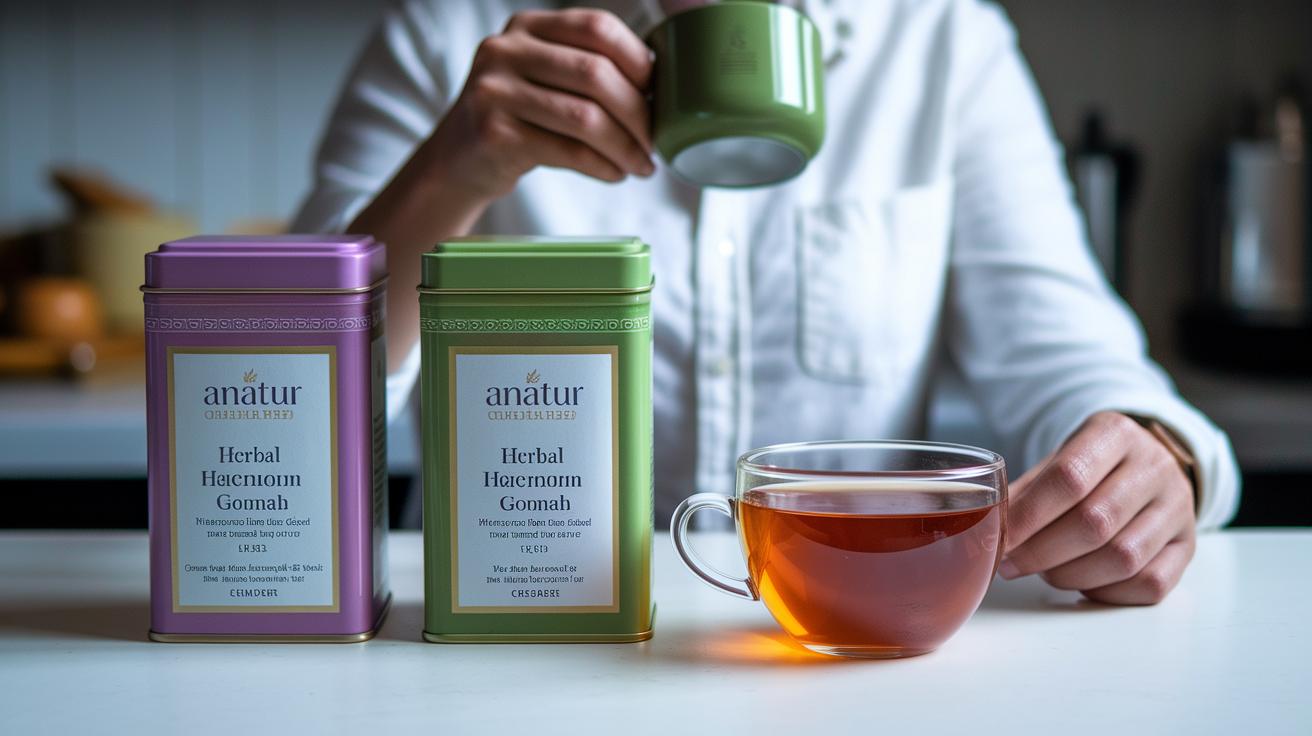
Herbal teas are a nice, natural drink many people enjoy, but sometimes they can cause a little upset in your stomach, a headache, or even mild allergic reactions. It’s best to start with a small amount to see how your body handles it. And if you’re taking other medications or have a health condition, it’s a good idea to check with your doctor first, especially if you’re pregnant, nursing, or using blood thinners (medication that prevents clots), since your body might react differently.
Some teas have extra warnings, too. For example, if you have high blood pressure, use licorice tea only in small amounts because it can raise your pressure. Also, teas with caffeine, like green tea or yerba mate, might make you feel jittery if you’re sensitive. In these cases, switching to caffeine-free options like rooibos or chamomile might be a better choice. Listen to your body and adjust how much you drink so you can safely enjoy your herbal tea.
Scientific Evidence Behind Herbal Tea for Allergies
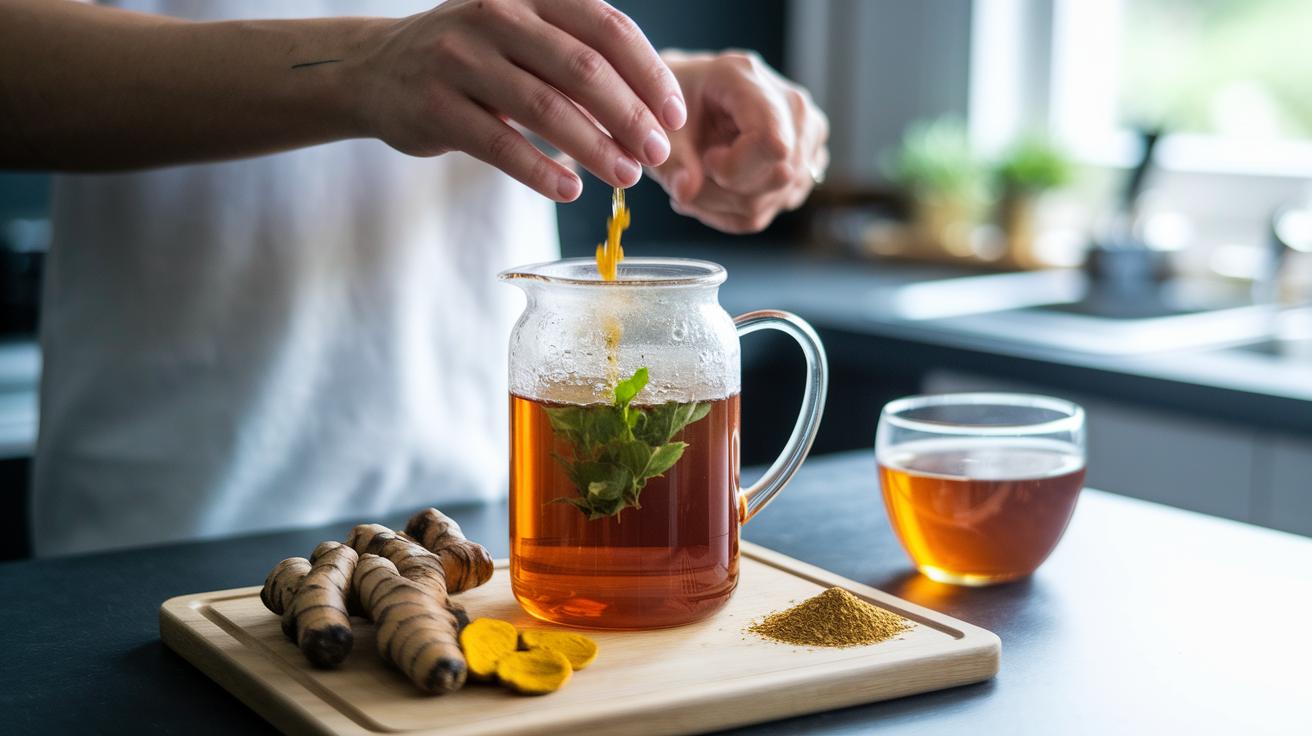
Studies show that some ingredients in herbal teas can help ease allergy symptoms. For example, rooibos tea contains quercetin, a natural compound that works like a helper for mast cells (the cells that release histamines during allergic reactions). In lab tests, quercetin was seen to lower the release of histamines, which can mean fewer sneezes and less congestion.
Turmeric is another tea ingredient that may help. Its active compound, curcumin, has been found to reduce the chemical signals that lead to inflammation. Think of it as a natural shield that calms an overactive alarm system in your body.
Even human trials back these benefits. In one small study, green tea’s EGCG helped clear nasal passages and ease chest congestion. With millions of people dealing with seasonal allergies, these findings suggest that a warm cup of herbal tea might offer a simple, natural way to soothe your symptoms.
Final Words
In the action, this article showed how natural herbal remedies ease allergy symptoms by calming overactive immune responses and soothing inflamed passages. We explored how specific botanicals work together, discussed simple brewing tips, and reviewed safe usage guidelines. Each section built a clear picture of how herbal tea for allergies can serve as a gentle, evidence-backed aid during peak allergy months. Enjoy your daily brew, and let nature support you in feeling lighter and more refreshed.
FAQ
Frequently Asked Questions
What herbal tea is good for allergies, sinuses, and sneezing relief?
The answer is that teas such as chamomile, rooibos, green tea, and ginger tea work well by reducing inflammation and opening nasal passages, which eases sneezing, runny nose, and sinus pressure.
Which teas should be avoided if you have allergies?
The answer is that teas high in caffeine—like some green teas or yerba mate—may worsen symptoms for sensitive individuals, so opting for caffeine-free versions like chamomile or rooibos is a gentler choice.
What is considered the most powerful herb for allergies?
The answer is that stinging nettle often stands out for its natural antihistamine properties, effectively reducing histamine responses and easing symptoms such as sneezing and congestion when prepared as a tea.
How can herbal tea help flush allergens out of your system?
The answer is that drinking herbal teas like green and ginger tea supports your body’s natural detox process, helping to clear allergens, lessen congestion, and reduce inflammation for smoother breathing.