Have you ever thought that a warm cup of tea might help keep you healthy? Many herbal teas do more than just warm you up, they offer a nice boost to your body’s defenses. For ages, people have trusted these teas, and now even science is saying there’s truth in that. In this post, I’ll share a few herbal teas that can help your immune system stay strong. Stick with me to see how a daily cup of these calming brews might help you feel better.
Top Herbal Teas to Strengthen Your Immune System
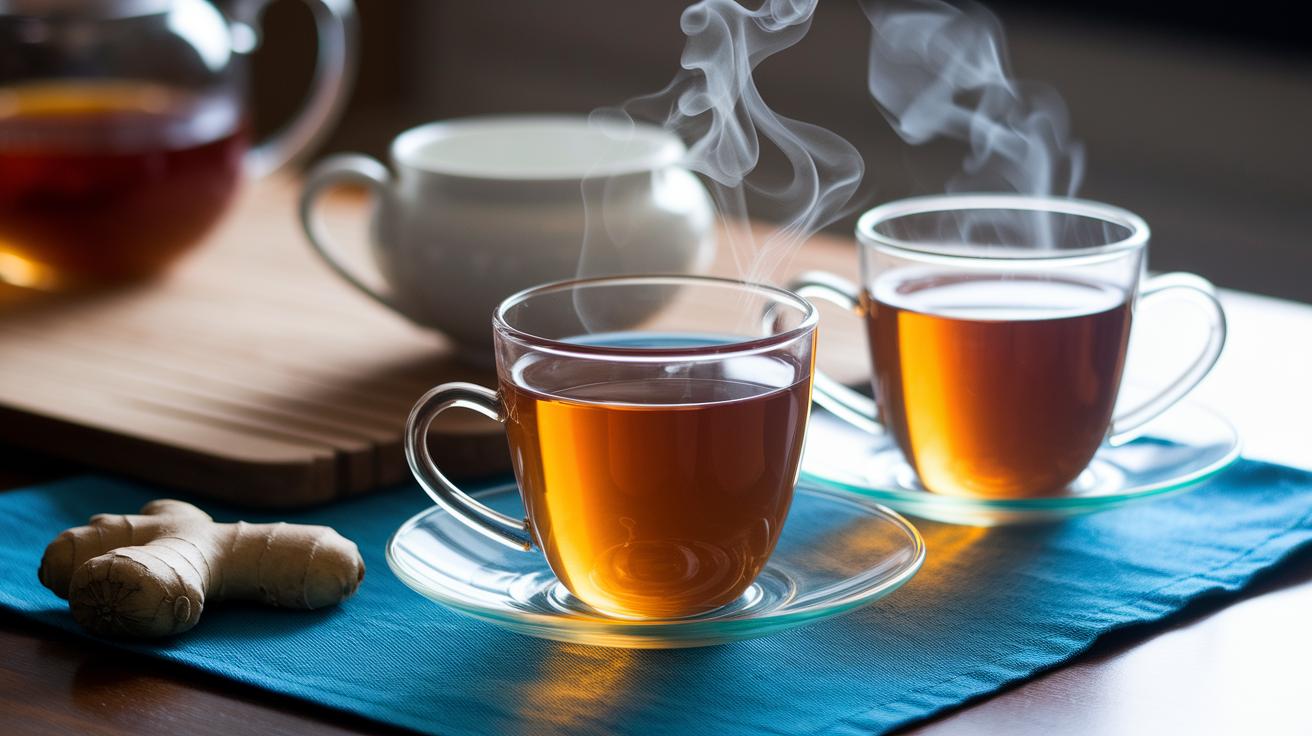
Herbal teas are a delicious, natural way to help your immune system stay strong. They mix age-old traditions with today’s science, offering a comforting boost during chilly cold months and all year round.
- Echinacea tea boosts the activity of your white blood cells (the body's natural defenders) and may even cut a cold or flu short by one or two days. It’s a wonderful herbal helper when you're not feeling your best.
- Ginger tea is perfect for easing a sore throat. Its natural anti-inflammatory and antioxidant properties calm discomfort, while its warm, spicy flavor wraps you in a gentle hug.
- Elderberry tea is a real powerhouse. Packed with antioxidants and vitamins, it helps fight off viruses and strengthens your body's natural defenses. Fun fact: studies show that elderberry extracts can significantly shorten the duration of the flu!
- Turmeric tea comes with curcumin, a natural compound famous for reducing inflammation (like soothing swelling) and supporting your immune response. It’s like giving your body a little tune-up.
- Green tea is loaded with catechins and theanine, natural compounds that help your body fight infections and boost your antiviral activity. It’s a refreshing way to keep your defenses in top shape.
- Peppermint tea, with its natural menthol, clears your sinuses and supports healthy breathing. It’s a zesty, refreshing choice, especially when seasonal changes stir up allergies.
- Chamomile tea gently soothes stress while offering mild antimicrobial benefits. Its calming effect helps set a peaceful tone that supports overall wellness.
A daily cup of these herbal teas, whether enjoyed on its own or with a splash of honey for an extra antibacterial kick, is a tasty, simple way to help your natural defenses and keep you feeling good.
Key Ingredients in Immune-Supporting Herbal Teas
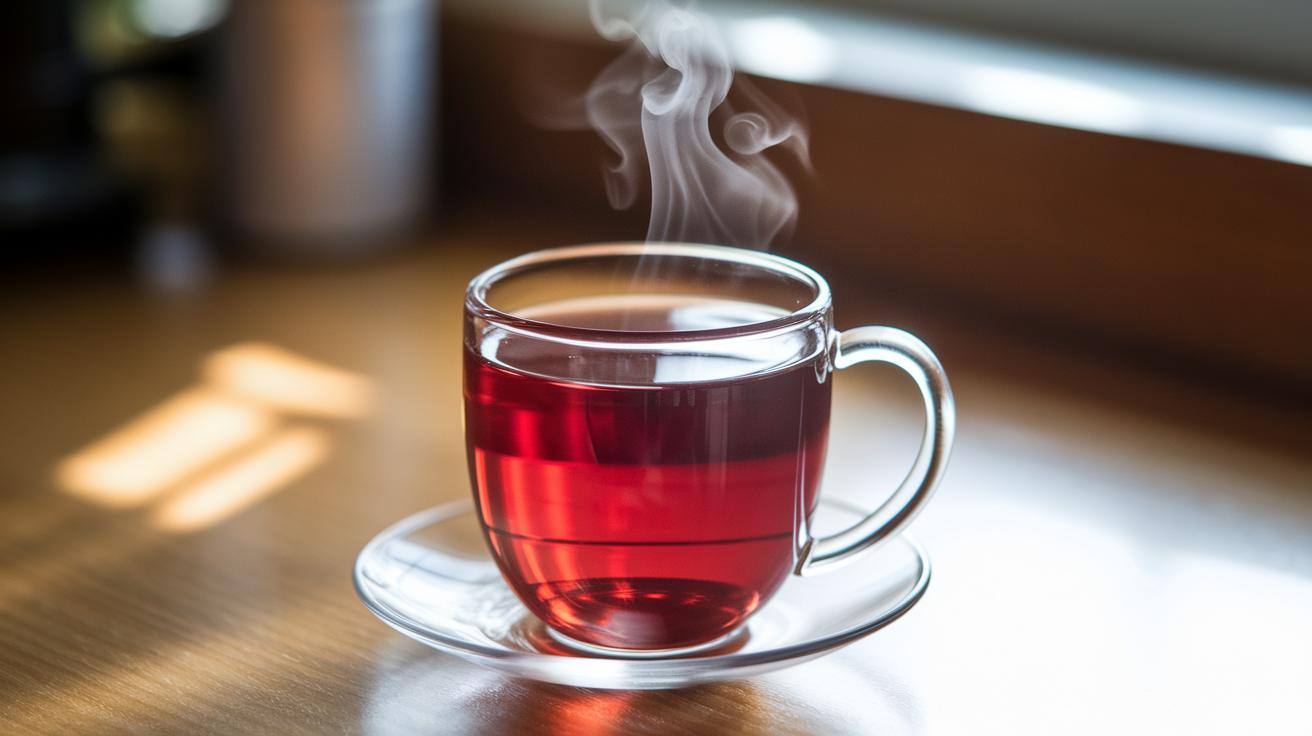
Hibiscus and rosehips are celebrated for their rich vitamin C content, with each cup packing up to 27 mg, and a good dose of iron. Their striking ruby color signals a wealth of antioxidants that help fight off free radicals. Research shows that vitamin C plays an important role in building up white blood cells, which are key to keeping your immune system strong. Imagine enjoying a ruby-red drink that delivers a refreshing burst of vitamin C with every sip.
Ashwagandha and ginseng are herbal adaptogens, meaning they help your body manage stress. Ashwagandha works to balance cortisol, the stress hormone, while ginseng may boost immune cell activity to support your body’s defense. Recent studies suggest that combining these herbs can help regulate inflammation and build overall immune resilience. Picture a soothing herbal brew that not only calms you but also gives your immune system a gentle boost.
Preparation Methods for Immune-Boosting Herbal Tea Recipes
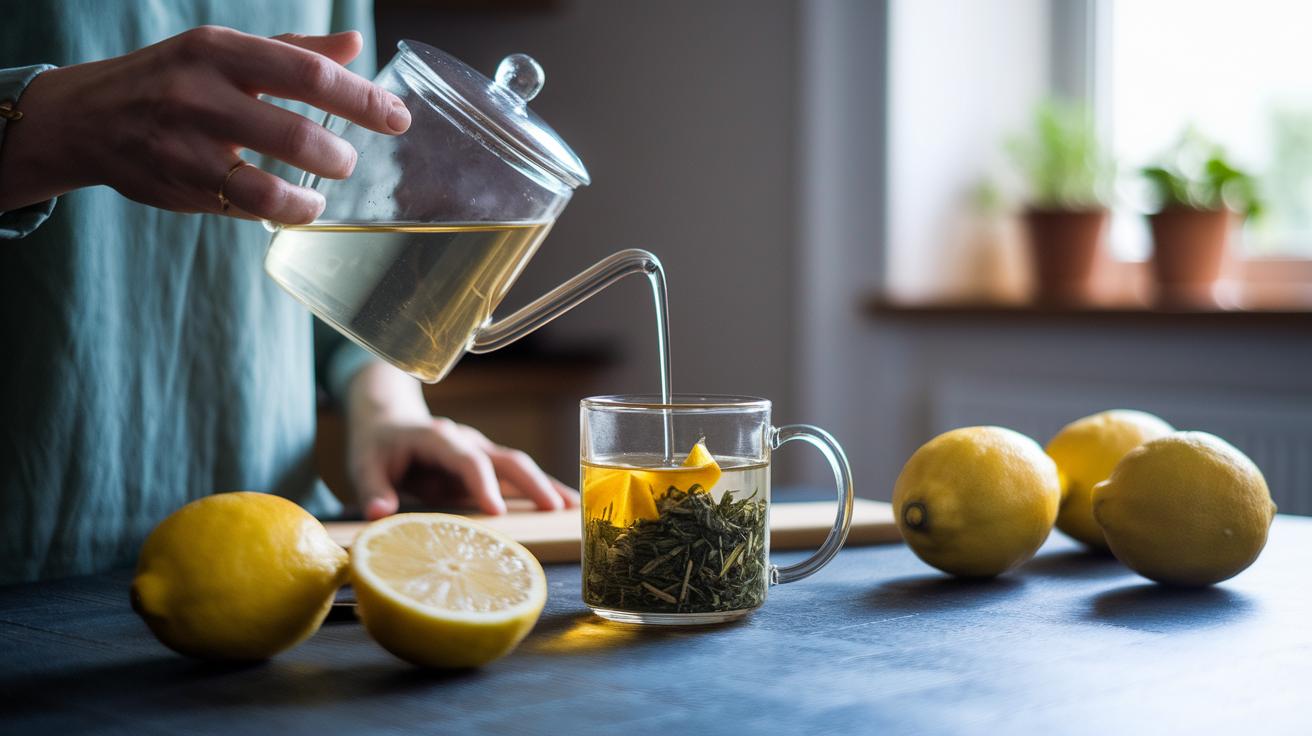
When you whip up your immune-boost tea, getting the water hot enough and using the right herb amounts really makes a difference. For most herbs, you’ll want to use boiling water (about 212°F) to pull out all those good natural compounds. For each 8 oz cup, measure about 1–2 teaspoons of dried herbs or 2–3 grams if you’re using fresh roots. This simple method helps extract vitamins, antioxidants, and other important bioactive elements. A little twist like a teaspoon of honey or a fresh lemon slice not only brightens up the flavor but also adds more vitamin C.
| Ingredient | Amount per Cup | Water Temp | Steep Time |
|---|---|---|---|
| Echinacea | 1–2 tsp dried | 212°F | 10–15 minutes |
| Ginger | 1 Tbsp sliced (5 g) | 212°F | 5–10 minutes |
| Turmeric | 1 tsp grated root | 212°F | 10 minutes |
| Hibiscus & Rosehips | 1 Tbsp mix | 212°F | 5–7 minutes |
| Licorice Root | 1–2 tsp dried | 212°F | 8–10 minutes |
| Green Tea | 1 tsp dried leaves | 175°F | 3 minutes |
Feel free to mix and match your favorite herbs to create a tea that feels just right for your body. Combining a strong herb like echinacea with the spicy kick of ginger not only ups the health benefits but also adds a nice balance of flavors. And if you prefer a smoother, slightly tangy taste, try pairing hibiscus and rosehips with licorice root. Adjust the steep time to play with both the flavor and strength, and enjoy the simple art of making your own natural immunity booster right at home.
Scientific Research on Herbal Tea and Immune Function
Recent research shows that herbal teas might give your immune system a helpful boost. For example, studies on echinacea have found that it can increase neutrophil activity by about 10-15%. This means your white blood cells work better at fighting off infections. Plus, vitamin C from hibiscus and rosehips helps phagocytes (cells that clear out harmful invaders) work more efficiently, keeping both your quick-response and long-term defenses ready.
Other research highlights that these herbs also have antiviral and anti-inflammatory benefits. Turmeric’s curcumin can lower inflammation signals in your body, think of markers like IL-6 and TNF-α, by as much as 30%. Green tea, with its key compound EGCG, may even stop flu and RSV viruses from multiplying in lab tests. Elderberry extract has been linked to shortening the duration of flu symptoms by an average of 3.2 days. And peppermint, thanks to its menthol, shows antimicrobial effects that help support a healthy respiratory system.
Key Points:
- Echinacea boosts neutrophil activity by about 10-15% and may help reduce the length of colds or flu.
- Curcumin from turmeric can decrease inflammatory signals by up to 30%.
- EGCG in green tea might slow down the replication of flu and RSV viruses.
- Elderberry extract could help you recover from the flu approximately 3 days faster.
- Peppermint, with its menthol, has germ-fighting effects that support respiratory health.
Recommended Dosages and Safety Considerations for Immune-Support Herbal Teas
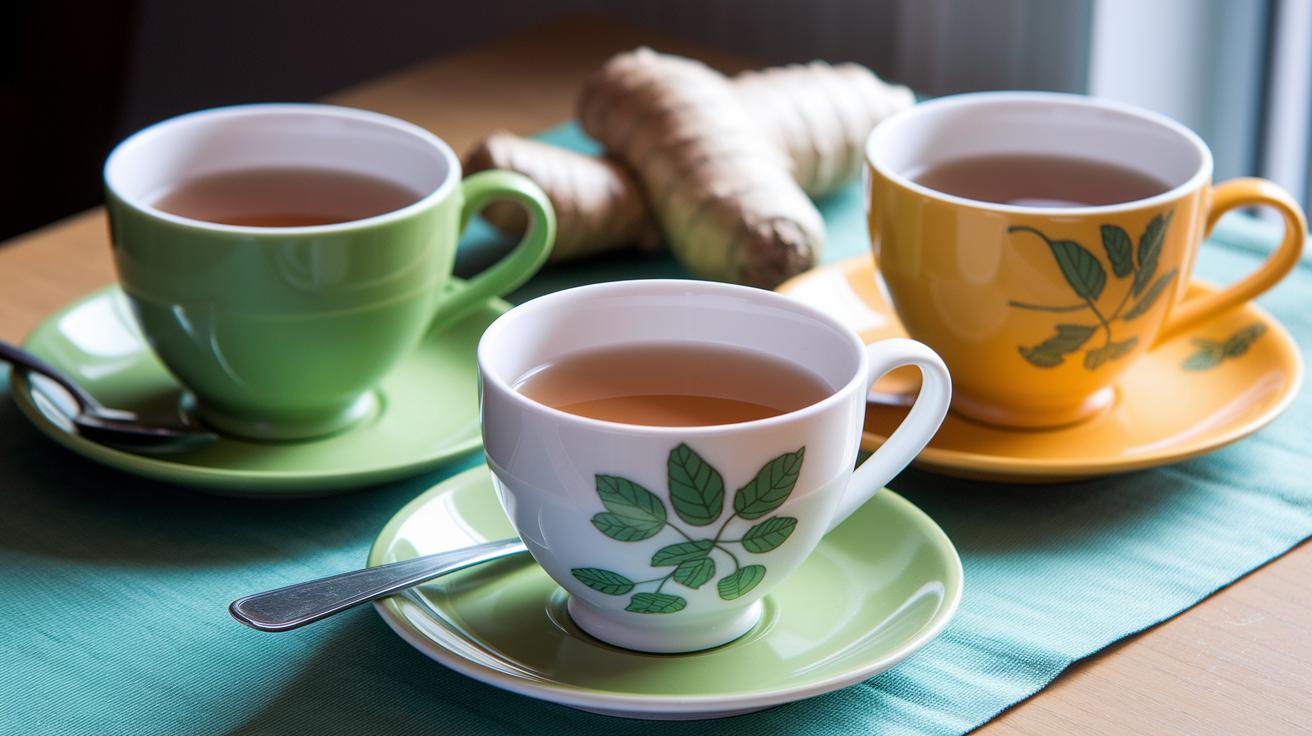
When it comes to enjoying herbal teas that support your immune system, a good rule of thumb is to drink 2–3 cups a day. This lets you mix a variety of herbs, like echinacea, ginger, and turmeric, to give your natural defenses a boost without overusing any single ingredient. For example, while turmeric is known for its anti-inflammatory benefits, taking more than 2 grams a day could upset your stomach. A little pinch of black pepper can help your body absorb turmeric more naturally.
It’s also smart to be aware of how these herbs might work with your body. Echinacea, for example, shouldn’t be used continuously for longer than 8 weeks because it might lead to a sensitivity reaction. Licorice root should be limited to about 1 gram per day to avoid any sudden changes in blood pressure. And if you’re pregnant, nursing, or on immunosuppressant medication, chatting with a healthcare professional before starting any herbal tea routine is a must. Don’t forget, honey is off limits for infants under one year old.
Here are some key points to remember:
- Limit licorice root to 1 g per day to prevent blood pressure changes.
- Avoid using echinacea for more than 8 consecutive weeks.
- Keep turmeric intake below 2 g per day to prevent stomach upset.
- Always consult a healthcare provider if you are pregnant, nursing, or taking immunosuppressants.
Integrating Herbal Tea into Daily Routines for Immune Support
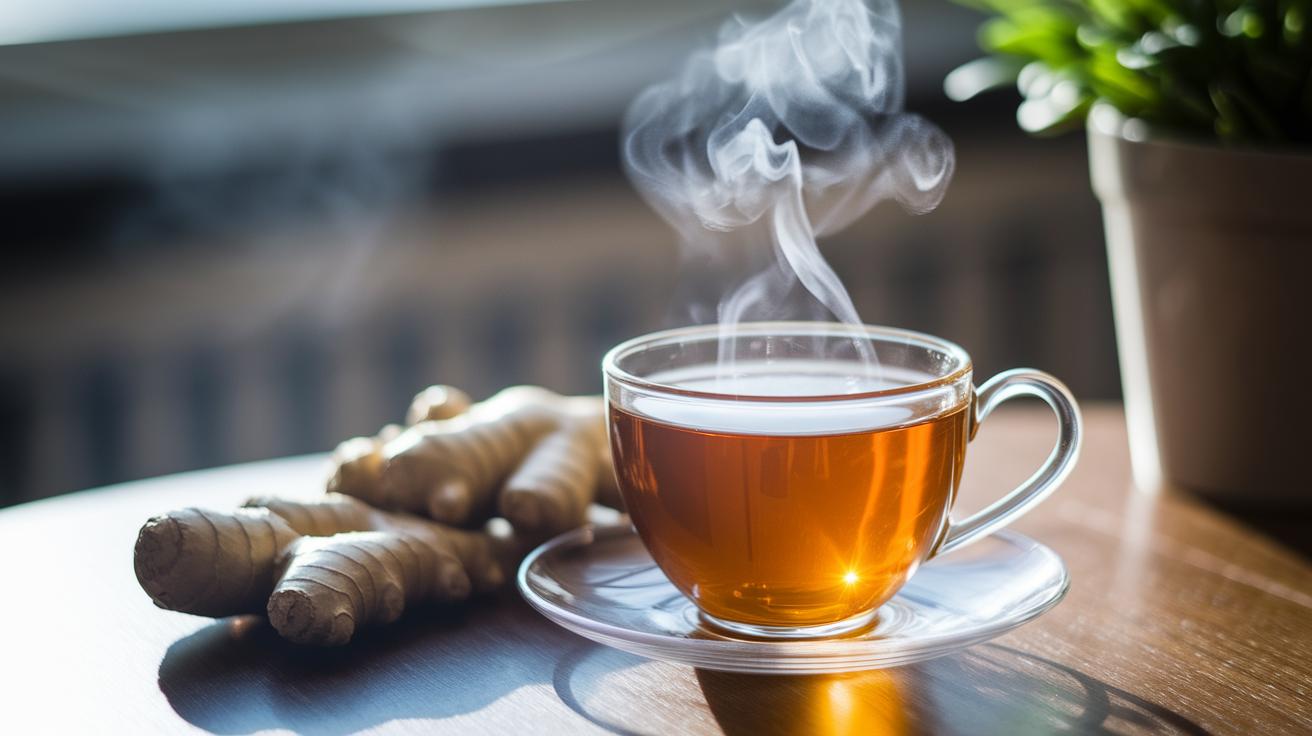
Starting your day with a warm cup of herbal tea is an easy, enjoyable ritual that boosts your immune system while calming your mind. Picture the gentle steam rising from your cup as it delivers a blend of natural benefits to help keep your defenses strong.
In the morning, try an Echinacea-ginger infusion. Echinacea is known to support your body’s natural protection (it’s like giving your immune system a friendly nudge), and the ginger adds a zesty spark to wake you up. Then, around midday, reach for a refreshing green tea with a slice of lemon. The green tea offers antioxidants (nutrients that protect your cells) and the lemon gives a bright, citrus burst that lifts your spirits.
As evening comes, unwind with a chamomile-turmeric brew enhanced by a drizzle of honey. Chamomile is soothing and helps ease stress, while turmeric is celebrated for its gentle anti-inflammatory properties. And once in a while, mix it up with an elderberry-hibiscus blend to give your immune system a broad boost along with a delicious twist.
This simple daily tea routine offers a cozy way to support your well-being. Your body thrives.
Final Words
In the action, we took a close look at herbal teas that support your immune system. We outlined key natural ingredients, easy brewing steps, and practical safety tips to guide your daily routine. We also talked about the tasty benefits of each blend, including a standout herbal tea for immune system boost. A daily cup can help you feel refreshed while nurturing your body naturally. Enjoy a warm, comforting sip and keep moving toward better health every day.
FAQ
How can homemade herbal tea support the immune system?
Homemade herbal teas mix natural ingredients like ginger, echinacea, and green tea that help bolster your body’s defenses by supplying antioxidants and soothing compounds to promote overall wellness.
Which herbal tea is best for the immune system?
The best herbal tea for the immune system varies, but options like green tea, elderberry tea, and echinacea tea rank highly for their antiviral and antioxidant benefits that contribute to healthy immunity.
What are the medicinal uses of different herbal teas?
Different herbal teas offer unique benefits—elderberry tea may help fight viruses, ginger tea can ease inflammation, and turmeric tea aids in balancing immune responses, all contributing to a robust defense system.
What is the healthiest tea to drink daily for immune support?
The healthiest tea for daily immune support is often green tea, which supplies catechins and theanine, compounds known to help reduce inflammation and support your body’s natural defense mechanisms.
Is green tea good for the immune system?
Green tea supports the immune system by providing catechins and theanine that work together to reduce inflammation and defend against infections, making it a popular choice for a daily health boost.
What is the most powerful natural immune booster among herbal teas?
Elderberry tea stands out as one of the most powerful natural immune boosters, offering antioxidants and vitamins that help reduce the duration of colds and support overall immune health.
What are the primary benefits of immune-support teas?
Immune-support teas deliver a mix of antioxidants and anti-inflammatory agents that promote white blood cell activity and help maintain balance, contributing to quicker recoveries from common illnesses.