Ever wondered if a few simple herbs could do more than just spice up your meals? When you make your own herbal tinctures (liquid extracts from herbs), you're turning everyday plants into a natural way to boost your well-being.
In this easy guide, you'll learn how to pick fresh, high-quality herbs, mix them with the right type of liquid, and let time work its magic to pull out all the good stuff. It’s a lot like brewing a strong cup of tea right in your kitchen, simple steps that add a natural lift to your day.
So, are you ready to invite a bit of your garden into your medicine cabinet?
Herbal Tincture Recipes: Step-by-Step Plant Extract Guide
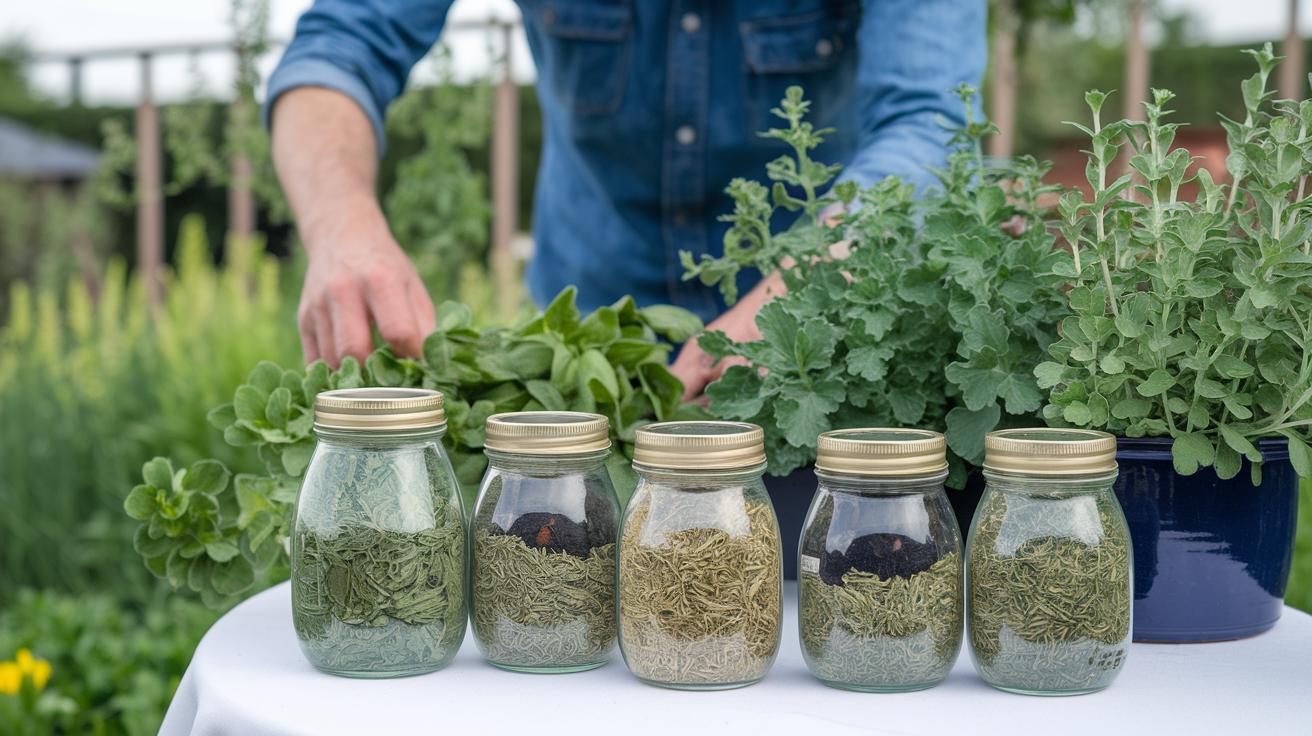
-
Selecting your herbs:
Pick fresh, high-quality herbs from a trusted source or even your own garden. Fresh herbs bring a bright, lively flavor, while dried herbs give a more concentrated taste. For instance, consider using St. John’s Wort for mood support, it’s been valued for many years. -
Preparing plant material:
Cut or grind your herbs to expose more surface area, which helps the liquid pull out the beneficial compounds more effectively. Think of it like slicing an apple before making a refreshing juice, a little extra work makes a big difference. -
Combining your solvent:
Measure your liquid carefully before mixing it with the herbs. Alcohol (40–95%) is popular because it extracts powerfully and keeps the tincture fresh. You could also opt for vegetable glycerin if you prefer a sweeter note or vinegar for a tangy kick. A good rule to follow is 2 oz of fresh herbs or 1 oz of dried herbs for every 4–10 oz of solvent. -
Maceration timing:
Seal your herb and solvent blend in a sterilized jar and place it somewhere cool and dark. Let it sit for 4–6 weeks, much like brewing a hearty cup of tea for extra taste. If you want a stronger tincture, you can allow it to macerate for up to 12 weeks. -
Straining and bottling:
After maceration, strain the mixture with a fine-mesh strainer or cheesecloth to remove any plant bits. Transfer the clear liquid into sterilized amber bottles to shield it from light. Don’t forget to label your bottles with the herb’s name, the type of solvent used, and the date of preparation. Start with about 20–40 drops to see how your body reacts before making any adjustments.
Herbal Tincture Recipes: Choosing Herbs, Solvents, and Extraction Equipment
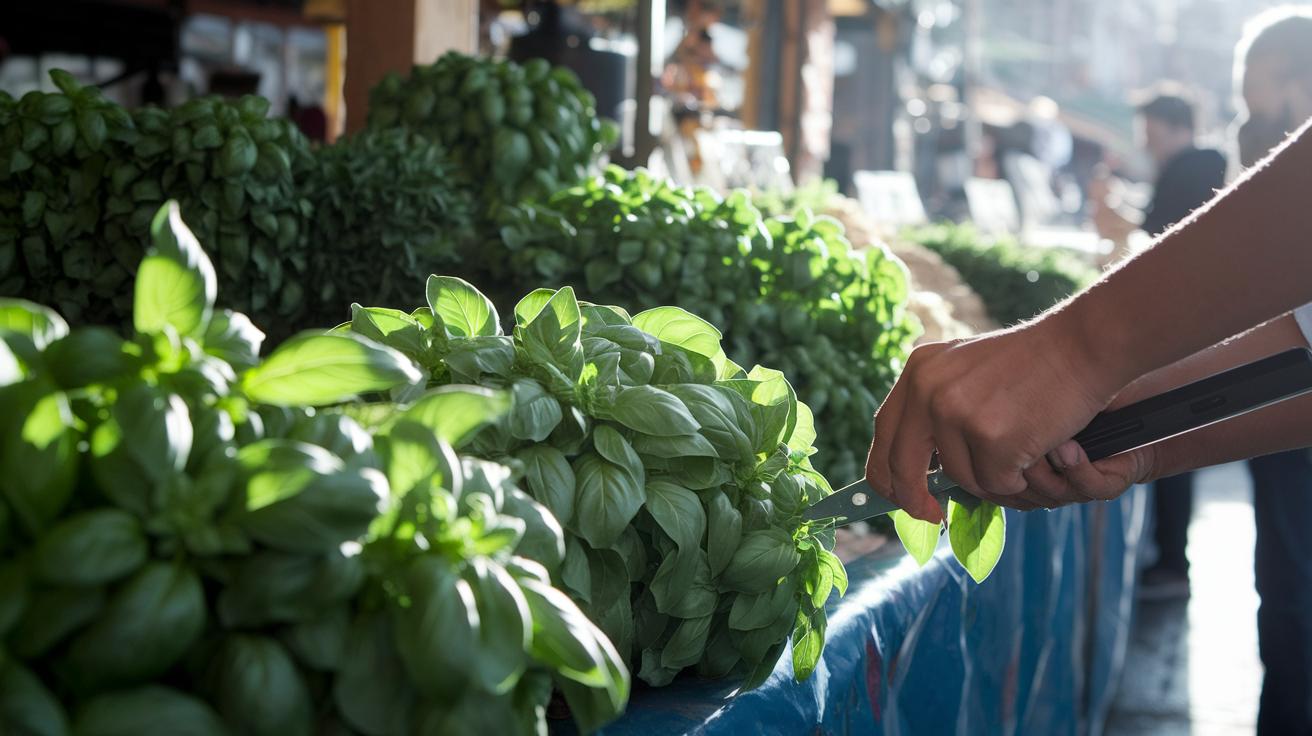
When picking herbs, go for the best quality by using fresh, organic ones from places you trust, like your local market or your own garden. If you're curious about which herbs fit your needs, check out the medicinal herbs list and uses. It’s a bit like choosing the crispest lettuce for a salad, good ingredients make all the difference. Imagine snipping basil at its peak for that perfect burst of flavor.
Next, decide on a solvent that suits the taste and strength you want. Alcohol (like vodka or brandy at 40–95%) pulls out many herbal compounds and helps keep the tincture safe for longer. But if you prefer something sweeter, vegetable glycerin is a great choice, or you might go with apple cider vinegar for a tangy twist. Think of it like putting together a balanced smoothie where every ingredient adds its own charm.
Finally, make sure you have the right tools to keep your process simple. Gather sterilized amber glass bottles with dropper caps, snug lids, and a fine-mesh strainer or cheesecloth to separate the herbs. Also, having a kitchen scale handy is like weighing ingredients for your favorite recipe, it keeps your herb-to-solvent ratio just right.
Herbal Tincture Recipes: Alcohol-Based Versus Alcohol-Free Methods
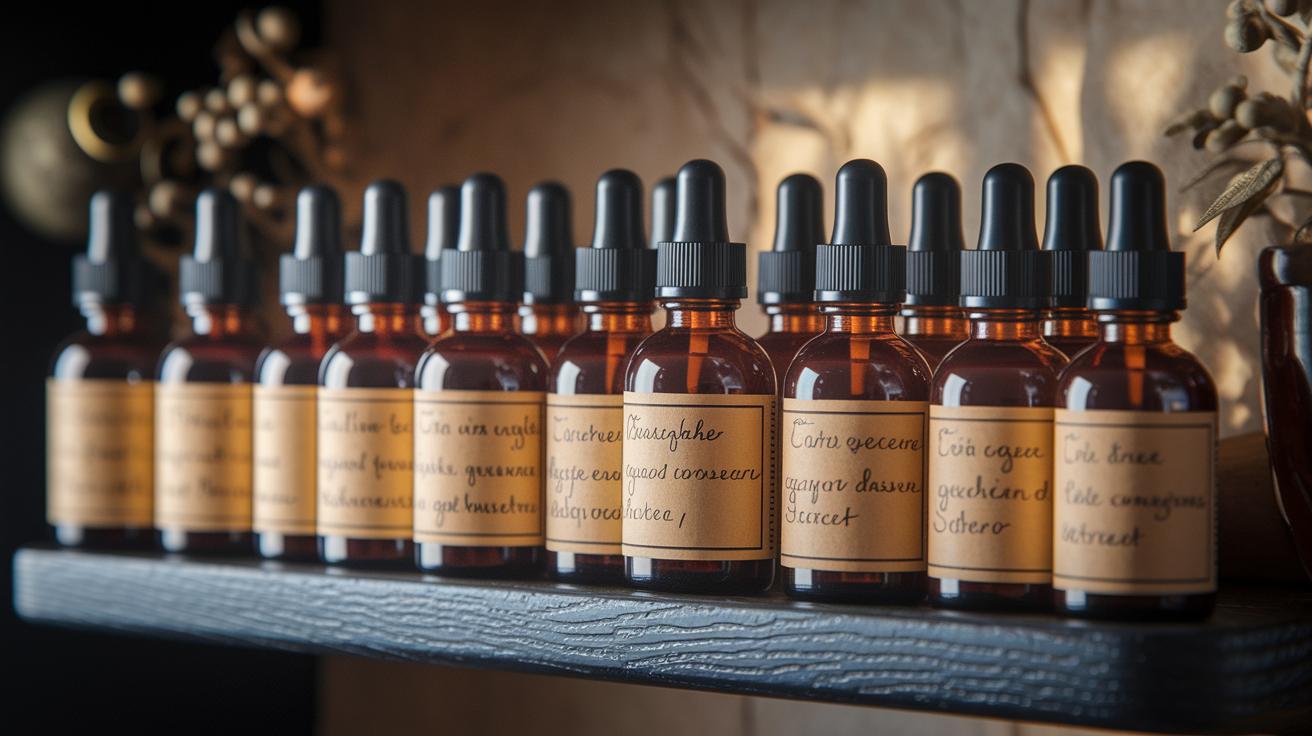
Alcohol-based tinctures are a favorite because they do a great job pulling out and keeping many herbal compounds. When you store them in a cool, dark spot, you can expect them to last 3–5 years or even longer. They’re especially effective for herbs like yarrow, which need a higher alcohol level (about 60%) to work best.
If you prefer to avoid alcohol, glycerin-based tinctures might be your pick. They taste sweeter and milder, which helps cover up some of the natural bitterness of herbs. These tinctures usually last between 1 and 3 years, making them perfect when you value flavor over a longer shelf life. Vinegar extracts add a tangy, zesty note, though they only keep for around six months. Each method has its perks and limits, so it really comes down to what tastes good to you and how long you need your tincture to last.
| Method | Solvent | Taste | Shelf Life | Ideal Use |
|---|---|---|---|---|
| Alcohol-Based | Alcohol (vodka/brandy) | Clean, robust | 3–5 years+ | Strong extraction needs |
| Glycerin-Based | Vegetable glycerin | Sweet, mellow | 1–3 years | For alcohol avoidance |
| Vinegar-Based | Apple cider vinegar | Tangy, zesty | ~6 months | Unique acidic profile |
Herbal Tincture Recipes: Traditional Maceration and Fast Infusion Techniques
When making your own herbal remedies, it's important to know how the extraction process changes the final elixir. Two popular methods are maceration and percolation. Maceration means letting herbs soak in a liquid for several weeks to months so that nature slowly does its work. On the other hand, percolation is a quicker approach where the liquid drips steadily through the herbs, finishing the job in hours or days. Each method has its perks and challenges based on what you need from your herbal blend.
Think about the tools you have and how long you're willing to wait. If you like a laid-back, hands-off approach and appreciate a process that unfolds naturally, maceration might be perfect for you. But if you want a steady, speedy result and can set up a percolation system, that modern twist could be just what you need.
| Method | Process | Time | Pros | Cons |
|---|---|---|---|---|
| Maceration | Herbs soak in a liquid in a sealed jar | 4–12 weeks | Simple equipment; natural and easy process | Needs a lot of time; strength may vary |
| Percolation | Liquid drips slowly through a packed herb bed | Hours to days | Quick extraction; consistent strength | Needs special setup; more steps required |
Have you ever noticed how a little change in technique can make a big difference? Choose the method that fits your style and enjoy the journey of creating your own herbal medicine.
Herbal Tincture Recipes: Top Plant Remedies and Custom Formulations
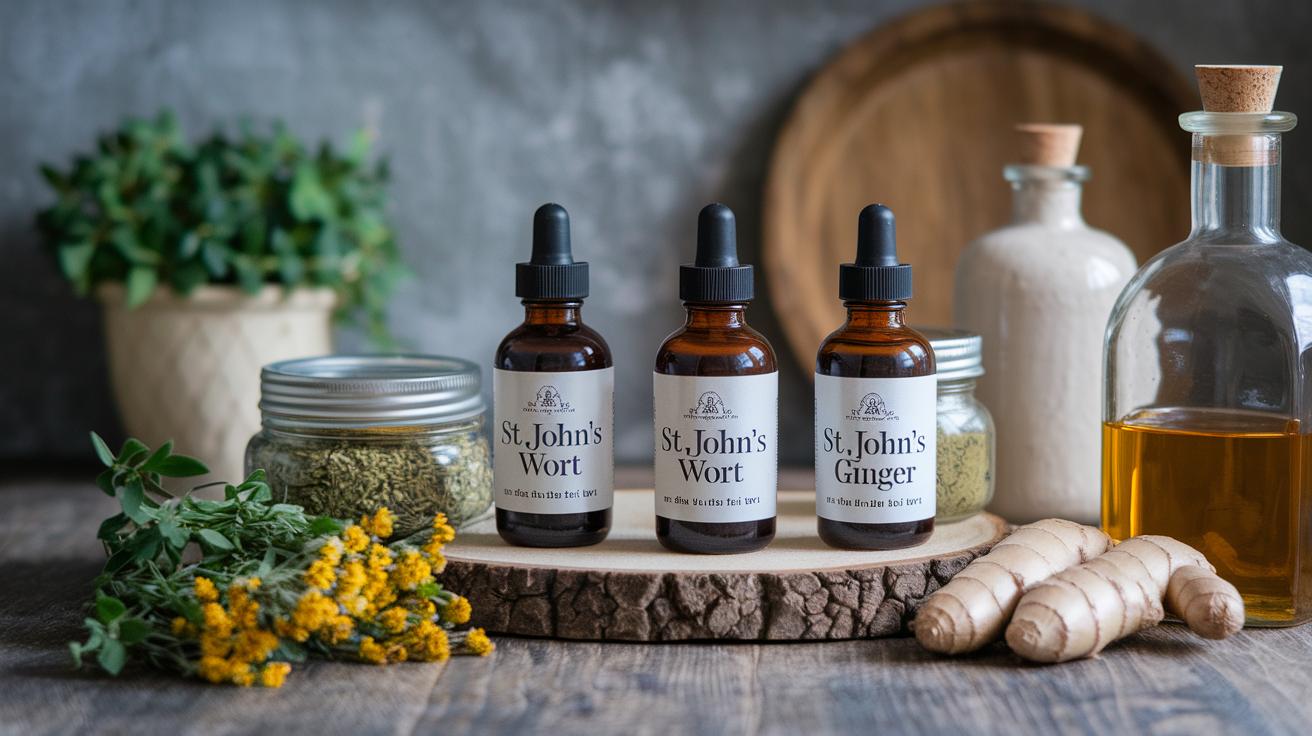
Here are five simple, do-it-yourself herbal tincture recipes that can support different parts of your wellness routine. These natural elixirs are designed to help with mood, digestion, sleep, immunity, and stress relief. Each recipe shows how different herb-to-solvent ratios and infusion times can change a tincture’s strength.
-
St. John’s Wort: This tincture is great for lifting your mood. Use 2 oz of fresh herb with 8 oz of 40% alcohol, letting the blend sit for 6 weeks to fully bring out its benefits.
-
Ginger: Known for its anti-inflammatory properties (it helps reduce swelling) and digestive support, mix 1 oz of dried ginger with 5 oz of vodka. Let it infuse for 4 weeks to create a gentle yet effective remedy.
-
Chamomile: Perfect for calming nerves and promoting sleep, combine 2 oz of fresh chamomile flowers with 6 oz of vegetable glycerin. Steep the mix for 2 weeks to get a soothing tincture.
-
Echinacea: If you need an immune booster, try this one. Mix 1 oz of dried root with 6 oz of brandy, and let it sit for 6 weeks to extract its energizing properties.
-
Valerian: This recipe is useful for reducing stress and anxiety. Combine 1 oz of dried valerian root with 8 oz of apple cider vinegar, letting it macerate for 4 weeks. For more details, check natural herbs for anxiety at the provided link.
You can tweak the herb-to-solvent ratios to fine-tune the strength of your tincture. Whether you need something gentler or a bit more potent, experimenting with these proportions can make all the difference. Have you ever noticed how small changes can lead to big improvements?
Herbal Tincture Recipes: Dosage, Storage, and Shelf-Life Guidelines
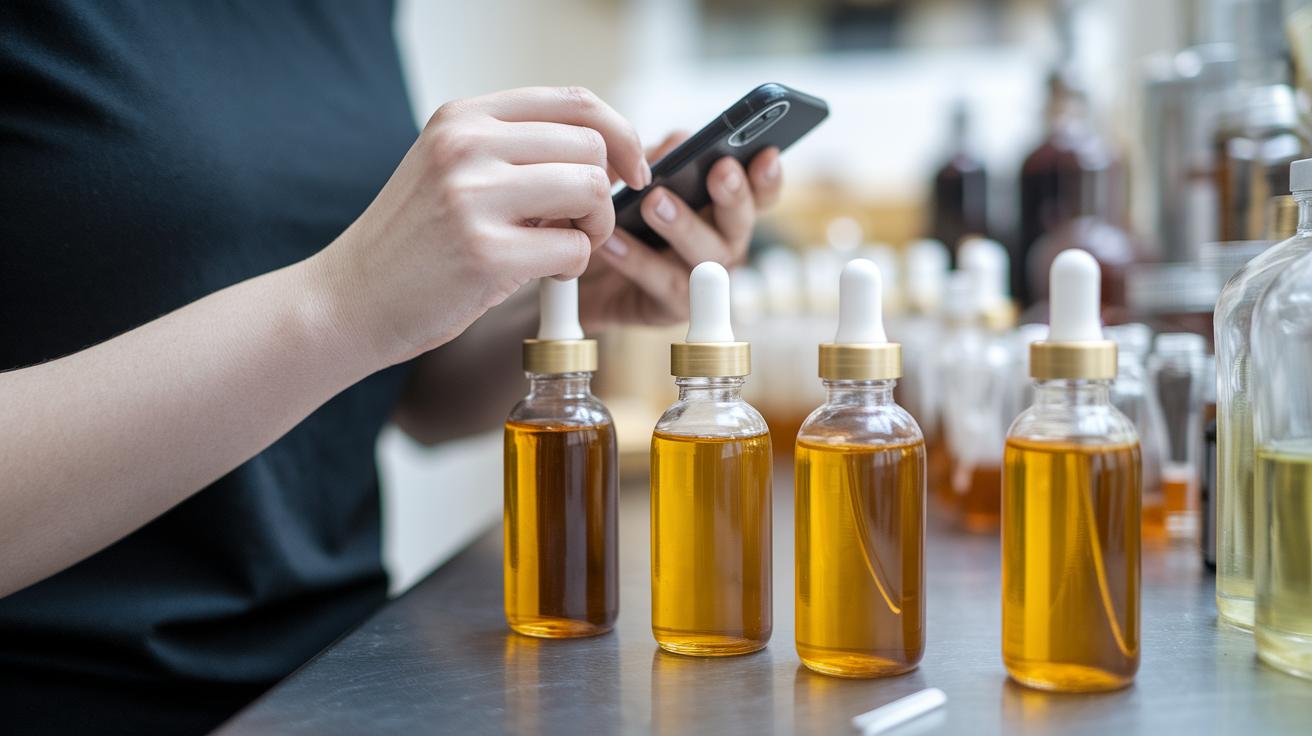
Start by using 1–2 mL (about 20–40 drops) up to three times a day. Think of it like adding a pinch of salt to your meal, a little goes a long way. Adjust the drop count based on how strong your herb is and how you feel.
Be sure to label your bottles with the herb’s name, the herb-to-solvent ratio, the type of solvent used, and when you made it. For instance, you might write: "Chamomile, 2 oz fresh/6 oz glycerin, prepared 04/15/2023." This simple step keeps your records clear and helps you track everything easily.
Store your tinctures in dark glass bottles. The dark glass blocks out light like a cool, safe hideaway for treasured photos, which helps the extract stay potent for longer.
Alcohol-based tinctures can last anywhere from 3 to 5 years, whereas those made with glycerin or vinegar should be used within 1 to 3 years. If you notice any changes in odor or color, it’s best to discard the tincture and make a fresh batch.
Herbal Tincture Recipes: Common Mistakes, Safety, and Best Practices
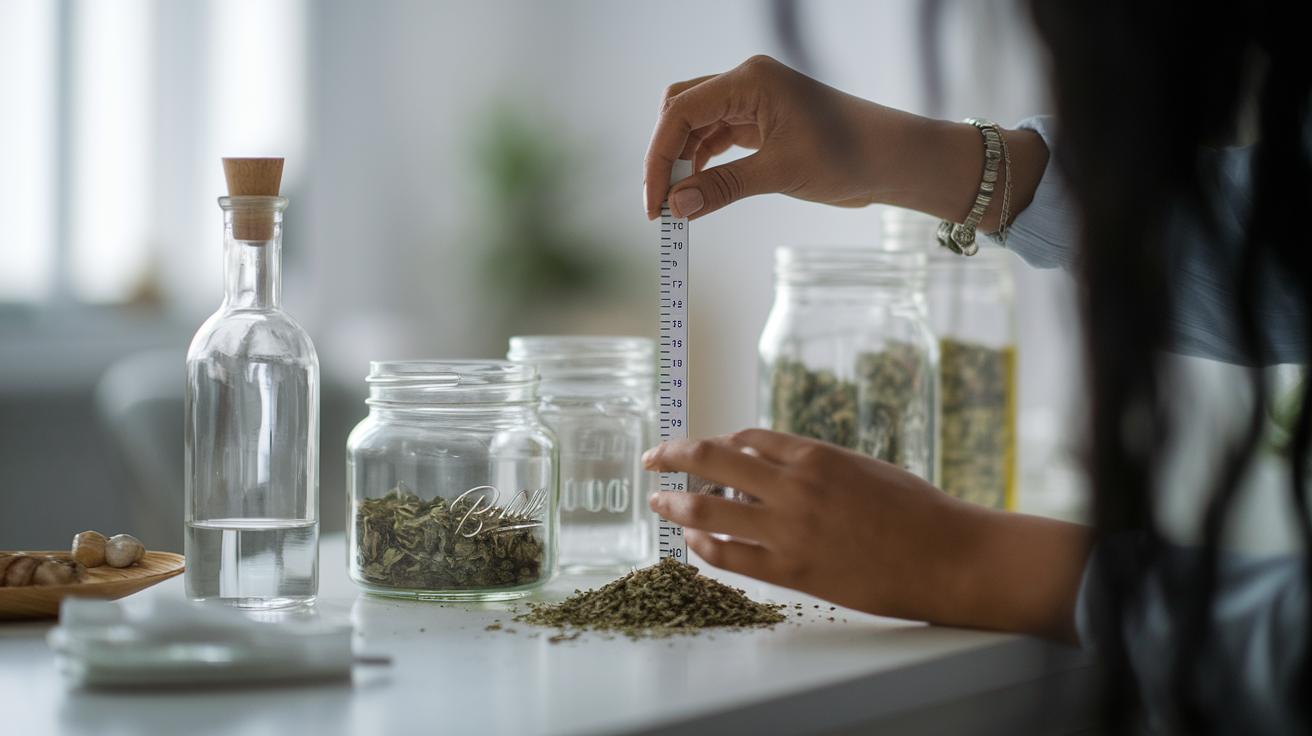
When making herbal tinctures, a common mistake is not using the right amount of herbs and solvent. If your herb-to-solvent ratio is off or you're using a low-proof alcohol (which means it has a lower percentage of alcohol), the extract might turn out too weak. Sometimes, chopping herbs too coarsely or rushing the soaking process means you won’t get all the benefits out of the herb.
Another slip-up is not cleaning your tools well enough. If your equipment isn't sanitized properly, you might end up with unwanted impurities in your tincture. It’s also easy to get confused if you forget to label your batches or misjudge your herb-to-solvent details later.
To keep things safe and effective, always do a bit of research on any herbal remedy you're trying out. Check for any potential risks and chat with your healthcare provider if you're unsure. Clean up all your tools before you start, stick to a consistent herb-to-solvent ratio, and jot down details of each batch. Starting with a small dose is a smart way to see how your body reacts before you use more.
Final Words
In the action, this guide broke down every step of making herbal tinctures, from choosing the right herbs and measuring solvents to macerating and bottling them safely. Each section gave clear instructions to avoid common mistakes and keep your plant extracts potent and reliable.
Remember to label each bottle and start with a small dosage. Embracing these herbal tincture recipes makes your DIY approach both safe and effective. Keep experimenting and enjoy a healthier lifestyle with each new batch.
FAQ
What are some common tinctures and their uses?
The list of tinctures covers herbal extracts like chamomile for sleep and ginger for digestion. Some resources even offer downloadable PDFs outlining various recipes and benefits.
How do you make a herbal tincture without alcohol?
Making a non-alcohol tincture uses vegetable glycerin or apple cider vinegar instead of alcohol. Combine your herbs with the chosen liquid, let them infuse for several weeks, then strain and bottle the extract.
What resources can help beginners start making tinctures?
Beginner-friendly guides and recipe books offer step-by-step instructions on selecting herbs, mixing proper ratios, and timing the infusion process, making it easier to create effective herbal extracts.
Which tinctures and herbs are best to have on hand for home use?
Recommended tinctures often include ginger, chamomile, and echinacea, while popular herbs like St. John’s wort also offer valuable benefits for digestion, sleep, and immune support in a home apothecary.
What is the best alcohol to use for herbal tinctures?
Vodka is popular because its neutral taste and proper alcohol percentage reliably extract active compounds, resulting in a potent and long-lasting herbal remedy.
What is considered the most beneficial tincture?
Many find echinacea particularly useful for immune support, though benefits depend on individual needs. Choosing a tincture that matches your health goals is the key to its effectiveness.
Do herbs have to be dried to make a tincture?
Herbs can be used fresh or dried. Fresh herbs may offer a brighter flavor, while dried herbs provide a concentrated extract; both methods work well when using the proper herb-to-solvent ratio.
Can you mix different herbs in a single tincture?
Yes, mixing herbs is common to combine their benefits. Use herbs with compatible effects and similar infusion times to create a balanced and effective herbal extract.