Ever thought about giving your eating, moving, and resting habits a tech upgrade? More than 80% of people in the US are embracing wellness, and the global market for health continues to grow. This means our everyday care can become more personal by using data to guide us. Today, smart devices are helping us choose meals, plan workouts, and even ease stress. In this article, we'll show you how mixing modern technology with daily habits is reshaping the way we care for our bodies and minds. Get ready to discover a fresh take on health that easily fits into your routine.
Overview of Innovative Wellness Trends
Right now, the global wellness market is huge, valued at $2 trillion and growing about 10% every year. A recent survey shows that in 2024, 82% of US consumers were focused on wellness, and that number is expected to rise to 84% in 2025. It’s clear we are paying more attention to personalized care and new technology, blending exercise, healthy eating, and mental support.
Today, sustainable habits are meeting digital innovation in a way that makes wellness easier for everyone. Whether it's the foods we choose, our workout routines, or taking care of our minds, new trends are weaving these ideas into our daily lives with tools tailored just for you.
- Personalized Nutrition & Precision Health
- Digital Self-Care Platforms & Mental Coaching
- Sensor-Driven Fitness Insights & Smart Recovery
- Sustainable Fitness & Eco-Conscious Lifestyles
- Integrative Therapies & Mindfulness Training
- Wearable Performance Tracking & Vigor Diagnostics
Together, these exciting trends are transforming wellness into a complete, everyday practice. They help you make smart, data-backed decisions about your health with options that are just right for you. In truth, this mix of modern technology and eco-friendly methods makes every step toward better health feel both innovative and truly personal.
Personalized Nutrition Design & Biotech Rejuvenation Science
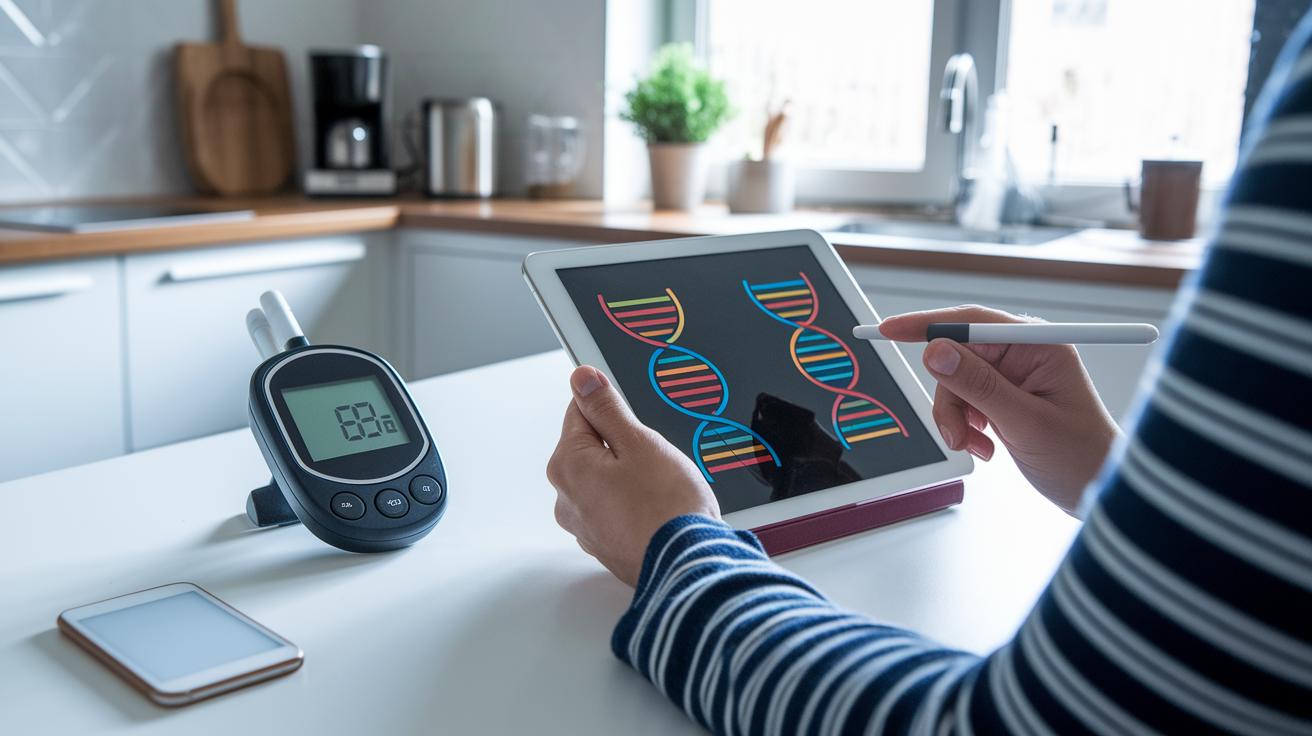
Today, our nutrition is more personal than ever. By checking out your unique gene code, experts create food plans that work just for you. They study your DNA to see how you process food and look at your gut bacteria to help keep your stomach happy. And with real-time glucose monitors giving live updates when you eat, you can choose meals that boost your energy and keep you strong. This smart, data-driven method helps our bodies repair themselves, strengthens our immunity, and supports healthy aging.
At the same time, advanced biotech tools, once just for elite labs, are now available for anyone interested in cutting-edge wellness. New treatments like longevity peptides (tiny proteins that help repair cells) and cellular regeneration therapies work with these personalized diets. They mix modern science with everyday habits to protect our cells and promote repair. Many health experts call these innovations precision health, and they’re changing the way we fight the effects of aging.
Personalized Nutrition Technologies
DNA-based diets, gut bacteria tests, and wearable glucose trackers are changing our approach to food and fitness. Imagine a simple test that gives you a custom nutrient roadmap, maybe showing that a quick tweak to your breakfast could boost your metabolism. This emerging technology makes sure every bite you take is a step toward better health.
Biotech Rejuvenation Approaches
Modern biotech methods like cellular regeneration treatments and longevity peptides are now key to aging well. They boost your body’s natural repair skills by using small proteins and custom treatments aimed at long-term vitality. This cutting-edge research is helping turn everyday routines into powerful tools for staying vibrant as you age.
| Trend | Key Features |
|---|---|
| DNA-Based Diet Plans | Genetic marker analysis for nutrient optimization |
| Microbiome Profiling | Gut flora mapping to tailor macronutrients |
| Real-Time Glucose Monitoring | Continuous feedback for dietary adjustments |
| Cellular Regeneration Therapies | Peptide treatments targeting repair pathways |
Sensor-Driven Fitness Insights & Smart Recovery Protocols
Sensor-Driven Fitness Insights
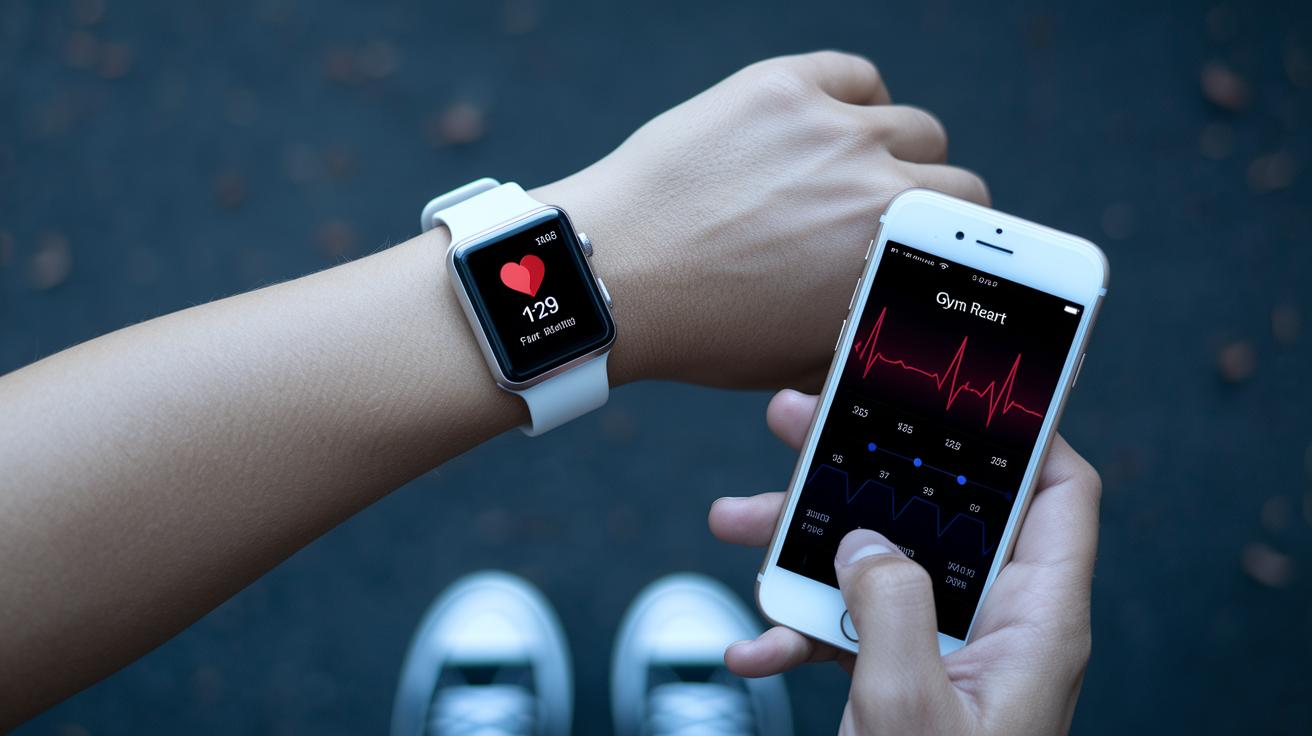
Today’s wearables track key signs like how your heart is doing, the quality of your sleep, and how quickly you recover after exercise. Imagine getting a quick update that tells you if you're ready for a challenging workout or if your body needs a little more rest. These clever gadgets watch how your body reacts during and after exercise, so you can tweak your routines as you go. Pair these insights with trusted tools like wearable tech for health and you get a clear look at your overall well-being. It’s as simple as checking your phone, giving you easy control over your training and recovery.
Smart Recovery Protocols
New recovery techniques are changing how we bounce back after a workout. Cool-down methods like cold plunges, infrared saunas, and recovery devices you can use at home help relieve muscle tension and speed up recovery time. These methods switch between chilly and warm temperatures to boost blood flow and soothe sore muscles. This fresh take on recovery not only helps your muscles feel better faster but also keeps overall tiredness in check so you can keep up with your exercise plan. Try mixing sensor feedback with these recovery tools by checking your daily numbers and adjusting your recovery sessions to meet your body’s needs.
Digital Self-Care Frontier & Interactive Mental Coaching
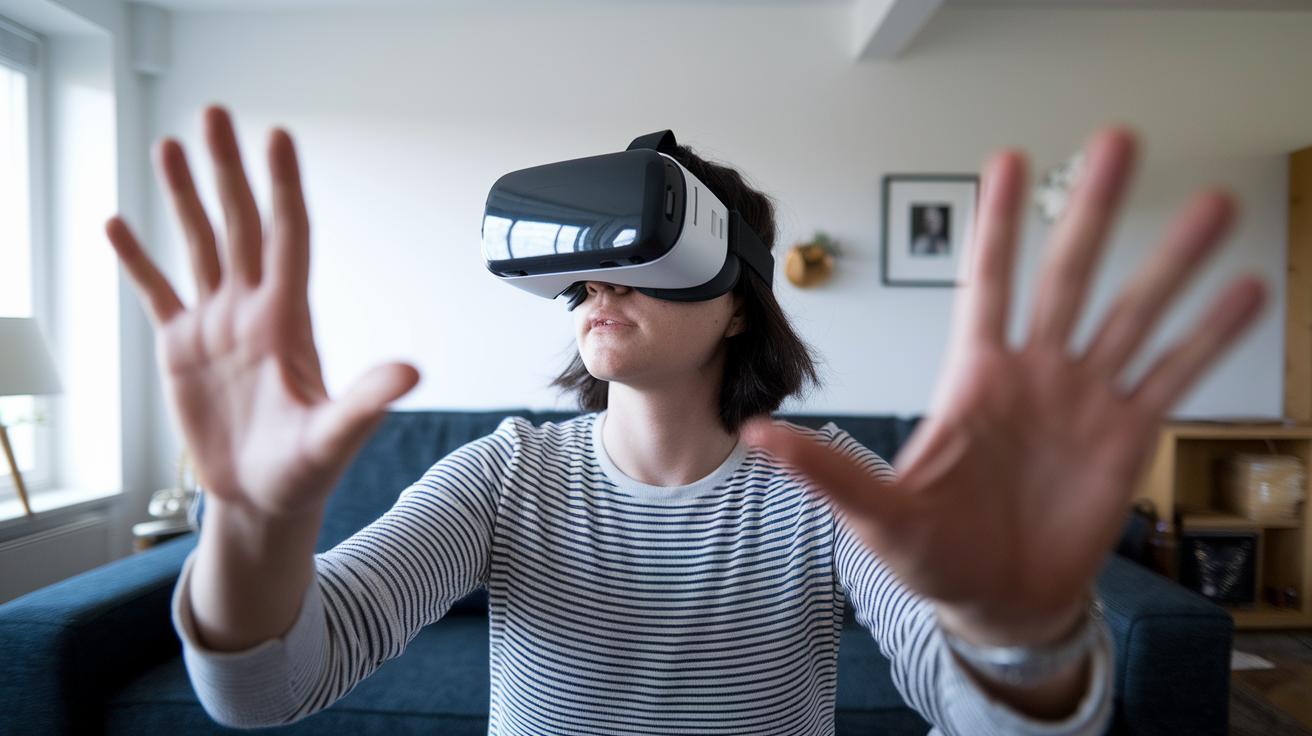
Digital self-care tools are changing how we get mental health support. Teletherapy now uses VR exposure therapy and AR mindfulness exercises to bring a new level of immersion that helps lower stress. Meanwhile, mental health apps offer CBT modules (cognitive-behavioral therapy), mood tracking, and AI-driven behavior insights, making help available right when you need it. For instance, emerging trends in teletherapy and mental-health platforms (https://ourmobilehealth.com?p=144) show just how accessible these options have become.
AI-powered mental coaching is also here to lend a hand at any time. Chatbots use smart algorithms to read your mood and offer personalized prompts that ease everyday stress. This kind of automated support works alongside traditional therapy, giving interactive guidance that helps you feel understood, even when life gets busy. And while these tools are super helpful, they also remind us to keep an eye on privacy and the ethical use of data.
Digital detox retreats are popping up as a welcome break from constant connectivity. They offer a planned pause from endless scrolling and screen glare, encouraging offline activities like guided meditation and mindful walks. This break is especially popular with younger people, who often spend around 5 hours a day on their phones, giving them a chance to reset and recharge away from digital pressures.
Balancing online support with moments away from the screen can help you stay centered. Try setting aside regular tech-free periods for a bit of quiet reflection and a chance to reconnect with your surroundings. Have you ever noticed how a simple break might just change your whole day?
Sustainable Fitness Routines & Eco-Conscious Lifestyle Shift
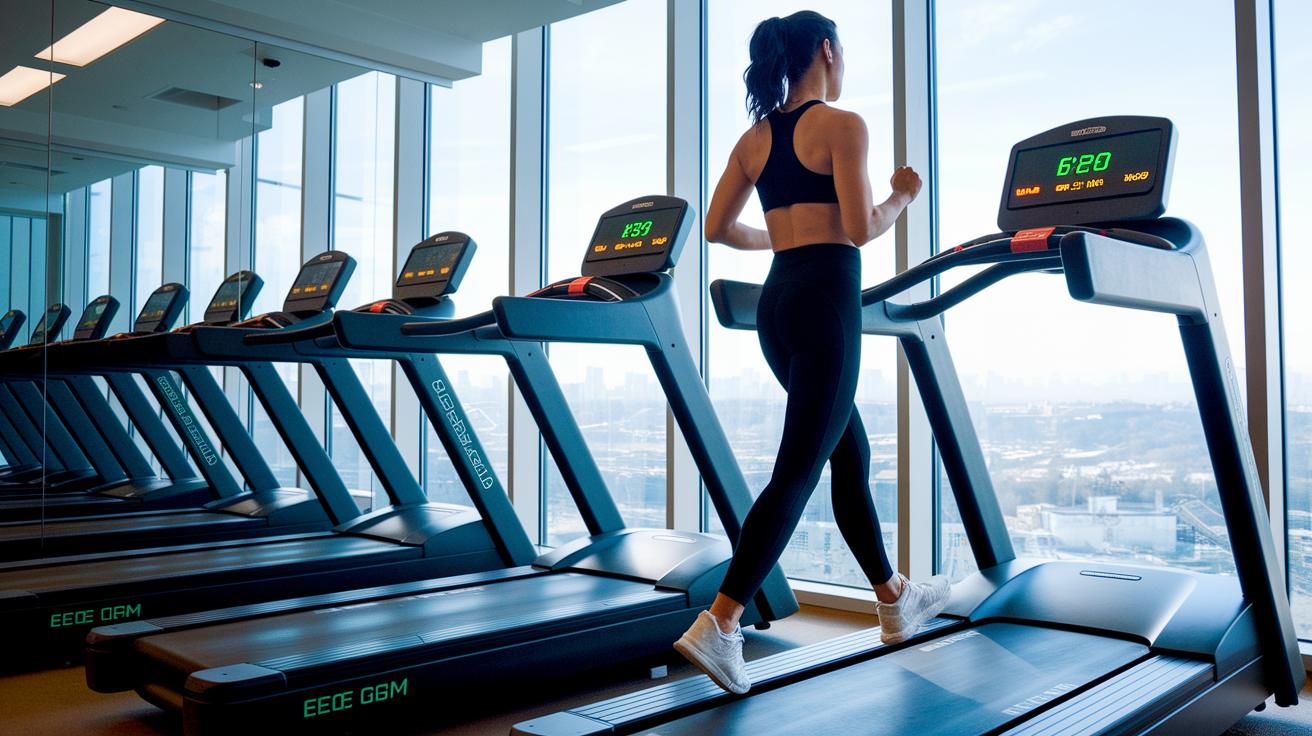
Eco-friendly studios are changing the way we work out. Today’s gyms have equipment that not only helps you exercise but also creates energy to power the whole space. Virtual classes mean you can skip the drive, saving fuel and cutting down on pollution. Imagine a gym where smart treadmills and bikes that recycle energy come together to make a cleaner place for everyone.
At the same time, many people are turning to simpler, nature-based wellness habits. Cool activities like cold plunges, wild swims, and float tanks let you connect with nature while helping your body recover. Guided forest walks and nature strolls offer a calm break that soothes your mind and refreshes your body. This new way of living makes it easy to care for your health and the planet at the same time.
Integrative Health Practices & Mindfulness Training Techniques
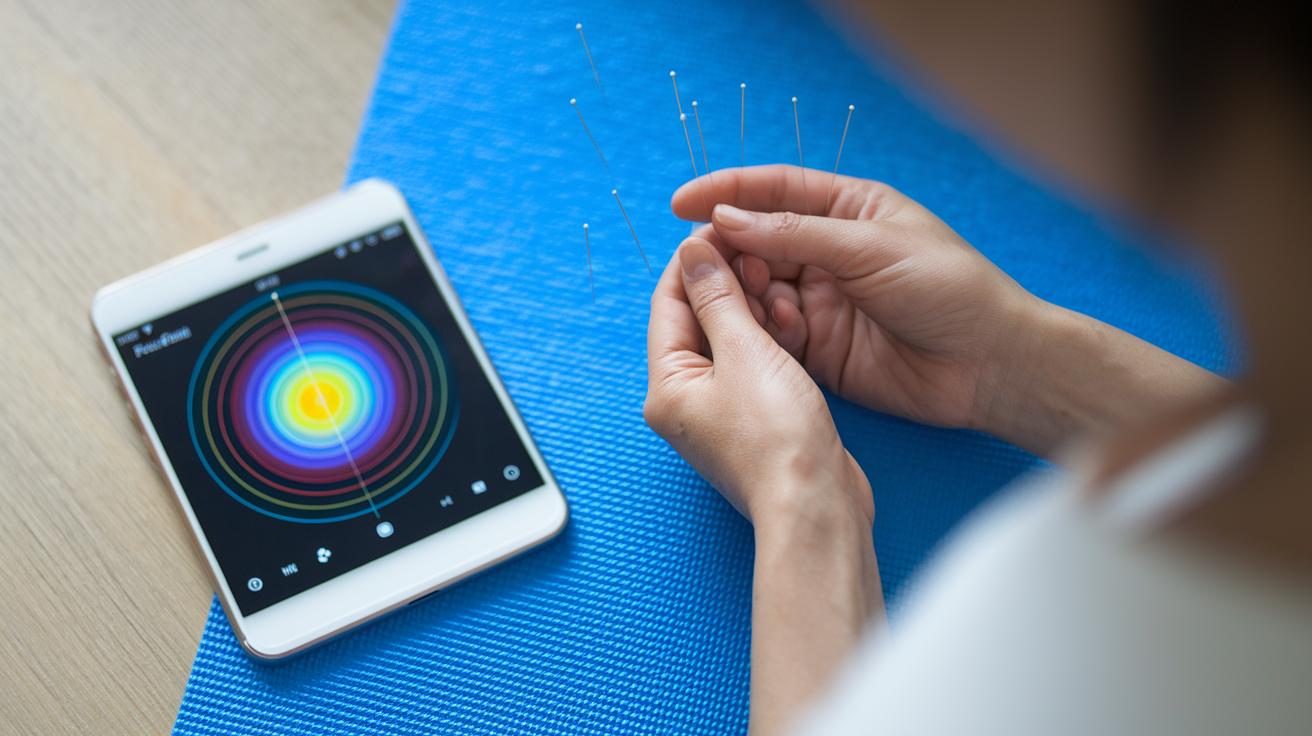
Integrative health practices are changing the way we care for both body and mind. Nowadays, clinics mix traditional therapies like acupuncture, yoga, and meditation with functional-medicine tests (which look for the hidden causes behind issues like inflammation and metabolism problems). Think of it like following a balanced meal plan where every dish works together to boost your energy.
Mindfulness training isn’t just about meditation anymore. It now includes programs like Mindfulness-Based Stress Reduction (MBSR) paired with biofeedback sessions, which help you see how stress affects your body and learn to manage it. And then there’s sound therapy, a method that uses soothing sounds to calm the mind and reset your body’s rhythms. In fact, the sound therapy market was valued at $2.26 billion in 2024 and is expected to double by 2034. Together, these practices offer everyday, practical steps to help you feel more balanced and at ease.
A recent case shared by a health expert shows how powerful these combined approaches can be. One patient used a blend of acupuncture, personalized yoga sessions, and mindfulness techniques inspired by the latest health trends. This mix did more than just ease symptoms; it built up the patient’s overall resilience.
Choosing these well-researched, trusted methods means you’re following a plan proven to work, helping you enjoy a path to lasting well-being.
Advanced Wearable Monitoring & Proactive Diagnostics
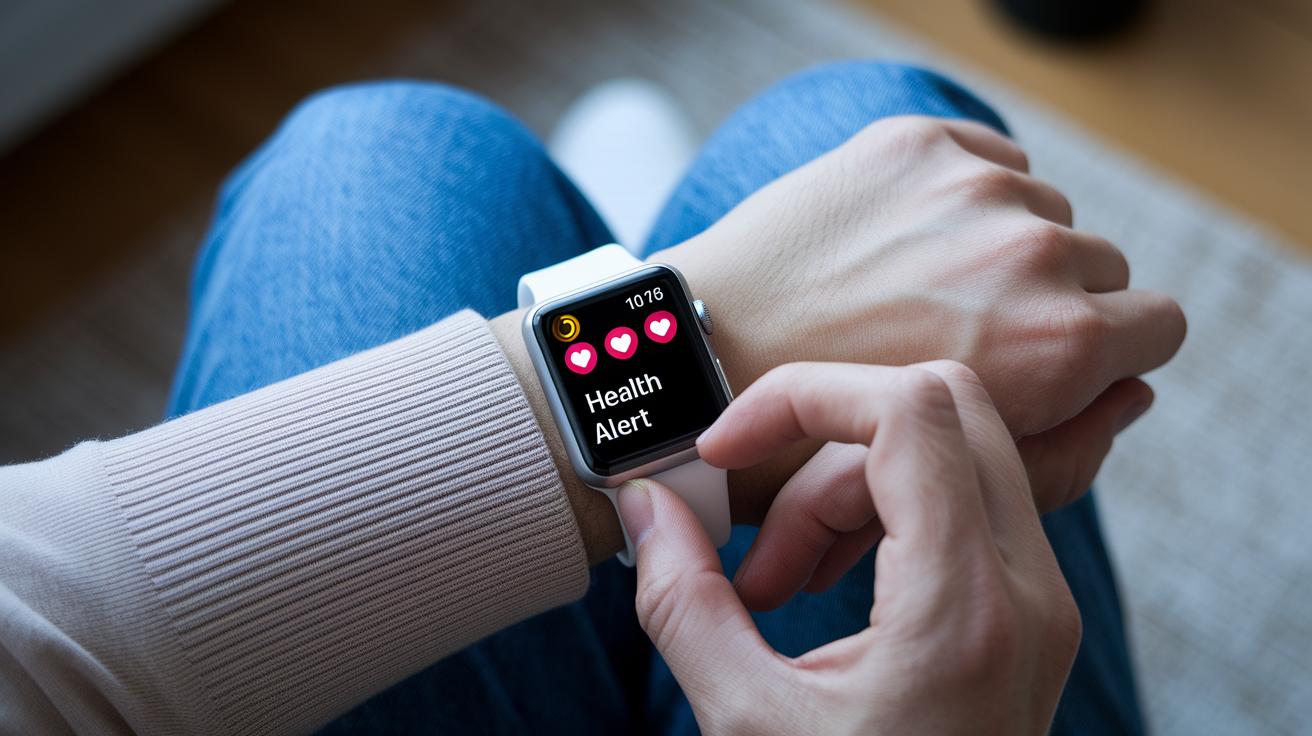
Modern wearables track your heart rate, sleep stages, and activity levels every moment, giving you simple insights to adjust your daily habits. Think of it as having a friendly reminder on your wrist, maybe after a brisk morning walk, your device might say, "Today's activity is higher than yesterday." It’s like a little nudge to either push a bit harder or take it easy.
At-home diagnostic tools work hand-in-hand with these wearables to give you a clearer picture of your health. For instance, continuous glucose monitors show how your food choices affect your sugar levels, while DNA tests can recommend supplements just for you. And with smart home checkups that measure things like joint movement during everyday tasks, you might see prompts such as, "Post-breakfast levels are just right." These tools turn everyday decisions into informed steps towards better health.
When you combine wearable data with home diagnostics, you form a proactive care system. This system helps spot early signs of imbalance and may even cut down the risk of injuries or setbacks. Imagine a message from your device saying, "Your integrated monitoring system shows great balance today." That’s a clear reminder that real-time, science-backed insights help you maintain a solid path to well-being.
Final Words
In the action, we explored breakthrough techniques in personalized nutrition, sensor-driven fitness insights, digital self-care tools, sustainable exercise habits, integrative health practices, and advanced wearable tracking.
Each section showcased how evidence-based strategies can help shape daily routines and better overall wellness. Embracing these innovative wellness trends can pave the way to a healthier lifestyle and a more balanced life. Let's keep pushing forward with fresh ideas and practical steps to achieve overall well-being.
FAQ
What are new innovative wellness trends?
New innovative wellness trends incorporate ideas like personalized nutrition, digital self-care platforms, sensor-based fitness, sustainable routines, integrative therapies, and wearable tracking to promote balanced, everyday health.
What do wellness trends 2025, including health trends and related PDFs, reveal?
Wellness trends 2025 reveal a shift toward data-guided care, integrating personalized therapies, digital self-care, and sustainable practices. They help consumers adopt proactive routines and smarter health decisions.
How do Gen Z wellness trends shape current health practices?
Gen Z wellness trends shape current practices by embracing smart technology, eco-conscious routines, and holistic approaches. They drive demand for easy-to-use digital tools that balance screen time with mindful self-care.
What insights do McKinsey wellness trends 2025 and future reports provide?
McKinsey wellness trends reports offer insights on emerging personalized care, digital innovations, and sustainable health practices. They guide industry strategies and help consumers understand new opportunities in wellness.
What are examples of health and wellness industry innovations?
Health and wellness industry examples include wearable devices that track performance, digital mental-health apps, personalized diet plans, and eco-friendly fitness studios that combine technology with mindful living.