Have you ever wondered if mixing different ways in healthcare, therapy, and education might be just what we need? Integrative techniques (a fancy way of saying mixing different methods) bring together ideas from many areas so that the support fits you perfectly. They combine thoughts, feelings, and the signals your body sends, blending old psychological insights with new approaches to care. In this post, we take a look at how mixing these methods can spark change and provide a fresh, effective path to well-being.
Integrative Techniques: Definition and Core Principles

Integrative techniques mix ideas from different therapy styles like cognitive-behavioral, humanistic, existential, interpersonal, and psychoanalytic methods into one approach. This method combines our thoughts, emotions, body signals, the context of our lives, and behaviors to address mental and emotional challenges. For instance, a therapist might use a thought record from cognitive-behavioral therapy (a tool to identify and change negative thinking) and then blend it with an exploration of relationship patterns. In simple terms, it’s a way to match different tools to what each person really needs.
This approach has deep roots going back to early 1900s thinkers such as Freud and Sándor Ferenczi. Back then, Ferenczi even suggested in his 1933 paper that therapists should change their techniques based on how a client reacts. Think about it: there was a time when therapists carefully watched for small cues from a client before deciding the next step. This careful observation laid the groundwork for what we now call a client-centered approach, an idea that still guides therapy today.
Modern integrative techniques focus on adjusting treatment for each person and making sure therapists are skilled in many different methods. Therapists mix strategies like cognitive steps and insights about personal relationships to build trust and spark long-lasting change. This flexible blend helps them respond to different situations in each session and gives clients a more personalized and effective experience.
Integrative Techniques in Healthcare: Evidence-Based Modalities

Integrative techniques in healthcare bring together time-tested and modern methods to offer patient-focused care. By mixing approaches like acupuncture, massage, nutritional therapy, herbal medicine, and mind-body practices, doctors can support physical, emotional, and mental well-being. Studies even show that some of these methods can lower chronic pain by 20-30%, while holistic treatments in palliative care help boost satisfaction and ease anxiety.
- Acupuncture: Tiny needles are used to stimulate the body and enhance blood flow. Research shows it can ease long-term pain.
- Massage: This method helps relax tense muscles and lower stress. Studies have found it reduces discomfort and promotes relaxation.
- Nutritional therapy: By encouraging balanced eating, it helps manage chronic conditions and lifts energy and mood.
- Herbal medicine: Using plant-based remedies, this approach may help reduce inflammation and strengthen the immune system.
- Mind-body practices: These include mindfulness and meditative exercises that have been shown to lower pain and foster a sense of calm.
- Palliative care partnerships: Combining these integrative methods in a care setting not only makes patients happier but also helps reduce anxiety.
Bringing these evidence-based practices together offers a flexible, personalized approach to health care. By blending physical treatments with mental and nutritional care, providers can meet each patient’s unique needs. With promising research backing these methods, it’s clear that integrative techniques can lead to real, lasting improvements in quality of life.
Integrative Techniques in Mental Health: Psychotherapy Strategies and Outcomes

Integrative psychotherapy mixes different methods such as CBT (a type of therapy that helps change negative thoughts), humanistic, interpersonal, and mindfulness techniques to tackle a range of mental and emotional challenges. Often, your therapist might ask you to fill out a thought record, a simple tool that helps spot and change unhelpful thoughts, or explore your dreams to uncover hidden feelings. For example, you might complete a thought record and then discuss a recurring image from your dreams during your session. This mix of techniques helps build a strong connection with your therapist and gives a fuller view of your inner life.
Many experts say these blended approaches make clients more involved and lead to lasting change. This flexible method can help with things from easing anxiety to working through relationship hiccups because therapists can choose the tools that fit your unique situation. But it isn’t without challenges. Some people might feel more comfortable with one specific method, and therapists need to be skilled in many different styles. Ever wondered if pairing goal-setting with interpersonal check-ins might make your therapy plan even better?
| Technique | Methods Combined | Main Use |
|---|---|---|
| Thought Records | CBT, mindfulness, somatic therapy | Spot and change negative thoughts |
| Dream Analysis | Psychoanalytic, humanistic therapy | Discover hidden feelings |
| Goal-Setting | Humanistic, CBT | Guide personal growth |
| Interpersonal Inventories | Interpersonal, existential therapy | Examine relationship patterns |
| Worksheets | Mixed methods (CBT, mindfulness, somatic) | Practice session steps |
In short, integrative psychotherapy creates a flexible space that fits your needs. By using several methods, it aims to bring about thoughtful, long-lasting change while encouraging therapists to keep sharpening their skills.
Integrative Techniques Spark Healthcare, Therapy, Education

Integrative teaching methods mix different ways to make classes lively, interactive, and easy to follow. Teachers often blend simple lectures, hands-on group projects, online learning activities, and even short reflective journals. Imagine a room where standard lectures mix with fun digital exercises, fitting together like pieces of a puzzle to complete the big picture.
Flipped classrooms, project-based lessons, and cross-discipline plans show how these techniques boost thinking skills. In a flipped classroom, students first learn from home and then work on projects together in the classroom. Group work sparks good conversations and creative problem-solving, so students not only hear the lesson but also try it out in real life.
These combined methods help students remember better and take part more actively in learning. By mixing different teaching styles, teachers create a relaxed space that suits everyone’s needs. Many say that when lectures, group activities, and personal reflections come together, learning becomes a richer and more rewarding experience.
Integrative Techniques in Negotiation: Collaborative Strategy Integration

Integrative negotiation takes a different approach from tough bargaining. Instead of arguing over fixed positions, it focuses on what everyone really needs. Research shows that using these methods can lead to deals that create 15–25% more value.
This style starts by finding what both sides have in common. For example, rather than pushing hard for your own goals, you look for shared dreams and then work together to find smart solutions that help everyone. Have you ever wondered how small compromises can lead to bigger gains?
There are a few key steps. First, figure out the goals that unite you. Next, think of ideas that boost benefits for everyone, like brainstorming solutions together. Last, build trust by staying in touch and truly listening. Trust is built step by step, much like learning to ride a bike; it takes time but makes a big difference in the long run.
When everyone shifts the focus from competing to cooperating, new paths for solving problems open up. This way of negotiating not only brings creative answers but also builds lasting respect between people. It's like turning challenges into teamwork that lasts well beyond the deal.
Implementing Integrative Techniques: Case Studies and Best Practices
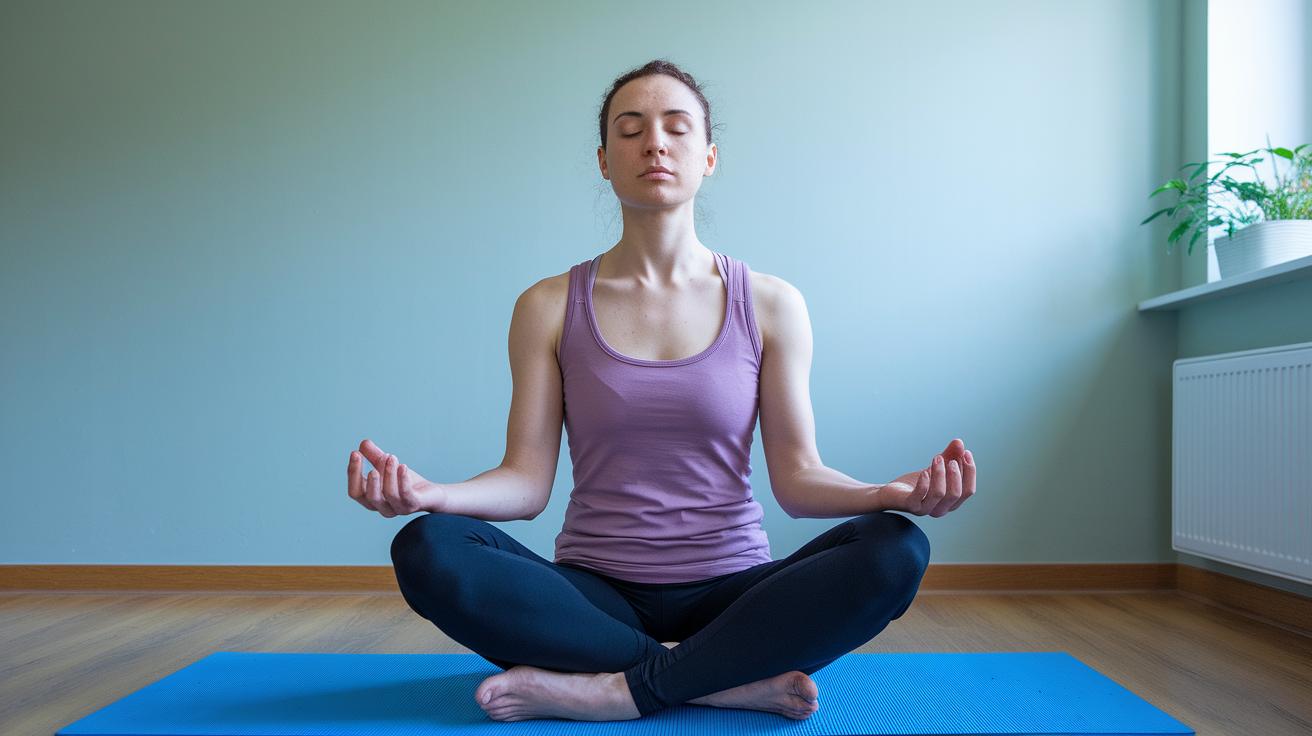
Palliative Care Case Study
Imagine a palliative care program that brings together simple body practices and mindfulness to help patients feel calmer and more comfortable. In this program, patients took part in regular sessions where they learned easy exercises to relax their bodies, practiced guided mindfulness, and had quick check-ins to see how they were feeling. Over four weeks, many of the patients reported about an 18% drop in their anxiety levels, measured by simple tests. One patient shared, "I felt lighter and more in control each time I practiced these methods." It’s clear that mixing physical relaxation with mindful breathing can really help reduce stress. Plus, by listening to patients' feedback, the program could be tweaked to better meet everyone’s needs.
Best-Practice Implementation Guidelines
To make integrative therapy work well, a few key things are needed. Here are five important elements:
- Therapist training: Clinicians need to know various techniques so they can adjust the methods based on how each person responds.
- Client assessment protocols: Regular evaluations help figure out which mix of practices works best for each individual.
- Outcome monitoring: Keeping track of progress using both numbers and personal feedback ensures that benefits like lower anxiety or a brighter mood show up.
- Adaptive planning: It’s important to be flexible with treatment plans. When new challenges or needs come up, adjustments help keep the care effective.
- Interdisciplinary collaboration: Working together with experts from different fields, like nutrition, physical therapy, or psychology, can make the overall care plan stronger and more complete.
When these guidelines are used, the benefits of integrative techniques become clear. Programs like the palliative care case study show us that by combining body-focused practices with thoughtful check-ins, we can help patients feel better and create lasting, positive change.
Final Words
In the action, we explored how integrative techniques blend methods from different fields to improve overall wellness. We reviewed core principles, healthcare applications, mental health practices, educational methods, and negotiation strategies. Real-world examples illustrated how these adaptable techniques help reduce stress, boost physical fitness, and offer reliable nutritional insights. With evidence-based advice tying it all together, these integrative techniques inspire practical steps toward better health. Keep striving for progress every day and celebrate each small win.
FAQ
What is integrative therapy and can you provide an example?
Integrative therapy is an approach that combines elements from different therapies, like cognitive behavioral and mindfulness techniques, to address unique client needs. An example is blending talk therapy with relaxation exercises.
What are integrative therapy techniques?
Integrative therapy techniques merge methods such as cognitive behavioral thought records, psychoanalytic dream analysis, and humanistic goal-setting to create adaptable strategies that work for each individual.
How does integrative psychotherapy differ from eclectic therapy?
Integrative psychotherapy is built on a unifying framework that tailors treatment to a client’s needs, while eclectic therapy selects methods without an overarching organized approach.
How can one become an integrative therapist?
Becoming an integrative therapist involves gaining training in various therapeutic methods and learning to combine them effectively to meet each client’s unique requirements.
What are the disadvantages of integrative therapy?
The disadvantages of integrative therapy include the need for therapists to have broad expertise and the challenge of aligning multiple techniques with a client’s personal treatment preferences.
What is integrative theory?
Integrative theory refers to a framework that blends different psychological models into one cohesive approach, allowing for flexible and personalized treatment plans.
What are integrative therapies?
Integrative therapies are treatments that combine elements from diverse therapeutic approaches, aiming to cover cognitive, emotional, and behavioral aspects for a well-rounded healing process.